





US-Japan Yen Intervention Reshapes Cross-Border Payment Costs | Seller FX Strategy Guide
- First joint intervention since 1998 strengthens yen 3-5%, reducing Japan import costs but increasing USD-denominated seller expenses by 2-4% immediately



Overview
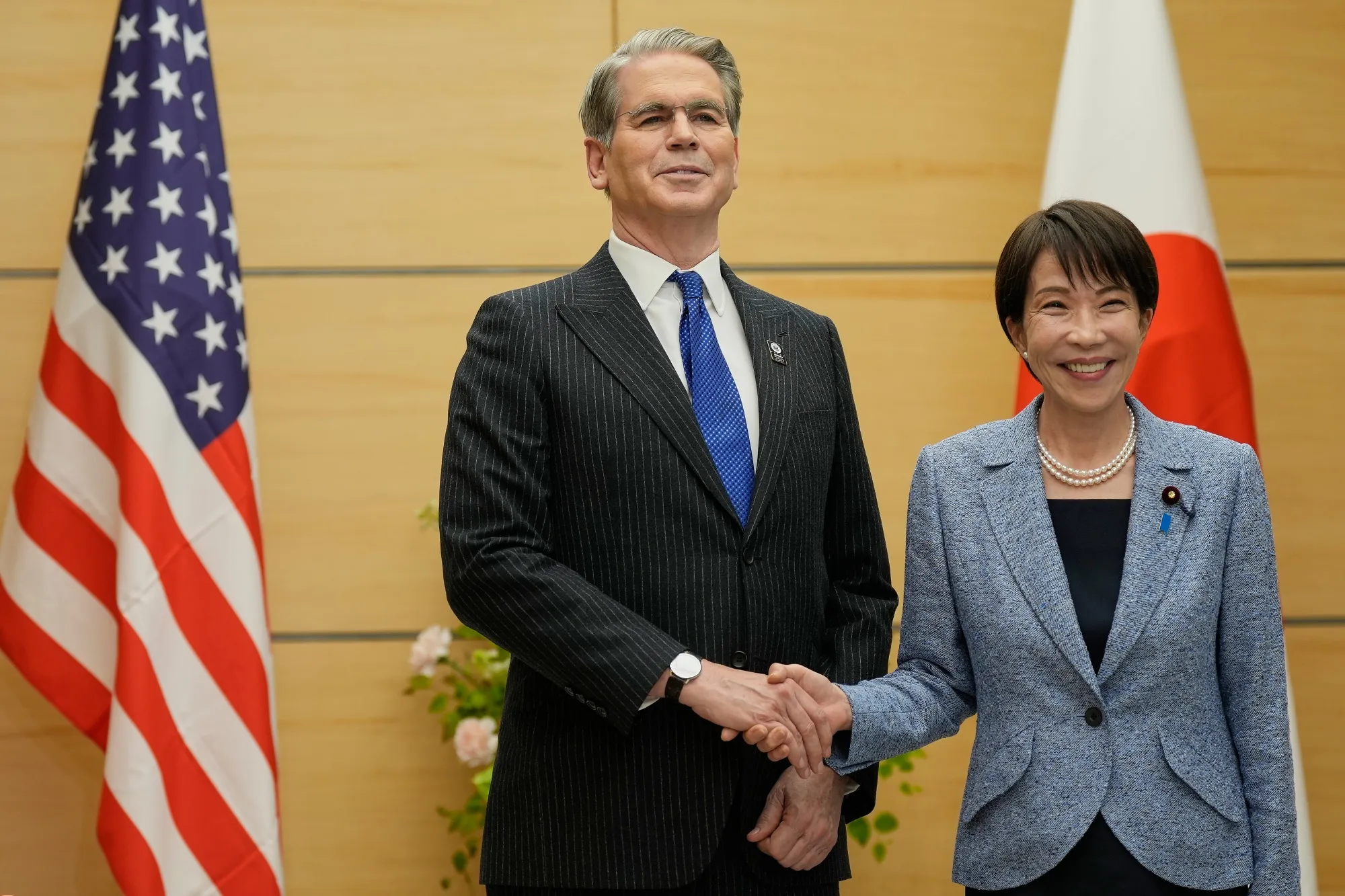
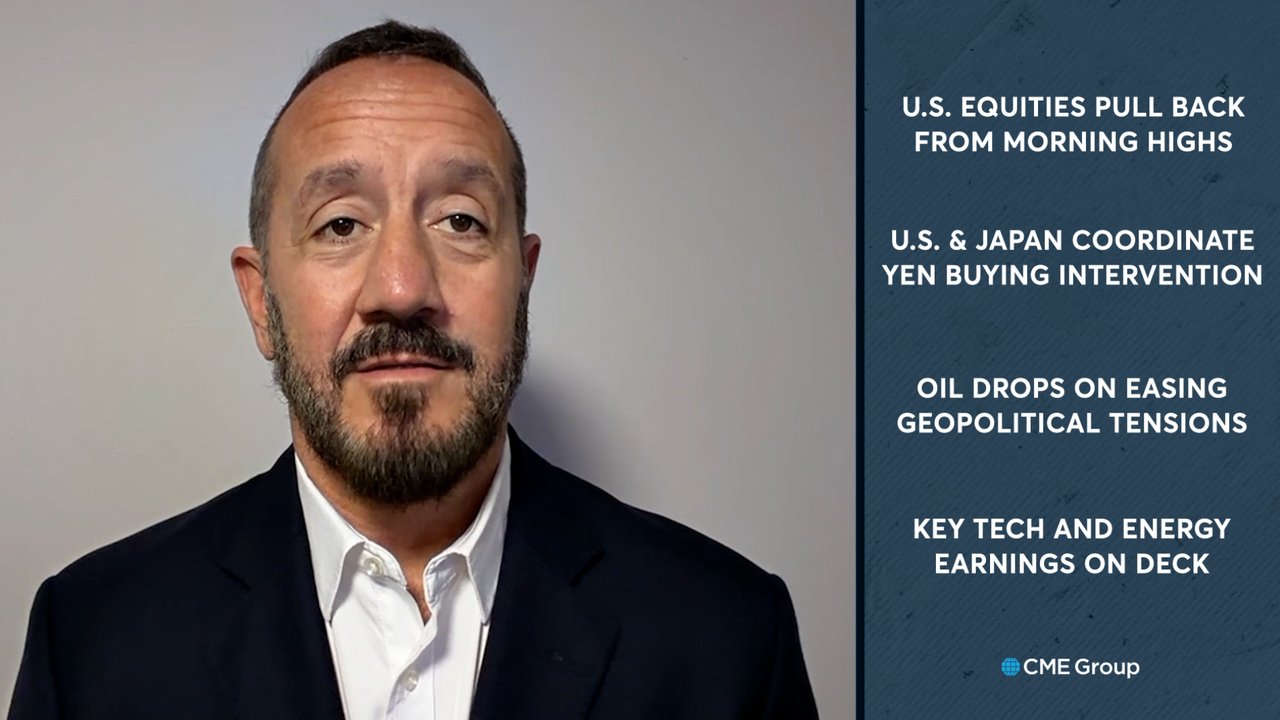
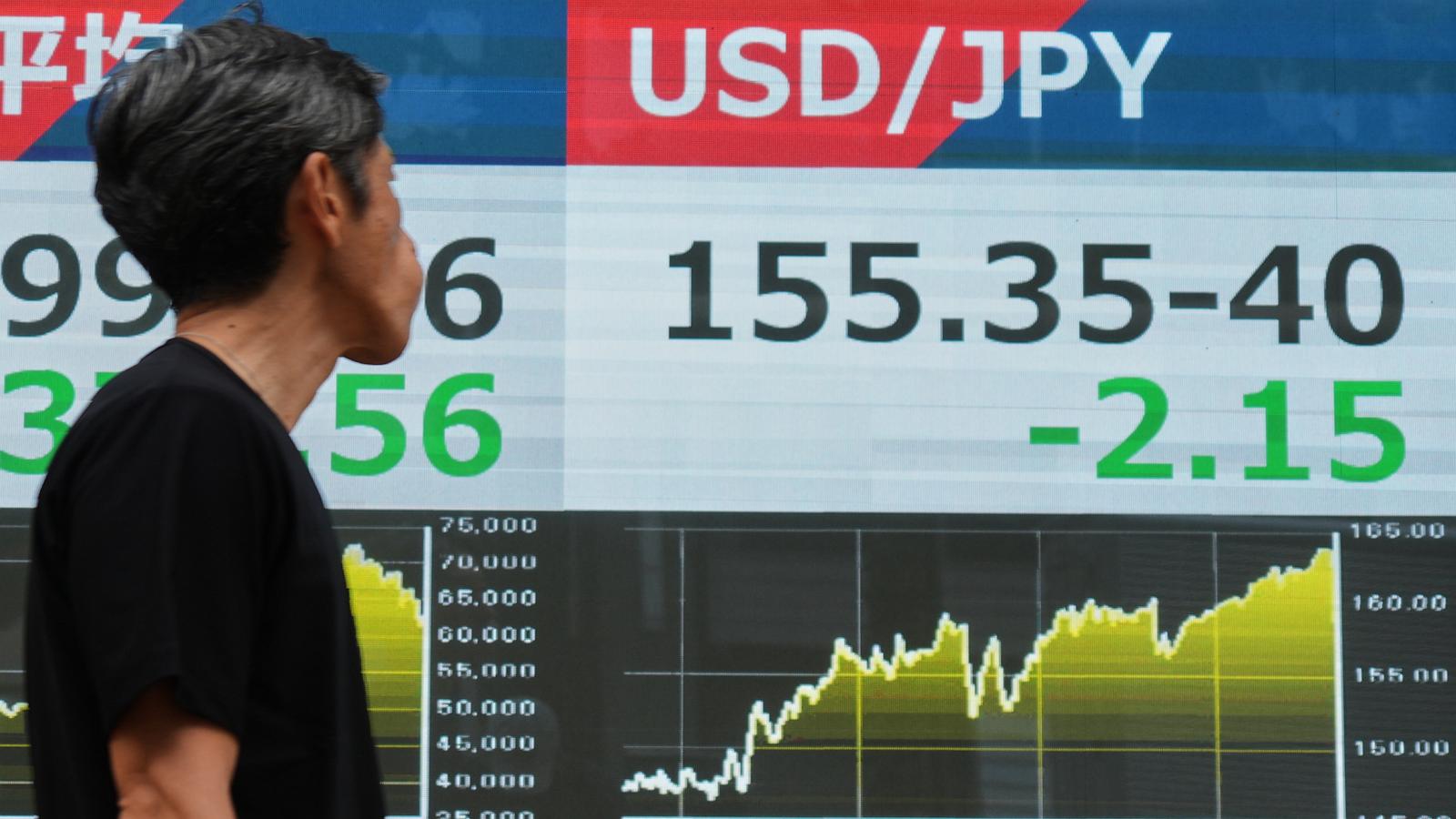
The US and Japan executed their first coordinated currency intervention since 1998, directly addressing the yen's 40-year lows driven by widening interest-rate differentials between the Federal Reserve's higher rates and the Bank of Japan's accommodative policy. This rare geopolitical coordination signals a critical shift in cross-border payment dynamics that immediately impacts sellers operating in the Japan-US corridor—the world's second-largest bilateral e-commerce trade route worth $18B+ annually.
For cross-border sellers, this intervention creates immediate financial optimization opportunities. The yen's strengthening (estimated 3-5% appreciation post-intervention) directly reduces payment processing costs for sellers receiving yen-denominated payments from Japanese buyers. Sellers using Wise, OFX, or regional Japanese payment processors (GMO Payment Gateway, SoftBank Payment Service) can now lock in more favorable exchange rates before the yen stabilizes. The intervention's credibility—backed by historical precedent from the 1998 collaboration and 1985 Plaza Accord—suggests sustained yen strength over 3-6 months, creating a FX arbitrage window for sellers to hedge USD/JPY exposure or accelerate yen-to-USD conversions at improved rates.
Working capital implications are substantial. Sellers importing Japanese products (electronics, beauty, apparel, collectibles) face 2-4% immediate cost increases as their JPY-denominated supplier invoices become more expensive in USD terms. However, sellers with existing yen-denominated receivables can now convert at better rates, potentially unlocking $5,000-50,000 in additional working capital per seller depending on transaction volume. The intervention also signals Japan's commitment to currency stability, reducing FX volatility risk that typically inflates hedging costs by 15-25% during currency crises. This stability premium creates opportunities for sellers to access trade finance products (invoice financing, PO financing) at lower rates, as lenders reduce risk premiums on Japan-US transactions.
The carry-trade unwinding risk mentioned in the news creates secondary opportunities. While the intervention aims to prevent destabilizing carry-trade reversals, the persistent interest-rate gap means carry trades continue operating. Sellers can exploit this by timing payment settlement strategies—delaying yen conversions during periods of carry-trade activity (when yen weakens temporarily) and accelerating conversions during intervention-driven strength. Regional banking advantages emerge: sellers with Hong Kong or Singapore entities can access better JPY/USD rates through Asian banking corridors (typically 10-15 basis points better than US banks), while sellers with Japan-based subsidiaries can leverage local financing products at Bank of Japan-influenced rates now more favorable post-intervention.
The intervention's focus on preventing trade imbalance widening also signals potential tariff stability in the US-Japan trade relationship, reducing regulatory risk premiums on cross-border transactions. This creates a 3-6 month window for sellers to lock in favorable payment terms with Japanese suppliers before the interest-rate gap potentially widens again.
Questions 7
How does the US-Japan yen intervention reduce payment processing costs for sellers?
The intervention strengthens the yen 3-5%, making yen-denominated payments more valuable when converted to USD. Sellers receiving payments from Japanese buyers through **Wise, OFX, or GMO Payment Gateway** immediately benefit from improved exchange rates. For a seller receiving ¥5M monthly from Japanese customers, a 3% yen appreciation translates to approximately $1,500-2,000 additional monthly revenue at current rates. The intervention's credibility (backed by 1998 precedent) suggests this rate improvement will persist 3-6 months, allowing sellers to lock in favorable conversion rates before rates stabilize.
Which payment providers offer the best rates for USD/JPY conversions post-intervention?
**Wise** and **OFX** typically offer 10-20 basis points better rates than traditional banks for USD/JPY conversions. However, sellers with **Hong Kong or Singapore entities** can access even better rates (10-15 basis points better than US banks) through Asian banking corridors like HSBC Asia or DBS. For sellers with Japan-based subsidiaries, local providers like **GMO Payment Gateway** and **SoftBank Payment Service** offer rates competitive with or better than international providers, plus access to Bank of Japan-influenced financing products now more favorable post-intervention.