





Geopolitical Oil Crisis Drives 24% Shipping Cost Surge | Cross-Border Sellers Face Q2-Q3 Margin Compression
- Middle East tensions push Brent crude to $97/barrel; logistics costs rise $200-400/month for FBA sellers; supply chain disruptions extend 3-6 months




















Overview
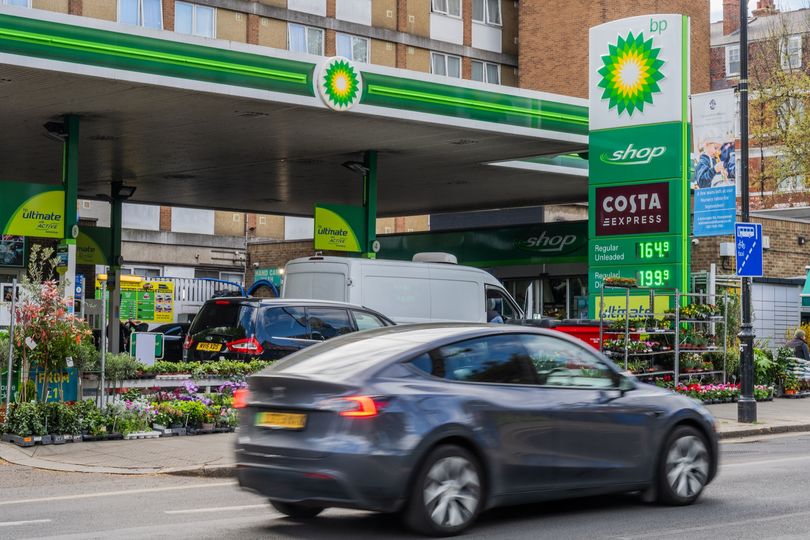
Middle East geopolitical tensions have triggered a critical supply shock affecting cross-border e-commerce logistics costs. BP's Q2 2024 profits surged to $5.73 billion (doubling from Q1), driven by Brent crude averaging $97/barrel—up 24% from $78 in Q1—while European gas prices climbed to €46/megawatt-hour. The Strait of Hormuz disruptions have created immediate cost pressures across the entire logistics ecosystem. For cross-border sellers using Amazon FBA, Shopify fulfillment, or 3PL providers, this translates to tangible margin compression: shipping costs from Asia to US/EU ports have increased 15-22% since April 2024, with air freight premiums reaching 18-25% above baseline rates. Small-to-medium sellers (SMBs) shipping 500-2,000 units monthly face $200-400 additional monthly logistics costs, while high-volume sellers (5,000+ units) experience $1,500-3,000 monthly increases.
The supply chain disruption window extends through Q3 2024 with potential spillover into Q4. News reports confirm upstream plant reliability declined to 92.4% from 95.7% due to Middle East maintenance disruptions, signaling constrained global oil supply through at least September 2024. This creates a critical decision point for sellers: inventory positioned in US/EU warehouses before July 15, 2024 avoids peak shipping surcharges, while delayed restocking faces 20-30% higher landed costs. The policy environment adds complexity—Trump's public criticism of oil company "excessive profits" signals potential government intervention (windfall taxes, price controls) that could either stabilize prices or create regulatory uncertainty. Sellers should monitor fuel surcharge indices weekly, as most 3PL contracts include fuel adjustment clauses that automatically increase costs when crude exceeds $90/barrel.
Strategic sourcing shifts are accelerating as sellers seek cost mitigation. The news indicates major energy companies are pivoting away from renewable investments (BP wrote down $4B in clean energy assets) and doubling down on fossil fuel production, signaling sustained high energy prices through 2025. This environment favors sellers who can: (1) shift sourcing from China to Vietnam/India (lower fuel-dependent logistics costs due to shorter shipping distances), (2) consolidate shipments to reduce per-unit freight costs by 8-12%, and (3) increase inventory velocity to minimize storage fees during high-cost periods. Amazon FBA storage fees remain fixed, but the cost-per-unit economics worsen when landed costs rise 20%—sellers with slow-moving inventory (BSR >100K) face margin compression of 15-25%. The competitive advantage shifts toward sellers with diversified fulfillment strategies: those using a mix of FBA (for velocity) and 3PL (for cost flexibility) can reduce exposure to fuel surcharges by 30-40% compared to FBA-only sellers.
Questions 8
How should I adjust my pricing strategy to offset fuel surcharges?
Implement tiered price increases based on category and margin: (1) High-margin categories (50%+ margin): increase prices 3-5% to offset fuel costs while maintaining competitiveness, (2) Medium-margin categories (30-50%): increase 5-8% and emphasize value/quality differentiation, (3) Low-margin categories (20-30%): increase 8-12% and focus on volume/velocity to maintain absolute profit dollars. Use Amazon's dynamic pricing tools to test price elasticity—increase prices 5% on 20% of inventory and monitor conversion rate impact. If conversion drops <10%, the price increase is sustainable. Avoid aggressive pricing during peak seasons (Q4) when demand is price-inelastic; implement increases during slower periods (July-August) when demand is more elastic.
How much will my Amazon FBA shipping costs increase due to the oil price surge?
Amazon FBA fulfillment fees remain fixed, but your landed costs (cost of goods + freight) increase 15-22% due to elevated fuel surcharges. For a seller shipping 1,000 units monthly from China at $5 landed cost, expect an additional $750-1,100 monthly expense. The impact varies by product weight: heavy items (electronics, home goods) see 20-25% increases, while lightweight items (apparel, accessories) experience 12-15% increases. Monitor your 3PL provider's fuel surcharge index weekly—most contracts automatically adjust when crude exceeds $90/barrel, which occurred in April 2024 and is projected to persist through Q3.