


Boeing 737 Max 7 FAA Certification | Aerospace Supply Chain Recovery & Logistics Opportunity
- FAA certification milestone enables fleet modernization across global airlines, creating demand surge for aerospace parts, travel accessories, and logistics infrastructure serving regional route expansion







Overview
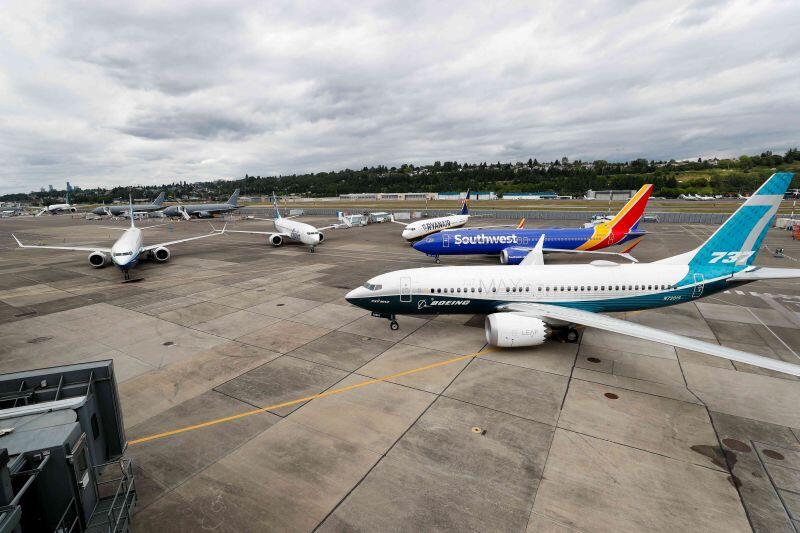
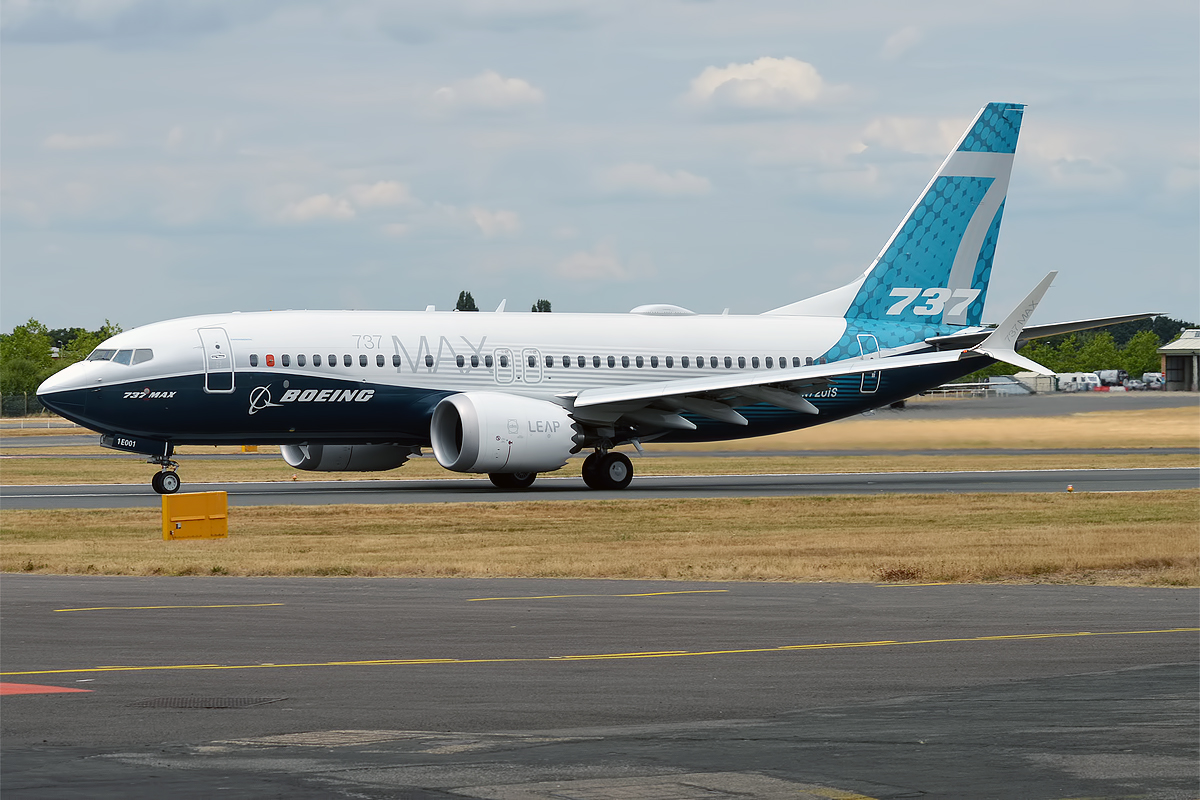
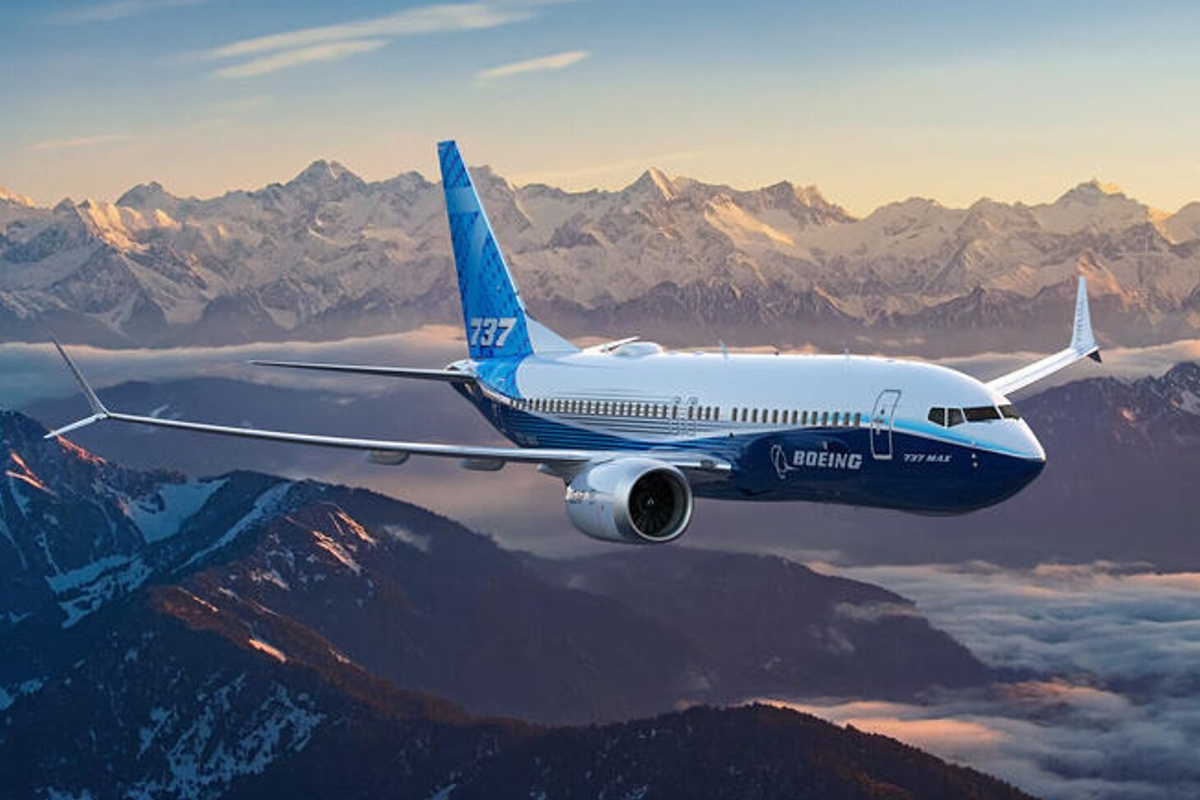
The FAA's certification of Boeing's 737 Max 7 jetliner represents a critical regulatory milestone that extends far beyond aerospace manufacturing, creating cascading opportunities across e-commerce supply chains and seller categories. This certification—achieved after years of rigorous safety reviews following previous 737 Max incidents—signals FAA confidence in Boeing's engineering protocols and enables the company to fulfill existing orders while capturing additional market demand from carriers seeking fuel-efficient narrow-body aircraft for regional and domestic routes.
For e-commerce sellers, this development triggers multiple demand vectors. First, aerospace parts and components: The 737 Max 7's advanced avionics, improved engines, and enhanced aerodynamic design require specialized manufacturing and aftermarket support. Sellers specializing in aviation components, maintenance supplies, and technical documentation will see increased procurement from MRO (Maintenance, Repair, Overhaul) providers and airlines preparing for fleet integration. Industry data suggests regional aircraft modernization cycles generate 15-25% annual growth in aftermarket parts demand during the 18-month post-certification window.
Second, travel and logistics infrastructure: Airlines' strong interest in the Max 7 for "operational efficiency and passenger capacity optimization" signals expansion of regional route networks. This drives demand for airport ground support equipment, baggage handling systems, and logistics software—categories where cross-border sellers source components from Asia Pacific manufacturers. The expected service entry "within the coming months" creates a 90-120 day procurement window for suppliers.
Third, compliance and certification services: Boeing's recovery demonstrates the value of rigorous certification processes. Sellers offering compliance consulting, quality assurance documentation, and regulatory training services to aerospace suppliers will see increased demand as supply chain partners upgrade their capabilities to support Max 7 production and maintenance networks.
Fourth, travel merchandise and consumer goods: Fleet modernization historically correlates with increased airline capacity and route expansion, particularly on regional routes. This drives consumer travel demand, benefiting sellers in luggage, travel accessories, and airline-related merchandise categories. Airlines typically increase marketing spend 20-30% following new aircraft introductions, creating visibility spikes for travel-related products on Amazon, eBay, and Shopify.
The certification also signals market consolidation: Boeing's competitive positioning against Airbus's A320 family strengthens, meaning suppliers aligned with Boeing's supply chain gain preferential access to growth opportunities. Sellers should monitor Boeing's supplier announcements and regional airline fleet orders to identify emerging demand patterns.
Questions 8
Which geographic markets see the strongest 737 Max 7 demand signals?
The certification enables Boeing to fulfill existing orders and capture demand from carriers operating regional and domestic routes globally. Airlines have expressed strong interest in the aircraft for regional route optimization. North American and European regional carriers represent primary markets, followed by Asia Pacific expansion. Sellers should prioritize sourcing from Asia Pacific manufacturers supplying Boeing's supply chain, as these regions represent the lowest-cost production centers. Regional airline fleet modernization typically follows certification by 6-18 months, so sellers should monitor regional carrier announcements in North America, Europe, and Asia Pacific for procurement signals.
What compliance and certification requirements do sellers need to understand?
The 737 Max 7 underwent extensive testing and validation to meet all FAA safety requirements and airworthiness standards. Sellers supplying aerospace components must understand these certification pathways, as supply chain partners will require documentation proving compliance with FAA standards. Sellers offering compliance consulting, quality assurance documentation, and regulatory training services will see increased demand. Understanding the certification timeline (years of delays were resolved through comprehensive safety reviews) helps sellers anticipate supply chain partner needs. Sellers should familiarize themselves with FAA Part 23 and Part 25 certification standards relevant to their product categories.