



GPU Price Hikes 20-30% Drive Electronics Seller Margin Compression | 2025 Supply Crisis
- NVIDIA/AMD confirm 20-30% price increases effective immediately; Samsung memory costs rising 20% monthly through 2028; cascading impact on gaming consoles, PC components, and electronics retailers globally

Overview
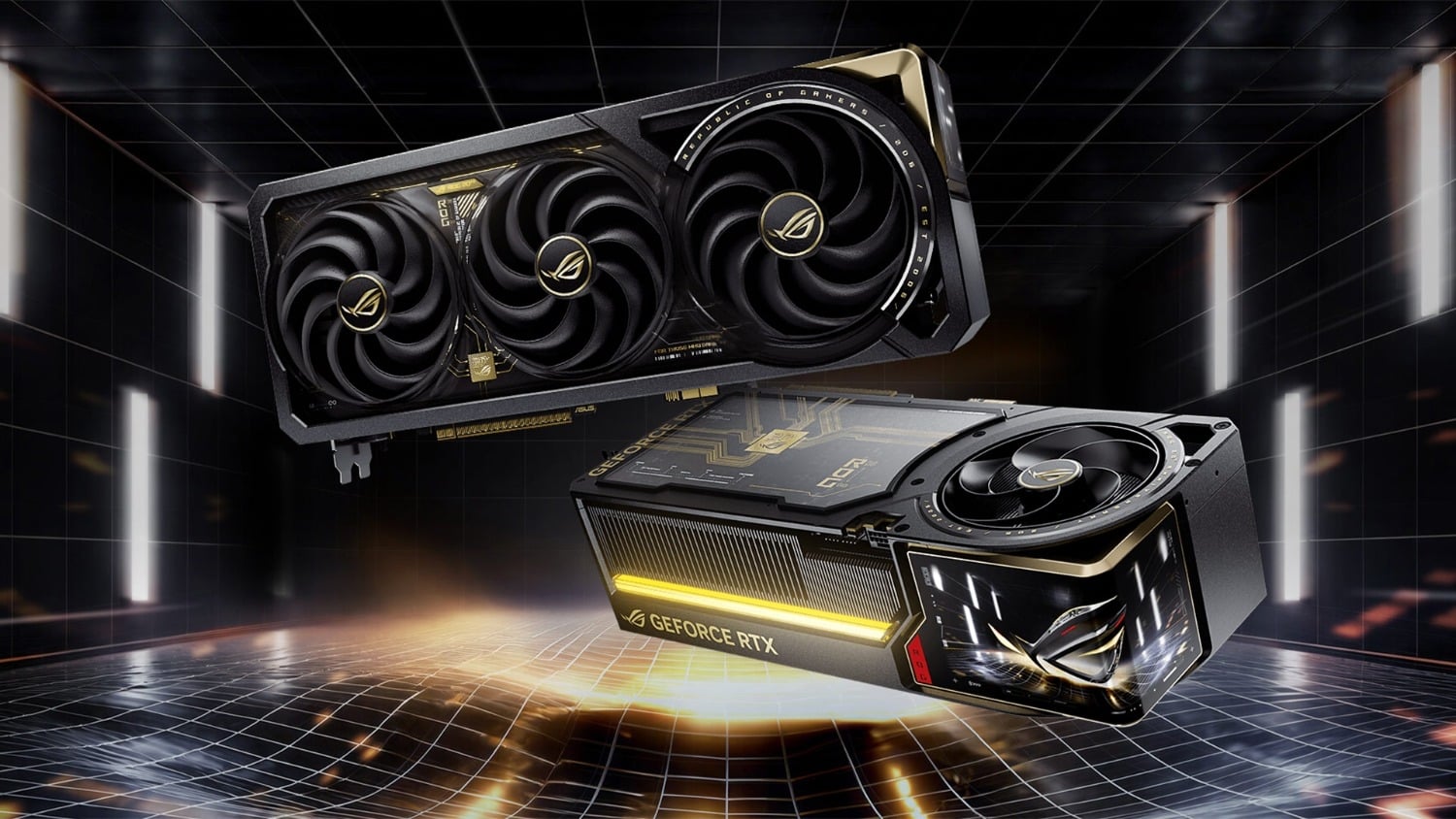
The GPU and memory supply crisis is creating a cascading cost shock across consumer electronics in 2025. NVIDIA confirmed 20-30% price hikes on GeForce RTX 50 series cards starting this week, with AMD following with minimum 10% increases. The root cause: GDDR7 memory costs have escalated dramatically, with Samsung raising prices in January 2025 and planning additional 20% increases this month, with further hikes expected through 2028. This is not a temporary shortage—it's a structural supply constraint driven by surging demand for high-speed memory modules across AI, data center, and consumer applications.
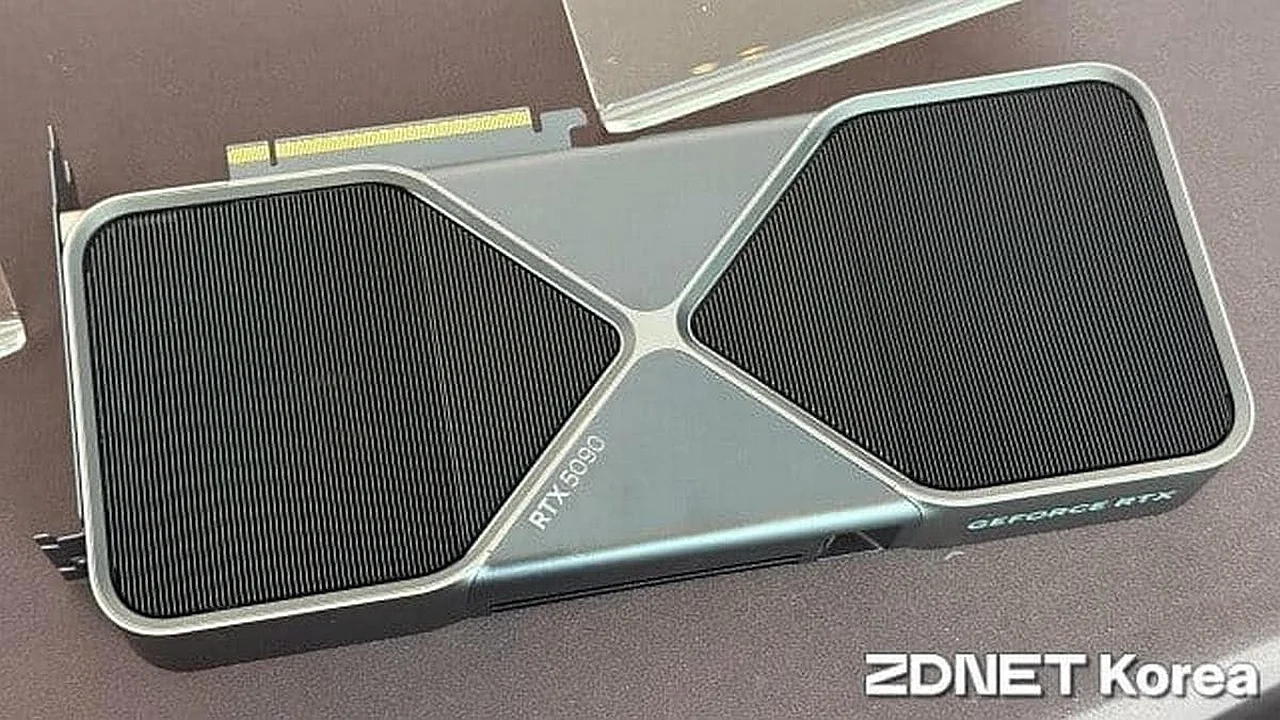
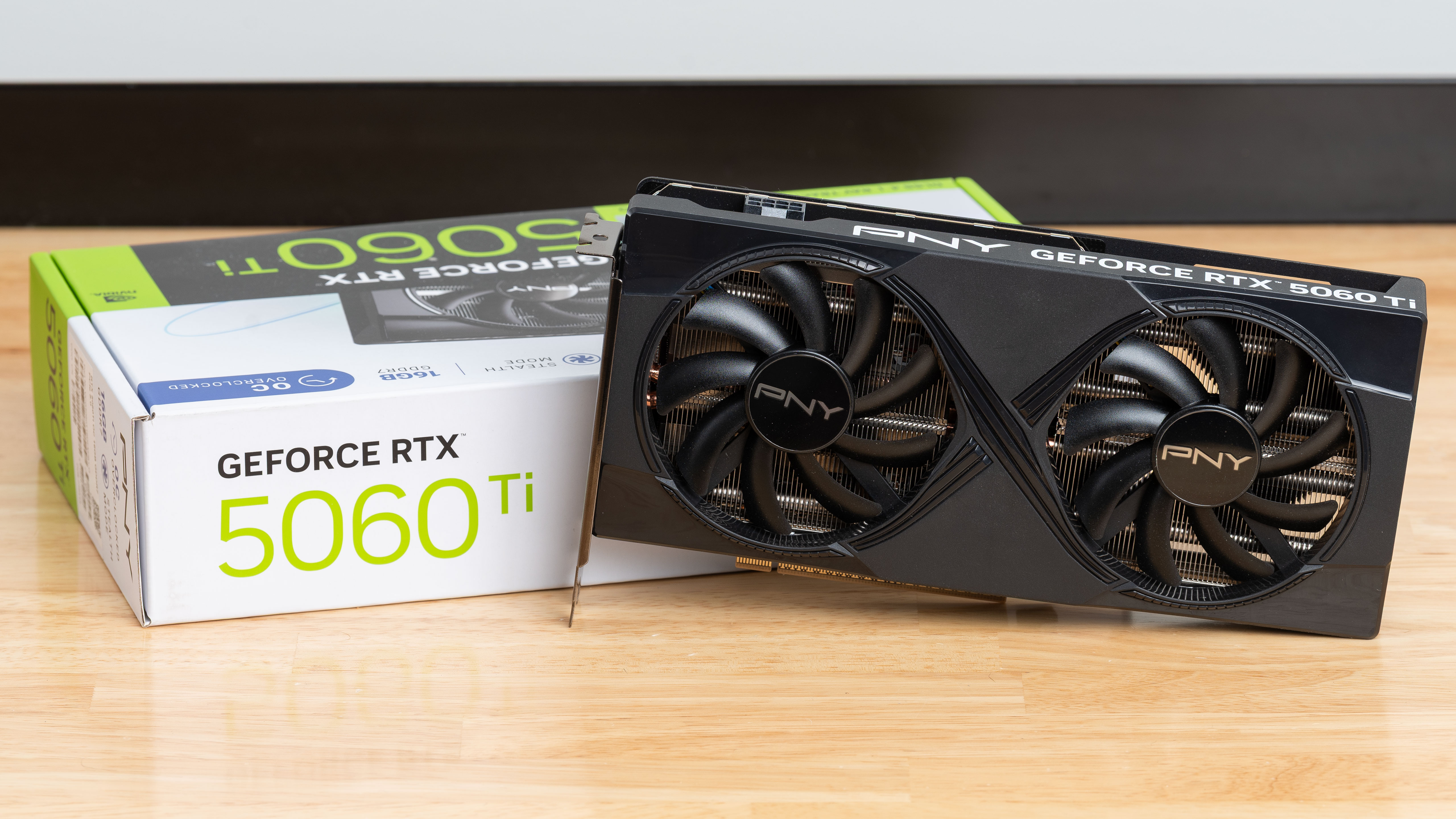
For electronics sellers on Amazon, eBay, and Shopify, this creates immediate margin compression and inventory strategy challenges. The price increases are already cascading through distribution channels: South Korea saw RTX 5090 prices jump $1,045 to $5,087 (30% increase), RTX 5070 rose $140 to $767, and RTX 5060 Ti climbed $49 to $488. North American sellers previously faced 20-22% MSRP increases on higher-end SKUs. Retailers cannot absorb these costs due to thin GPU margins (typically 5-8%), meaning price increases are inevitable for end consumers. This directly impacts gaming PC builders, streaming equipment sellers, and cryptocurrency mining equipment retailers who depend on GPU inventory.
The memory shortage extends beyond GPUs to console gaming, creating a secondary demand shock. Xbox Series X/S received price increases effective January 2025, Nintendo announced Switch 2 price hikes, and Sony increased PlayStation 5 pricing earlier in 2025. Industry analysts expect further console price increases if memory costs continue rising. For sellers in the gaming category, this signals sustained pricing pressure throughout 2025 and beyond. The coordinated price increases across NVIDIA and AMD—with AMD reportedly waiting for NVIDIA to move first—suggest industry-wide acknowledgment that supply constraints justify substantial cost pass-through. This sequential pricing strategy indicates manufacturers believe the shortage will persist, making it a structural market shift rather than a temporary spike.
Strategic implications for cross-border sellers: Sellers holding GPU inventory face immediate margin pressure and potential inventory obsolescence if they don't adjust pricing within 7-14 days. Sellers in gaming peripherals (cooling solutions, power supplies, monitor stands) should prepare for reduced demand as consumers delay PC builds due to higher component costs. Conversely, sellers of used/refurbished GPUs and gaming consoles may see increased demand as price-sensitive consumers turn to secondary markets. The memory supply constraint extends through 2028, making this a multi-year headwind for electronics categories.
Questions 8
Which product categories are most affected by the memory shortage?
Gaming GPUs (NVIDIA RTX 50 series, AMD alternatives) face immediate 20-30% price increases, but the impact cascades across gaming consoles (Xbox Series X/S, PlayStation 5, Nintendo Switch 2), PC components (power supplies, cooling solutions), and gaming peripherals. Console manufacturers have already raised prices in January-February 2025. The memory shortage extends through 2028, affecting any product requiring high-speed GDDR7 modules. Sellers in gaming PC builders, streaming equipment, and cryptocurrency mining categories face the most severe margin compression. Secondary market sellers (refurbished/used GPUs) may see increased demand as price-sensitive consumers delay new builds.
How much will GPU prices increase for sellers in 2025?
NVIDIA confirmed 20-30% price increases on GeForce RTX 50 series cards effective immediately, with AMD announcing minimum 10% increases. In South Korea, the RTX 5090 jumped $1,045 to $5,087 (30% increase), while the RTX 5070 rose $140 to $767. North American sellers previously faced 20-22% MSRP increases on higher-end SKUs. The primary driver is GDDR7 memory costs, which Samsung is raising 20% this month with further hikes expected through 2028. Retailers cannot absorb these costs due to thin GPU margins (5-8%), making price increases inevitable for end consumers. Sellers must adjust pricing within 7-14 days to maintain margins.