


Passkey Security Breach Threatens E-Commerce Account Takeovers | Seller Risk Alert
- Critical vulnerability affects eBay, Google accounts; sellers must implement 2FA immediately to prevent inventory/payment theft



/pcq/media/media_files/2026/08/04/new-google-passkey-attack-could-bypass-fingerprint-protection-on-infected-pcs-2026-08-04-09-45-04.png)


Overview
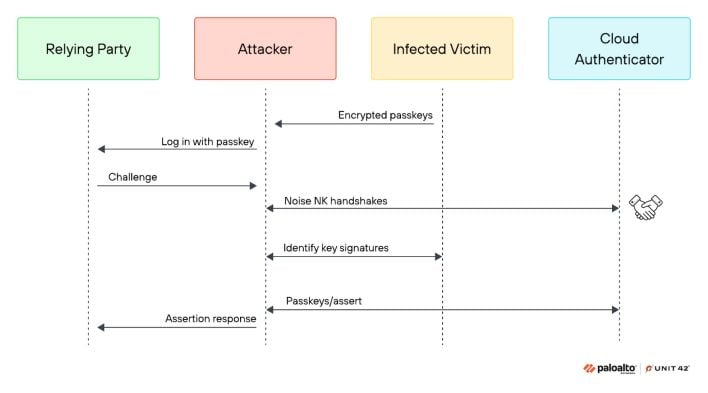
Cybersecurity researchers at Palo Alto Networks' Unit 42 have discovered three critical post-compromise attack vectors (Pass-TA-Key, Silver Pass-TA-Key, and Golden Pass-TA-Key) that enable local malware on Windows PCs to hijack Google-synced passkeys without user authentication. This vulnerability directly threatens e-commerce sellers who rely on Google Password Manager for account access across eBay, Amazon, Shopify, and payment platforms. eBay initially accepted unauthorized logins until patching the vulnerability, demonstrating real-world exploitation risk.
The immediate threat to sellers: The Golden Pass-TA-Key variant extracts the 32-byte Security Domain Secret (SDS)—the master encryption key for all synced passkeys—allowing attackers to decrypt, clone, and maintain indefinite access to seller accounts. Windows users managing multiple e-commerce accounts through Chrome Password Manager face the highest risk. Compromised seller accounts enable attackers to modify inventory listings, redirect payments, access customer data, and execute fraudulent transactions. The vulnerability affects sellers across all categories and regions, but particularly impacts those using Windows-based business systems without additional authentication layers.
Operational impact for sellers: Google has not implemented SDS rotation or revocation mechanisms, meaning stolen master secrets compromise both existing and future passkeys indefinitely. Sellers cannot rely on password changes alone—attackers maintain persistent access through cloned credentials. This creates a critical window where sellers must implement compensating controls immediately. The attack exploits implementation weaknesses in Chrome's credential management architecture, not cryptographic mathematics, meaning the vulnerability persists until Google redesigns its passkey synchronization system. For sellers managing 50+ product listings or processing $10K+ monthly revenue, account compromise can result in inventory manipulation, customer refund fraud, and platform suspension within hours.
Strategic implications: This vulnerability accelerates adoption of hardware security keys and multi-factor authentication (MFA) across e-commerce platforms. Sellers should expect platform-mandated security upgrades similar to GitHub's strict verification requirements. The incident reveals that passwordless authentication—marketed as more secure than passwords—introduces new attack surfaces when poorly implemented. Sellers relying on single-factor passkey authentication face significantly higher compromise risk than those using MFA with hardware keys or authenticator apps. This creates a competitive advantage for security-conscious sellers who implement defense-in-depth strategies now, before attackers scale exploitation.
Questions 7
How does the passkey vulnerability affect my eBay or Amazon seller account security?
The Golden Pass-TA-Key attack allows malware to extract your master encryption key (SDS) from Chrome, decrypt all synced passkeys, and maintain permanent access to your seller accounts without your knowledge. eBay initially accepted unauthorized logins from this attack until patching the vulnerability, demonstrating real-world exploitation. If your Windows PC is infected with malware, attackers can access your seller account, modify listings, redirect payments, and steal customer data. Google has not implemented SDS rotation or revocation, meaning even changing your password won't revoke attacker access. Implement hardware security keys or authenticator apps immediately as compensating controls.
What immediate actions should I take to protect my seller account from passkey hijacking?
First, enable multi-factor authentication (MFA) on all seller accounts using hardware security keys (YubiKey, Google Titan) or authenticator apps (Google Authenticator, Authy) instead of relying on passkeys alone. Second, stop syncing passkeys to Google Password Manager and use a local password manager (Bitwarden, 1Password) with MFA instead. Third, run a full malware scan on your Windows PC using Windows Defender or Malwarebytes to detect existing infections. Fourth, change all seller account passwords and review recent login activity in eBay Seller Hub and Amazon Seller Central for unauthorized access. Fifth, enable IP whitelisting or login alerts if your platform supports them. These steps should be completed within 7 days.