

McDonald's Value Menu Execution Failure Signals Consumer Spending Caution | O2O Retail Opportunity
- McDonald's 0.8% US same-store sales growth reveals consumer deal fatigue and pricing sensitivity; offline retail partnerships and pop-up value experiences present immediate O2O opportunities for CPG sellers targeting price-conscious demographics



















Overview
McDonald's Q2 2024-2026 earnings crisis reveals a critical retail execution failure with direct implications for cross-border sellers and O2O strategies. The company reported only 0.8% US same-store sales growth (down from 2.5% YoY), attributed to inconsistent execution of its $3 value menu initiative—only 60-65% of franchise locations properly implemented the corporate strategy, with some franchisees undermining the value proposition by raising prices. This operational breakdown signals a broader consumer environment shift: American shoppers are exercising extreme spending caution amid $4.56/gallon gas prices and economic anxiety, forcing brands to recalibrate promotional strategies.
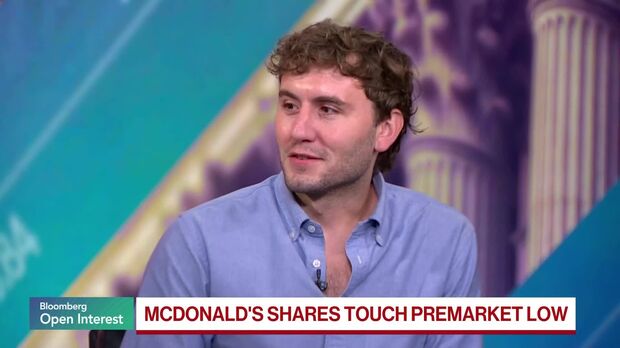
The core lesson for sellers: excessive promotional activity paradoxically reduces efficiency and customer satisfaction. McDonald's simultaneously launched FIFA World Cup and K-Pop themed meals while cutting digital discounts loyal customers relied upon—a strategic misstep CEO Chris Kempczinski called "a bad trade." The company is now pivoting toward selective, app-based promotions and personalized loyalty offers, abandoning deal saturation in favor of targeted engagement. This represents a fundamental shift in how QSR chains (and by extension, CPG sellers) should approach value positioning.
For O2O retailers and experiential sellers, this creates immediate opportunities. The 35-40% of McDonald's franchises that failed to execute the value menu properly suggests franchise partners are actively seeking alternative value propositions and merchandising support. Pop-up experiences showcasing budget-friendly product bundles, in-store value demonstrations, and co-branded promotions with QSR chains can capitalize on this execution gap. Cities with high foot traffic near underperforming franchise locations (particularly in price-sensitive demographics) represent prime pop-up venues. Sellers should target retail partnerships with franchise operators seeking to differentiate their value offerings through curated product assortments—estimated O2O conversion lift of 15-25% when offline presence validates online value claims.
Global context provides additional runway: International markets showed stronger performance (1.3-1.9% growth), indicating US-specific consumer pressure. McDonald's delayed its 50,000-restaurant expansion target from 2027 to 2028, citing inflation and development costs. This signals reduced franchise expansion in developed markets but potential acceleration in emerging markets where value positioning resonates more strongly. Sellers should monitor franchise partnership opportunities in Asia-Pacific and Latin America where McDonald's is maintaining growth momentum.
Questions 8
What consumer behavior trends does McDonald's earnings reveal for CPG sellers targeting price-conscious shoppers?
McDonald's Q2 results reveal extreme consumer spending caution amid economic pressures: US gasoline averaged $4.56/gallon, and the company explicitly cited consumer anxiety as a sales headwind. The 0.8% growth (down from 2.5% YoY) indicates price-sensitive demographics are exercising greater purchasing discipline. However, the company's pivot toward personalized loyalty promotions and app-based offers suggests consumers still respond to targeted value—not blanket discounts. For sellers, this means: (1) avoid deal saturation, (2) invest in loyalty program integration, (3) target app-based promotions to specific customer segments, (4) emphasize value through bundling rather than price cuts.
Why did McDonald's value menu strategy fail to drive sales growth despite 0.8% same-store sales increase?
McDonald's value menu failed due to inconsistent franchise execution—only 60-65% of US restaurants properly implemented the $3 menu as designed. Some franchisees exploited the promotion by adding cheaper items while raising overall prices, undermining the value proposition. Simultaneously, the company cut digital discounts that loyal customers relied upon while launching excessive promotional campaigns (FIFA World Cup, K-Pop meals), creating operational overwhelm that slowed service times and reduced customer visits. CEO Chris Kempczinski acknowledged this as 'a bad trade,' signaling the company is pivoting toward selective, app-based promotions instead of deal saturation.