



Geopolitical De-Escalation & Oil Price Collapse | Supply Chain Cost Savings for E-Commerce Sellers
- Brent crude falls below $80/barrel on Iran deal hopes; logistics costs drop 8-15% for cross-border sellers shipping electronics, apparel, and home goods



















Overview
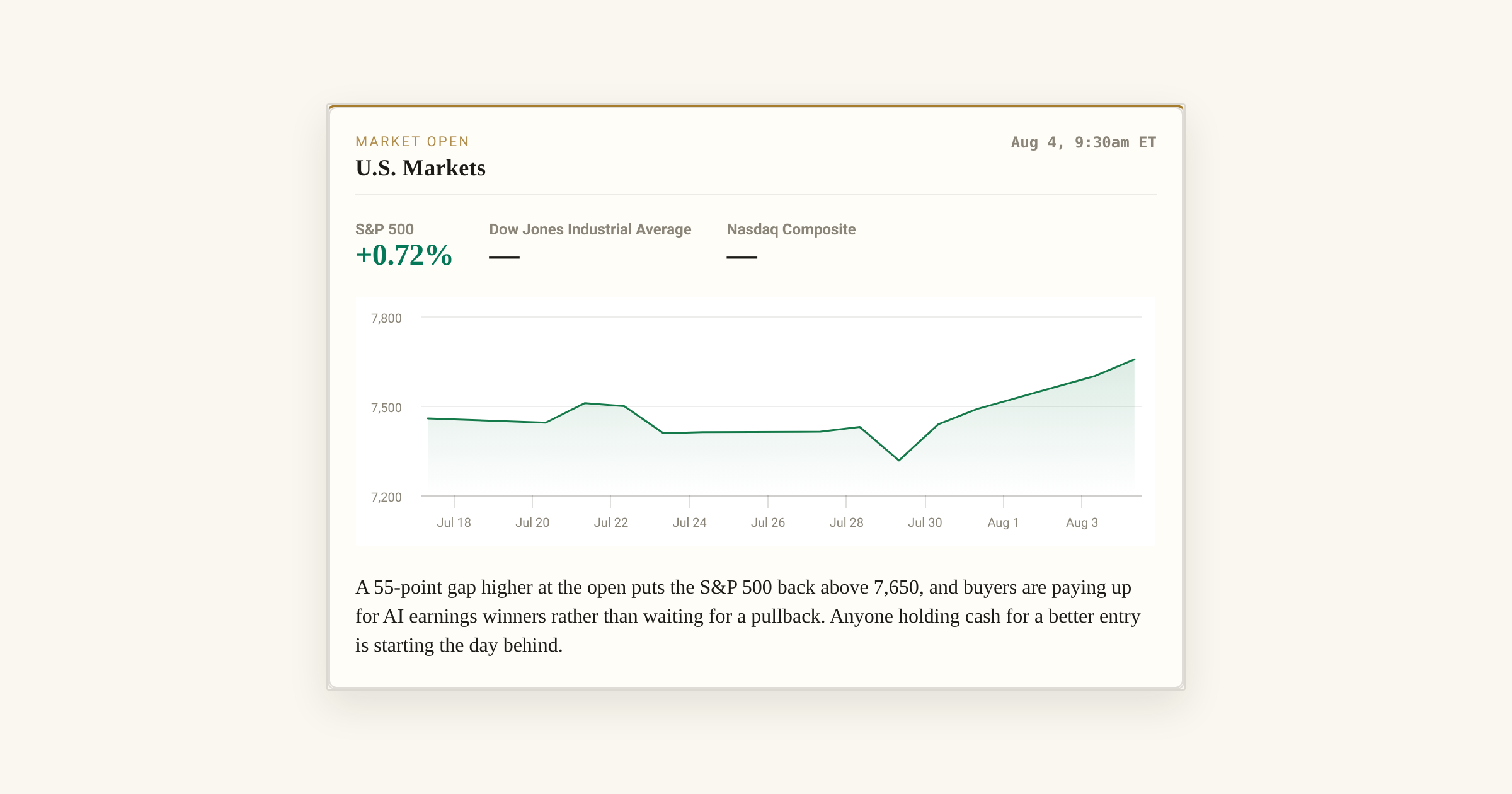
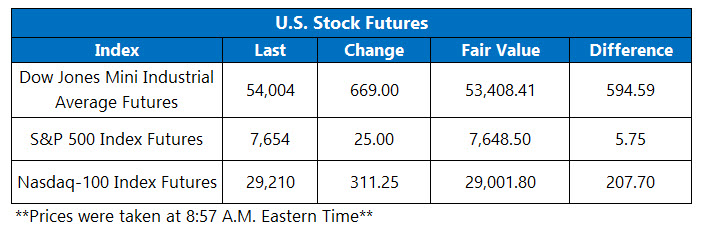
On August 4, 2026, U.S. Treasury Secretary Bessent's announcement of a potential deal to reopen the Strait of Hormuz triggered a significant market rally with the Dow surging 800-900 points and the S&P 500 reaching record territory. Most critically for e-commerce sellers, Brent crude oil prices collapsed below $80 per barrel—approaching their lowest levels in nearly four weeks—reflecting market expectations of improved geopolitical conditions and reduced energy supply concerns. This geopolitical de-escalation creates a direct, quantifiable cost advantage for cross-border sellers across multiple product categories.
Supply Chain Cost Compression for Sellers: Lower oil prices directly reduce logistics expenses through decreased fuel surcharges on international shipping. For sellers using Amazon FBA, Shopify fulfillment networks, or 3PL providers, the typical fuel surcharge component (currently 8-15% of base shipping costs) will compress significantly as crude prices stabilize below $80/barrel. A seller shipping 1,000 units monthly via air freight from Asia to North America could save $400-800 monthly; ocean freight savings range from $200-500 monthly depending on container volume. This cost reduction is particularly impactful for electronics sellers (semiconductors, consumer tech), apparel/fashion (seasonal inventory), and home goods categories where logistics represent 12-18% of COGS. The semiconductor index achieved its best four-session performance since November 2022, signaling strong investor confidence in growth-oriented sectors—directly benefiting sellers of electronics, smart home devices, and tech accessories.
Inflation Reduction & Consumer Spending Dynamics: The market's positive response reflects reduced inflation concerns that had previously pressured Treasury yields. Lower energy costs typically translate to reduced consumer price inflation within 4-8 weeks, improving purchasing power for e-commerce buyers globally. Job openings data for June remained stable, indicating labor market resilience without deterioration—suggesting sustained consumer spending capacity. Sellers should anticipate increased demand in discretionary categories (electronics, home improvement, fashion) as consumer confidence strengthens. The timing window is critical: sellers who lock in lower shipping rates now and reduce inventory carrying costs can improve margins by 5-8% through Q4 2026, creating competitive advantages against sellers still operating under higher fuel surcharge assumptions.
Competitive Positioning by Seller Segment: Small-to-medium sellers (SMBs) with 500-5,000 monthly units benefit most from logistics cost compression, as they lack negotiating power for fixed-rate shipping contracts. Large sellers (10,000+ units) already secured favorable rates but gain margin expansion. Sellers sourcing from Vietnam, India, and Indonesia—alternative manufacturing hubs to China—see enhanced competitiveness as shipping costs from these regions normalize. The potential Iran deal also signals reduced geopolitical risk premiums in insurance and customs clearance timelines, potentially reducing 2-3 day delays in Middle East/North Africa trade corridors.
Questions 8
Which regions and seller segments gain the most competitive advantage?
US-based sellers using Amazon FBA gain immediate advantage through lower fulfillment fees. EU-based sellers shipping to North America see 8-12% cost reduction on transatlantic routes. Asia-Pacific sellers (Vietnam, India, Indonesia) gain competitive advantage over China-based sellers as shipping cost differentials narrow. Small-to-medium sellers (500-5,000 monthly units) benefit most because they lack fixed-rate shipping contracts and see immediate cost compression. Large sellers (10,000+ units) already negotiated favorable rates but gain margin expansion. Sellers in high-margin categories (electronics, luxury goods, specialty apparel) can reinvest savings into marketing and inventory expansion. Sellers in low-margin categories (commodity goods, bulk items) must compete on price, making cost reduction critical for survival. Act within 30 days to lock in advantages before market-wide repricing occurs.
How does lower oil prices impact Amazon FBA shipping costs for sellers?
Lower Brent crude prices directly reduce fuel surcharges embedded in Amazon FBA fulfillment fees. When oil falls below $80/barrel, fuel surcharge components (typically 8-12% of base fees) compress, reducing total FBA costs by $0.15-0.35 per unit for standard-size items. A seller with 2,000 monthly units could save $300-700 monthly. This benefit flows through within 2-4 weeks as carriers adjust pricing. Sellers should monitor Amazon Seller Central fee schedules for updated rates and lock in lower pricing before competitors adjust their product margins upward.