



Trade Secret Protection & IP Enforcement | Critical Compliance Precedent for Tech Hardware Sellers
- Apple's preliminary injunction motion against OpenAI establishes enforcement standards for confidential product data; 13+ former employees implicated; precedent affects hardware supplier compliance requirements and product development documentation standards



































_updates.jpg)


Overview
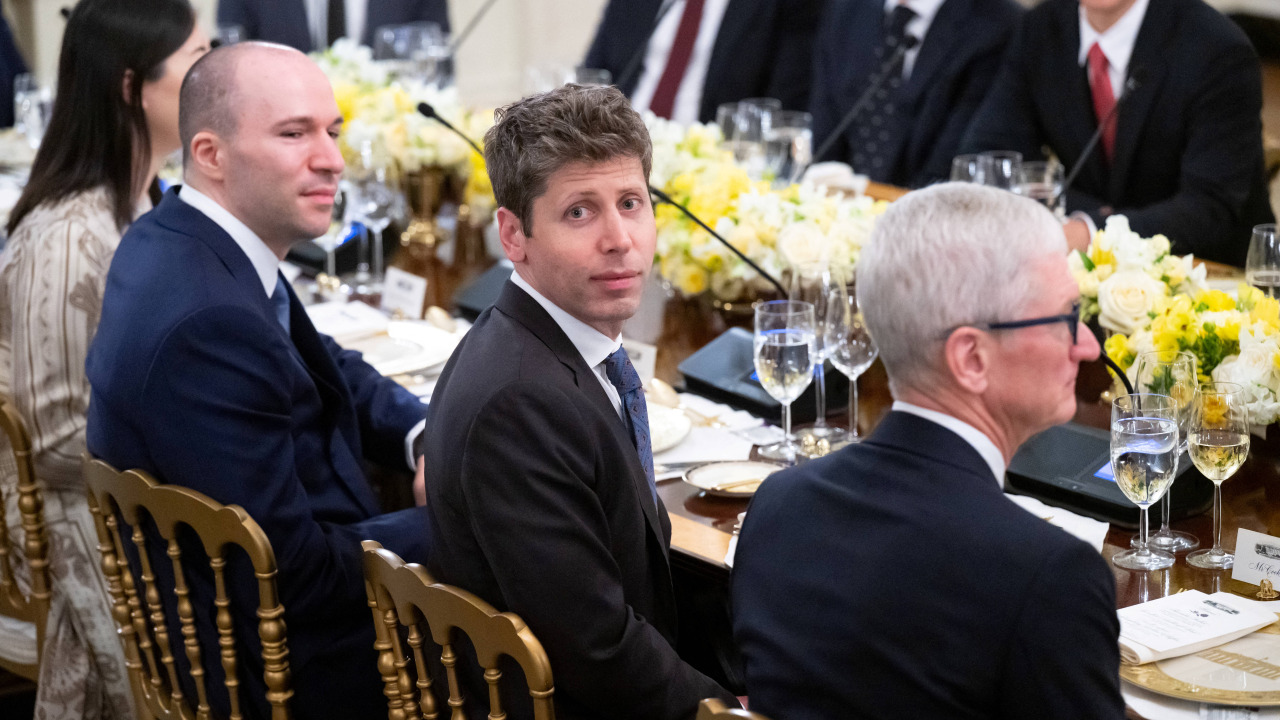
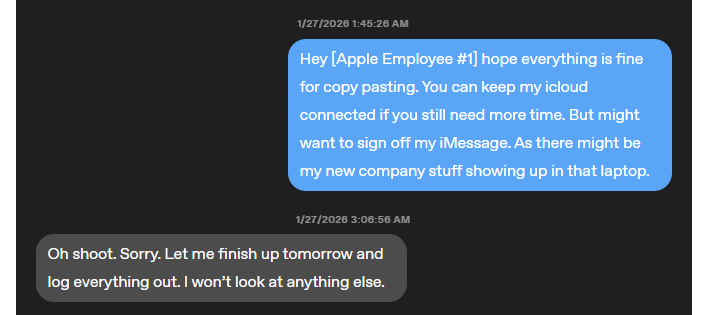
The Apple-OpenAI trade secrets lawsuit represents a watershed moment for intellectual property enforcement in the AI and hardware sectors, with direct implications for cross-border sellers of electronics, smart devices, and tech accessories. Apple filed a motion for preliminary injunction in federal court alleging that OpenAI systematically obtained confidential information about unreleased products through 13+ former Apple employees (Chang Liu, Tang Yew Tan, Yu-Ting Peng, and 10 others unnamed). The filing reveals that one employee took screenshots of confidential Apple documents before interviewing at OpenAI, while another discussed unreleased product specifications with OpenAI staff. Apple seeks to prevent OpenAI from accessing, using, or disclosing proprietary information and has requested expedited discovery and depositions. OpenAI countered with documented evidence showing Apple's own staff contacted departing employees requesting technical assistance, arguing Apple's security procedures were inadequate. The lawsuit centers on hardware specifications, supplier information, and authentication protocols—categories of data that directly impact product development timelines and competitive advantage.
For electronics and hardware sellers, this case establishes critical compliance precedents around employee offboarding, data access controls, and documentation standards. The lawsuit reveals that Apple's investigation identified employees who retained unintended file access after departure, suggesting that courts will scrutinize companies' technical controls over confidential information. Sellers manufacturing smart home devices, wearables, or consumer electronics must now demonstrate robust access revocation procedures, encrypted storage for unreleased product specs, and documented protocols for departing employee device returns. The case also highlights supplier information as a protected trade secret—meaning sellers who source from multiple manufacturers must implement strict confidentiality agreements and access controls. OpenAI's acceptance of three of Apple's five settlement conditions (halting future access, ceasing ongoing use, retaining evidence) but rejection of forensic examination rights signals that courts may compel broader discovery in future cases. This creates a compliance burden: sellers must maintain audit trails proving they didn't access confidential information, not just that they didn't use it.
The precedent directly impacts hardware product development timelines and cross-border supply chain documentation. If Apple's injunction is granted, it would prevent OpenAI from developing products using Apple's trade secrets throughout litigation—potentially 2-4 years. For sellers, this means: (1) Stricter requirements for documenting independent development of similar products; (2) Higher compliance costs for employee training on confidentiality obligations; (3) Increased liability exposure if departing employees join competitors and similar products launch within 12-24 months. The lawsuit also reveals that Apple considers supplier contact information and manufacturing specifications as trade secrets worthy of injunction protection. Cross-border sellers sourcing from Asian manufacturers must now implement confidentiality protocols equivalent to Apple's standards or face similar litigation. The case establishes that "inadequate security procedures" is not a defense—companies must affirmatively prove they implemented reasonable controls. For sellers in electronics, smart devices, and IoT categories, this means investing in employee offboarding software, encrypted document management, and access logs that can withstand judicial scrutiny.
Questions 8
What precedent does the Apple-OpenAI case set for AI-powered product development and competitive intelligence?
The case establishes that using AI systems to analyze or synthesize confidential information obtained through departing employees constitutes trade secret misappropriation, even if the AI system itself is independent. This affects sellers using AI for product development, competitive analysis, or supply chain optimization. Courts will scrutinize whether AI training data includes confidential information from competitors or former employers. For sellers, this means: (1) Documenting that AI training datasets do not include proprietary information from competitors; (2) Implementing data governance policies restricting what information employees can input into AI systems; (3) Avoiding hiring employees specifically to gain access to competitor information for AI training. The case also reveals that courts view 'coordinated campaigns' to recruit employees as evidence of intentional misappropriation, so sellers should avoid explicitly recruiting competitors' employees for their technical knowledge of unreleased products. This precedent will likely expand to other AI companies and hardware manufacturers, making trade secret protection a competitive moat for companies with strong compliance programs.
What immediate actions should sellers take in response to this lawsuit?
Sellers should immediately: (1) audit supplier agreements for IP assignment and non-disclosure clauses, ensuring they're enforceable and comprehensive; (2) document which product specifications, manufacturing processes, and supplier relationships qualify as confidential information; (3) implement formal offboarding checklists that include system access revocation, file transfer monitoring, and work device return procedures; (4) establish audit trails for product development decisions to defend against future IP theft allegations; (5) require suppliers to certify that their products don't incorporate misappropriated technology; (6) review employee IP agreements to ensure all product development work is assigned to the company. These actions should be completed within 30 days. Sellers should also monitor the lawsuit's outcome—if Apple wins the preliminary injunction, it will establish stronger precedent for IP protection and increase litigation risk for sellers sourcing from suppliers with weak IP compliance programs.