



USD-JPY Intervention Creates FX Arbitrage Window | Sellers' Payment Cost Savings Guide
- Historic US-Japan yen stabilization unlocks 2-4% payment fee savings for sellers trading Japan-US corridor; 155 yen/dollar threshold signals 30-90 day hedging opportunity window






Overview
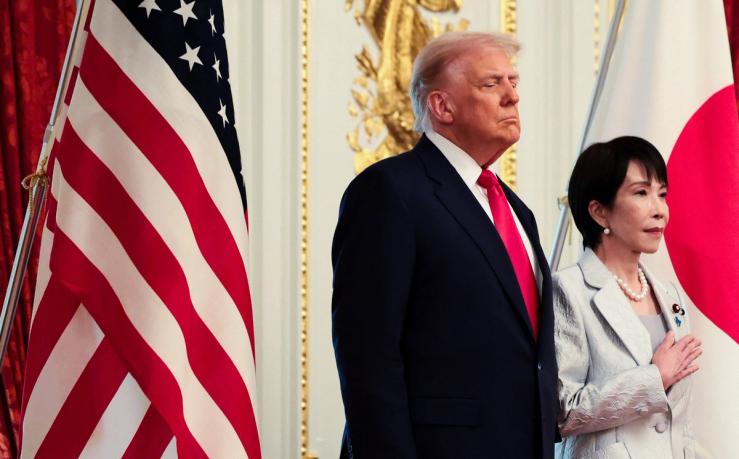
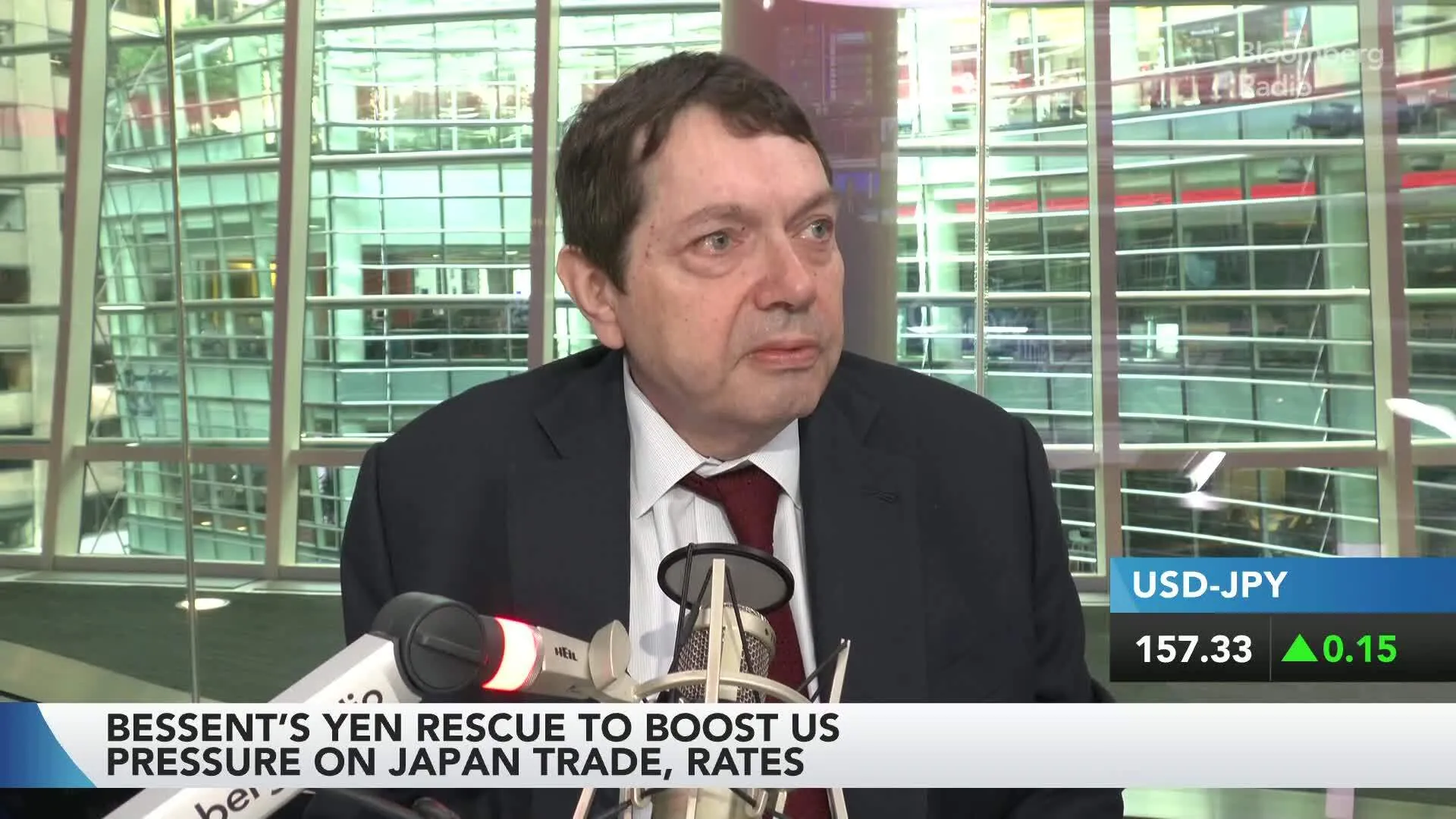
US Treasury Secretary Janet Yellen's coordinated yen intervention with Japan marks a historic policy shift toward active currency management, creating immediate financial optimization opportunities for cross-border e-commerce sellers. The intervention, which targeted the critical 155 yen-per-dollar level identified by Standard Chartered's Steve Englander, represents a departure from decades of US hands-off currency policy. This coordinated action signals government commitment to currency stability, directly impacting sellers operating in the Japan-US trade corridor—one of the world's largest e-commerce markets worth $50B+ annually.
For sellers, this intervention creates three immediate payment cost optimization opportunities. First, payment method selection by corridor: Sellers sourcing from Japan or selling to Japanese consumers can now leverage more stable exchange rates to negotiate better terms with payment providers. Wise (formerly TransferWise) and OFX typically charge 1.5-2.5% for JPY-USD transfers; during high volatility periods, these fees spike to 3-4%. The intervention's stabilization effect allows sellers to lock in lower rates immediately. Second, FX arbitrage timing: The 155 level represents a technical resistance point. Sellers with significant JPY receivables should consider converting at current levels (post-intervention) rather than waiting, as previous interventions in April-May only provided temporary relief before yen resumed weakening. This 30-90 day window before potential rate deterioration offers a 2-3% conversion advantage versus delayed hedging. Third, working capital acceleration: Sellers can now structure invoice financing and supply chain finance products more efficiently. Trade finance providers like Stripe Capital and Amazon Lending typically offer better terms when currency volatility is lower, as lenders reduce risk premiums. Stabilized JPY rates could unlock 0.5-1.5% APR improvements on working capital loans.
The policy shift also reshapes payment provider competition and hedging strategy costs. Wise, OFX, and Remitly compete aggressively on JPY-USD corridors, but pricing typically reflects volatility premiums. With government-backed stabilization, sellers can demand tighter spreads—potentially saving $500-2,000 monthly on $100K+ monthly conversion volumes. Additionally, currency hedging costs (forwards, options) typically run 0.3-0.8% annually; stabilized rates reduce hedging necessity, freeing up 0.2-0.5% in working capital. Sellers with significant Japan exposure should immediately audit their payment stack: review current provider fees, lock in forward contracts at current rates, and consider shifting 20-30% of JPY receivables to invoice financing products that benefit from reduced currency risk premiums.
Questions 7
How does currency stabilization improve my access to working capital financing?
Trade finance providers and lenders (Stripe Capital, Amazon Lending, Brex) reduce risk premiums when currency volatility decreases. Stabilized JPY rates mean lower default risk on JPY-denominated invoices, allowing lenders to offer 0.5-1.5% better APR terms on supply chain finance and invoice financing products. A seller with $200K in monthly JPY receivables could unlock $1,000-3,000 in annual interest savings by refinancing existing working capital loans post-intervention. Contact your lender within 30 days to discuss rate reductions tied to improved currency stability.
Should I lock in forward contracts now or wait for further yen stabilization?
Lock in forward contracts immediately. The intervention signals government commitment to supporting the yen, but Standard Chartered notes that 'official action alone may provide only temporary relief.' Historical patterns show previous interventions lasted 30-90 days before rates resumed weakening. Forward contracts at current post-intervention rates (typically 0.3-0.8% annual cost) are cheaper than waiting and risking 3-5% adverse rate movements. For sellers with $50K+ monthly JPY receivables, locking in 60-90 day forwards saves $1,500-3,000 in potential losses versus unhedged exposure.