




Trump's 10-12.5% Tariffs on 60 Nations | Critical Cost Impact for US-Bound Sellers
- Tariffs cover 99.4% of US imports; 25 states challenge policy; immediate supply chain cost increases of 8-15% for cross-border sellers










Overview
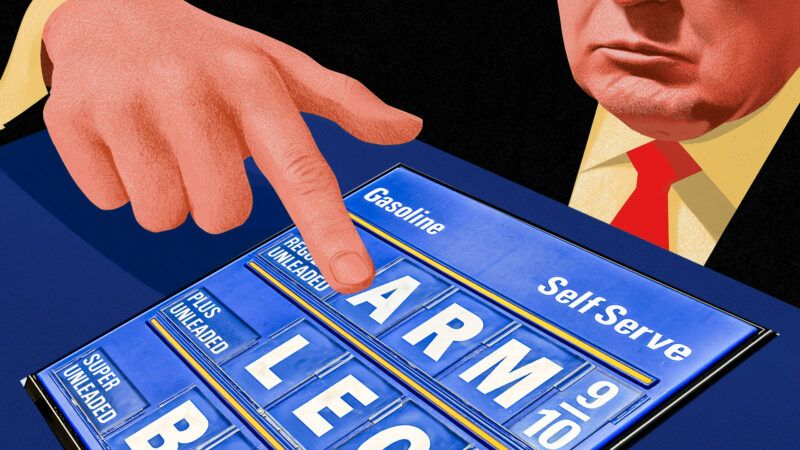
The Trump administration's newly imposed tariffs of 10-12.5% on goods from 60 trading partners represent the most significant trade policy shock for cross-border e-commerce sellers since 2018. According to the news reports, tariffs affecting 59 countries and the European Union cover 99.4% of total US imports—a near-comprehensive trade barrier that 25 US states are actively challenging in court. This policy creates immediate cost pressures across virtually all product categories imported into the United States, with particular impact on sellers sourcing from China, Vietnam, India, and Southeast Asia.
For cross-border sellers, the tariff structure creates a critical margin compression scenario. Sellers importing electronics (HS codes 8471-8517), apparel (HS 6201-6217), home goods (HS 9401-9406), and consumer products face direct cost increases of 10-12.5% on landed goods prices. A seller importing $100,000 monthly in inventory now absorbs $10,000-12,500 in additional tariff costs—translating to 2-4% margin compression on products with typical 15-25% gross margins. The policy's breadth means sellers cannot easily pivot sourcing countries; alternative suppliers in non-tariffed nations (few exist) command premium pricing of 5-8%, partially offsetting tariff savings. The immediate window for action is 30-60 days, before tariff costs force price increases that risk Buy Box loss and conversion rate decline on Amazon, eBay, and Shopify.
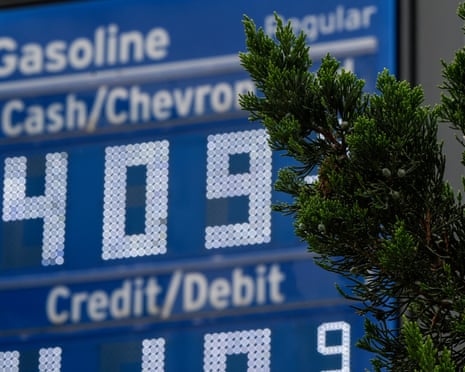
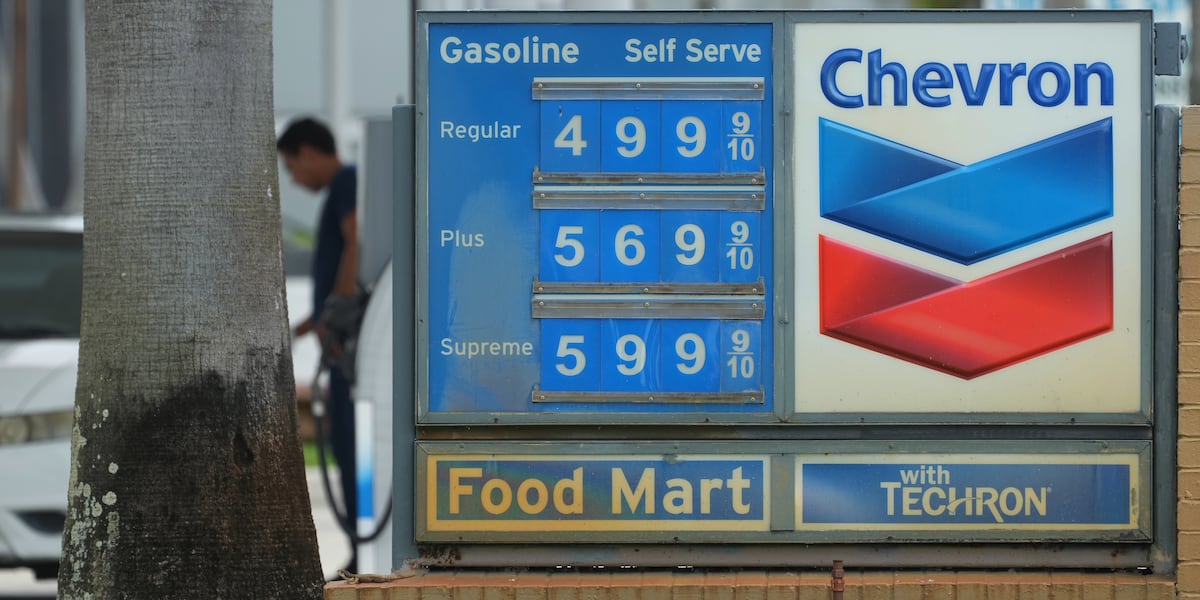
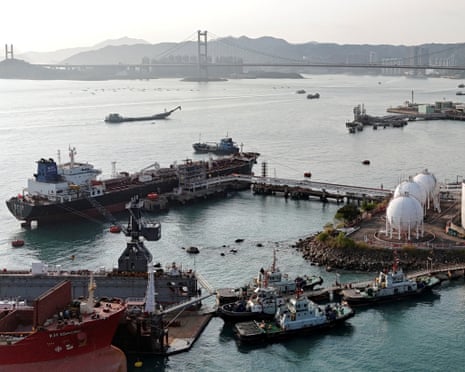
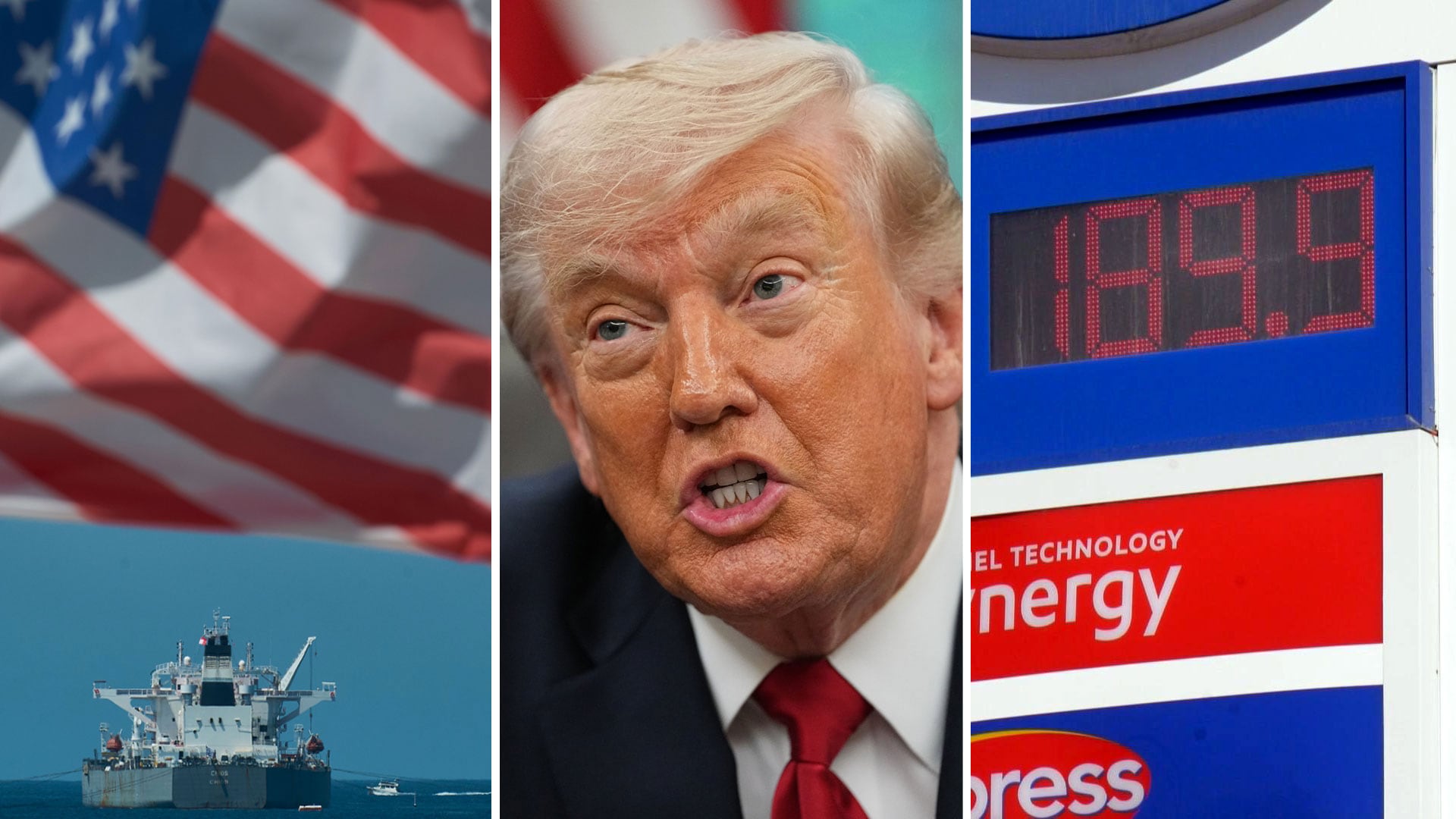
Concurrent geopolitical factors amplify supply chain vulnerability. The US-Iran conflict has driven oil prices from under $70 to over $100 per barrel (now moderating to ~$80), increasing shipping costs 15-25% for ocean freight and 8-12% for air cargo. The Houthi blockade at Bab al-Mandeb strait forces Red Sea rerouting, adding 10-14 days to Asia-US transit times and increasing logistics costs by $200-400 per 40ft container. Combined with tariffs, total landed cost increases reach 18-27% for Asia-sourced goods—a margin-destroying scenario for sellers operating on 20-30% gross margins. Consumer spending pressure is equally critical: the 37% increase in US gas prices since the Iran conflict began signals consumer affordability stress, reducing discretionary spending on non-essential categories (apparel, home décor, electronics accessories) by 8-15% historically during energy price spikes.
Strategic sourcing shifts are now economically viable. Sellers should evaluate Mexico (USMCA-exempt tariffs), Canada, and Central American suppliers where tariff rates are 0-2.5%. While unit costs may be 3-5% higher than China, total landed costs become competitive after tariff inclusion. Vietnam and India remain viable for tariff-sensitive categories if suppliers absorb 2-3% cost increases. Immediate actions include: (1) Audit inventory by tariff classification (HS codes) within 15 days to quantify exposure; (2) Negotiate supplier cost reductions of 3-5% by January 2025 deadline; (3) Evaluate 3PL providers offering Mexico/Canada fulfillment to bypass tariffs on US-bound inventory; (4) Model price increase scenarios (5-8% retail price increases) and monitor competitor pricing to avoid Buy Box loss. Risk mitigation requires monitoring court challenges to the tariff policy—if 25-state lawsuit succeeds, tariffs could be suspended or modified within 60-90 days, creating inventory timing risks for sellers who over-source from alternative suppliers.
Questions 8
Which product categories face the highest tariff exposure under Trump's policy?
Electronics (HS 8471-8517: computers, phones, accessories), apparel (HS 6201-6217: clothing, footwear), home goods (HS 9401-9406: furniture, décor), and consumer products face 10-12.5% tariffs covering 99.4% of US imports. Categories with thin margins (5-10%) like basic apparel and home décor are most vulnerable to margin compression. Conversely, luxury goods and branded electronics with 40-50% margins can absorb tariffs more easily. Sellers should prioritize tariff mitigation for margin-sensitive categories first, then evaluate price increases for premium segments.
How much will Trump's 10-12.5% tariffs increase my landed costs on Amazon FBA?
For a seller importing $100,000 monthly in inventory from China or Vietnam, tariffs add $10,000-12,500 in direct costs—equivalent to 2-4% margin compression on products with 15-25% gross margins. Combined with Red Sea shipping delays (adding $200-400 per container) and elevated fuel surcharges (8-12% increase), total landed cost increases reach 15-20% for Asia-sourced goods. A $50 product with $30 landed cost now costs $34.50-36, forcing retail price increases of 8-12% to maintain margins. Sellers must model these increases against competitor pricing within 30 days to avoid Buy Box loss.