

AI Data Sovereignty Crisis | Enterprise Sellers Must Protect IP from OpenAI/Anthropic
- Palantir's $1.9B Q2 revenue validates data-control model; sellers face 15-30% margin compression from AI token costs while competitors train on their proprietary data

















Overview
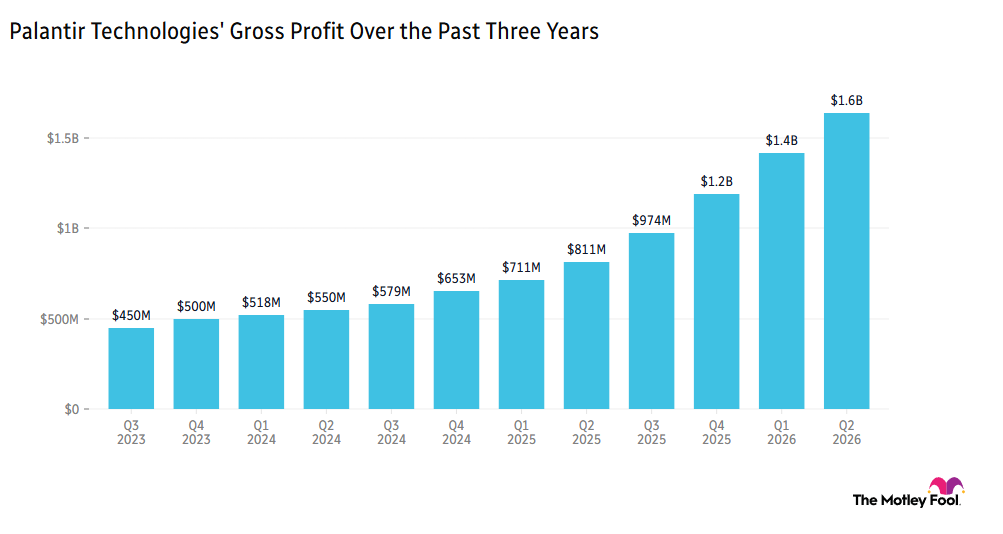
The AI industry's data extraction model poses an existential threat to enterprise e-commerce sellers. Palantir Technologies' exceptional Q2 2024 performance—$1.9 billion in revenue (93% YoY growth) and $1.1 billion in profit—demonstrates strong market validation for a critical business principle: data sovereignty and competitive protection. CEO Alex Karp's critique of OpenAI and Anthropic reveals a structural problem affecting all sellers using AI tools: these frontier labs charge enterprises for token usage while simultaneously training proprietary models on customer data, prompts, and operational knowledge—effectively converting enterprise partners into unwilling data suppliers for competing products.
The immediate threat to sellers is two-fold: cost compression and competitive erosion. When sellers integrate ChatGPT, Claude, or similar tools into product research, pricing optimization, customer service automation, and inventory management, they're simultaneously funding the development of AI-powered competitors in design, healthcare, legal services, and increasingly, e-commerce categories. Microsoft CEO Satya Nadella's parallel concerns about AI labs launching competing products in sectors where enterprise customers operate validates this risk. For sellers using AI for product selection and pricing, this means: (1) monthly token costs of $500-2,000 for mid-sized operations, representing 8-15% margin compression in categories with 15-20% baseline margins; (2) proprietary sourcing strategies, supplier relationships, and pricing algorithms being absorbed into OpenAI's training data, accessible to competitors; (3) loss of competitive moats that previously lasted 6-12 months—now compressed to 2-4 weeks as AI models democratize insights.
Palantir's model-agnostic alternative and data-control positioning directly addresses seller needs. The company's 93% growth validates that enterprises increasingly demand AI tools that maintain data sovereignty—meaning sellers retain ownership of their product databases, customer behavior patterns, pricing strategies, and operational workflows. For cross-border sellers specifically, this translates to: protecting supplier relationships and sourcing networks from exposure to competitors; maintaining proprietary category insights that drive Buy Box positioning; securing customer data against unauthorized training on competitor platforms. The market is signaling a clear preference: sellers will pay premium prices for AI tools that guarantee data isolation and competitive protection over cheaper, data-extractive alternatives.
The strategic implication for sellers is immediate portfolio diversification away from frontier AI labs. Rather than consolidating AI operations through OpenAI/Anthropic APIs, sellers should evaluate: (1) closed-loop AI platforms (Palantir, specialized e-commerce AI tools) that guarantee data non-training; (2) on-premise or private cloud AI models that eliminate third-party data exposure; (3) category-specific AI tools (Amazon Advertising AI, Shopify Magic) that operate within platform ecosystems with contractual data protections. The time horizon is urgent: sellers currently using ChatGPT for competitive analysis are already leaking proprietary insights into training datasets, with competitive disadvantage materializing within 30-60 days as model updates incorporate their data.
Questions 8
How does OpenAI's token pricing model threaten seller margins and competitive advantage?
OpenAI charges enterprises per token usage while simultaneously training proprietary models on customer data and prompts—creating a dual cost structure. For mid-sized sellers using ChatGPT for product research, pricing optimization, and customer service automation, monthly token costs typically range from $500-2,000, representing 8-15% margin compression in categories with 15-20% baseline margins. More critically, proprietary sourcing strategies, supplier relationships, and pricing algorithms entered into ChatGPT are absorbed into training datasets, accessible to competitors within 30-60 days of model updates. Palantir's Q2 2024 results ($1.9B revenue, 93% YoY growth) validate that sellers increasingly demand AI tools guaranteeing data isolation—indicating the market recognizes this dual-cost threat as unsustainable.
How much will switching to data-sovereign AI platforms cost sellers compared to OpenAI?
OpenAI's token pricing averages $0.50-2.00 per 1,000 tokens, translating to $500-2,000 monthly for mid-sized sellers using AI for product research, pricing, and customer service. Data-sovereign alternatives (Palantir, specialized e-commerce AI tools) typically cost 2-4x more—$1,000-8,000 monthly depending on data volume and feature complexity. However, the ROI calculation includes: (1) preserved competitive advantage worth 6-12 months of margin protection (estimated $50K-200K for mid-sized sellers); (2) avoided margin compression from token costs (8-15% savings); (3) protected supplier relationships and sourcing networks. For sellers in high-margin categories (20%+ margins), the premium for data sovereignty breaks even within 3-6 months. Palantir's exceptional Q2 results demonstrate enterprises are making this investment now—sellers delaying face competitive disadvantage as proprietary data becomes commoditized.