
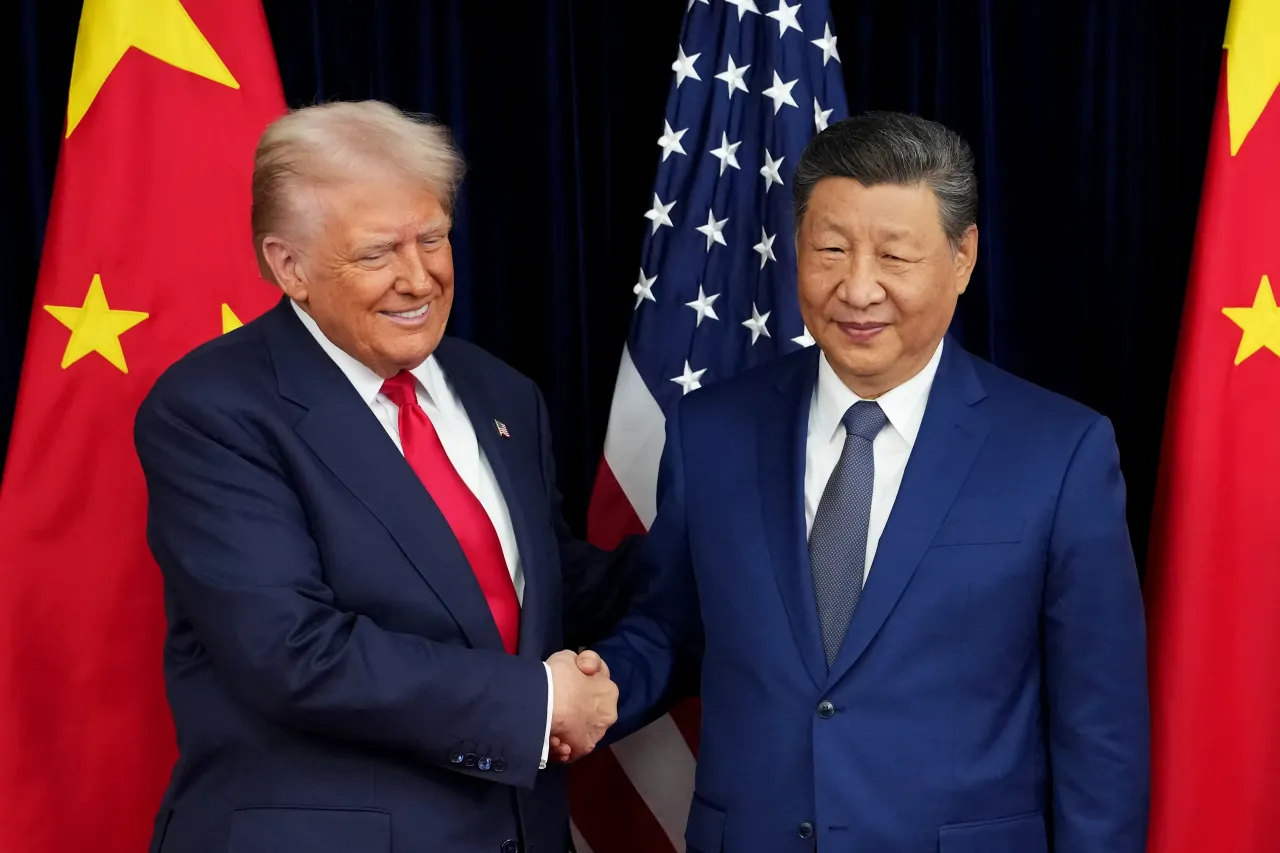


US China Tech Ban 2026 | Data Center & AI Infrastructure Tariff Shift
- FCC drafting optical transceiver ban targeting Zhongji Innolight's 27% market share; $12B annual cost impact on US businesses; implementation timeline 2026 creates immediate sourcing strategy window for cross-border sellers

























Overview
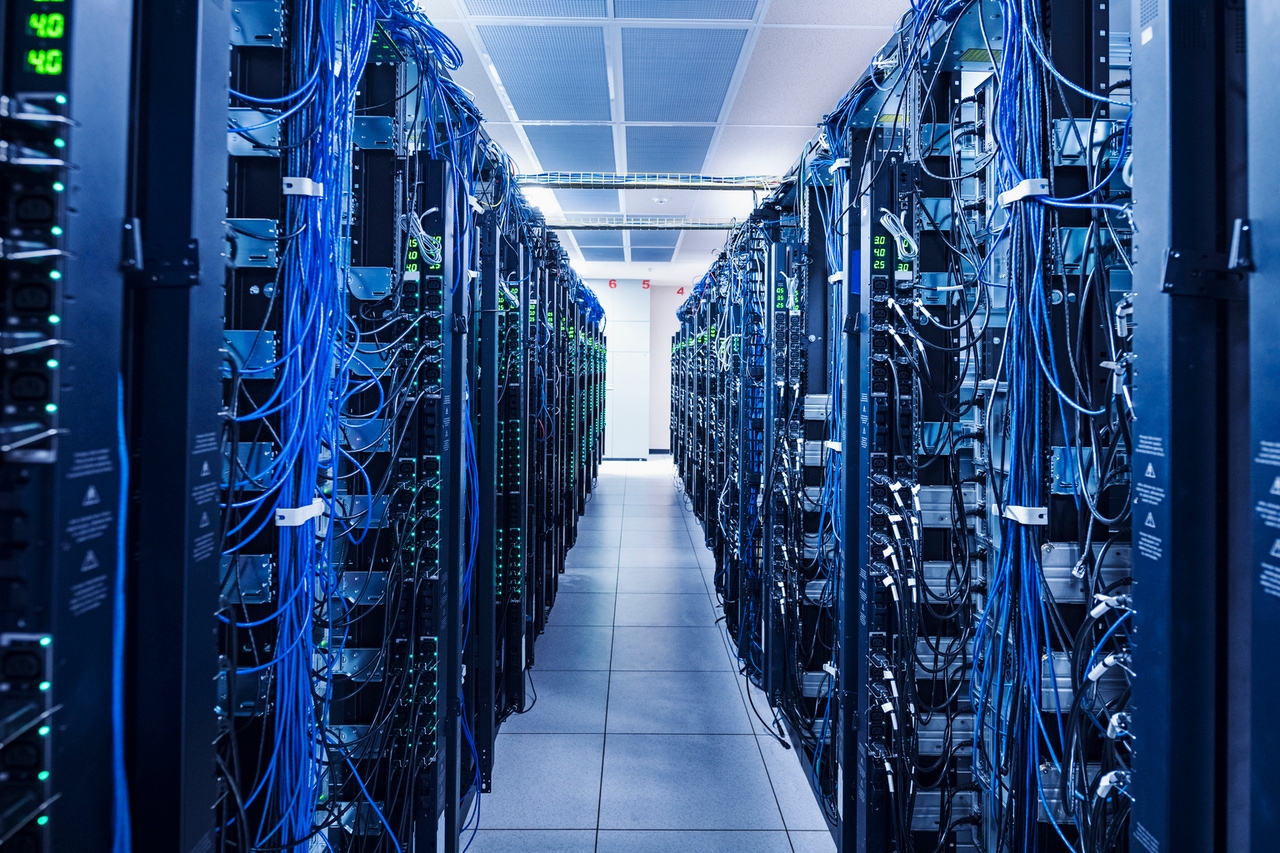
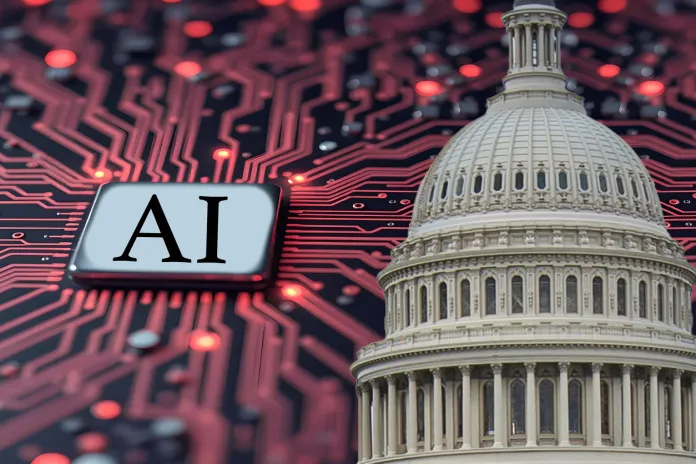
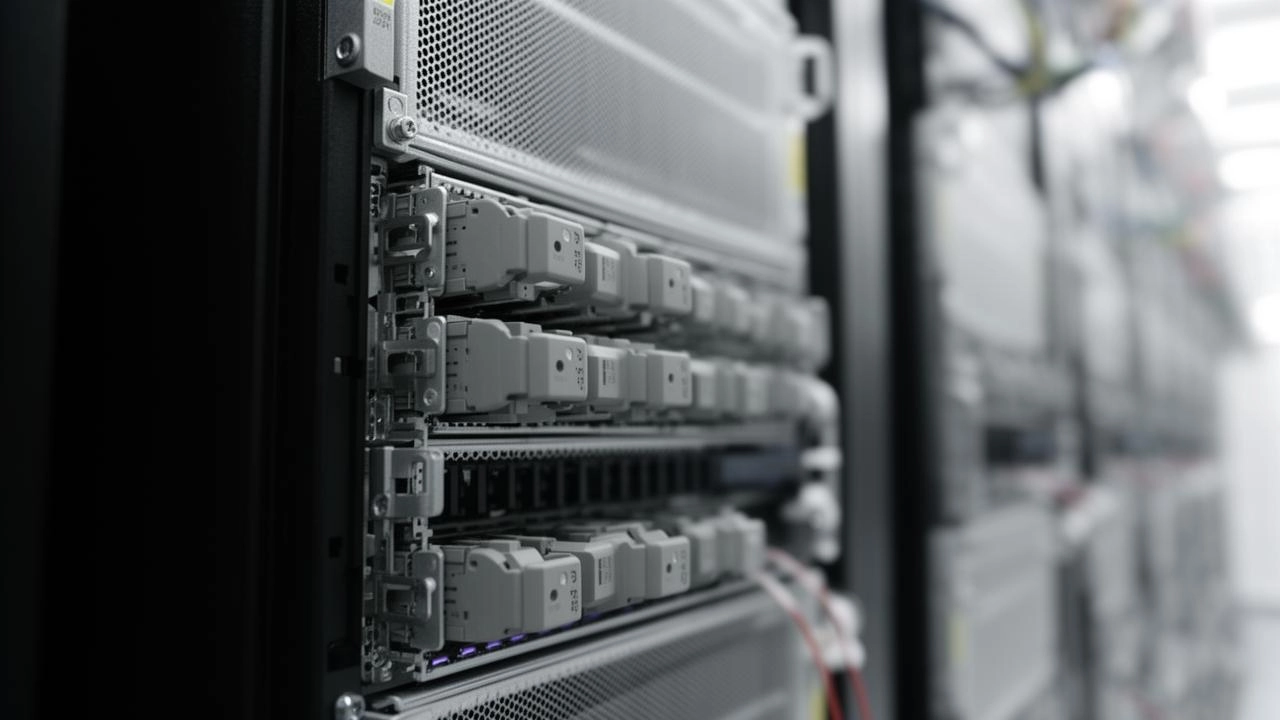
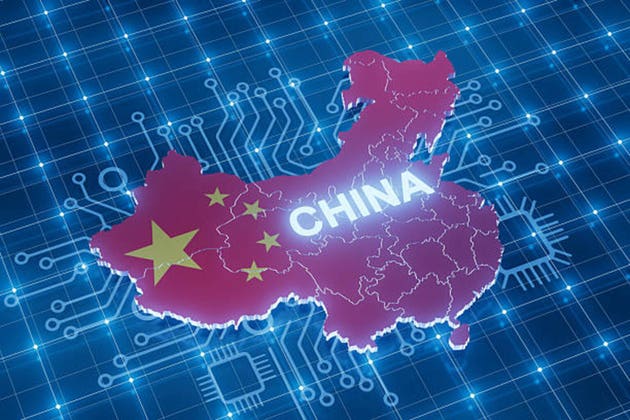
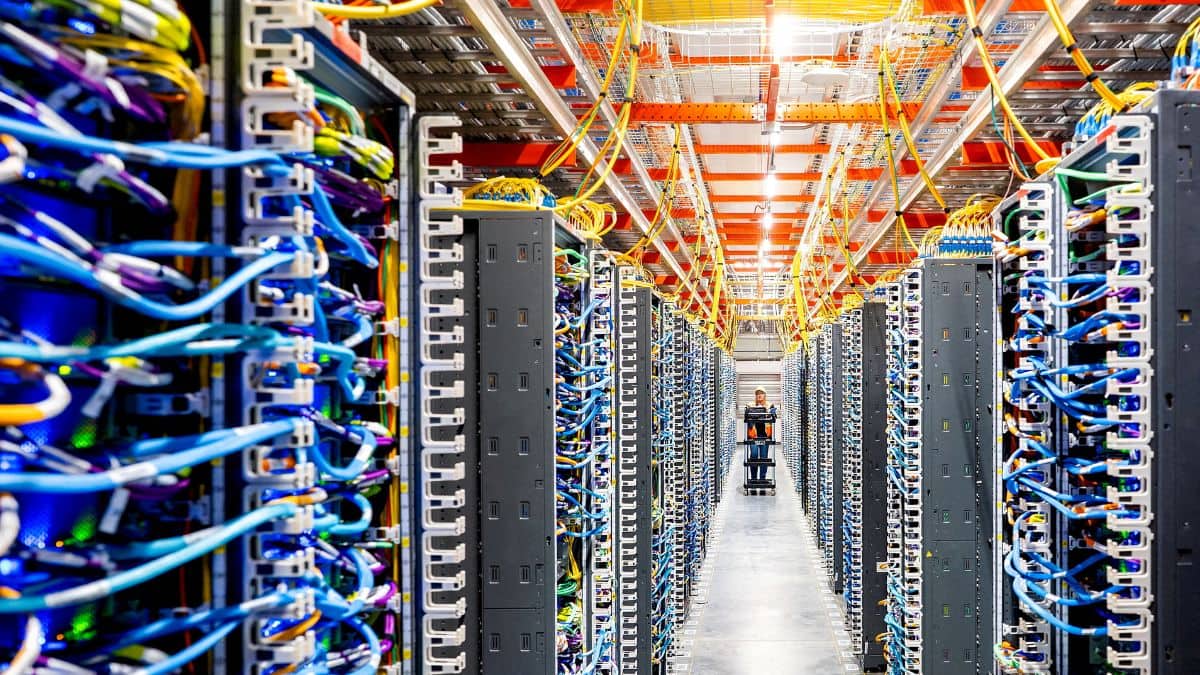
The Trump administration is executing a comprehensive technology decoupling strategy targeting Chinese components in critical US infrastructure, with immediate implications for cross-border e-commerce sellers. The Federal Communications Commission is drafting a ban on Chinese optical transceivers (data center components enabling fiber-optic transmission), specifically targeting Zhongji Innolight which controls 27% of the global market. Simultaneously, policymakers are deliberating restrictions on Chinese AI models, with industry estimates projecting $12 billion in annual economic losses for US businesses. These policy moves represent the latest in a series of FCC restrictions on Chinese technology—following July 2026 bans on humanoid robots and ongoing scrutiny of open-source AI models.
For cross-border sellers, this creates a critical three-phase opportunity window. First, the tariff arbitrage phase: sellers sourcing semiconductor-dependent products (networking equipment, IoT devices, smart home systems, industrial automation components) currently benefit from Chinese component pricing. The ban's 2026 implementation timeline creates 6-12 months to lock in Chinese-sourced inventory before tariff walls activate. Second, the supply chain transition phase: US-based alternatives like Coherent and Lumentum lack Innolight's manufacturing scale, creating 18-24 month supply constraints and pricing premiums (estimated 15-25% cost increases). Sellers can capitalize by pre-positioning inventory or securing long-term supplier contracts before prices spike. Third, the market consolidation phase: as AWS and other cloud providers transition to US-based components, infrastructure spending will shift, affecting demand for related products sold on Amazon, eBay, and Shopify.
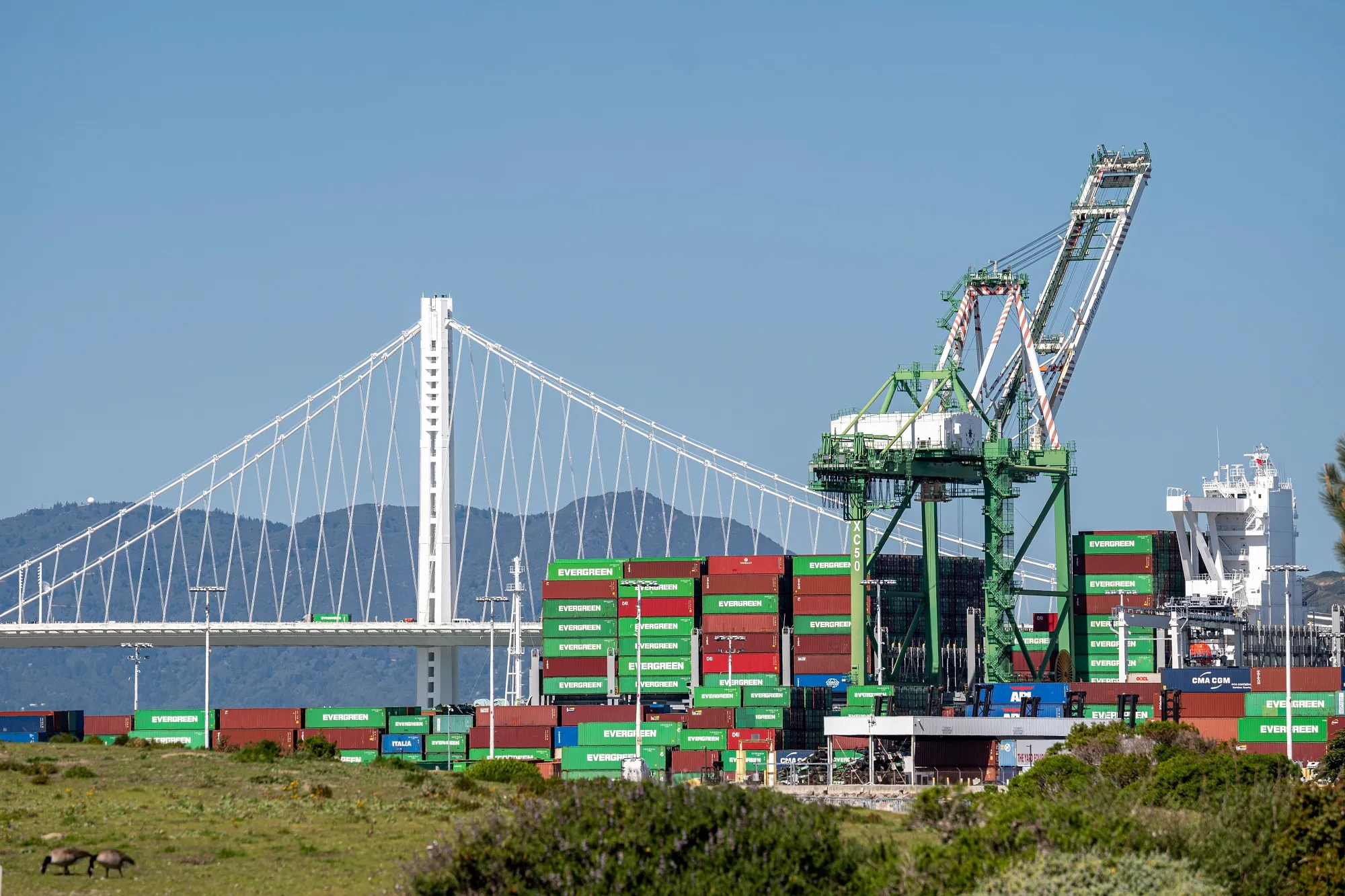
The competitive dynamics heavily favor sellers with established China supply chains and capital for inventory positioning. Small and medium-sized sellers (1-50 SKUs, <$500K annual revenue) face disproportionate impact—they lack negotiating power with suppliers and capital reserves to absorb 15-25% component cost increases. Large sellers with direct China relationships can negotiate volume discounts during the transition window. The policy also creates geographic arbitrage: sellers can source from Vietnam, Taiwan, or South Korea (where optical component manufacturing is expanding) to avoid direct China tariffs while maintaining cost advantages. Treasury Secretary Scott Bessent's suggestion of IP theft sanctions indicates potential secondary tariffs on Chinese technology broadly, signaling this is not an isolated optical transceiver ban but the beginning of sector-wide restrictions.
**Actionable timeline for sellers: Immediate (0-30 days) conduct supply chain audits identifying Chinese component dependencies in your product portfolio. Within 60 days, secure quotes from US and alternative-source suppliers (Vietnam, Taiwan, South Korea) to model 2026 cost scenarios. By Q4 2026, execute inventory positioning strategy—either pre-buying Chinese components before ban implementation or transitioning to alternative suppliers. The regulatory environment remains fluid (sources note restrictions "could still be modified or shelved"), but the FCC's track record with previous bans (drones, routers, robots, inverters) suggests implementation is likely. Sellers who act in the next 6 months will secure supply contracts and pricing before the market reprices around new tariff structures.
Questions 8
How can sellers source alternatives to Chinese optical transceivers and components?
US-based alternatives include Coherent and Lumentum, though these companies lack Innolight's manufacturing scale, creating 18-24 month supply constraints and pricing premiums. Alternative sourcing from Vietnam, Taiwan, and South Korea offers cost advantages while avoiding direct China tariffs—these regions are expanding optical component manufacturing capacity. Sellers should immediately request quotes from all three alternative sources to model 2026 cost scenarios. Vietnam and Taiwan suppliers typically offer 5-10% cost premiums over Chinese pricing but avoid tariff exposure. Secure long-term supplier contracts now before prices spike during the transition period. Large sellers with direct China relationships can negotiate volume discounts during the 6-month window before ban implementation.
What is the timeline for the Chinese data center component ban implementation?
The FCC is targeting publication and implementation in 2026, though sources emphasize the restriction could still be modified or shelved. This creates a 6-12 month window for sellers to execute supply chain strategies before tariffs activate. The ban follows the FCC's July 2026 restrictions on humanoid robots and ongoing deliberations about open-source AI models, indicating a pattern of accelerating technology restrictions. Sellers should treat 2026 as the implementation deadline and begin supplier negotiations and inventory positioning immediately. The regulatory environment remains fluid, but historical precedent (Huawei removal efforts took years and proved expensive) suggests early action provides significant competitive advantage.