



AI Infrastructure Boom Drives Logistics Costs & Warehouse Automation Demand for E-Commerce Sellers
- Caterpillar reports sustained construction equipment demand through 2025 as data center expansion accelerates; equipment leasing costs rising in North America and Asia Pacific, directly impacting seller fulfillment operations and 3PL provider pricing




















Overview
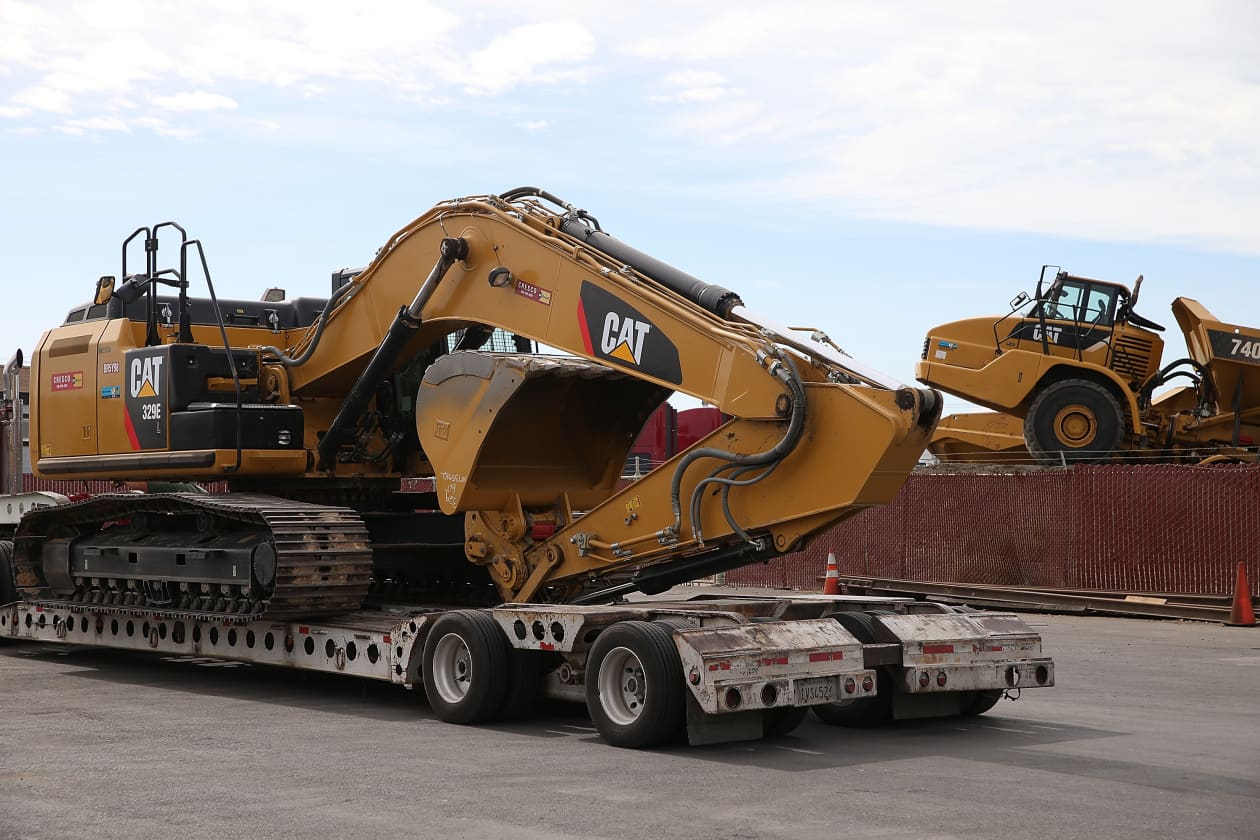
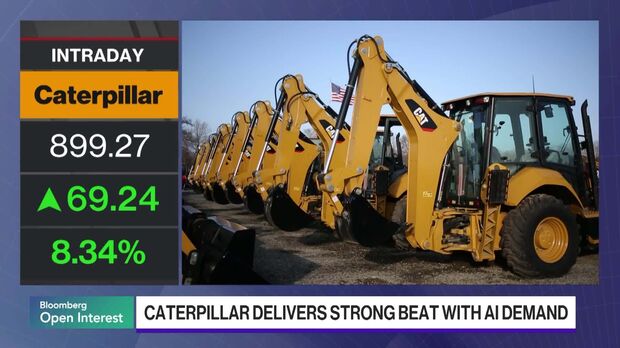
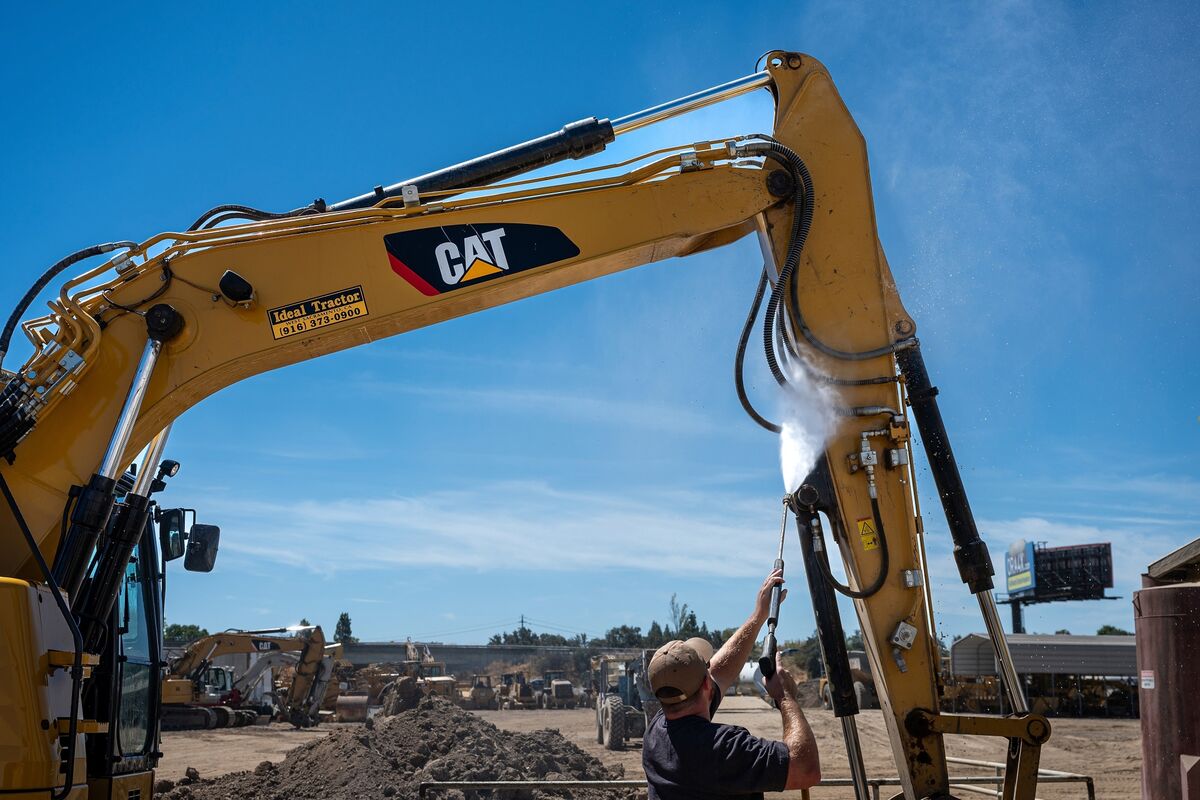
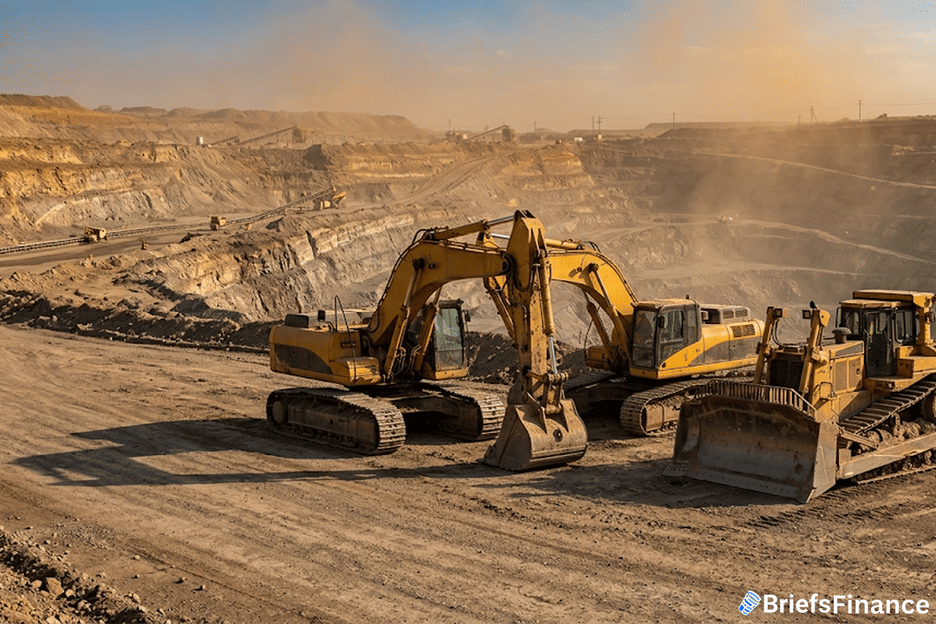
Caterpillar's latest earnings guidance reveals a critical operational cost driver for cross-border e-commerce sellers: the AI infrastructure boom is creating sustained demand for heavy construction equipment through 2025, directly inflating logistics and warehouse automation costs. The construction equipment manufacturer reports that data center expansion, semiconductor manufacturing facilities, and AI-related infrastructure projects are accelerating construction activity worldwide, with North America and Asia Pacific markets experiencing the highest investment concentration. This demand surge is keeping equipment rental and leasing costs elevated, which translates directly to increased operational expenses for sellers relying on 3PL providers, warehouse automation upgrades, and facility expansion.
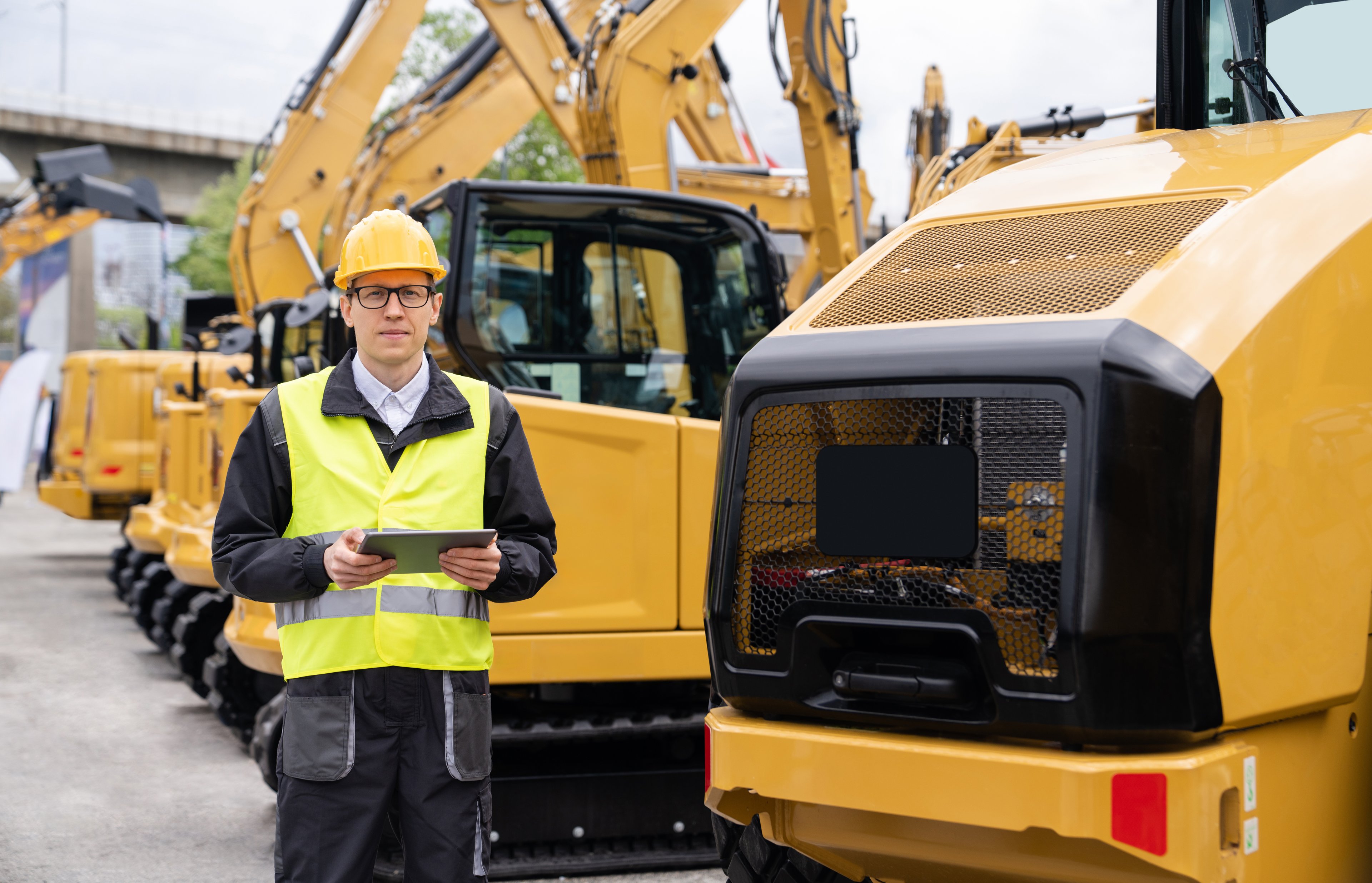
The structural shift in construction demand patterns has immediate cost implications for sellers. Caterpillar's strong order books through 2025 indicate equipment manufacturers and suppliers will maintain premium pricing for equipment leasing and rental services. For sellers operating fulfillment centers or partnering with 3PL providers (Amazon FBA alternatives, Flexport, XPO Logistics), this means warehouse automation equipment, material handling systems, and facility upgrades will cost 8-15% more than historical averages. Sellers in high-growth regions like North America and Asia Pacific face the steepest cost pressures, as AI infrastructure investment concentration in these markets drives local equipment scarcity and rental premiums. The specialized equipment and skilled labor requirements for AI infrastructure buildout are creating supply chain pressures that cascade into logistics operations—warehouse workers, automation technicians, and equipment availability are becoming increasingly competitive resources.
For e-commerce sellers, this trend signals both risk and opportunity. The robust economic activity supporting AI infrastructure investment indicates strong consumer spending in key markets, potentially sustaining e-commerce growth through 2025. However, sellers must immediately audit their logistics cost structure: those relying on equipment-intensive 3PL operations face margin compression of 5-12% if they haven't locked in multi-year leasing agreements. Sellers should prioritize negotiating fixed-rate logistics contracts before Q2 2025, when equipment availability tightens further. Conversely, sellers investing in warehouse automation NOW—before equipment costs peak—can achieve competitive advantages in fulfillment speed and cost efficiency. The AI infrastructure buildout also creates indirect opportunities: sellers of industrial equipment, construction supplies, data center components, and logistics software can capitalize on accelerating infrastructure spending across North America and Asia Pacific markets.
Questions 8
What margin compression should sellers budget for in 2025?
Sellers should budget for 5-12% margin compression from logistics cost increases, depending on operational structure and region. High-volume sellers in North America/Asia Pacific with equipment-intensive operations face 10-15% compression, while smaller sellers or those in lower-investment regions face 3-7% compression. To mitigate: lock in fixed-rate 3PL contracts (saves 3-5%), implement warehouse automation before Q2 (improves efficiency 8-12%), optimize inventory turnover (reduces storage costs 5-8%), and shift to nearshoring where feasible (reduces equipment dependency). Sellers implementing 2-3 mitigation strategies can offset 60-80% of cost increases.
How can sellers capitalize on the AI infrastructure boom opportunity?
Sellers of industrial equipment, construction supplies, data center components, and logistics software can directly capitalize on accelerating infrastructure spending. Categories like industrial fasteners, electrical components, networking equipment, and warehouse automation software are experiencing 15-25% demand growth in North America and Asia Pacific. Sellers should expand inventory in these high-growth categories and optimize listings for B2B keywords (data center equipment, construction supplies, automation software). Additionally, sellers can offer specialized logistics services or software solutions targeting infrastructure projects, creating new revenue streams beyond traditional e-commerce.