

US Trade Deficit Narrows to $73.3B | Tariff Policy Resilience Creates Sourcing Uncertainty for Cross-Border Sellers
- Import contraction signals cautious consumer spending; tariff policies show limited structural impact; sellers face persistent pricing pressures and supply chain volatility across electronics, apparel, and technology categories



















Overview
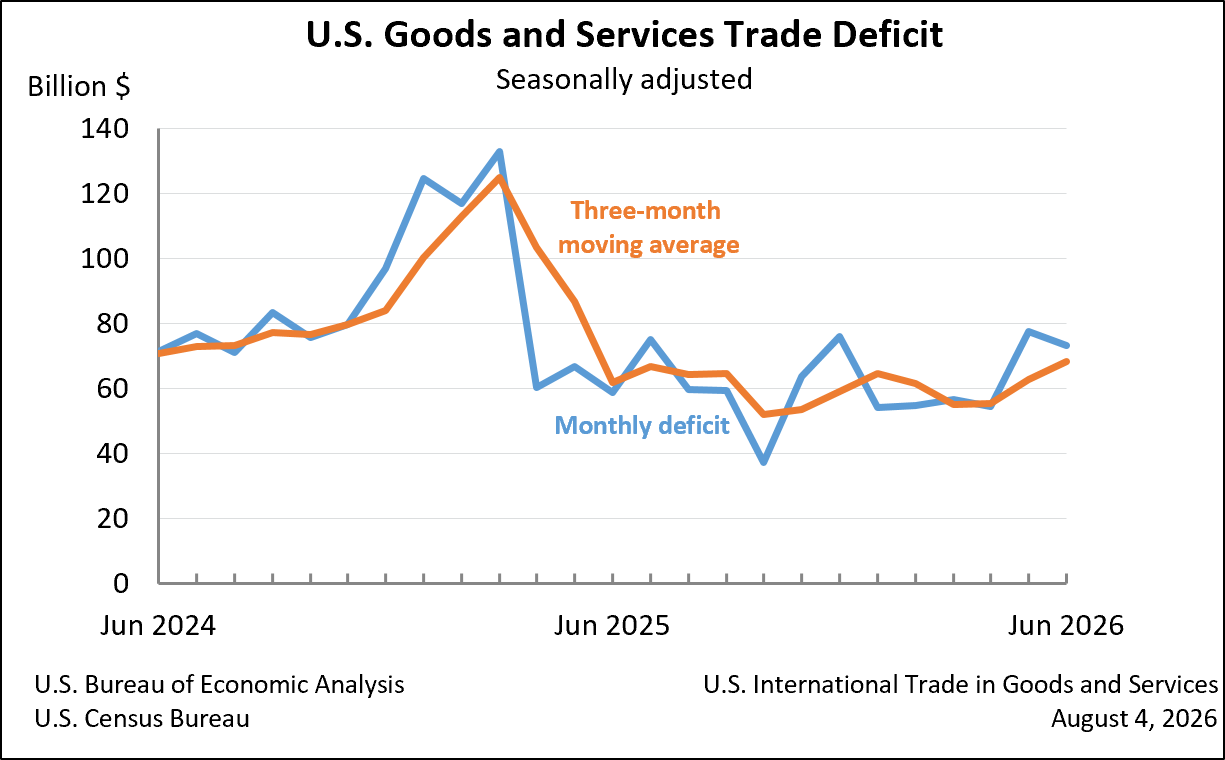
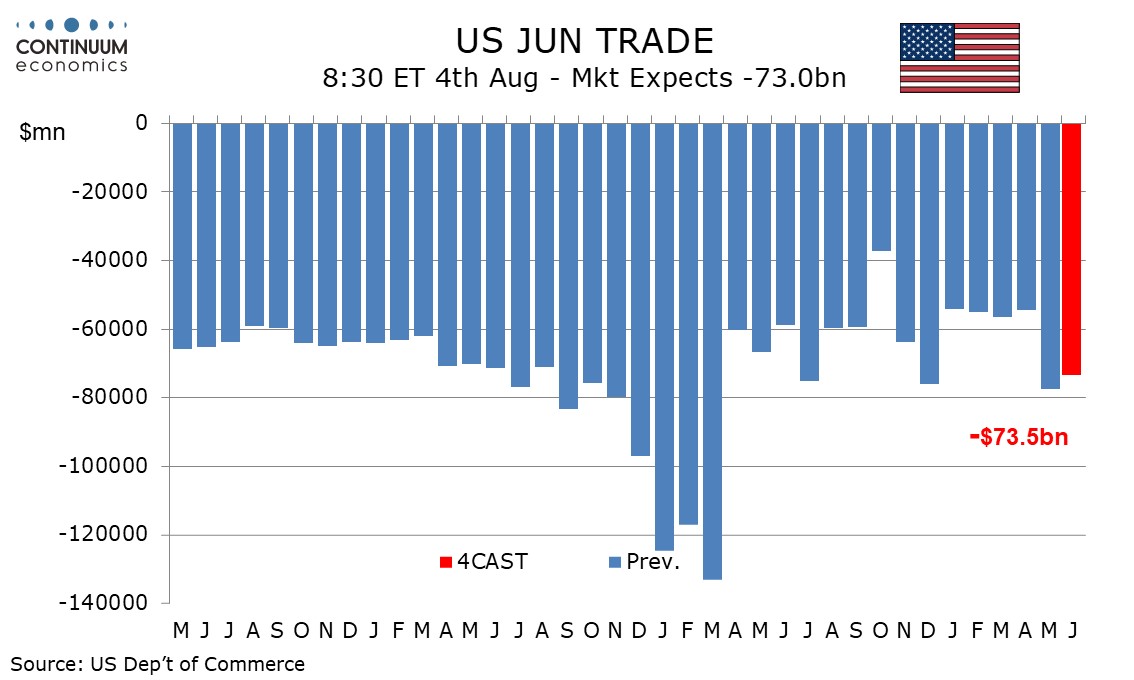
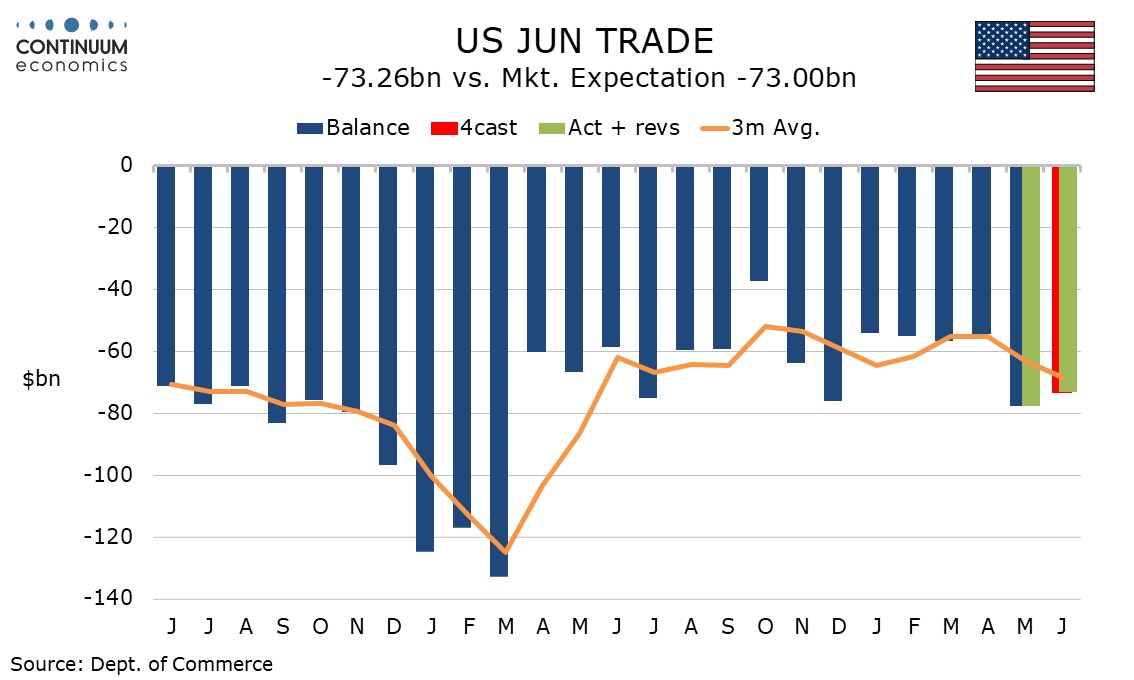
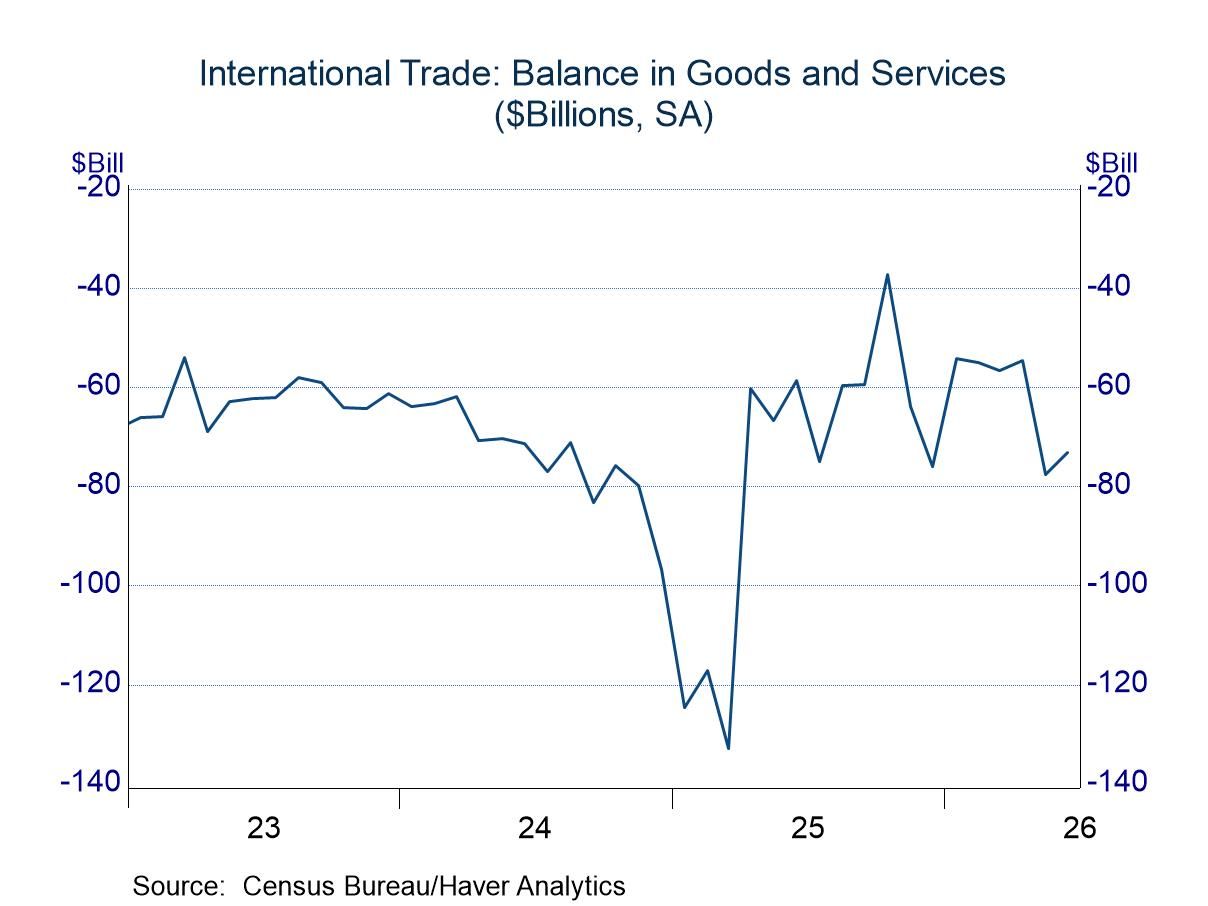
The U.S. trade deficit narrowed to $73.3 billion in June 2025-2026, marking the first monthly import decline since January 2026, according to Commerce Department data and Bloomberg reporting. However, this improvement masks a critical reality: despite aggressive Trump administration tariff policies implemented since November 2024, the structural trade deficit remains resilient, declining only 7.5% year-to-date compared to the first half of 2024. This indicates tariff measures have not fundamentally altered long-term trade dynamics driven by macroeconomic factors including currency valuations, savings rates, and global supply chain structures.
For cross-border e-commerce sellers, this creates a paradoxical environment. Import volumes contracted 1.8% to $388.0 billion in June 2025, with goods imports falling 2.5% to $309.0 billion—driven primarily by a $3.0 billion decrease in computer imports despite year-to-date computer imports remaining $95.4 billion higher than 2024. Major import categories experiencing reductions included apparel, electronics, and furniture, sectors heavily reliant on cross-border supply chains. Simultaneously, the goods trade deficit with China widened to $15.3 billion from $14.5 billion in May, signaling that tariff policies have not successfully redirected sourcing away from China. This creates a dual pressure: sellers face ongoing tariff exposure on Chinese imports while experiencing reduced consumer demand for imported goods, compressing margins across multiple categories.
The operational implications are substantial. Logistics providers reported stabilizing freight rates and reduced port congestion at Los Angeles, Long Beach, and New York/New Jersey gateways during this period, offering temporary cost relief. However, this relief is offset by cautious consumer spending patterns reflecting economic uncertainty and inventory corrections among U.S. retailers and manufacturers. Sellers importing finished goods or components may benefit from reduced competition and lower freight costs in the short term, but declining overall import volumes suggest demand headwinds. The persistent trade deficit indicates that tariff policies will continue creating pricing pressures and supply chain uncertainties. Sellers importing goods face ongoing tariff exposure, while those exporting American products encounter limited demand expansion from tariff-driven policy changes. The minimal improvement in the trade balance suggests that tariff strategies alone have not created market conditions necessary for substantial shifts in import-export patterns.
Strategic sourcing dynamics are shifting. The U.S. maintains significant trade deficits with Vietnam, South Korea, Mexico, and Germany, with record deficits against Mexico, Vietnam, and South Korea. This suggests sellers should evaluate sourcing diversification beyond China, though tariff policies have not yet incentivized wholesale supply chain reorientation. Strong domestic demand from businesses investing in artificial intelligence infrastructure continues driving robust import demand for technology goods and telecommunications equipment, creating a bright spot for electronics sellers. However, GDP growth at 1.5% annualized rate and trade deficit subtracting a full percentage point from second-quarter GDP growth indicate macroeconomic headwinds that will constrain overall import demand regardless of tariff policy effectiveness.
Questions 8
Why did the US trade deficit narrow to $73.3 billion in June 2025-2026 despite Trump tariff policies?
The narrowing reflects import contraction (down 1.8% to $388.0 billion) driven by cautious consumer spending and inventory corrections, not tariff policy success. Year-to-date data shows only a 7.5% deficit reduction compared to the first half of 2024, indicating tariffs have not fundamentally altered trade dynamics. The goods trade deficit with China actually widened to $15.3 billion from $14.5 billion in May, proving tariff policies failed to redirect sourcing away from China. The deficit narrowing is primarily a demand-side phenomenon reflecting economic uncertainty and reduced business investment, not supply-side policy effectiveness.
Which product categories are most affected by the import contraction for cross-border sellers?
Computer imports fell $3.0 billion in June 2025, though year-to-date computer imports remain $95.4 billion higher than 2024, indicating AI infrastructure demand is sustaining tech category imports. Apparel, electronics, and furniture experienced the largest reductions, as these sectors are heavily reliant on cross-border supply chains. However, strong domestic demand from businesses investing in AI infrastructure continues driving robust import demand for technology goods and telecommunications equipment. Sellers in these categories should monitor whether the June contraction represents a temporary adjustment or sustained trend, as demand signals remain mixed.