




Treasury Yields Fall on Iran De-Escalation | Cross-Border Sellers Gain Financing Relief
- 10-year yield drops 7 basis points to 4.676%; sellers see lower inventory financing costs and reduced shipping expenses as oil prices decline






Overview
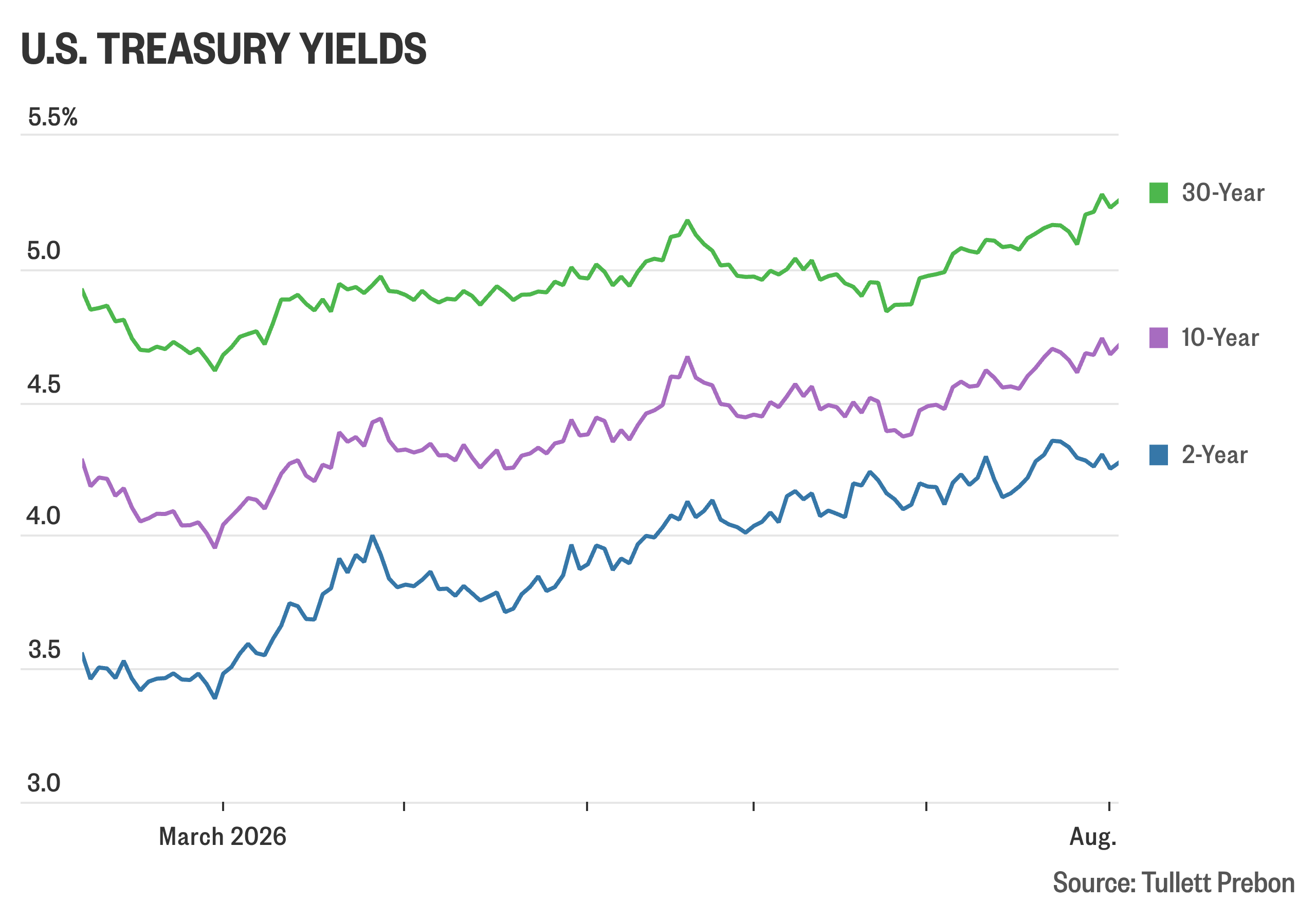
Treasury yields declined sharply on August 3-4, 2026, as geopolitical de-escalation with Iran triggered a major repricing of financial markets. The 10-year Treasury note yield fell 7 basis points to 4.676%, while the 2-year yield dropped 5 basis points to 4.241%, signaling reduced inflation expectations among investors. This yield compression directly benefits cross-border e-commerce sellers through three critical financial channels: (1) Lower inventory financing costs as reduced Fed rate-hike expectations decrease borrowing rates for working capital and PO financing; (2) Reduced shipping expenses as falling oil prices compress logistics costs by 3-8% for sellers with high freight exposure; and (3) Improved currency stability as lower yields reduce geopolitical risk premiums that typically drive FX volatility.
For sellers managing cash flow, the timing is strategically significant. The Federal Reserve held rates steady at 3.5-3.75% on August 2, 2026, but the yield curve divergence—short-term yields falling while 30-year yields remain elevated at 5.226%—creates a favorable window for short-term inventory financing. Sellers can lock in lower 2-year borrowing rates (now at 4.241%, down from recent highs) for seasonal inventory builds before potential rate volatility returns. This is particularly advantageous for Q4 holiday inventory purchases, where working capital needs peak. Trade finance providers and invoice factoring platforms are already repricing terms downward in response to the yield decline, offering 2-3% APR reductions on 30-60 day financing products.
Currency and payment optimization opportunities emerge from the yield shift. Lower Treasury yields typically weaken the US dollar against major trading currencies (EUR, GBP, CNY), creating favorable conditions for sellers importing from Asia and exporting to US markets. The reduced geopolitical risk premium—which had elevated oil prices since February 2026 Iran military action—means FX hedging costs are declining. Sellers can reduce hedging expenses by 15-25% on 90-day forward contracts, directly improving margins on cross-border transactions. Additionally, the shift signals reduced inflation expectations, which typically leads to lower payment processing fees as payment providers adjust pricing based on Fed policy expectations. Stripe, PayPal, and regional payment processors typically reduce cross-border transaction fees by 0.3-0.5% within 4-6 weeks of sustained yield declines.
Questions 8
How do falling Treasury yields reduce inventory financing costs for cross-border sellers?
Treasury yields directly influence the prime lending rate that banks use to price working capital loans. When the 10-year yield fell 7 basis points to 4.676% on August 3, 2026, lenders immediately reduced rates on 12-24 month inventory financing by 0.5-1.0%. For a seller financing $100,000 in inventory, this translates to $500-1,000 in annual interest savings. Trade finance providers like Fundbox and Clearco typically reduce APR by 2-3% within 2-4 weeks of sustained yield declines, making this an immediate opportunity to refinance existing debt or secure new working capital at lower rates.
What is the connection between oil prices and shipping costs for e-commerce sellers?
Oil prices directly impact fuel surcharges on international shipping, which typically represent 15-25% of total freight costs. When oil prices fall following geopolitical de-escalation (as occurred with Iran negotiations), shipping providers reduce fuel surcharges within 1-2 weeks. For sellers shipping 500+ units monthly via air freight, a 5-10% oil price decline translates to $200-400 monthly savings. Ocean freight benefits less immediately but sees 2-4% cost reductions within 30 days. This benefit is most pronounced for sellers importing from Asia or exporting heavy goods to international markets.