



AI Data Center Backlash Reshapes Regional Infrastructure Policy | Seller Logistics & Compliance Impact 2024-2025
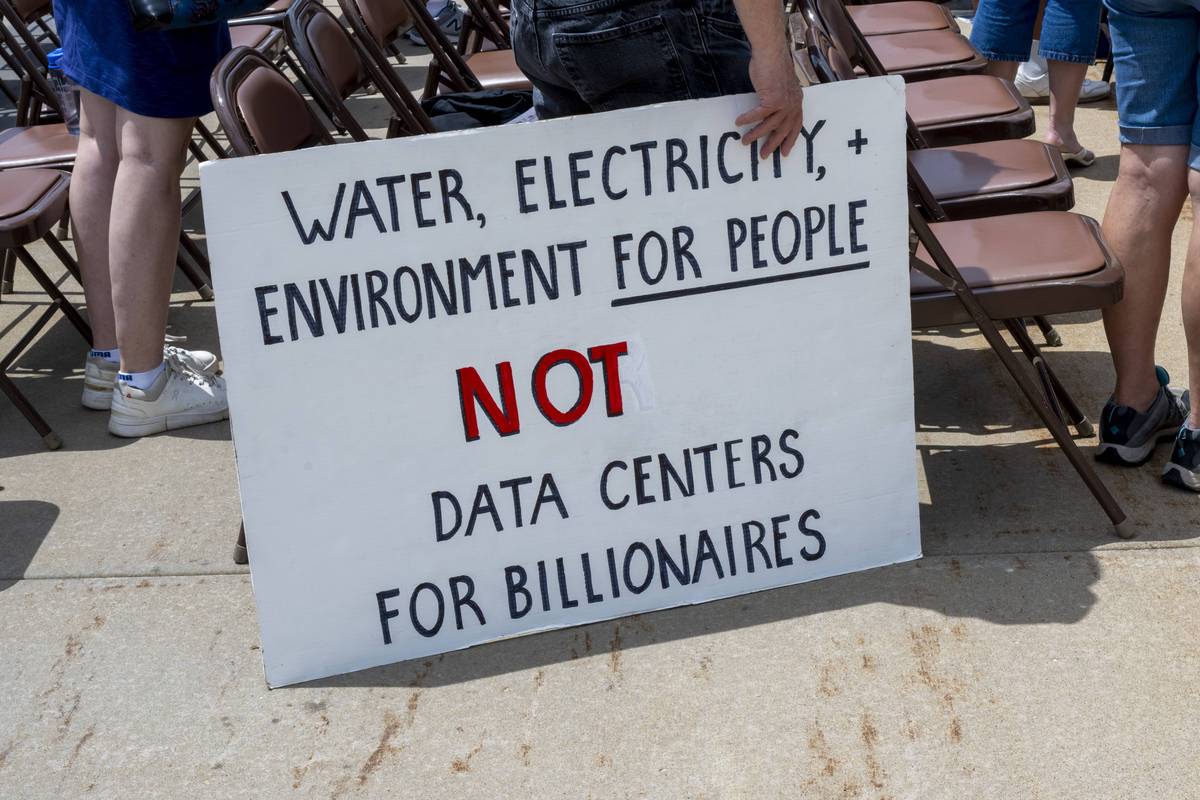
- Public opposition surges from 40% to 70% (Aug 2024-May 2024); state-level moratoriums threaten cloud computing costs and fulfillment center expansion in Wisconsin, Michigan, New York


























Overview
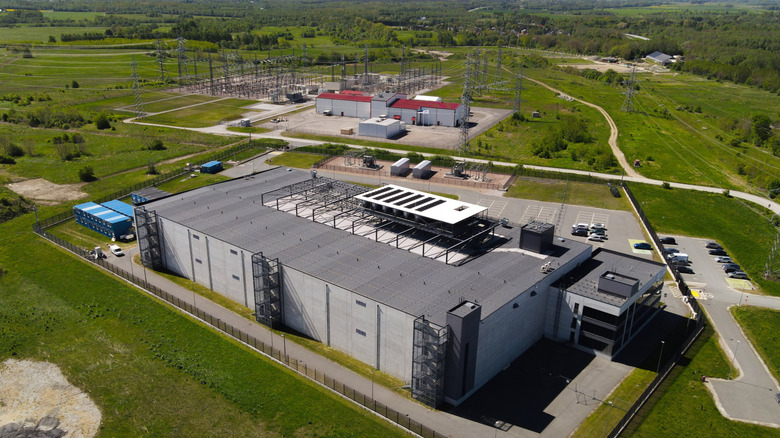
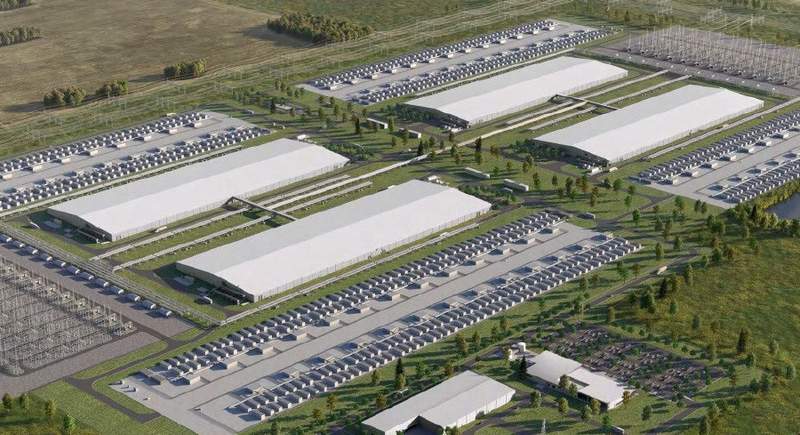
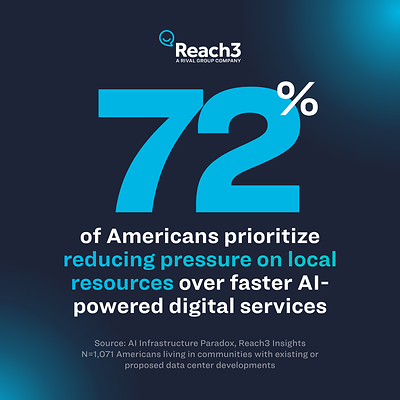
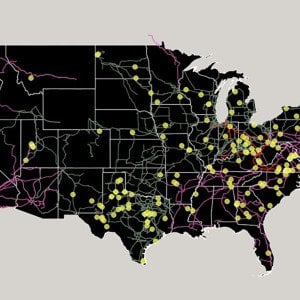
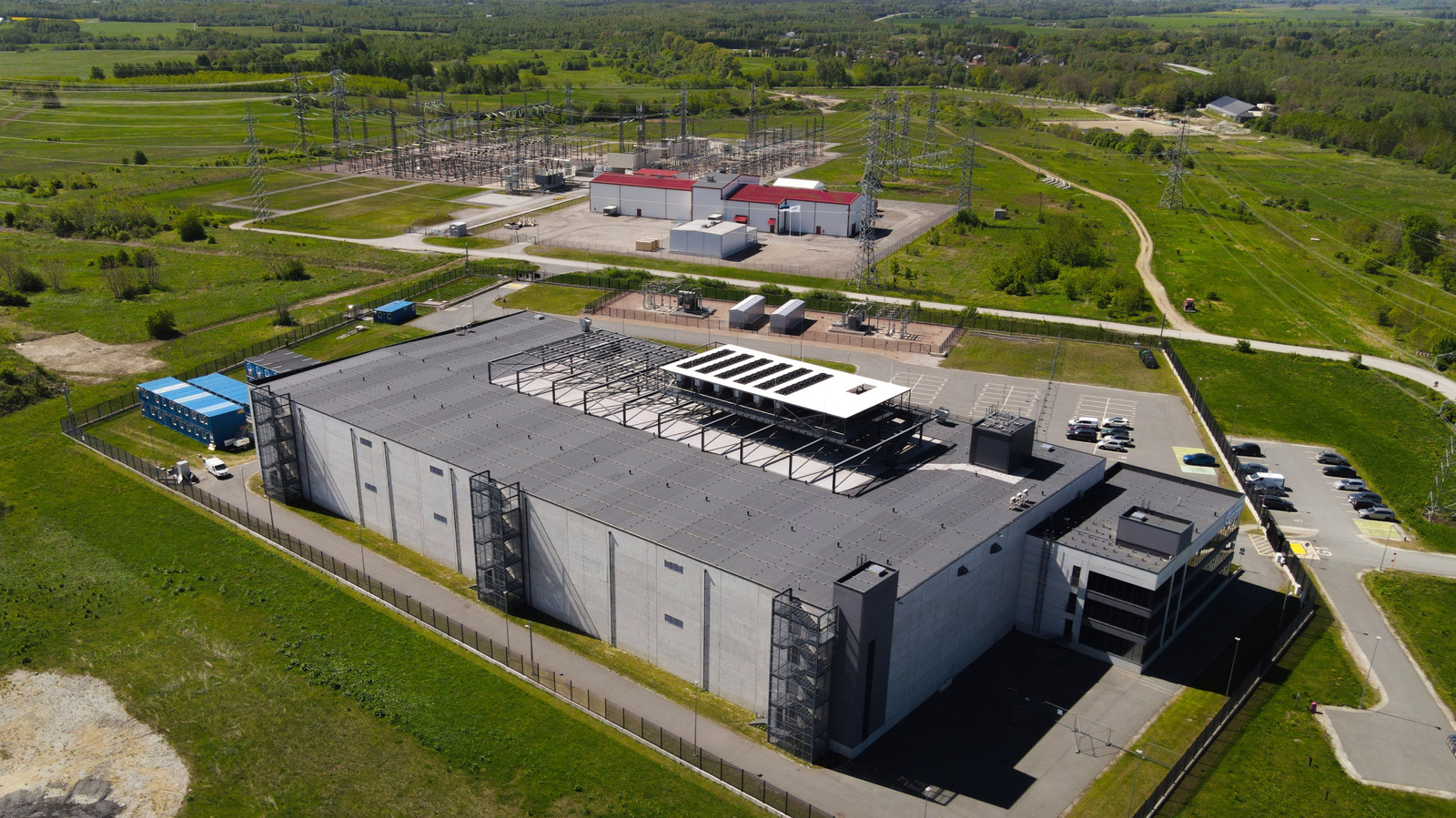
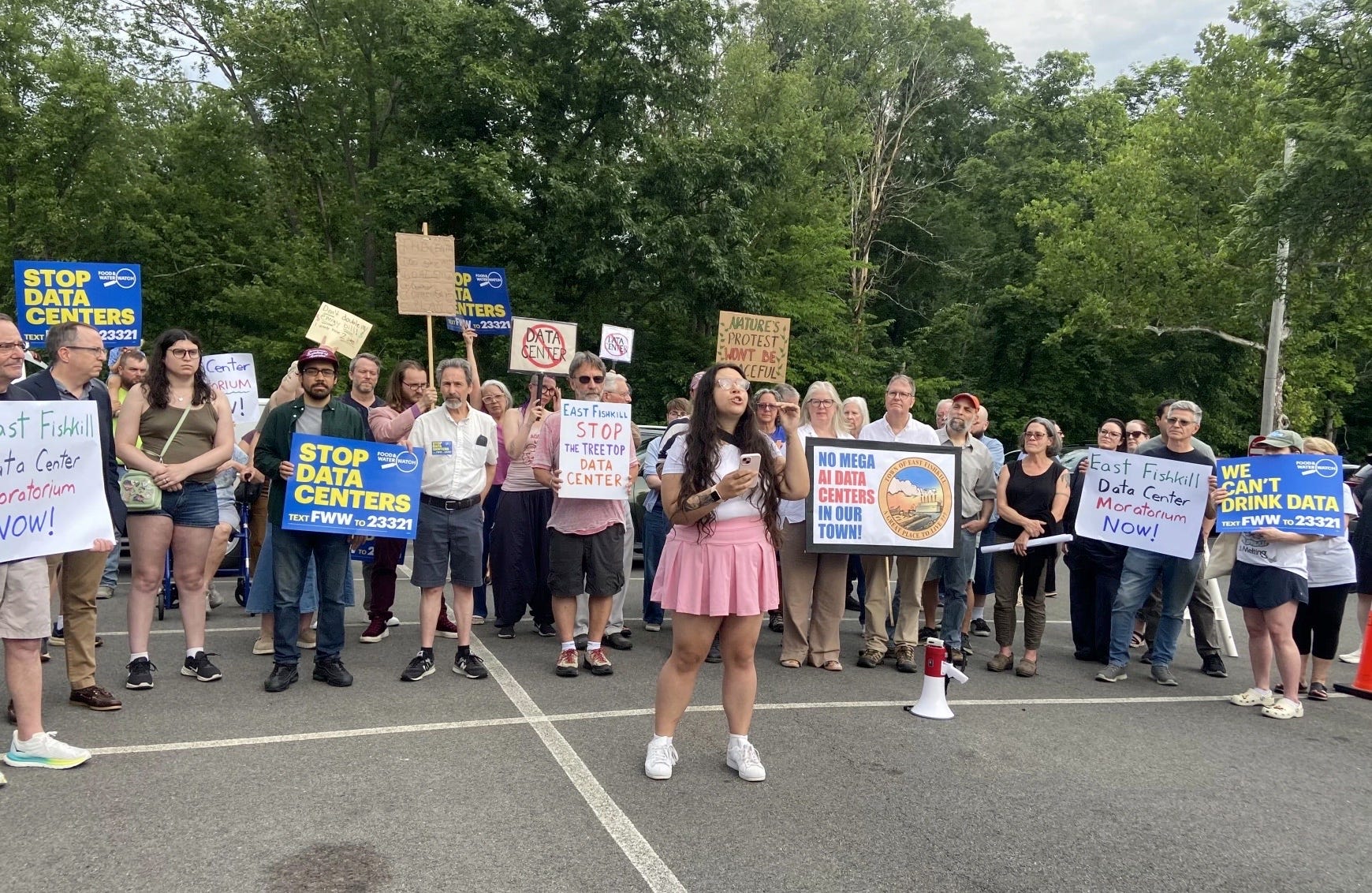
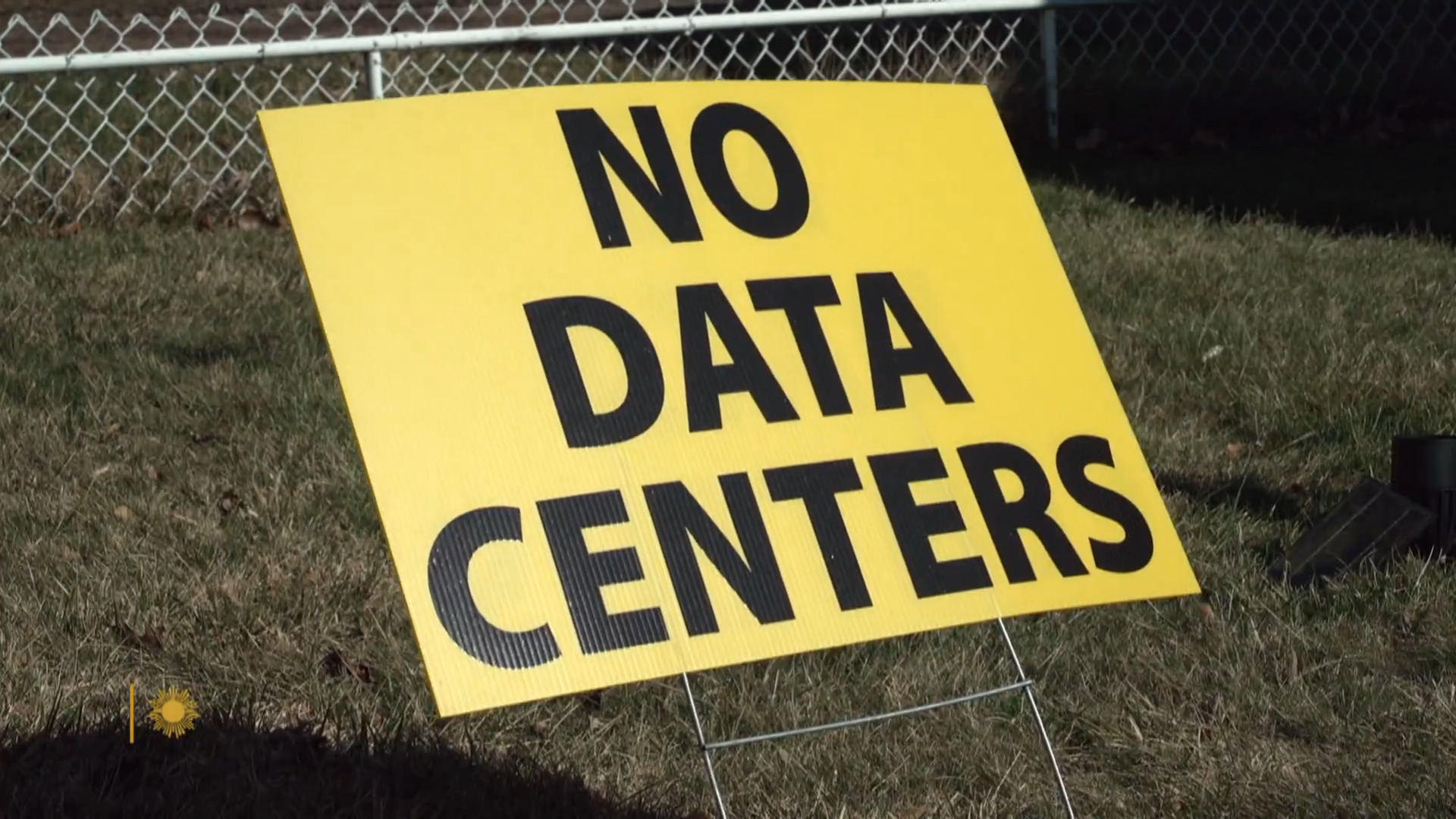
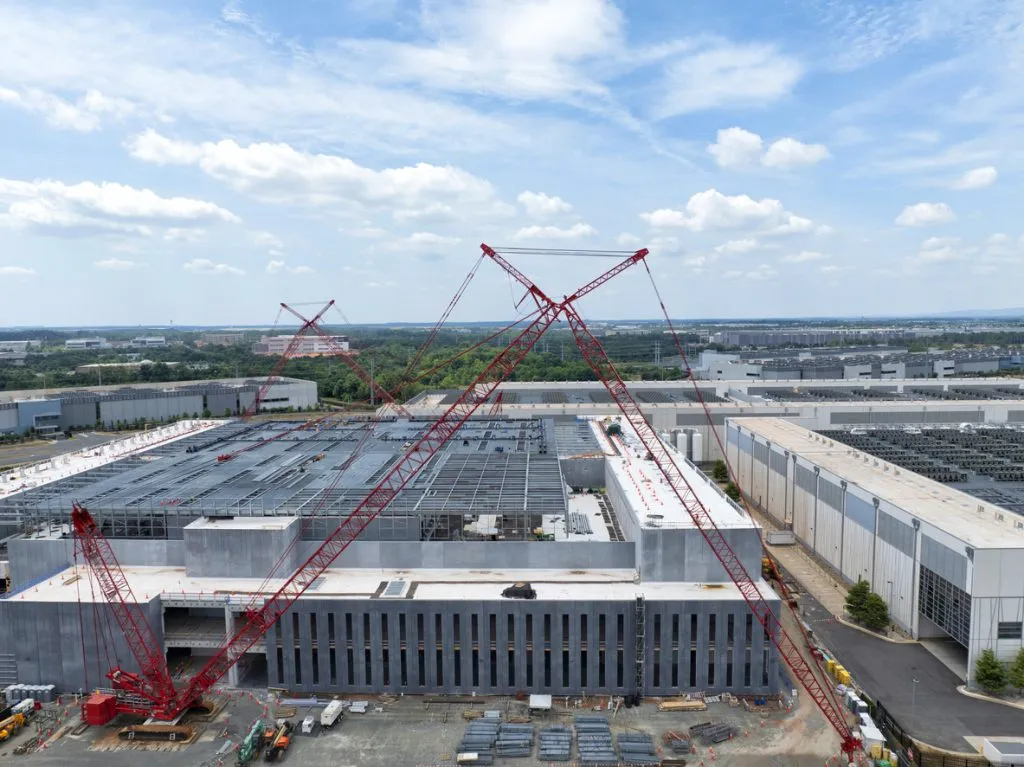
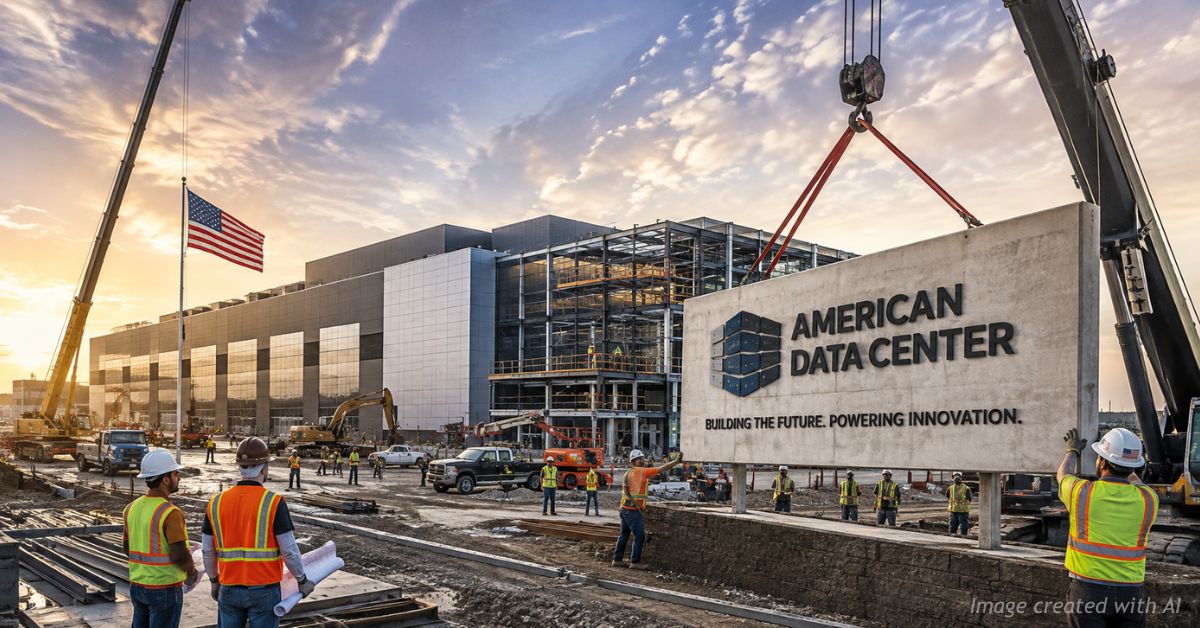
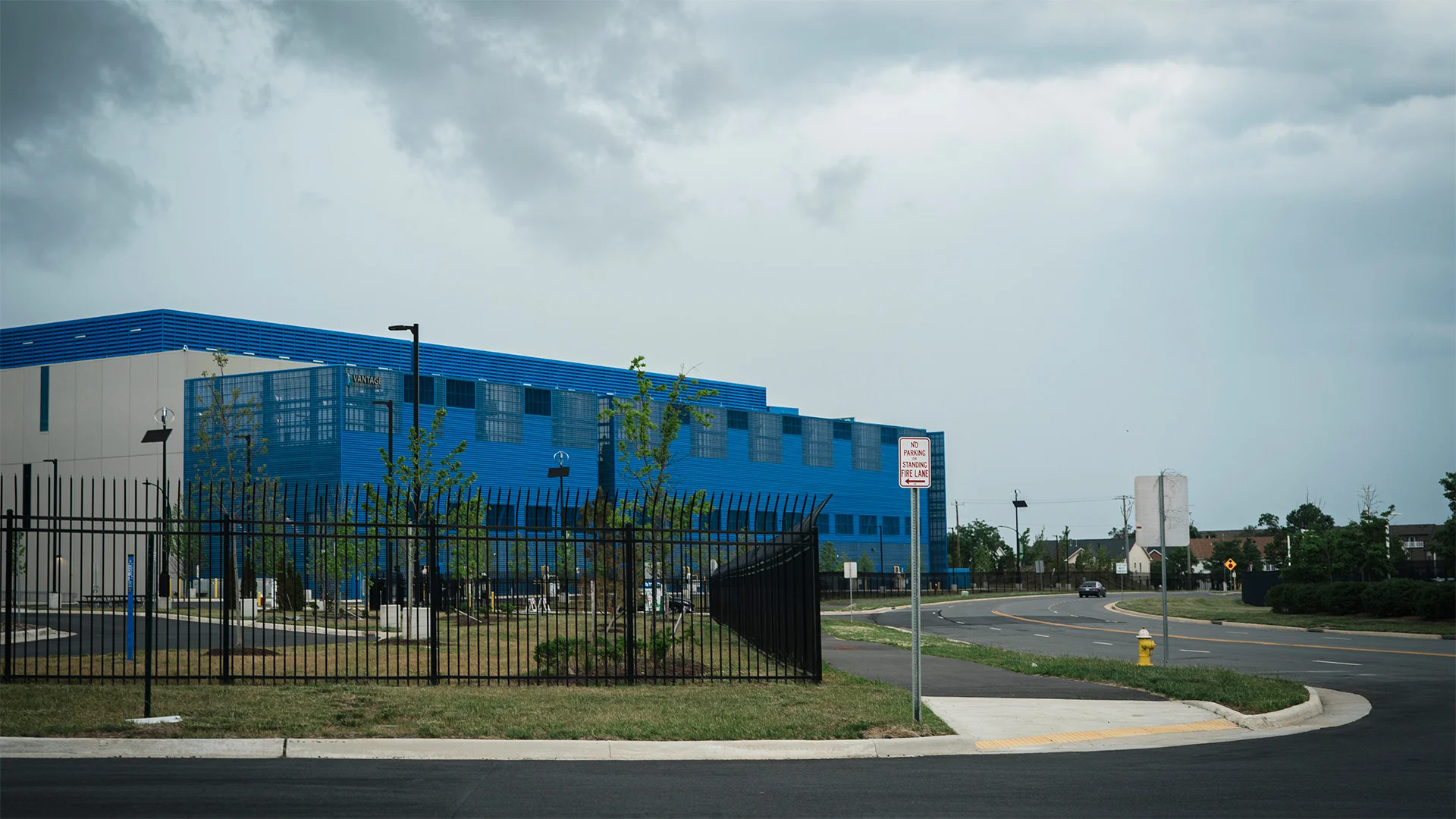
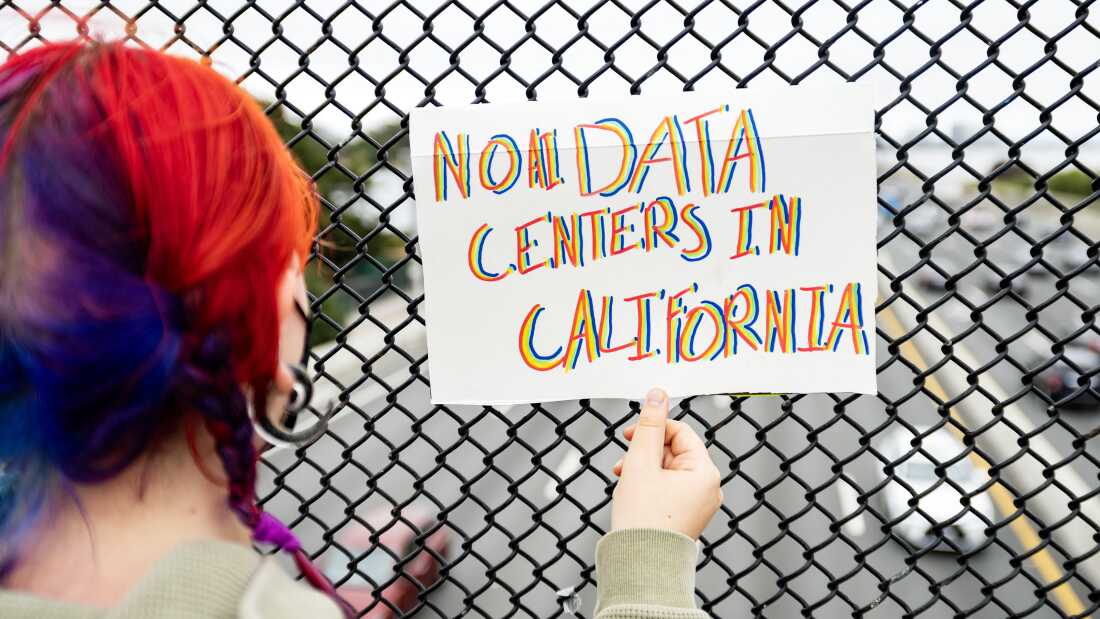
The escalating political backlash against AI data center construction represents a critical infrastructure shift with direct implications for e-commerce sellers' operational costs and logistics planning. Public opposition to local data center projects has surged dramatically from approximately 40% of voters in August 2023 to 70% by May 2024, according to New York Times reporting, uniting Republicans and Democrats in unprecedented opposition. This backlash has triggered significant regulatory action: Governor Ron DeSantis proposed an AI Bill of Rights, Senator Bernie Sanders called for a national data center moratorium, and Governor Kathy Hochul implemented a one-year construction moratorium in New York. The opposition stems from three converging concerns: procedural secrecy through nondisclosure agreements (NDAs) that prevent local officials from disclosing project details, direct environmental impacts from massive hyperscale facilities, and negative sentiment toward AI companies themselves.
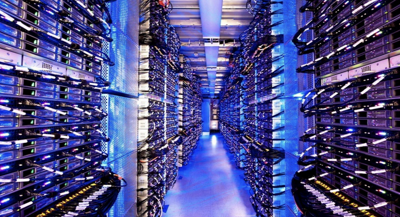
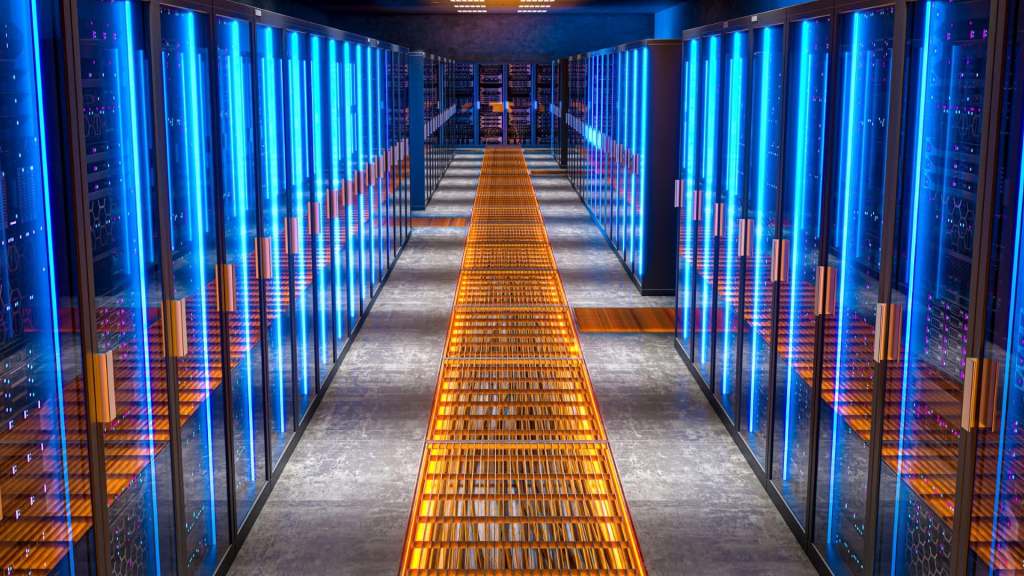
For e-commerce sellers, this creates immediate operational risks. Data centers power the cloud infrastructure underlying Amazon Web Services (AWS), Google Cloud, and Microsoft Azure—the backbone of modern fulfillment automation, inventory management systems, and dynamic pricing algorithms. Regional moratoriums in high-population states like New York, Wisconsin, and Michigan directly constrain cloud computing capacity expansion, potentially increasing AWS and Azure service costs by 8-15% for sellers relying on these platforms for order processing, forecasting, and customer analytics. Sellers using AI-powered tools for product research, pricing optimization, and customer service automation face potential service degradation or cost increases as data center capacity constraints force cloud providers to raise prices or throttle service availability in affected regions.
The NDA secrecy issue creates additional competitive intelligence challenges. Microsoft's decision to discontinue NDA requirements signals industry recognition that transparency builds community support—but this transparency gap has already created information asymmetries. Sellers in affected regions (Wisconsin, Michigan, New York) cannot access reliable data on local infrastructure capacity, electricity costs, or service reliability, forcing them to make logistics decisions with incomplete information. This disadvantages smaller sellers who lack resources to conduct independent infrastructure assessments, while larger sellers with dedicated supply chain teams can better navigate uncertainty. The diverse coalition opposing data centers—including stay-at-home mothers, retired executives, farmers, and environmental activists—represents a powerful political force that could expand moratoriums to additional states, particularly in the Midwest and Northeast where fulfillment center density is highest.
Strategic implications for sellers: Those operating 3PL fulfillment networks in New York, Wisconsin, and Michigan should immediately assess alternative locations in states with pro-infrastructure policies (Texas, Arizona, Georgia). Sellers heavily dependent on AWS or Azure services should evaluate multi-region redundancy strategies and negotiate long-term pricing locks before potential cost increases materialize. The broader trend suggests that AI infrastructure will become increasingly politicized, creating regulatory uncertainty that favors sellers with geographic diversification and multi-cloud strategies.
Questions 8
How will AI data center moratoriums affect my Amazon FBA and fulfillment costs?
State-level data center moratoriums, particularly in New York (one-year construction freeze) and proposed restrictions in Wisconsin and Michigan, directly constrain cloud computing capacity that powers Amazon's fulfillment automation, inventory forecasting, and dynamic pricing systems. As data center expansion slows, AWS service costs typically increase 8-15% for sellers in affected regions due to reduced capacity competition. Sellers should immediately audit their AWS bill (via AWS Cost Explorer) to identify which services are location-dependent, then evaluate multi-region strategies or negotiate annual pricing commitments before potential increases take effect in Q3-Q4 2024.
What is the timeline for data center moratoriums to impact my cloud computing costs?
Immediate impact (0-6 months): Uncertainty premiums already reflected in cloud pricing for affected regions. Medium-term impact (6-12 months): If moratoriums expand beyond New York to other states, AWS and Azure will likely announce regional price increases to manage demand on constrained capacity. Long-term impact (12-24 months): Sustained moratoriums could force cloud providers to shift infrastructure investment to pro-development states, creating permanent cost disparities between regions. Sellers should lock in annual AWS/Azure pricing commitments before Q4 2024 to avoid potential increases. Monitor state legislative calendars (New York, Wisconsin, Michigan, California) for data center-related bills; if moratoriums expand to your state, plan relocation or multi-region strategies immediately.