

Amazon FBA Logistics Costs at Risk | New Jersey Monopsony Lawsuit Threatens Delivery Fee Structure
- First state-level monopsony complaint filed August 4, 2026; could force 8-15% FBA fee increases if Amazon reclassifies DSP drivers as employees or raises contractor compensation













Overview
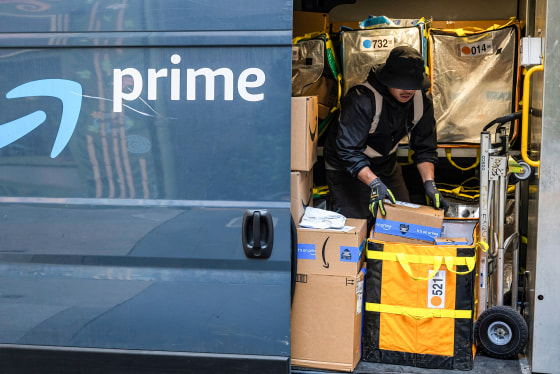
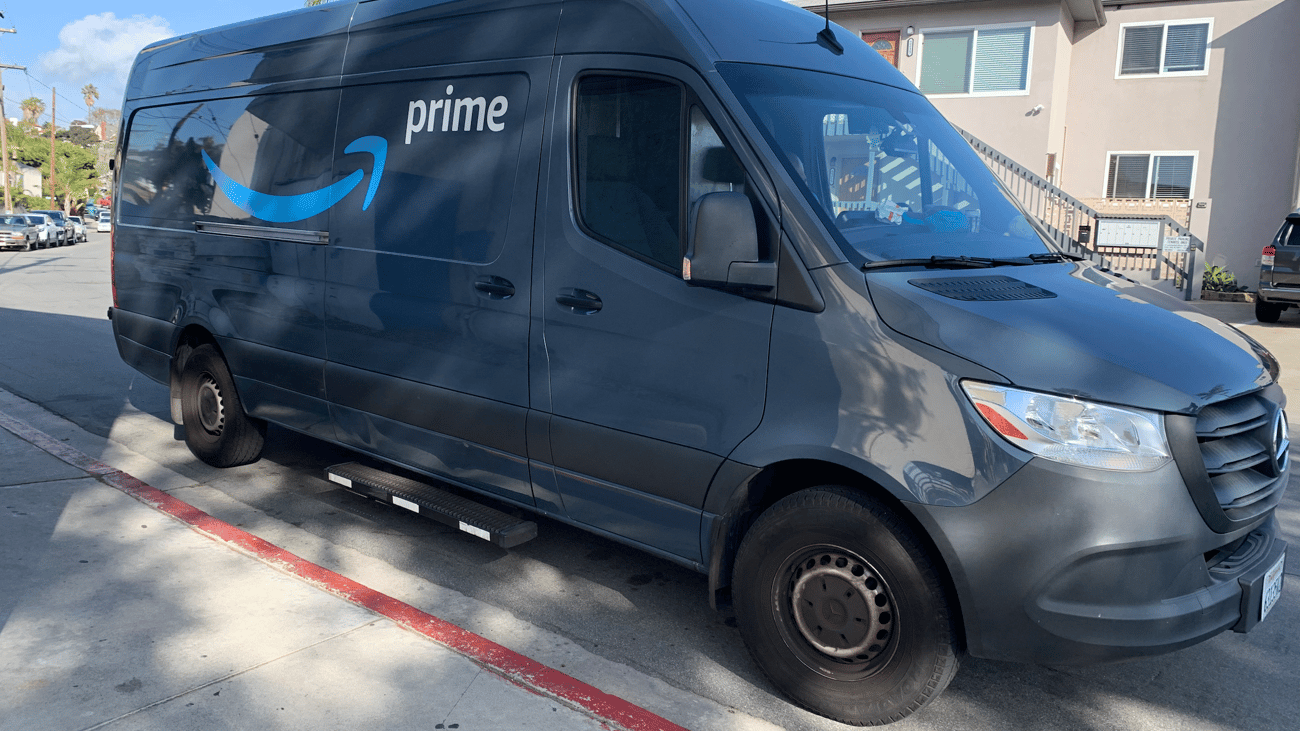
New Jersey's landmark antitrust lawsuit against Amazon, filed August 4, 2026, represents the first state-level monopsony complaint targeting Amazon's Delivery Service Partner (DSP) network. Attorney General Jennifer Davenport alleges Amazon unlawfully exercises buyer-side market dominance over thousands of delivery contractors, artificially suppressing wages and restricting labor market competition. The complaint covers both Amazon's DSP program (which handles 20 million packages daily globally through independent contractors) and Amazon Flex (the gig-based delivery platform). This lawsuit follows similar actions by the FTC and California, escalating regulatory pressure on Amazon's logistics model.
For cross-border e-commerce sellers relying on FBA fulfillment, this litigation poses direct operational and cost risks. If New Jersey prevails and forces Amazon to reclassify DSP drivers as employees or significantly increase contractor compensation, logistics costs will rise substantially. Industry analysis suggests reclassification could increase Amazon's delivery costs by 8-15%, likely triggering corresponding increases in FBA fees—particularly for same-day and next-day delivery services that depend on DSP networks. Sellers shipping 1,000+ units monthly to Amazon fulfillment centers could face $200-400 additional monthly costs. The lawsuit also threatens service reliability; if Amazon relocates delivery operations (as the company warned regarding NYC legislation), regional delivery speed guarantees may degrade, affecting Buy Box eligibility and customer satisfaction metrics.
The monopsony framework distinguishes this case from traditional monopoly claims, focusing on Amazon's dominant position as a buyer of labor rather than a seller of goods. The complaint details systematic control mechanisms: Amazon restricts DSPs from hiring competitors' drivers, prevents unionization efforts, uses AI surveillance and vehicle cameras to monitor performance, and implements penalties that effectively control worker behavior—characteristics typically associated with employment relationships. The lawsuit cites specific incidents including drone deployment to blacklist striking workers in Queens and threats to Edison workers that union organizing could jeopardize their employer's Amazon partnership. This regulatory approach could establish precedent for how platforms structure contractor relationships across the e-commerce sector, affecting not just Amazon but also Shopify-integrated 3PL providers and eBay's logistics partners.
Sellers should monitor three critical timelines: (1) Discovery phase (likely 12-18 months), during which Amazon's internal cost structures and fee-setting practices will be exposed; (2) Potential settlement negotiations (months 18-24), which could force fee restructuring; and (3) Regulatory response from FTC and state attorneys general (ongoing), which may trigger broader platform-wide changes. The case's outcome will likely influence how Amazon structures FBA pricing, potentially creating a two-tier system where standard delivery remains affordable but expedited services become premium-priced. Sellers should diversify fulfillment strategies by evaluating alternative 3PL providers, Shopify fulfillment networks, and eBay's logistics options to reduce dependency on Amazon's potentially volatile cost structure.
Questions 8
When should I expect FBA fee changes if Amazon loses this lawsuit?
Timeline: (1) **Discovery phase (months 0-18)**: Amazon's internal cost documents and fee-setting practices will be exposed, likely revealing how much of current FBA fees reflect suppressed labor costs; (2) **Settlement negotiations (months 18-24)**: If Amazon settles, fee restructuring could occur within 6 months of settlement; (3) **Trial verdict (months 24-36)**: If the case goes to trial, implementation of fee changes would follow within 12 months of verdict. Most likely scenario: Amazon settles in 2027-2028, triggering FBA fee increases in Q2-Q3 2028. Sellers should prepare contingency budgets now and monitor Amazon Seller Central announcements quarterly. The lawsuit also creates uncertainty around same-day/next-day delivery pricing—these services may become premium-tier offerings with 15-25% higher fees if labor costs rise.
Which product categories will be most affected by potential FBA fee increases?
Categories with high fulfillment velocity and tight margins will be most impacted: (1) **Fast-moving consumer goods (FMCG)** like beauty, health/wellness, and household items—high volume, low margin, dependent on same-day/next-day delivery for competitiveness; (2) **Electronics and small appliances**—high fulfillment costs relative to product price; (3) **Apparel and footwear**—high return rates requiring frequent reshipments, increasing per-unit fulfillment costs. Categories least affected: (1) **High-value items** (jewelry, luxury goods)—fulfillment costs are small percentage of product price; (2) **Bulk/heavy items** (furniture, large appliances)—already use alternative fulfillment methods; (3) **Niche/specialty products**—lower volume allows premium pricing. Sellers in FMCG and electronics should prioritize 3PL evaluation and consider shifting 20-30% of inventory to alternative fulfillment channels to hedge against FBA fee increases.