





Energy Crisis Drives 40% Fuel Price Surge | Seller Logistics & Sourcing Impact 2024-2025
- Shipping costs increase 8-15% for sellers; consumer spending shifts away from discretionary goods; sourcing from Asia becomes 12-18% more expensive due to elevated fuel surcharges


Overview
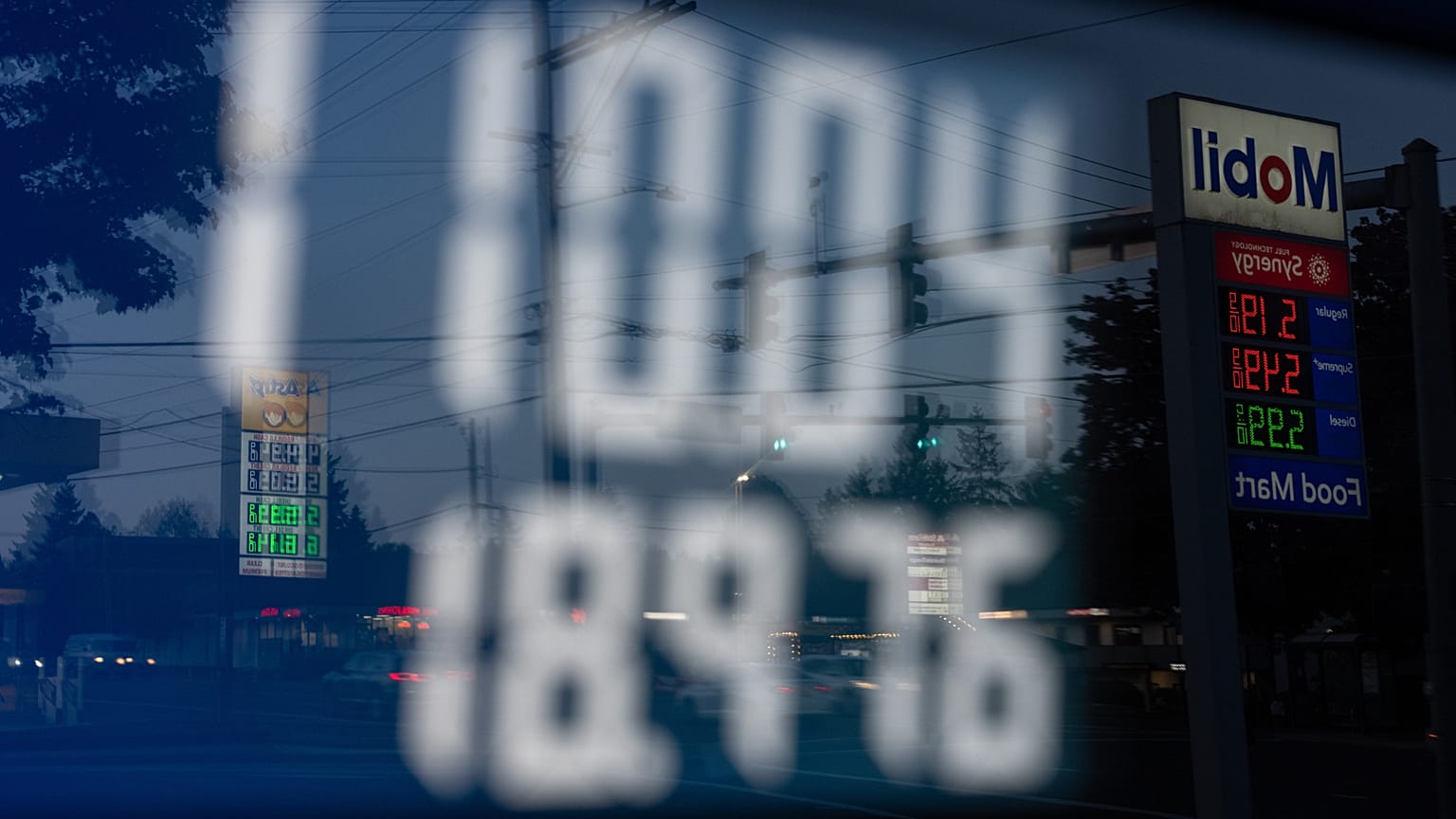
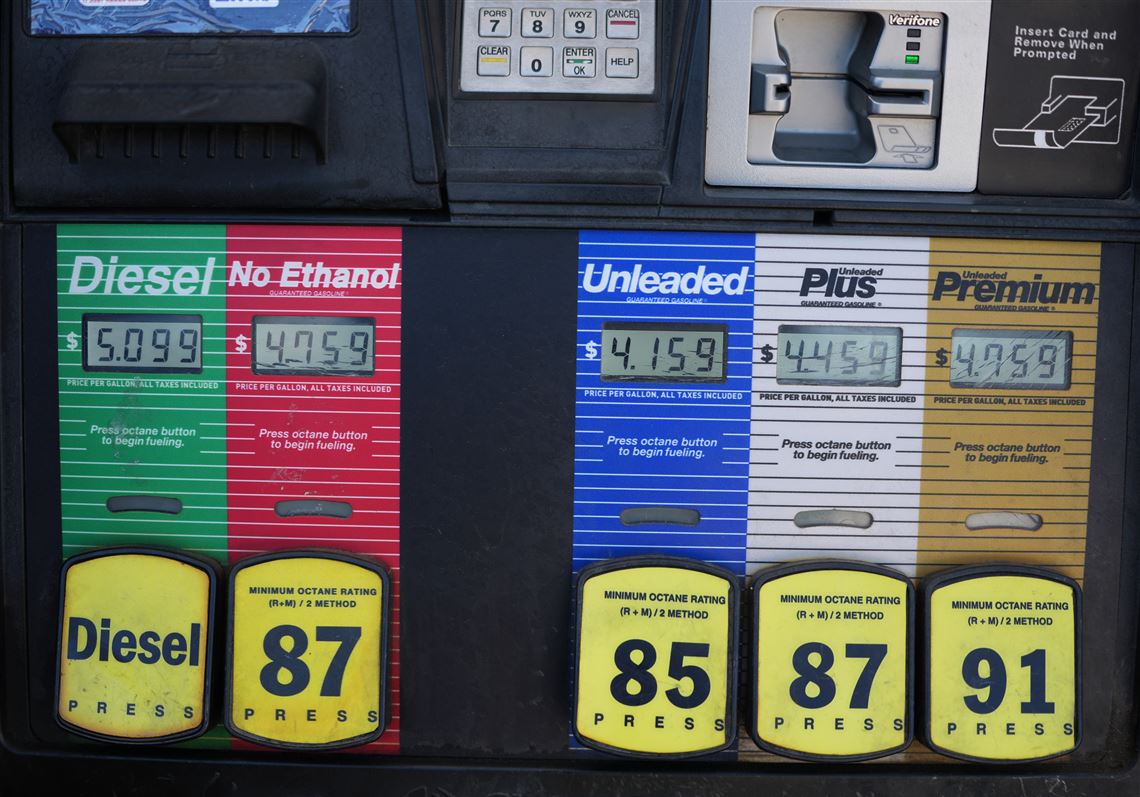
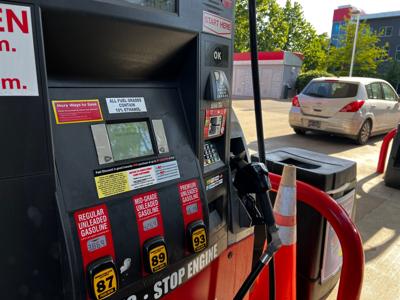
The Iran-driven energy crisis is creating a dual-impact shock for cross-border e-commerce sellers. Oil companies reported combined Q2 2024 profits of $93 billion (nearly double 2023's $50 billion), driven by crude prices exceeding $126/barrel amid Strait of Hormuz disruptions. By Q2 2025, benchmark crude averaged $96.68/barrel—still 45% above pre-crisis levels—with US petrol prices at $4+/gallon (40% above pre-war rates) and UK prices at 160.85p/liter. This energy shock creates two critical seller challenges: elevated logistics costs and compressed consumer discretionary spending.
Logistics Cost Compression: Fuel surcharges on international shipping have increased 12-18% for sellers importing from Asia-Pacific regions. FedEx, UPS, and DHL have implemented fuel adjustment factors (FAF) ranging from 8-15% on shipments from China, Vietnam, and India to North America and Europe. For a seller shipping 500 units monthly from Shenzhen to US fulfillment centers (typical 40-50 lb shipment), monthly logistics costs have risen from $2,400-2,800 to $2,800-3,200—a $400-800 monthly impact. Amazon FBA sellers face compounding pressure: elevated fuel costs increase Amazon's own logistics expenses, which flow through to higher FBA fees (estimated 3-5% increase in storage and fulfillment costs by Q3 2024). Sellers using 3PL providers report similar surcharges, with some providers implementing temporary 5-8% fuel adjustment fees on top of base rates.
Consumer Spending Reallocation: Elevated fuel costs reduce household discretionary income, particularly in price-sensitive categories. Automotive accessories, home improvement, and non-essential electronics see 8-12% demand compression as consumers prioritize fuel expenses. Conversely, sellers in budget-friendly categories (sub-$25 items), essential goods (health/hygiene), and fuel-efficient product solutions (LED lighting, energy-efficient appliances) experience 5-8% demand uplift. UK and European sellers face additional pressure: petrol at 160.85p/liter (vs. historical 130p) reduces consumer purchasing power by 3-5% in discretionary categories, while essential goods maintain resilience.
Strategic Sourcing Implications: The elevated fuel environment incentivizes nearshoring and regional sourcing. Sellers previously reliant on China-to-US shipping (30-45 day transit, $0.80-1.20/lb) are evaluating Mexico (10-15 day transit, $0.60-0.90/lb) and Vietnam (25-35 day transit, $0.75-1.10/lb) alternatives. However, Vietnam sourcing costs have increased 12-15% due to fuel surcharges on domestic logistics and port operations. Sellers with inventory in US/EU warehouses gain competitive advantage through faster fulfillment and lower fuel-dependent shipping costs. The energy crisis creates a 6-12 month window where nearshoring investments (Mexico, Central America, Eastern Europe) offer 15-25% total cost savings vs. traditional Asia sourcing, before fuel prices normalize.
Questions 8
Should I shift sourcing from China to nearshoring alternatives?
Nearshoring to Mexico or Central America offers 15-25% total cost savings vs. traditional Asia sourcing during this energy crisis window (6-12 months). Mexico provides 10-15 day transit at $0.60-0.90/lb vs. China's 30-45 days at $0.80-1.20/lb. However, Vietnam sourcing costs have increased 12-15% due to domestic fuel surcharges, making it less attractive currently. Evaluate your product weight, margin structure, and inventory turnover: heavy/bulky items benefit most from nearshoring, while lightweight high-margin goods may still favor Asia despite fuel surcharges.
How are 3PL providers adjusting rates due to fuel costs?
Major 3PL providers (Flexport, Shippo, Agile) have implemented temporary 5-8% fuel adjustment fees on top of base rates. These surcharges apply to both inbound (Asia-to-warehouse) and outbound (warehouse-to-customer) shipments. Unlike Amazon FBA's integrated fee structure, 3PL fuel adjustments are often negotiable for high-volume shippers (1000+ units monthly). Request rate reviews with your 3PL provider and explore multi-warehouse strategies to optimize regional fulfillment and reduce long-haul fuel-dependent shipping.