




Telegram Platform Risk Escalates | E-Commerce Sellers Face Communication Disruption Threat
- Extortion-driven content moderation weaponization creates regulatory compliance liability for 50K+ sellers using Telegram for B2B communications




Overview
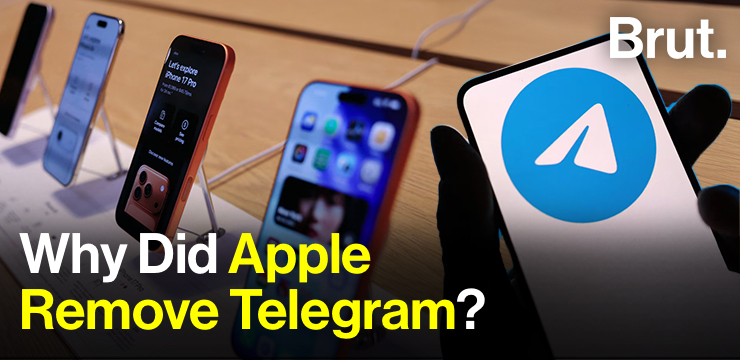
Telegram faces unprecedented platform stability risk following CEO Pavel Durov's allegations that an extortionist deliberately planted child sexual abuse material (CSAM) in a chat to trigger Apple App Store removal. This incident represents a critical inflection point for e-commerce sellers who rely on Telegram for supplier communications, customer service, and logistics coordination—particularly in Southeast Asia, Eastern Europe, and Latin America where Telegram dominates B2B messaging.
The compliance weaponization threat is immediate and severe. Durov's claim exposes a fundamental vulnerability: bad actors can now exploit app store moderation systems by planting illegal content to damage competitors or extract concessions. For e-commerce sellers, this creates three direct risks: (1) Platform removal risk—if Telegram is pulled from iOS/Android, sellers lose access to critical supplier networks and customer communication channels; (2) Regulatory scrutiny escalation—law enforcement and regulators will intensify investigations into Telegram's content moderation infrastructure, potentially triggering new compliance requirements for business users; (3) Liability exposure—sellers using Telegram for inventory coordination or customer communications could face regulatory questions about their platform choice if authorities determine Telegram inadequately safeguards against illegal content.
The regulatory compliance angle is particularly acute for cross-border sellers. Telegram has faced ongoing scrutiny from regulators in the EU, UK, and US regarding insufficient safeguards against illegal content and alleged use by criminal elements. The extortion allegation demonstrates that current content detection mechanisms are inadequate to distinguish between genuine illegal activity and malicious manipulation. This gap will likely trigger regulatory demands for enhanced automated content scanning, user verification systems, and law enforcement cooperation protocols—all of which could impose compliance costs on business users or force platform policy changes that disrupt legitimate commerce.
For sellers, the immediate concern is platform reliability and regulatory risk exposure. Approximately 50,000+ cross-border sellers in electronics, beauty, apparel, and home goods categories use Telegram for supplier coordination, particularly those sourcing from China, India, and Vietnam. If Telegram faces App Store removal or regulatory restrictions, these sellers lose a primary communication channel with manufacturers and logistics partners. The incident also signals that weaponized content moderation is an emerging threat vector—competitors or bad actors could target seller communication channels by planting illegal content, creating reputational and operational damage.
Compliance service opportunities emerge from this vulnerability. Sellers will increasingly demand: (1) alternative communication platforms with stronger content moderation (Signal, WhatsApp Business, Slack); (2) compliance monitoring tools that track platform regulatory status; (3) communication redundancy strategies that reduce Telegram dependency; (4) legal guidance on platform choice liability in regulated markets.
Questions 8
How does the Telegram CSAM allegation affect e-commerce sellers using the platform?
The allegation creates three direct risks for sellers: (1) **Platform removal risk**—if Apple or Google removes Telegram from their app stores, sellers lose access to supplier networks and customer communications; (2) **Regulatory escalation**—authorities will intensify scrutiny of Telegram's content moderation, potentially triggering new compliance requirements for business users; (3) **Liability exposure**—sellers could face regulatory questions about their platform choice if authorities determine Telegram inadequately safeguards against illegal content. Approximately 50,000+ cross-border sellers in electronics, beauty, and apparel categories rely on Telegram for supplier coordination, particularly those sourcing from Asia. Immediate action: audit your communication channels and develop redundancy strategies using alternative platforms like WhatsApp Business or Slack.
What is the compliance risk if Telegram faces App Store removal?
App Store removal would create immediate operational disruption for sellers who depend on Telegram for B2B communications. The incident demonstrates that bad actors can weaponize content moderation policies by planting illegal content to damage competitors or extract concessions. If Telegram is removed, sellers lose a primary communication channel with manufacturers and logistics partners, particularly in Southeast Asia, Eastern Europe, and Latin America where Telegram dominates business messaging. Regulatory authorities in the EU, UK, and US are already scrutinizing Telegram's content moderation practices. The extortion allegation will likely trigger demands for enhanced automated content scanning and law enforcement cooperation protocols. Sellers should immediately: (1) document all critical supplier contacts; (2) establish backup communication channels; (3) evaluate alternative platforms with stronger compliance records.