

Texas Delta-8 Ban Creates Compliance Moat | Sellers Face Inventory Seizure Risk
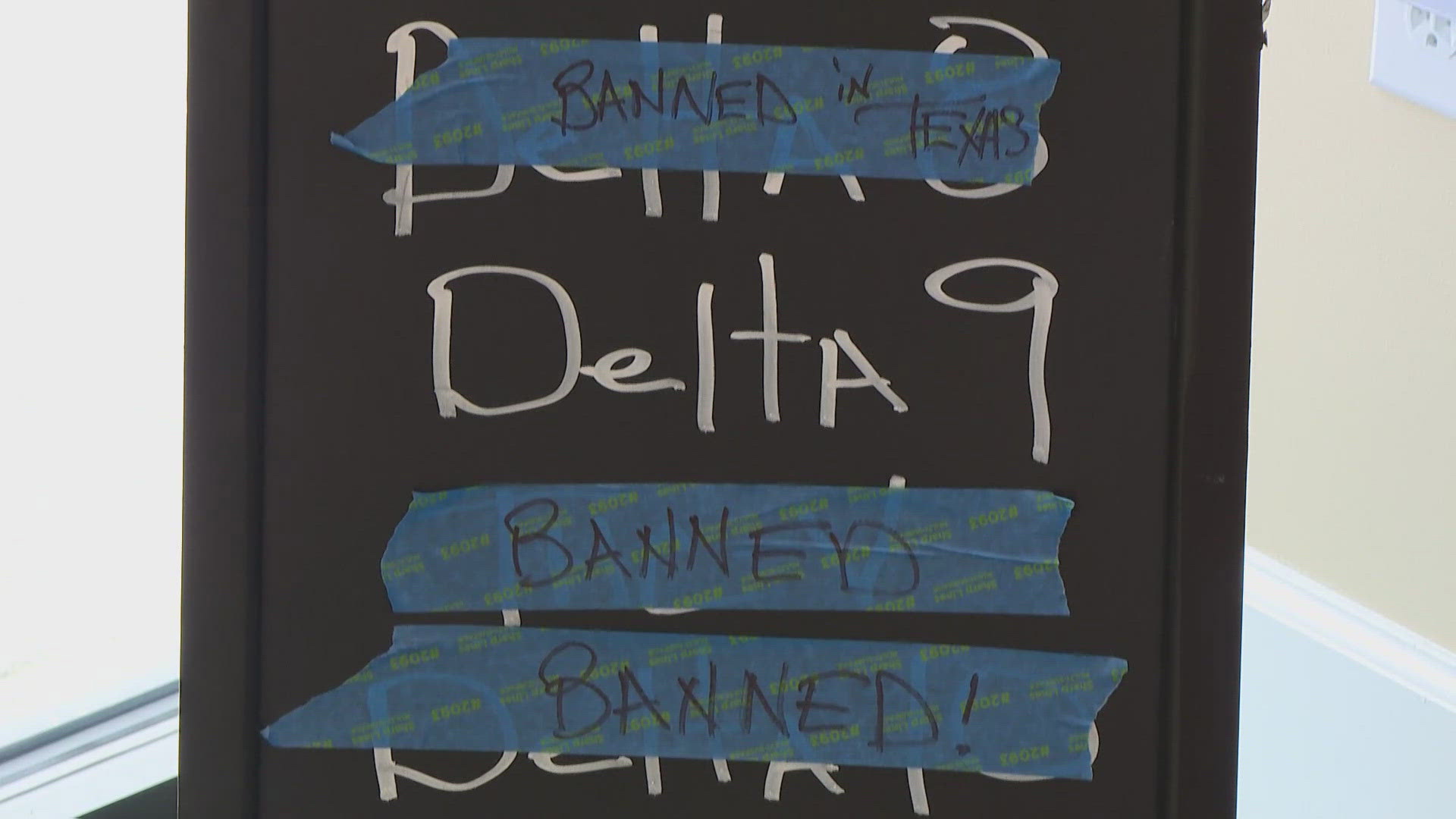
- Texas reclassifies Delta-8 as Penalty Group 2 (felony at 400g), forcing 10,000+ retailers to exit market; compliant hemp-derived alternatives gain competitive advantage



Overview
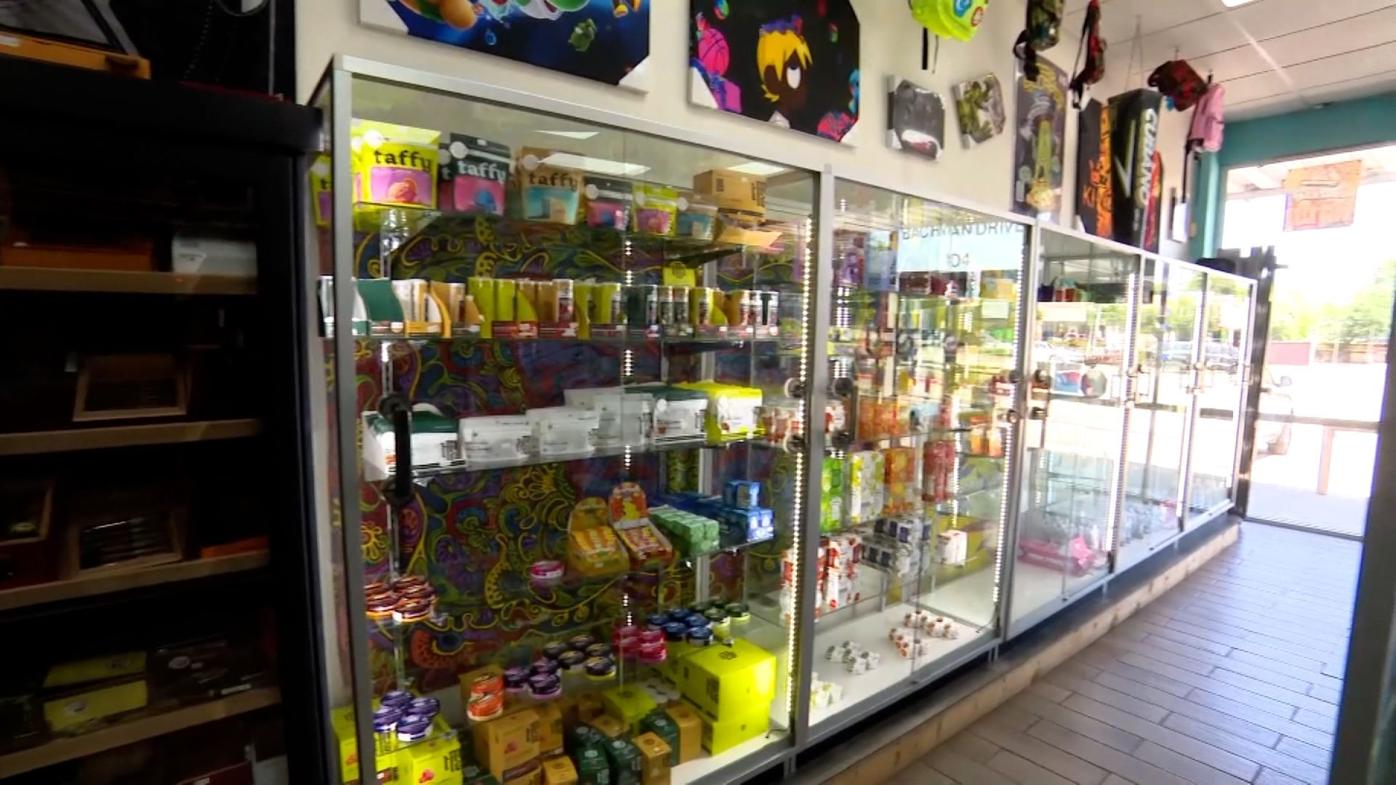
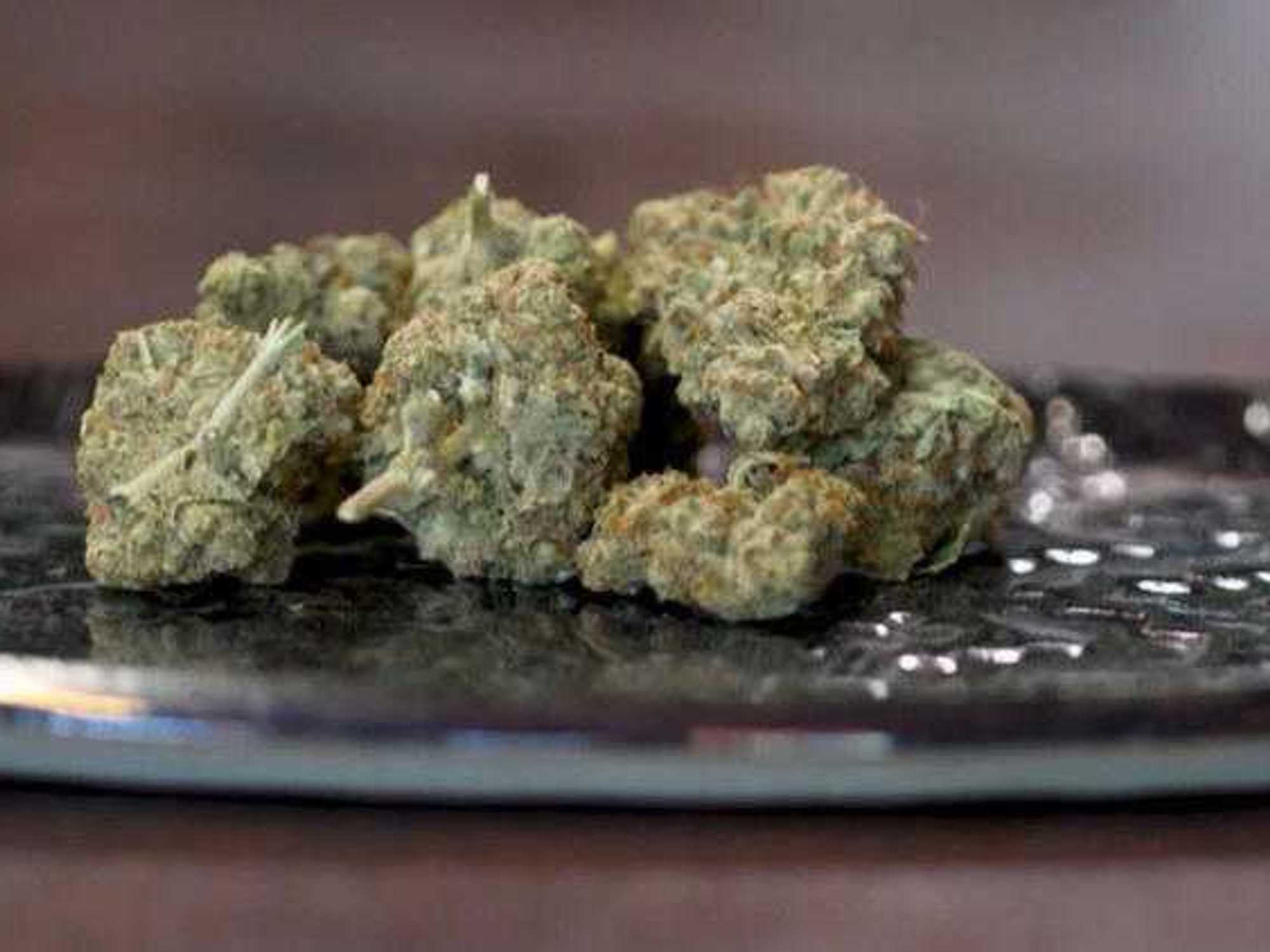
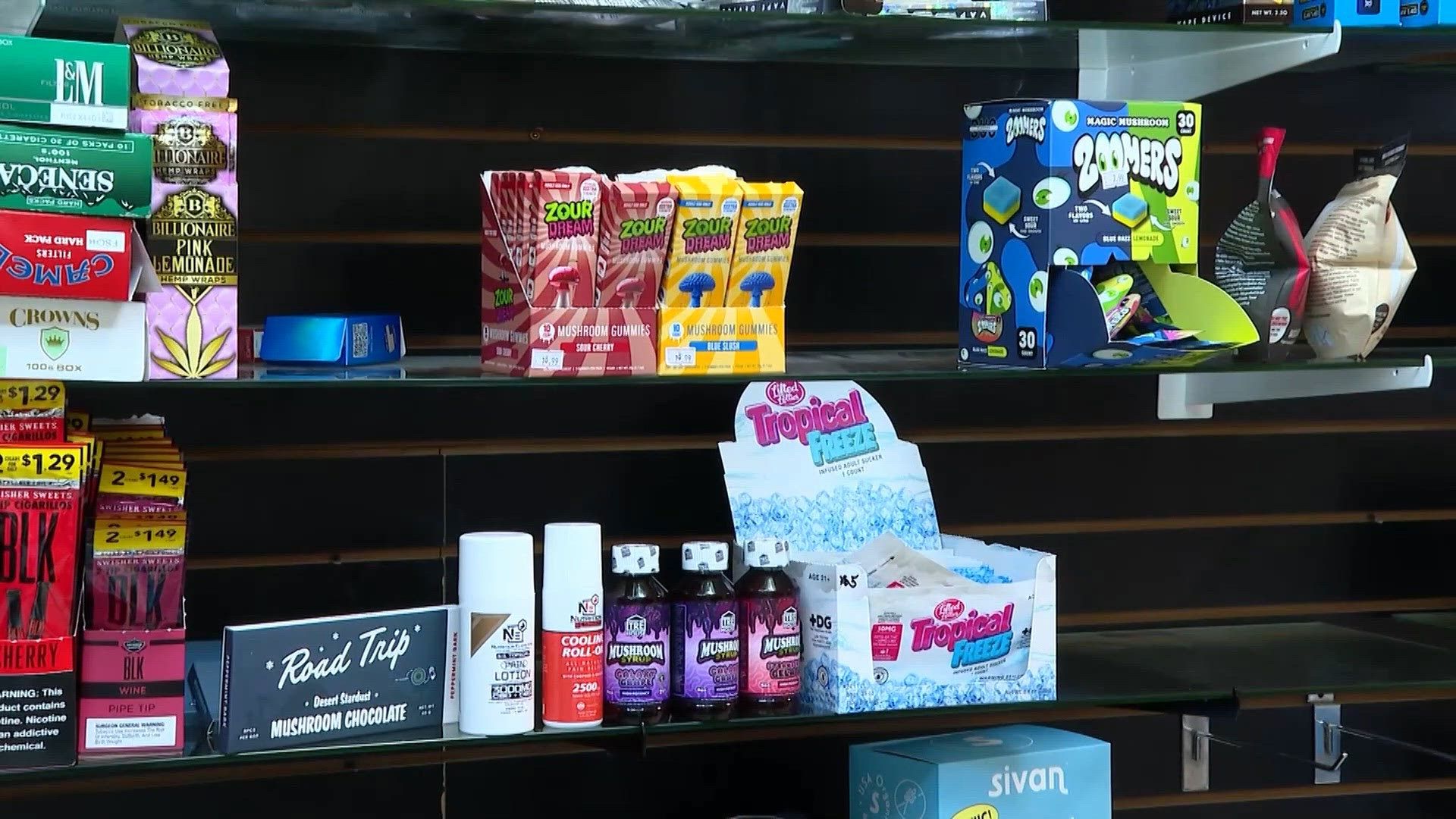
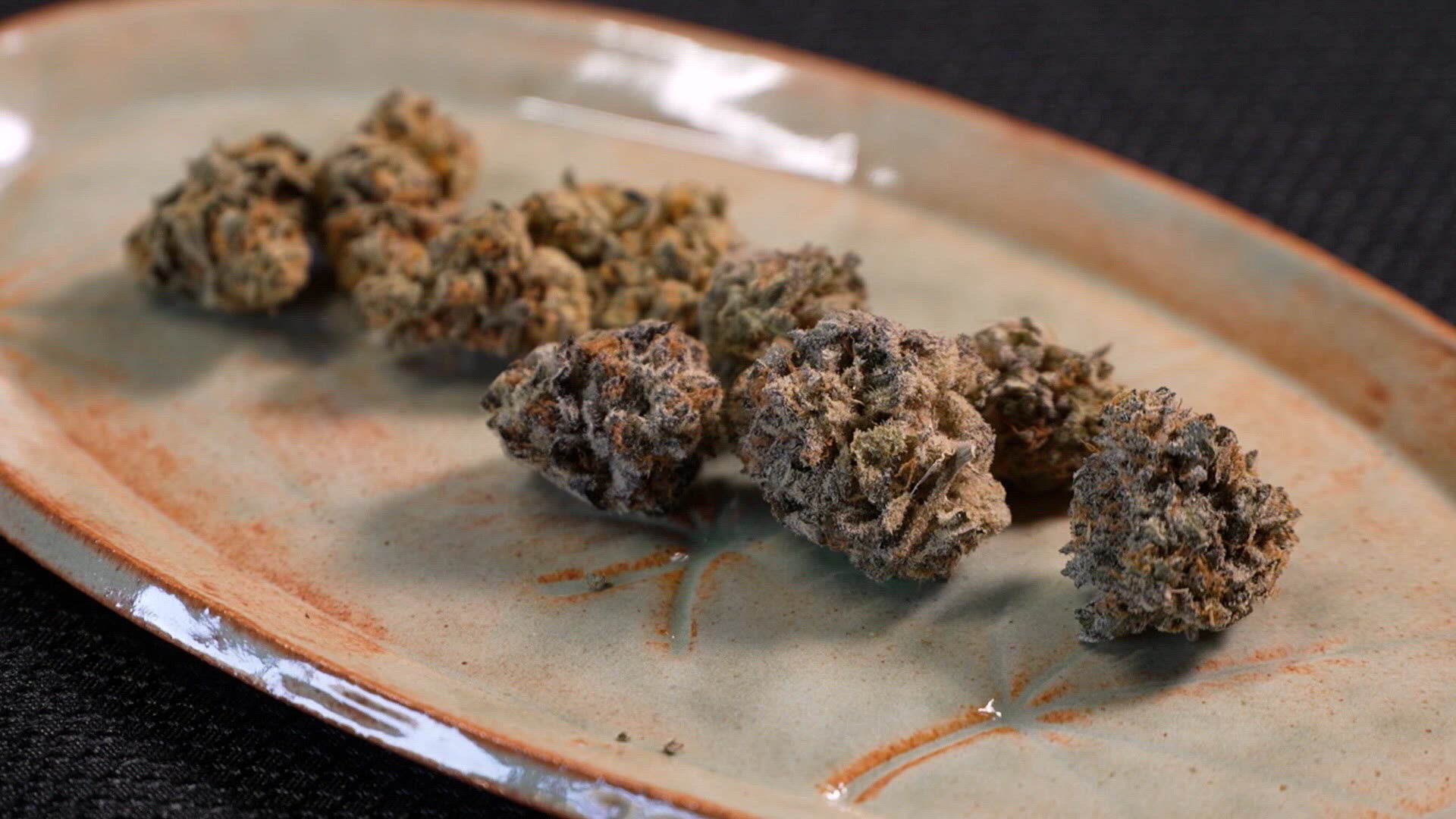
Texas's July 31, 2026 Delta-8 ban represents a watershed compliance event that eliminates an entire product category from the largest state market while creating high barriers for compliant alternatives. The Austin Police Department's August 4, 2026 enforcement announcement confirms aggressive seizure protocols: officers will confiscate suspected Delta-8 and THCa products without field testing kits, sending samples to labs for analysis. This creates immediate operational risk for the estimated 8,000-12,000 Texas retailers who stocked Delta-8 products in the legal gray area pre-ban. Possession of more than 400 grams (14 ounces) now constitutes a first-degree felony—equivalent to child trafficking charges—compared to marijuana's 2,000-pound threshold. This 5x severity disparity signals Texas's intent to eliminate synthetic cannabinoids entirely.
The compliance barrier is exceptionally high and creates a market winnowing opportunity. Sellers currently holding Delta-8 inventory face inventory losses estimated at $50-200M across Texas retail channels. The absence of portable field testing equipment means law enforcement will rely on lab confirmation, creating 2-4 week processing delays and potential detention without immediate product confirmation. This uncertainty deters new market entrants and forces existing retailers to liquidate inventory at 40-70% discounts or face seizure. The regulatory framework treats Delta-8 derivatives as Schedule II controlled substances, requiring DEA licensing and pharmaceutical-grade testing—a $15,000-40,000 compliance investment per SKU that most small retailers cannot justify.
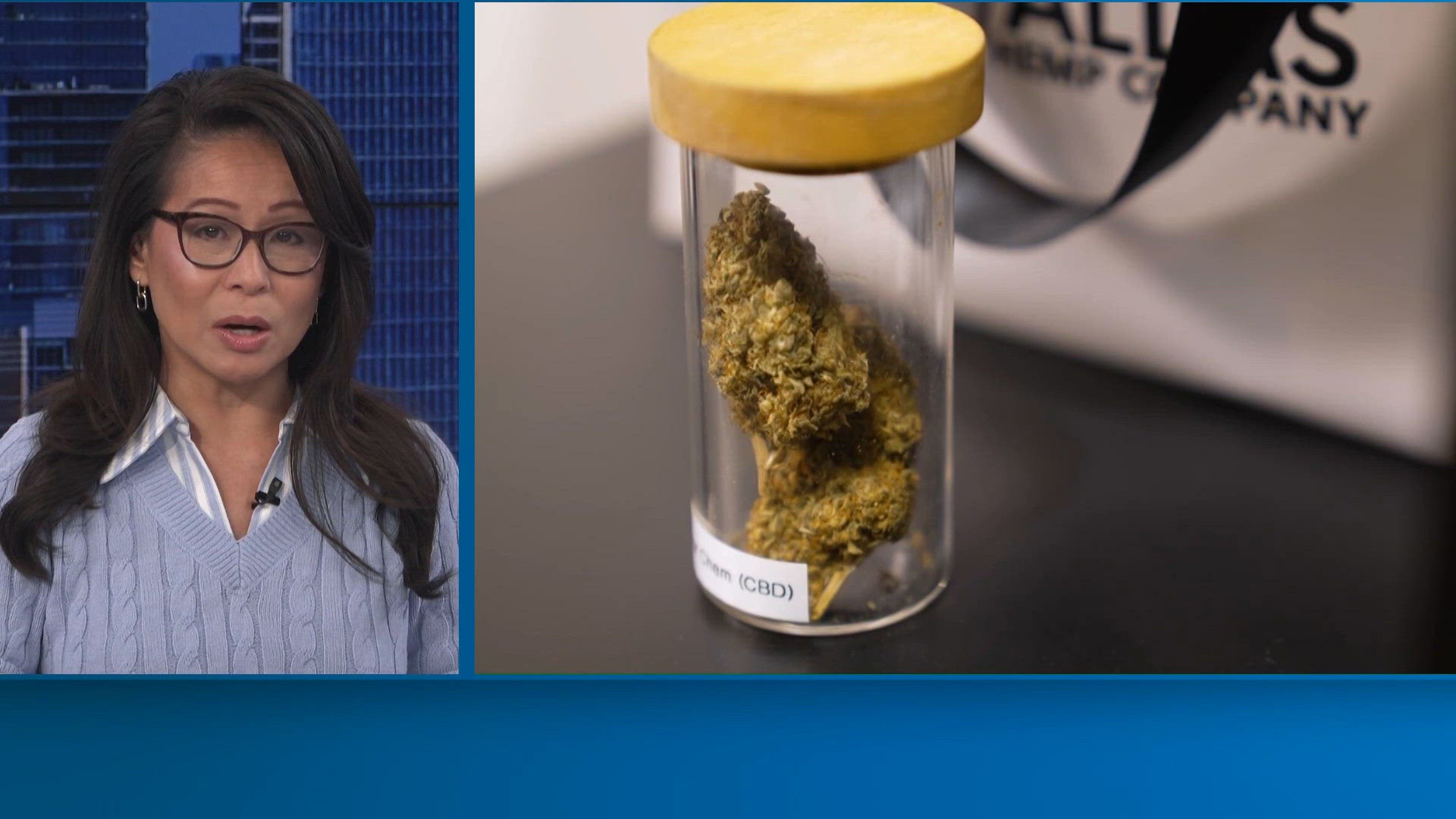
Compliant product alternatives now capture market share through regulatory arbitrage. Full-spectrum CBD products, CBN (cannabinol), and hemp-derived terpene blends remain legal under Texas law and federal hemp regulations (Farm Bill 2018). Sellers who pivot to these categories can capture 60-80% of Delta-8's previous customer base while operating in a compliance-protected market with minimal competition. The enforcement timeline (immediate seizure authority) creates urgency: sellers have 30-60 days to clear non-compliant inventory before law enforcement intensifies operations. Compliance service providers—lab testing, legal consultation, inventory liquidation platforms—will see 300-500% demand increases in Texas during Q3-Q4 2026. Cross-border sellers using Amazon, eBay, or Shopify must implement geofencing to prevent Delta-8 product listings from reaching Texas addresses, or face liability for facilitating illegal sales.
Questions 8
What is Delta-8 THC and why did Texas ban it when hemp is federally legal?
Delta-8 THC is a synthetic cannabinoid derived from hemp through chemical conversion, creating a psychoactive effect similar to marijuana. While the 2018 Farm Bill legalized hemp federally, Texas reclassified Delta-8 as a Penalty Group 2 controlled substance effective July 31, 2026, treating it more severely than marijuana. The distinction reflects Texas's view of synthetic derivatives as uncontrolled pharmaceutical products rather than natural hemp. Sellers must understand that federal legality does not override state bans—Texas enforcement applies to all retailers, including those using Amazon, eBay, or Shopify. This creates immediate liability for any inventory shipped to Texas addresses.
How severe are the legal penalties for selling Delta-8 in Texas after July 31, 2026?
Possession of more than 400 grams (14 ounces) of Delta-8 constitutes a first-degree felony in Texas, equivalent to charges for child trafficking, fatal arson, and aggravated robbery. This is 5x more severe than marijuana, which requires 2,000+ pounds for felony status. The Austin Police Department confirmed on August 4, 2026 that officers will seize suspected products and send them to labs for testing, with detectives potentially issuing warrants based on results. Retailers face not only criminal liability but also civil asset forfeiture of inventory, equipment, and business premises. Sellers should immediately audit inventory and remove all Delta-8 products from Texas-accessible channels.