




Diesel Price Surge Threatens E-Commerce Margins | 36% California Premium Hits Sellers
- California diesel at $6.92/gal (+35% YoY) creates $2-8/unit shipping cost increases for sellers; 1/3 of US imports flow through San Pedro Bay; small sellers face 8-15% margin compression within 90 days




Overview
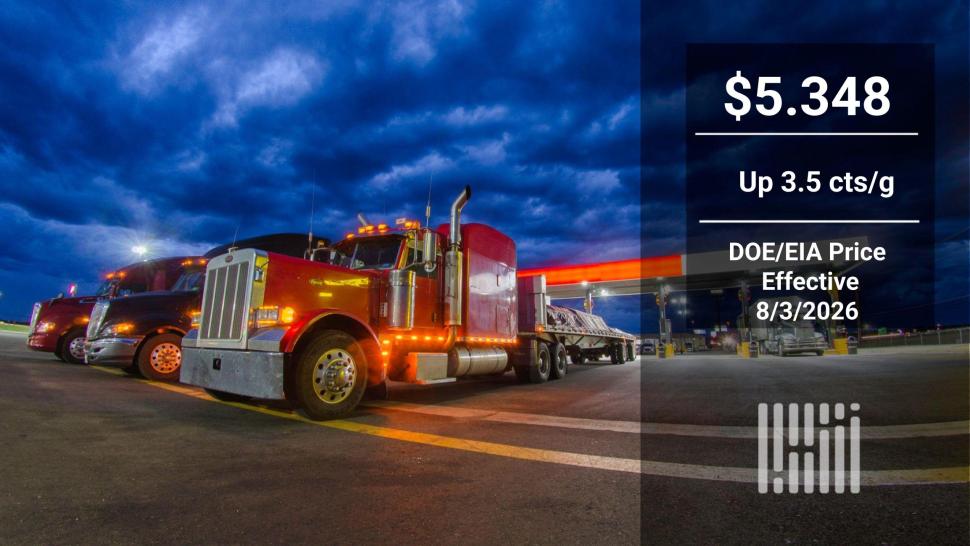
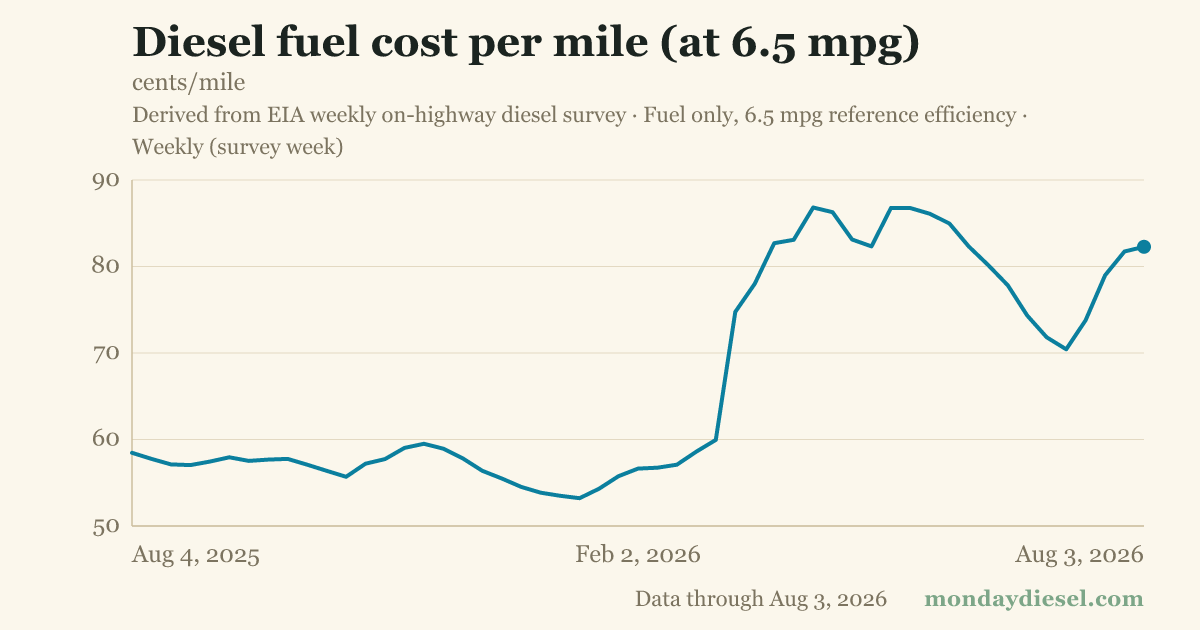
The diesel price crisis represents an immediate operational cost shock for cross-border e-commerce sellers. California's average diesel price has surged to $6.92 per gallon—up from $5.10 before the Iran war six months ago—compared to the national average of $5.36, creating a 36% regional premium. This matters critically because nearly one-third of all U.S. containership imports and exports flow through California's San Pedro Bay port complex, meaning goods destined for shelves nationwide are first transported by trucks and trains paying these elevated fuel costs. The Financial Times reports that current diesel prices have now exceeded Biden-era averages, marking a structural shift in energy markets driven by an 8% global diesel shortfall stemming from the Iran conflict and Russian refinery attacks.
For e-commerce sellers, this translates to immediate margin compression across all logistics channels. Freight forwarding companies, 3PL providers, and fulfillment centers—which depend entirely on diesel-powered transportation—are implementing fuel surcharges on shipping services. Small and medium-sized sellers operating on thin margins (5-12% net profit) face the most acute pressure, as larger enterprises with negotiated long-term contracts can absorb costs more effectively. JPMorgan analysts emphasize that this "hidden tax" on consumers increases delivered costs for everyday products nationwide, ultimately reducing consumer purchasing power and dampening overall e-commerce demand. ExxonMobil CEO Darren Woods confirmed this refining challenge will persist long-term, noting that even after geopolitical tensions ease, Russia's lost capacity and Chinese export decisions will continue constraining global diesel supply.
The structural nature of this crisis creates both immediate and strategic challenges. California's situation is exacerbated by its shrinking fossil fuel industry, closed refineries, lack of major fuel pipelines connecting to other states, and strict environmental regulations that drive pump prices higher than anywhere else in the nation. For sellers, this means: (1) immediate shipping cost increases of $2-8 per unit depending on weight and destination, (2) potential 8-15% margin compression for sellers with thin operating margins, (3) accelerated shift toward regional fulfillment strategies to bypass California ports, and (4) consumer price sensitivity increasing as transportation costs cascade through retail pricing. The policy implications are significant—the Trump administration's emphasis on energy independence may eventually drive policy changes, but near-term relief appears unlikely given global supply constraints that extend 12-24 months.
Questions 8
How will rising diesel costs affect consumer demand and my sales volumes?
JPMorgan analysts emphasize that diesel price premiums create a 'hidden tax' on consumers, increasing delivered costs for everyday products nationwide and reducing consumer purchasing power. As transportation costs cascade through retail pricing, consumers become more price-sensitive, particularly in discretionary categories (home goods, electronics, apparel). Expect 3-8% demand reduction in price-elastic categories as consumers delay purchases or shift to lower-cost alternatives. Conversely, essential categories (groceries, health/beauty, household supplies) show more resilience. Sellers should monitor category-specific demand trends and adjust inventory planning accordingly. Consider promotional strategies to maintain volume during demand softness, but avoid aggressive discounting that further compresses margins already stressed by fuel costs.
How does the Iran war specifically impact my supply chain and shipping costs?
The Iran war disrupted global diesel supply by threatening Strait of Hormuz shipping lanes (20% of global oil passes through) and triggering Ukraine's attacks on Russian refining infrastructure. This created an 8% global diesel shortage that persists even when shipping lanes remain open. California refineries cannot import Russian diesel, and the state's closed refineries limit domestic supply, creating the $1.82/gallon regional premium. For sellers importing from Asia, the war increases shipping costs via two mechanisms: higher fuel surcharges (8% shortage) and potential route delays if Strait of Hormuz shipping is disrupted. Sellers should diversify sourcing away from single-port dependencies and maintain 60-90 day inventory buffers to absorb potential shipping delays. Monitor geopolitical tensions in the Middle East and Ukraine—any escalation could trigger additional fuel price spikes or shipping route disruptions.