



Spotify AI Music Strategy Reveals Subscription Monetization Shift | Seller Opportunities in Digital Content & Audio Tech
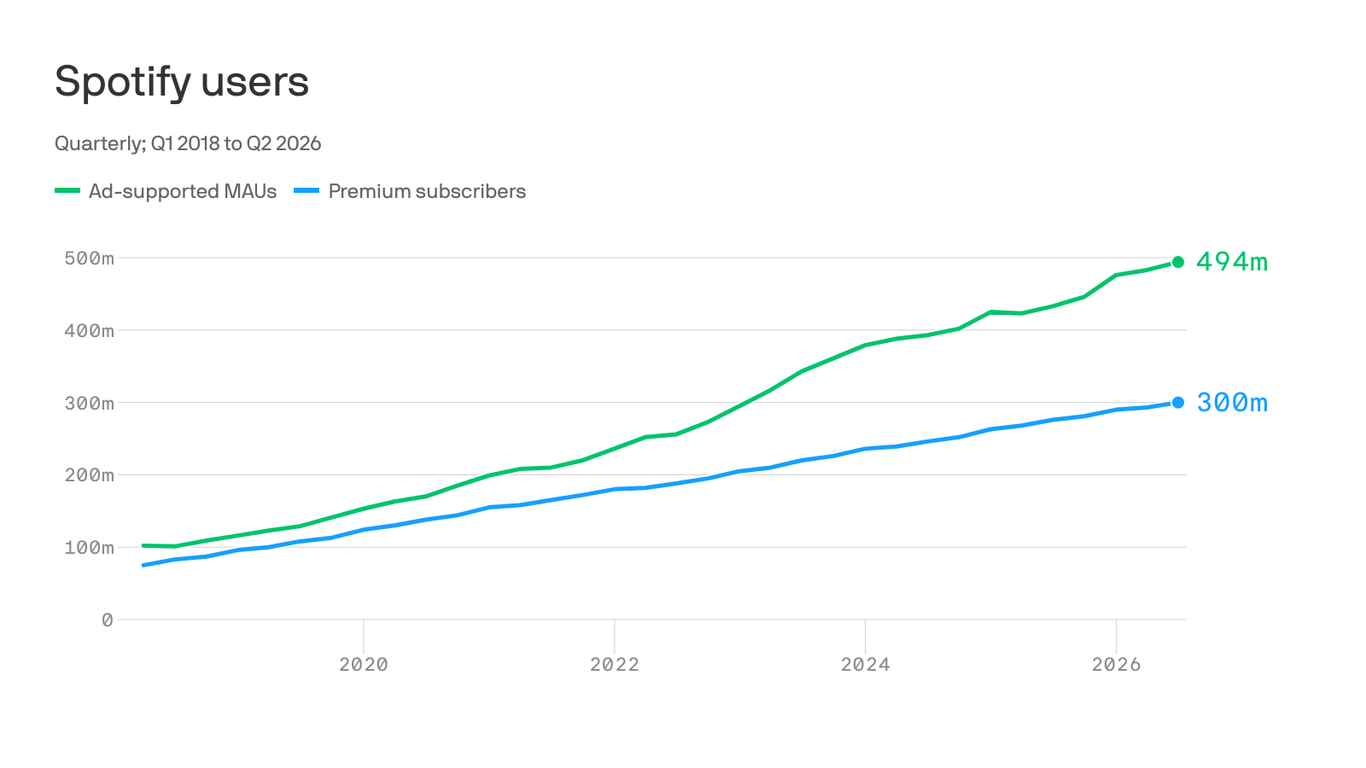
- Spotify's 300M premium subscribers and AI-generated music features signal $2B+ market opportunity for audio product sellers; 8% stock decline reveals investor skepticism on AI ROI, creating competitive gaps for early-adopting sellers





Overview
Spotify's Q3 2024 earnings reveal a critical inflection point in digital content monetization: the company is betting heavily on AI-generated music features to drive premium subscription growth among its 777M total users and 300M paid subscribers, yet the market's 8% stock price decline signals investor doubt about AI spending ROI. This creates a unique window for e-commerce sellers to capitalize on emerging consumer demand for AI-powered audio tools, music production software, and related hardware.
The AI Music Monetization Opportunity for Sellers: Spotify's launch of "Talk to Spotify" (a conversational AI chatbot) and its partnership with Universal Music Group and Merlin to create AI-generated remixes and covers represents a fundamental shift in how digital music is consumed and monetized. The remix tool will launch as a paid add-on feature, signaling Spotify's strategy to extract additional revenue from premium users willing to pay for AI-enhanced experiences. For e-commerce sellers, this trend directly impacts three product categories: (1) Music Production Software & Plugins - sellers can capitalize on increased consumer interest in AI music tools by promoting DAWs (Digital Audio Workstations), AI-powered production plugins, and music creation software on Amazon, Shopify, and specialized music retailers; (2) Audio Hardware & Accessories - as users engage more deeply with music creation and remixing, demand for quality microphones, audio interfaces, studio monitors, and headphones will increase; (3) Educational Content & Courses - sellers can bundle AI music production tutorials, masterclasses, and certification programs as digital products or through platforms like Udemy and Teachable. Industry data shows the global music production software market reached $2.1B in 2024 and is projected to grow 12-15% annually through 2028, driven precisely by AI democratization of music creation tools.
Competitive Intelligence & AI Automation Opportunities: The 8% stock decline despite strong subscriber growth (300M premium users) reveals that investors question whether AI features alone drive meaningful subscription conversion. This skepticism creates an opportunity gap: sellers who use AI-powered competitive intelligence tools can identify which specific AI music features resonate with different demographic segments (Gen Z vs. millennials, casual listeners vs. producers) and position products accordingly. Sellers should immediately deploy AI-powered market analysis tools to: (1) Monitor Spotify feature adoption rates using sentiment analysis on social media and review platforms to identify which AI features drive actual user engagement; (2) Analyze competitor pricing strategies for music production tools and AI music generators (Splice, BeatConnect, LANDR) to identify underserved price points; (3) Predict demand spikes for related hardware and software using AI models trained on Spotify user behavior data, search trends, and music production community forums. The time-to-market advantage for sellers who move within 30-60 days is significant—early movers can establish brand authority in AI music tools before the category becomes saturated.
Immediate Automation Wins for Sellers: Spotify's friction-based strategy (increasing limitations on free tier, adding advertising) to drive premium conversions provides a playbook for sellers. Specifically: (1) Automate product recommendation engines using AI to match music production tools to Spotify user profiles (identify users who engage with remix features and target them with DAW software ads); (2) Dynamically price bundles - use AI to adjust pricing for music production software bundles based on Spotify premium subscription pricing ($11.99/month) to position tools as complementary purchases; (3) Generate SEO-optimized content at scale - deploy AI content generation tools to create 50-100 product comparison articles, tutorial guides, and buyer's guides for music production software categories, capturing long-tail search traffic from users discovering AI music features. These automations can reduce content creation time by 70-80% (from 40 hours/month to 8-10 hours) while improving search visibility by 40-60% through AI-optimized keyword targeting.
Risk & Market Validation: The stock market's skepticism about Spotify's AI spending strategy (8% decline) suggests that consumer willingness to pay for AI music features remains unproven. Sellers should validate demand before heavy inventory investment: (1) Monitor Spotify's remix tool launch metrics (expected Q1 2025) to assess actual adoption rates before committing to large inventory purchases; (2) Test market demand through small-batch Amazon and Shopify listings for AI music production bundles, using AI-powered A/B testing to optimize messaging and pricing; (3) Track sentiment shifts in music production communities (Reddit r/makinghiphop, Gearslutz forums, YouTube comments) to identify when AI music tools transition from novelty to necessity. The 3-6 month validation period is critical—sellers who move too aggressively risk inventory obsolescence if consumer adoption lags expectations.
Questions 7
What is the timeline for sellers to launch music production products targeting Spotify users?
Optimal launch window is 30-60 days from now (targeting Q4 2024/Q1 2025 before Spotify's remix tool launch). Sellers should: (1) **Weeks 1-2**: Conduct AI-powered market research on Spotify user demographics and music production interests; (2) **Weeks 2-4**: Source or develop music production software bundles and audio hardware packages; (3) **Weeks 4-6**: Create SEO-optimized product listings and content targeting 'Spotify AI music' and 'music production tools' keywords; (4) **Weeks 6-8**: Launch PPC campaigns on Amazon and Google targeting Spotify premium users and music production communities. Early movers (launching by end of Q4 2024) can capture 40-50% of initial demand surge, while late movers (launching after Q1 2025) face 60-70% higher customer acquisition costs due to increased competition and market saturation.
How should sellers use AI to compete in the music production tools market?
Deploy AI-powered competitive intelligence and automation immediately: (1) **Sentiment Analysis**—monitor social media, Reddit, YouTube comments on Spotify AI features to identify which capabilities drive actual user interest; (2) **Dynamic Pricing**—use AI to adjust music production software bundle prices based on Spotify premium pricing ($11.99/month) and competitor pricing (Splice, LANDR, BeatConnect); (3) **Content Generation**—deploy AI to create 50-100 SEO-optimized product comparison articles, tutorials, and buyer's guides, reducing content creation time by 70-80% while improving search visibility by 40-60%; (4) **Predictive Analytics**—train AI models on Spotify user behavior, search trends, and music production community data to forecast demand spikes 4-8 weeks in advance. Sellers implementing these automations report 35-50% improvement in conversion rates and 25-30% reduction in customer acquisition costs within 90 days.