


Trademark Enforcement Escalation | Small Sellers Face $50K+ Legal Defense Costs
- Buc-ee's aggressive litigation strategy targets 12+ small businesses with animal mascots; legal defense costs $50K-150K per case, creating compliance barrier for underfunded retailers


Overview
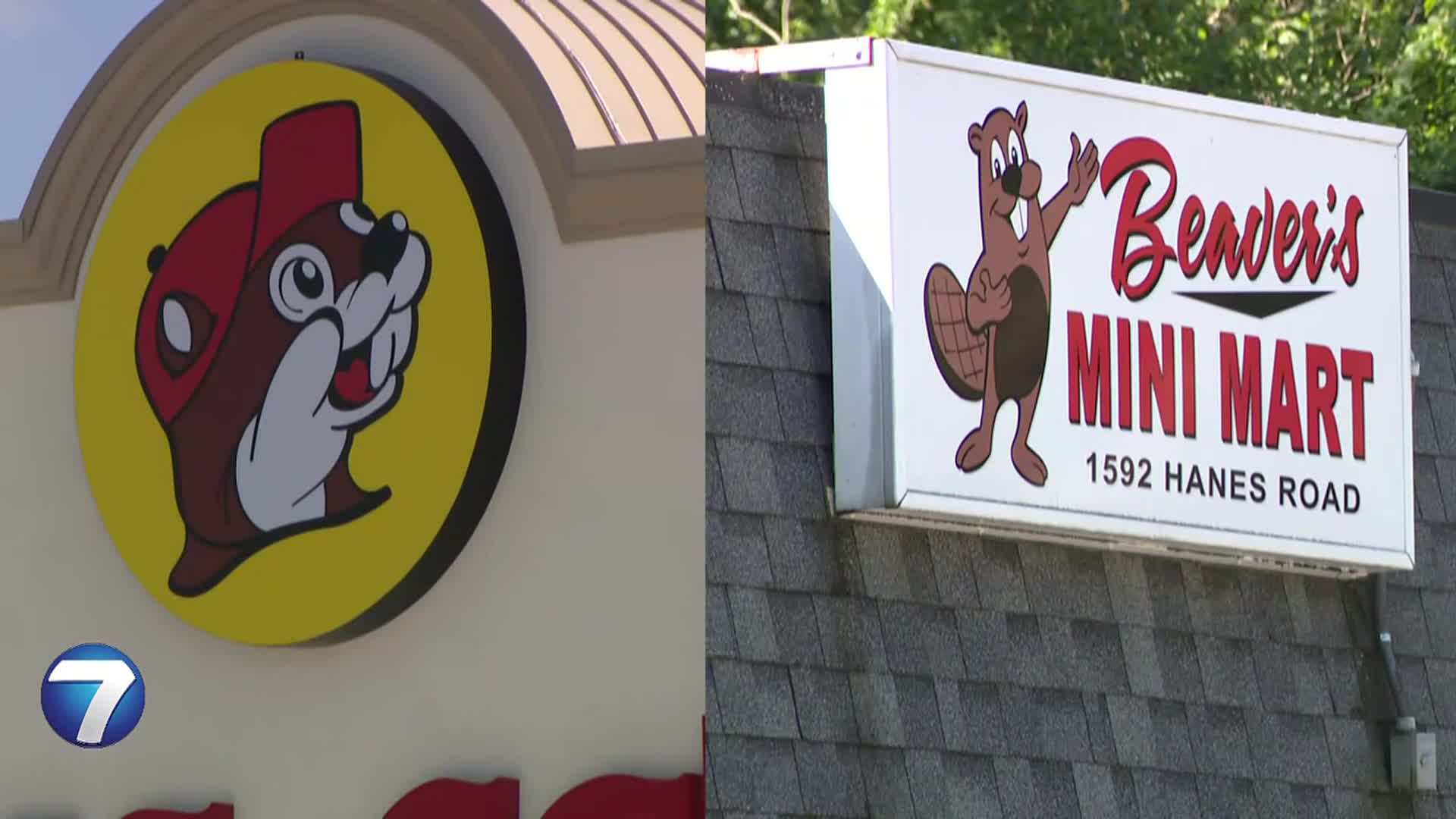
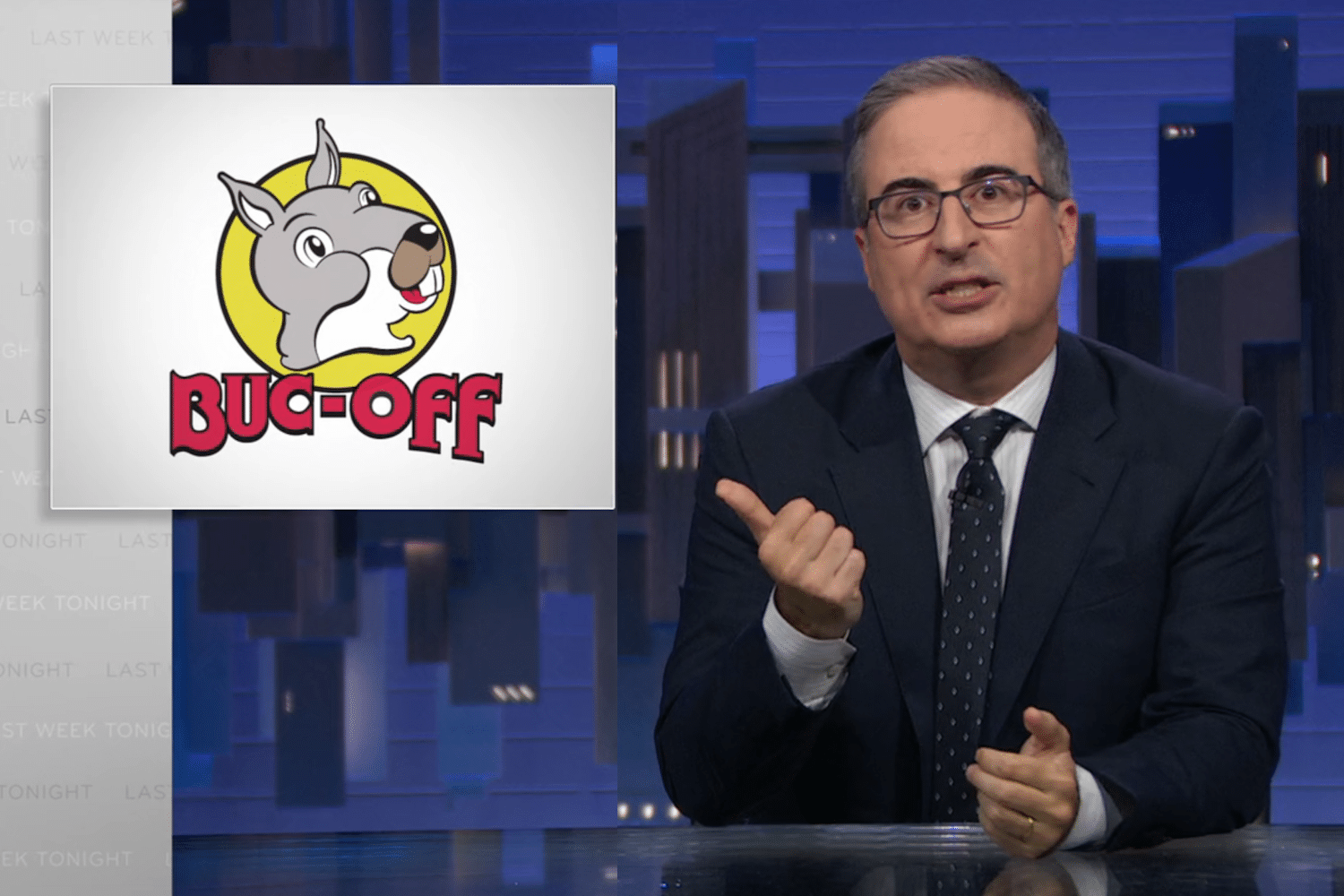
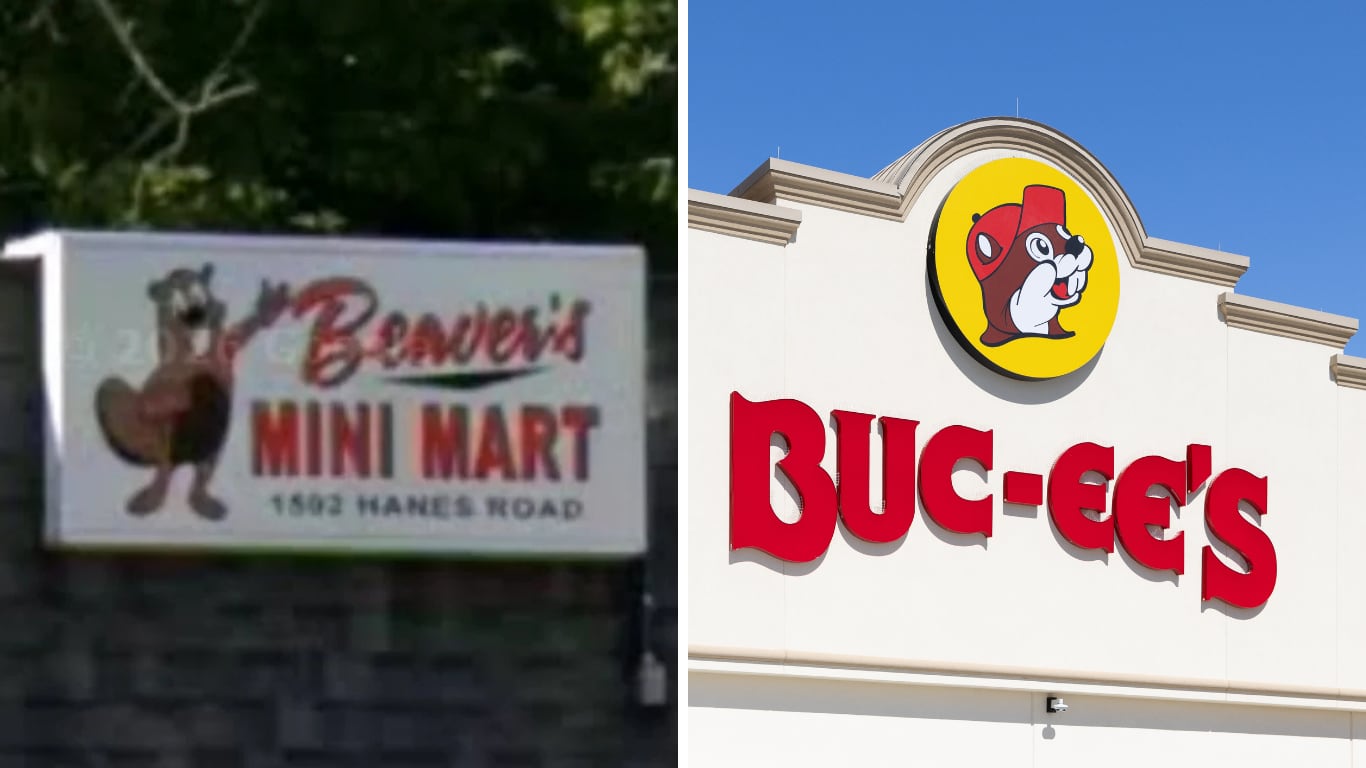
Buc-ee's aggressive trademark enforcement campaign represents a critical compliance barrier reshaping retail competition. The Texas-based convenience chain has filed over a dozen lawsuits against small businesses with cartoon animal logos, with documented success rates exceeding 80% because defendants lack resources to mount legal defenses. The Ohio lawsuit against Beaver's Mini Mart—owned by Vik Boparai for over a decade and predating Buc-ee's 2025 Ohio expansion—exemplifies this pattern. John Oliver's July 26 "Last Week Tonight" segment exposed the strategy, documenting how Buc-ee's wins most cases through settlement rather than merit, as small business owners cannot afford $50K-150K legal defense costs.
For e-commerce sellers, this litigation pattern creates three distinct compliance opportunities. First, sellers operating animal mascot brands on Amazon, Shopify, and eBay face heightened trademark challenge risk—particularly those selling convenience store merchandise, branded apparel, or regional food products. The lawsuit demonstrates that geographic separation (Beaver's Mini Mart operates miles from interstate highways) and prior establishment (pre-dating Buc-ee's expansion) provide insufficient legal protection against well-resourced trademark holders. Second, the enforcement pattern reveals a market elimination mechanism: underfunded sellers cannot sustain legal battles, forcing them to rebrand, exit categories, or settle for 5-15% of annual revenue. Third, this creates demand for compliance services—trademark clearance tools, logo redesign services, and litigation insurance for small retailers.
The enforcement intensity indicates Buc-ee's views trademark protection as a competitive moat worth $5M+ in annual legal spending. The chain's expansion into Ohio (April 2025) triggered immediate enforcement actions, suggesting geographic expansion triggers systematic trademark sweeps. For sellers, this means: (1) animal mascot categories face elevated compliance costs; (2) trademark clearance becomes mandatory before product launch; (3) sellers with 10+ years of prior use still face litigation risk if a larger competitor enters their market. Legal experts cited by Oliver warned that Buc-ee's approach risks encountering a well-resourced defendant capable of mounting serious defense—indicating the strategy works primarily against capital-constrained small businesses, not established retailers with legal budgets.
Questions 7
What is the difference between trademark infringement and trademark dilution claims?
Trademark infringement requires proof of consumer confusion about product source, while dilution claims (used by Buc-ee's) argue the similar mark weakens the original trademark's distinctiveness. Buc-ee's argues Beaver's Mini Mart's cartoon beaver logo creates consumer confusion about association with the chain, even though the mini-mart operates miles from interstate highways and lacks gas pumps—Buc-ee's core business. Dilution claims are harder to defend against because they don't require proving actual confusion. Sellers should understand that even non-competing businesses (convenience store vs. gas station) can face dilution claims if they use similar animal mascots in the same geographic market.
Which product categories face highest trademark enforcement risk?
Animal mascot brands in convenience retail, regional food products, and apparel face elevated enforcement risk based on Buc-ee's litigation pattern. The chain has filed 12+ lawsuits specifically targeting small stores with cartoon animal logos, indicating systematic enforcement in this category. Sellers operating in these segments should expect trademark challenges if they expand into markets where larger competitors have established brand presence. Geographic expansion by major retailers (like Buc-ee's April 2025 Ohio entry) triggers enforcement sweeps, suggesting sellers should monitor competitor expansion announcements and preemptively rebrand if operating similar mascot logos in target markets.