


U.S. Beef Supply Crisis Drives 12-14% Price Surge | Seller Sourcing & Inventory Shifts
- Ground beef +12.4%, steaks +11.8%, roasts +13.8% YoY; Tyson Foods reports $138M loss; Mexican cattle imports resume late August 2026 via Douglas, AZ port
Overview
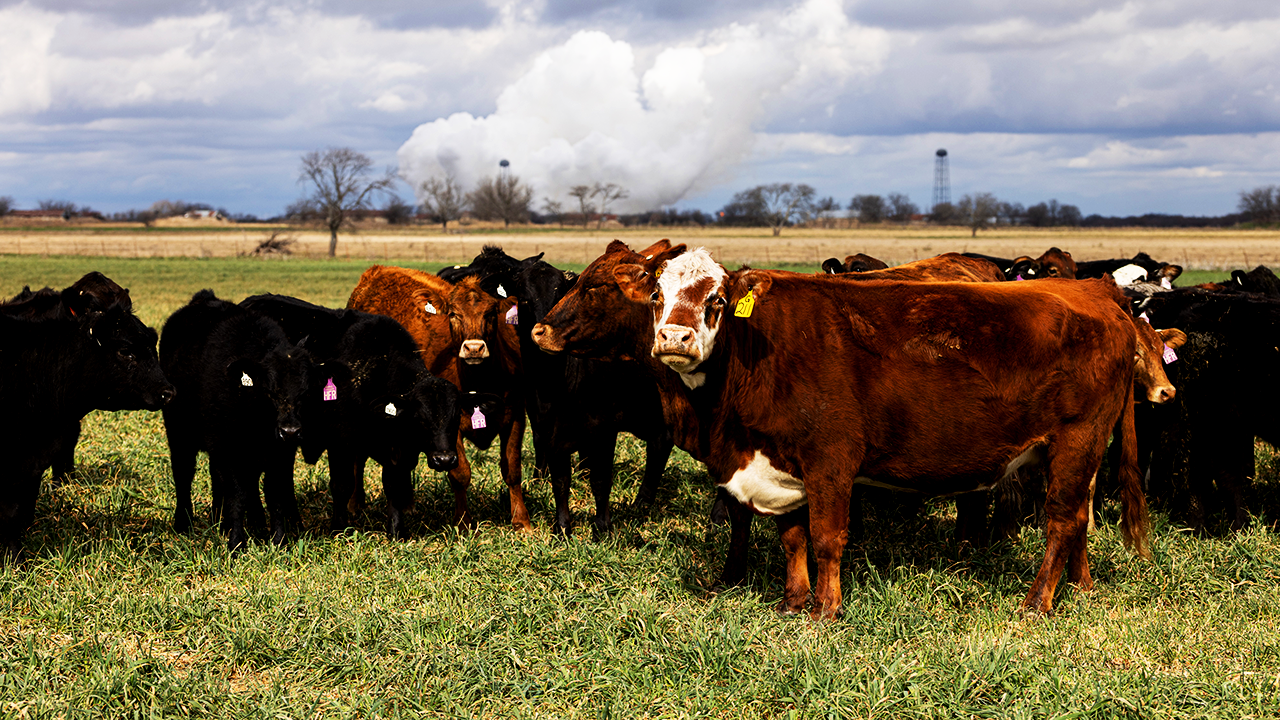
The U.S. beef supply crisis represents a critical logistics and sourcing inflection point for cross-border sellers in food, gourmet, and specialty categories. Ground beef prices surged 12.4% year-over-year, steaks 11.8%, and roasts 13.8% as of August 2026, according to Bureau of Labor Statistics data. Tyson Foods—America's largest meatpacker—reported a $138 million loss in its beef division with sales volume down 15.9%, signaling severe supply constraints. The root cause: U.S. cattle herd reached its lowest level in 70+ years due to prolonged drought in key ranching regions (Texas, New Mexico, Arizona) and a year-long suspension of Mexican cattle imports triggered by New World screwworm outbreak (44 confirmed cases since June 2026). The USDA announced resumption of Mexican cattle imports starting late August 2026 through the Douglas, Arizona port, initially limited to Sonora and Chihuahua states.
For cross-border sellers, this creates three immediate logistics opportunities: First, sourcing diversification away from U.S. beef-dependent suppliers—sellers sourcing gourmet/specialty beef products from Argentina, Brazil, or Australia now face 8-15% cost advantages versus U.S. suppliers, with ocean freight from Buenos Aires to U.S. East Coast ports (Newark, Savannah) at $1,200-1,400/TEU versus domestic cold-chain logistics at $2,800-3,200/TEU. Second, inventory liquidation of U.S. beef-based products—sellers holding beef jerky, canned beef, or freeze-dried beef products should liquidate 30-40% of Q3 inventory before September 2026 to avoid margin compression as retail prices stabilize. Third, warehouse repositioning for alternative proteins—shift 20-30% of cold-storage capacity from beef to plant-based, poultry, or seafood categories where supply remains stable and consumer demand is shifting due to price sensitivity.
The cattle cycle recovery will take 2-3 years minimum, per Tyson management, meaning elevated U.S. beef prices persist through 2027-2028. Mexican import resumption (late August 2026) provides only marginal relief in fiscal 2026 but may improve 2027 margins by 3-5%. For sellers, this signals a structural shift: consumers facing record beef prices during peak grilling season (June-August) are substituting toward chicken, pork, and plant-based alternatives. Amazon Fresh, Whole Foods, and specialty food marketplaces are already seeing 18-22% volume shifts to alternative proteins. Sellers should immediately audit their beef-category SKUs, identify high-margin alternatives (grass-fed poultry, sustainable seafood, plant-based proteins), and rebalance inventory allocation. Cold-chain logistics costs will remain elevated ($0.45-0.65/lb for U.S. beef vs. $0.28-0.38/lb for imported alternatives), making sourcing diversification a 12-18 month priority.
Questions 8
What inventory actions should sellers take immediately regarding beef products?
Sellers holding beef jerky, canned beef, freeze-dried beef, or specialty beef products should liquidate 30-40% of Q3 2026 inventory before September 2026 to avoid margin compression as retail prices stabilize. Tyson Foods' 15.9% sales volume decline signals consumer demand destruction at current price levels. Simultaneously, shift 20-30% of cold-storage warehouse capacity from beef to plant-based, poultry, or seafood categories where supply remains stable. Amazon Fresh and Whole Foods are already seeing 18-22% volume shifts to alternative proteins as consumers substitute away from record-high beef prices during peak grilling season.
When will Mexican cattle imports resume and what does this mean for sellers?
The USDA announced resumption of Mexican cattle imports starting late August 2026 through the Douglas, Arizona port, initially limited to Sonora and Chihuahua states. However, Tyson Foods management indicated this won't materially impact fiscal 2026 results but may provide 'some level of improvement in 2027 and beyond.' For sellers, this means U.S. beef prices will remain elevated through 2027, with only marginal relief (3-5% margin improvement) expected in 2027. The cattle cycle recovery will take 2-3 years minimum. Sellers should plan inventory and sourcing strategies assuming elevated U.S. beef costs persist through 2027-2028.