


Aggressive Trademark Enforcement Creates Compliance Moat | Small Business IP Risk Surge
- Buc-ee's filed 12+ lawsuits targeting animal mascots; 90%+ win rate forces sellers to invest in IP clearance; community backlash signals regulatory vulnerability for aggressive enforcement strategies






Overview
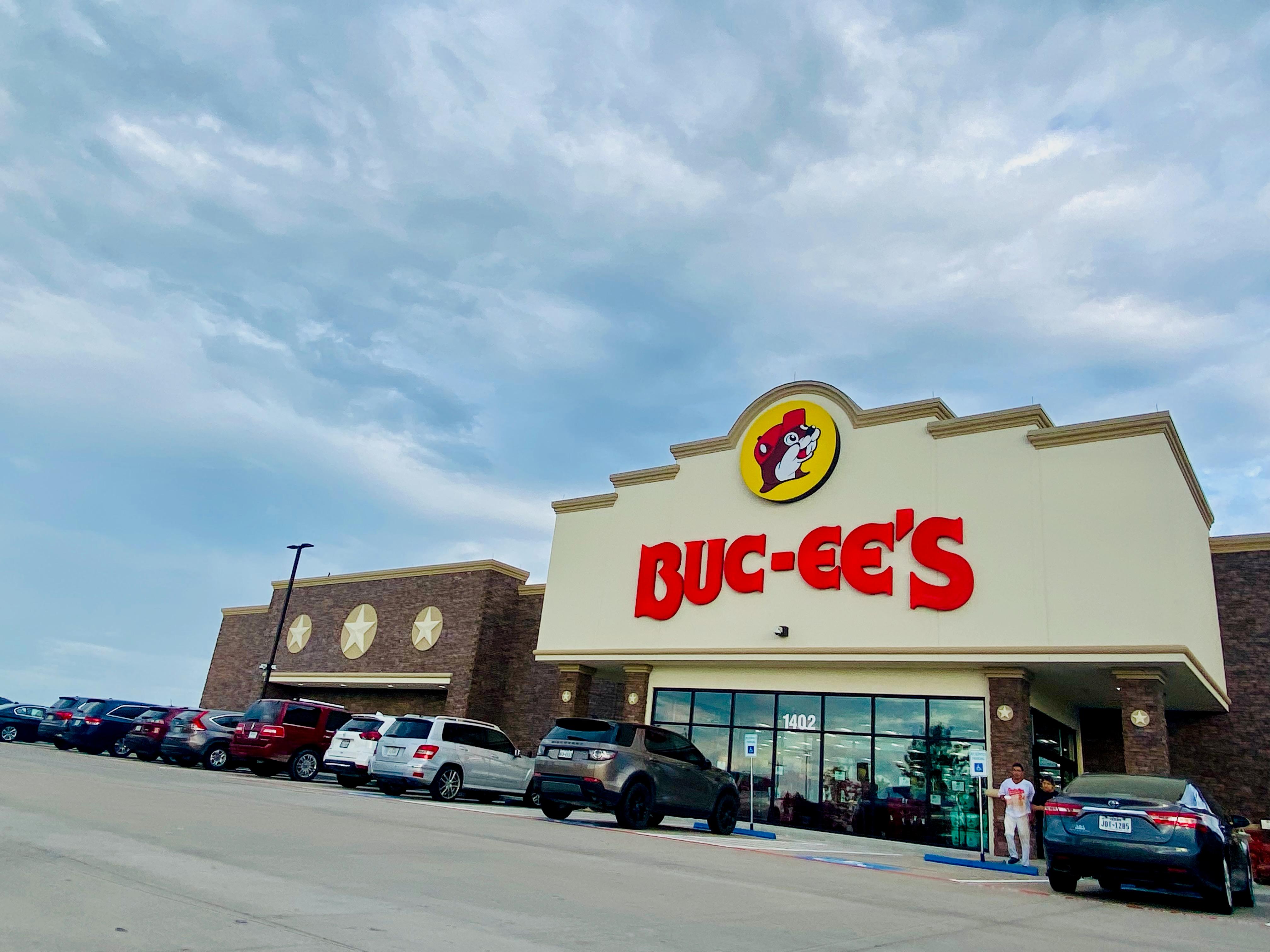
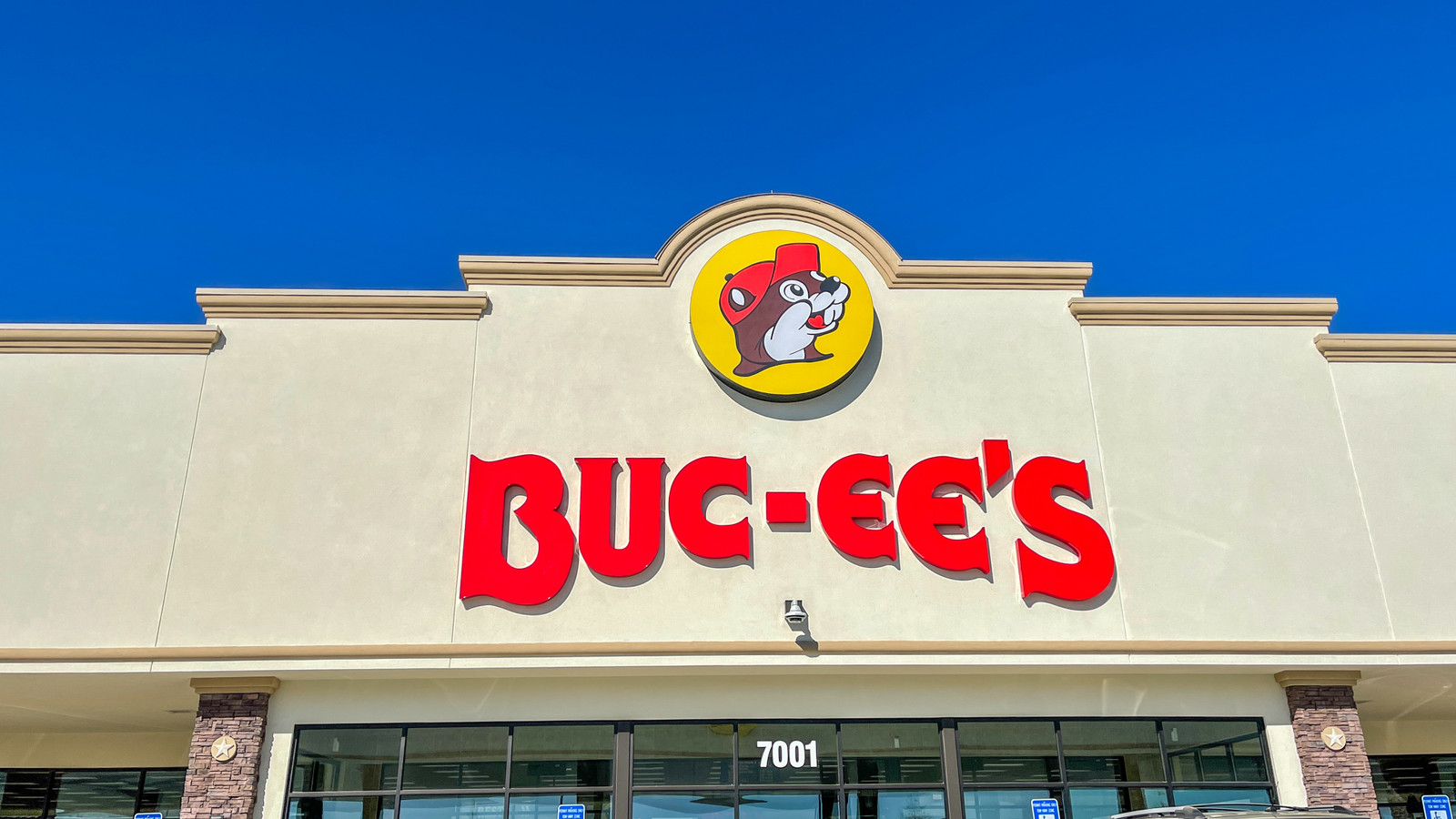
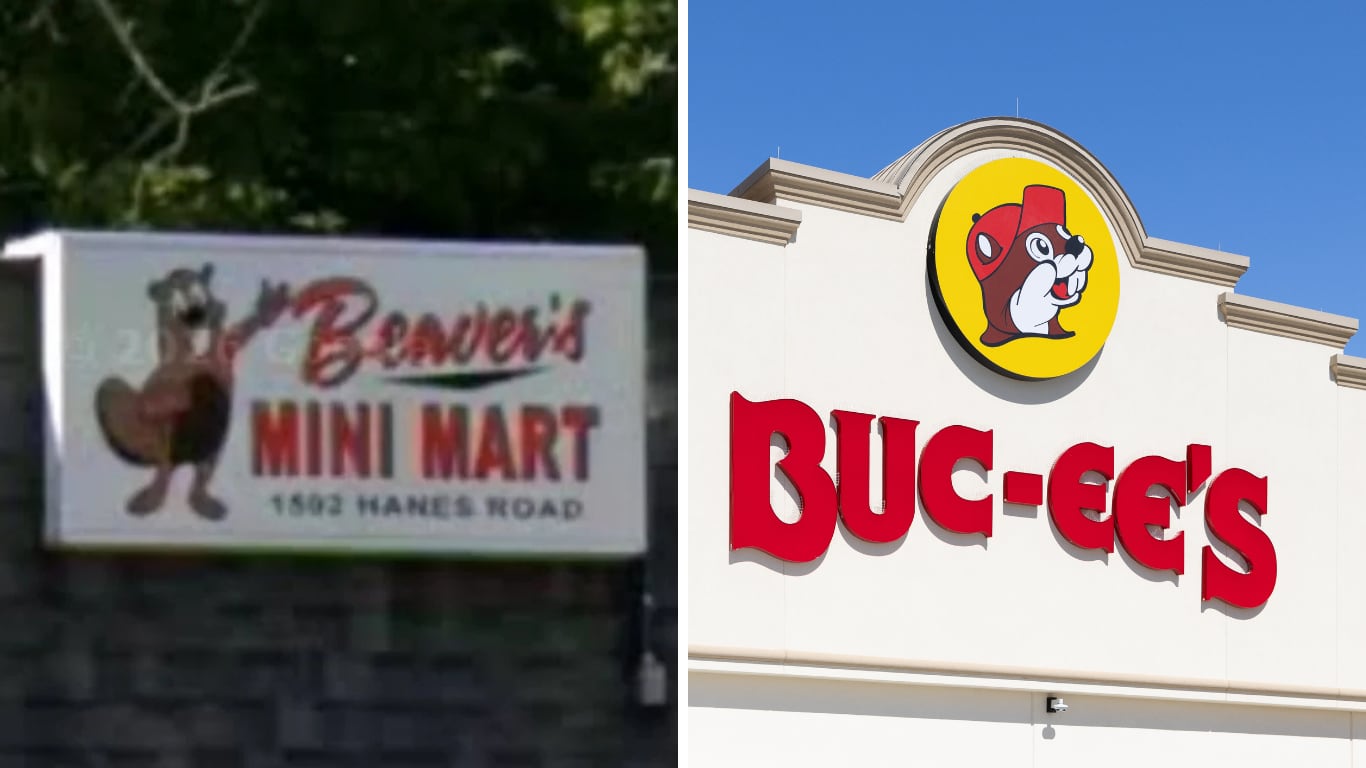
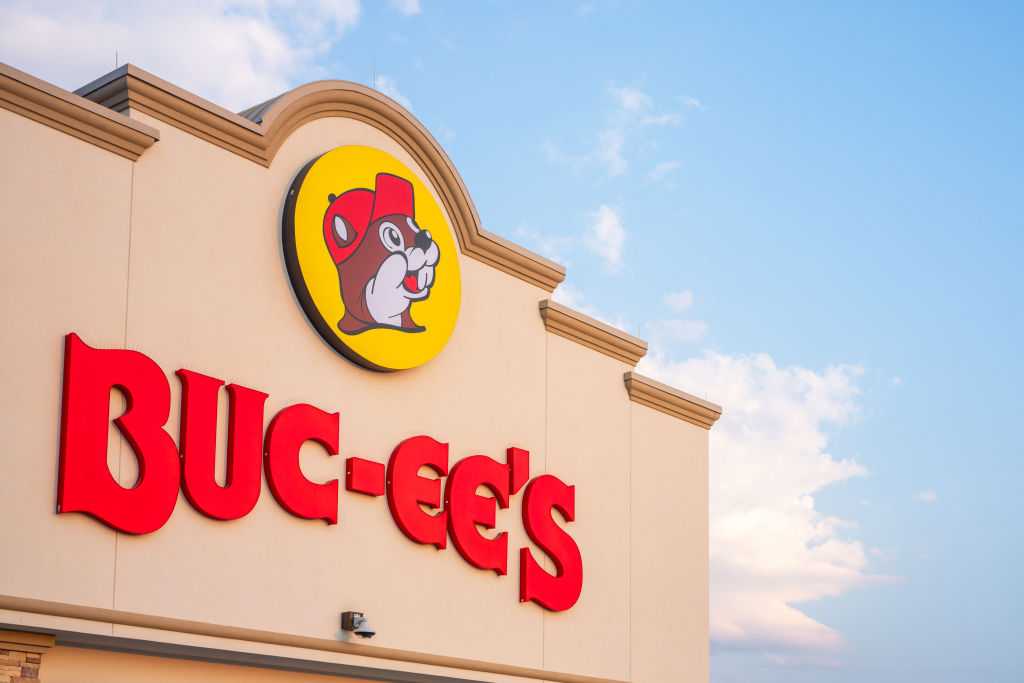
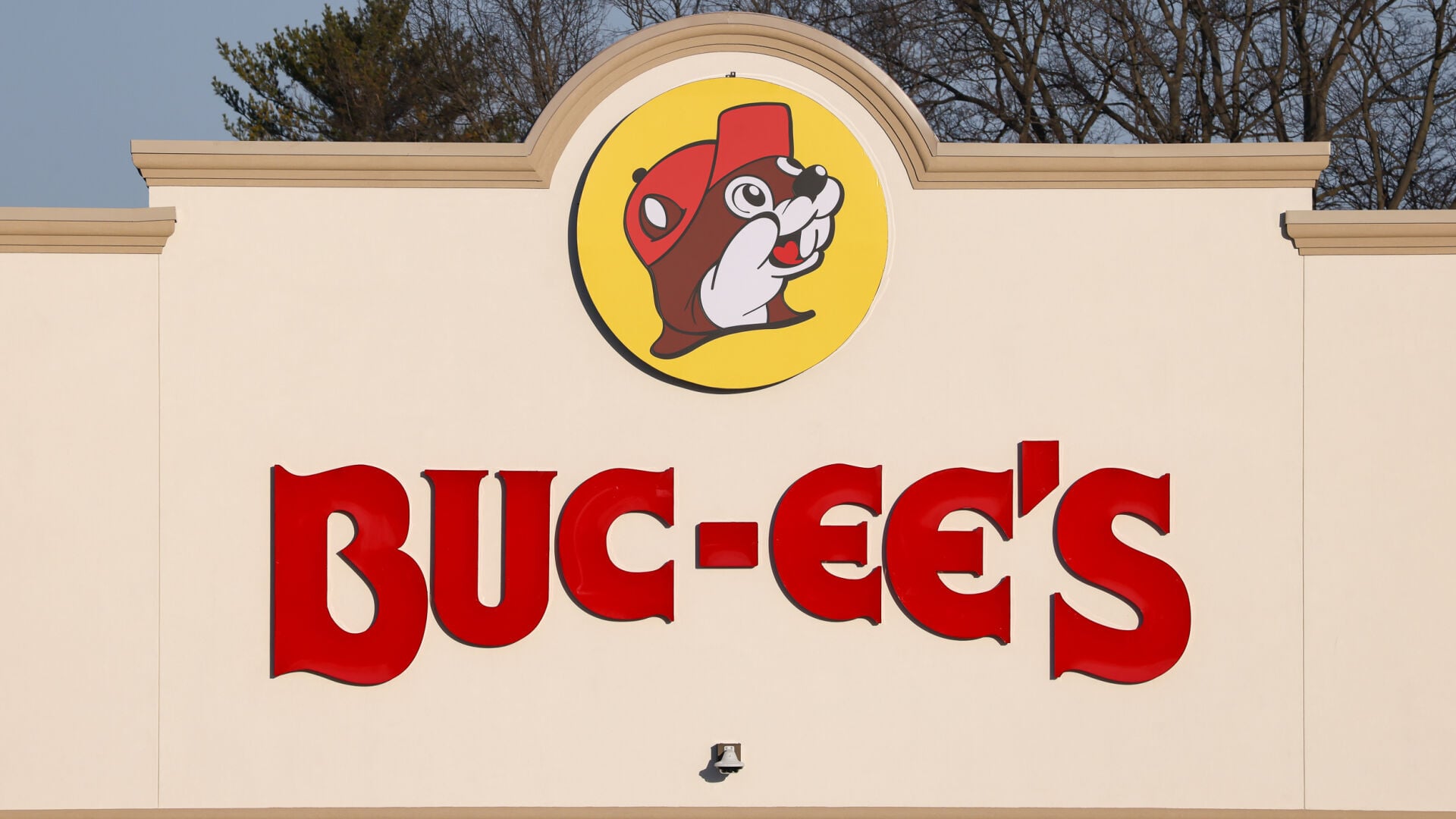
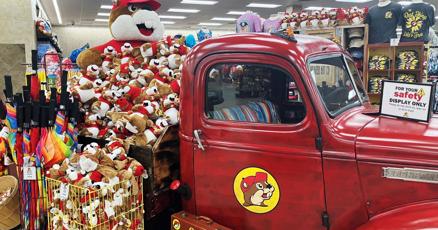
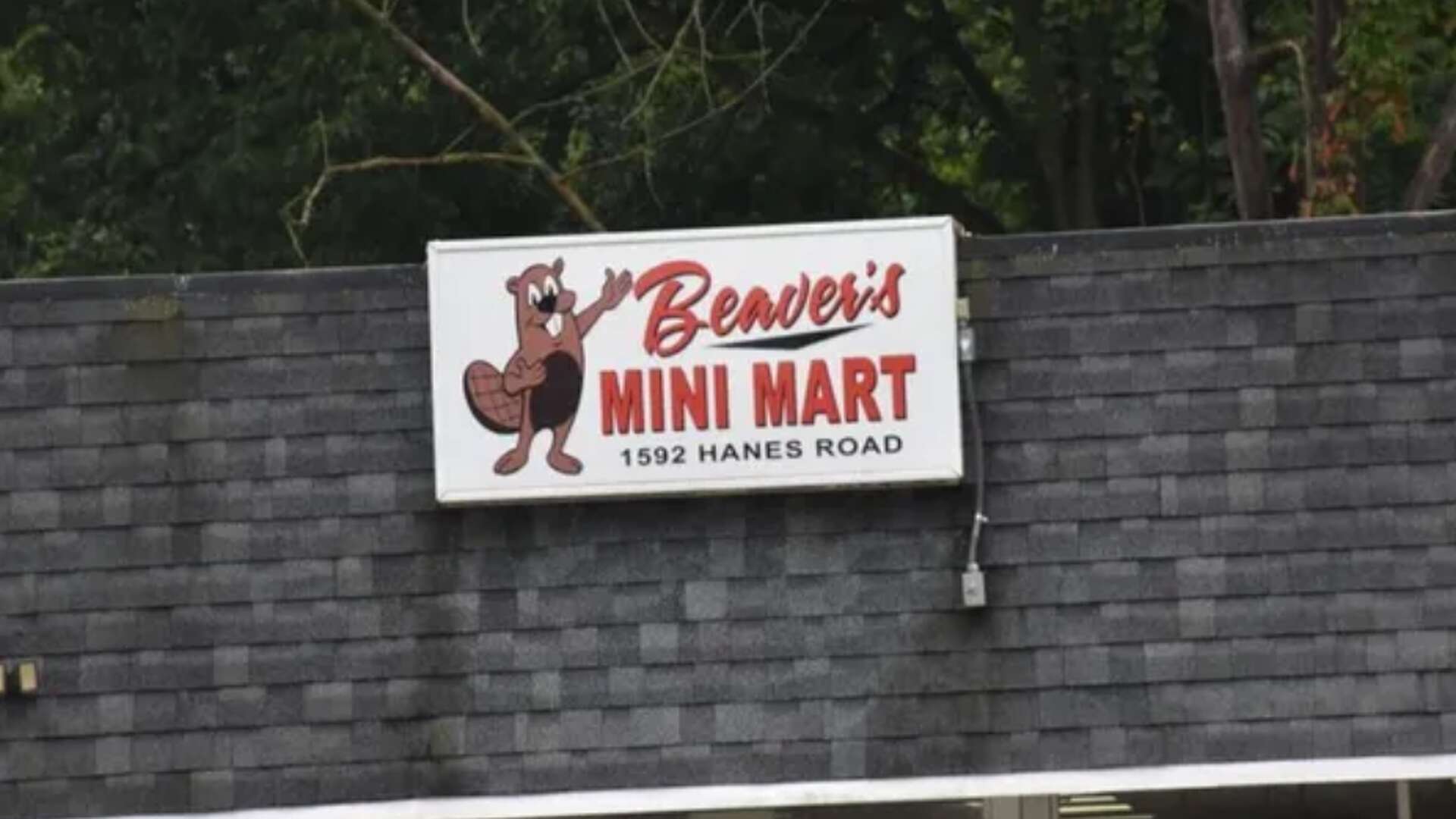
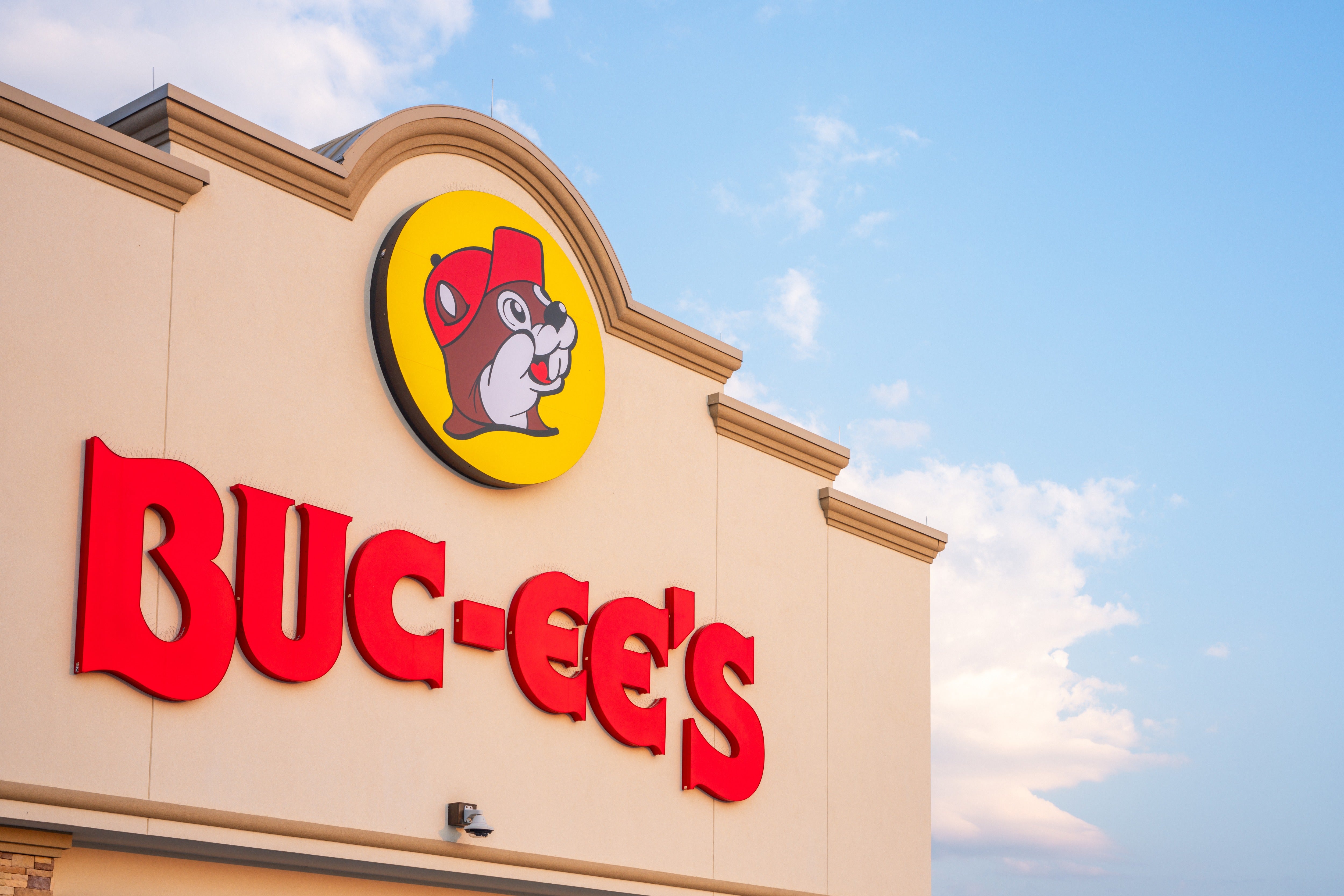
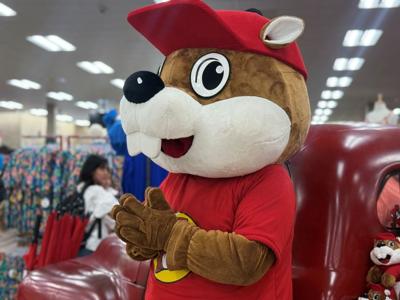
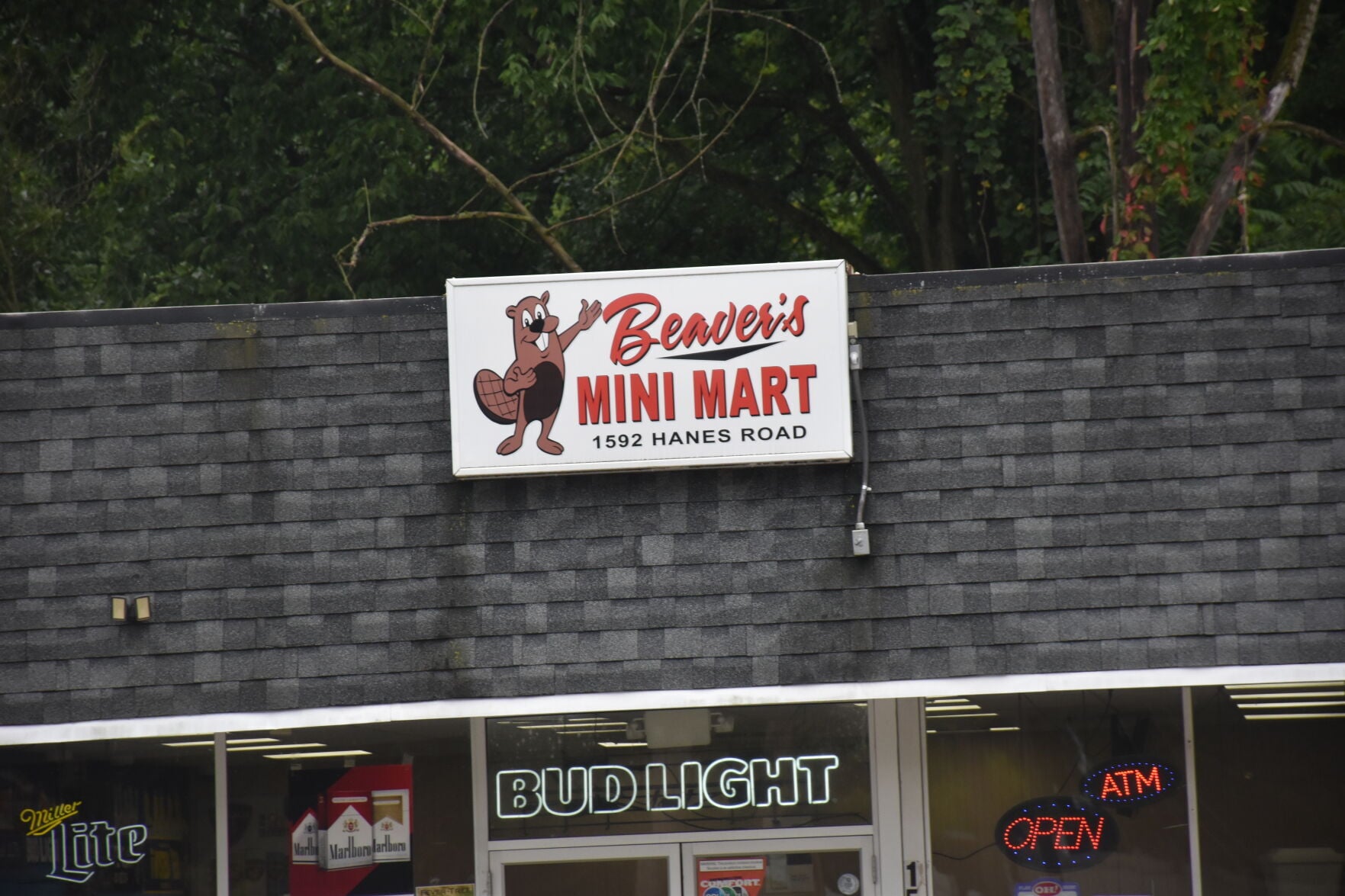
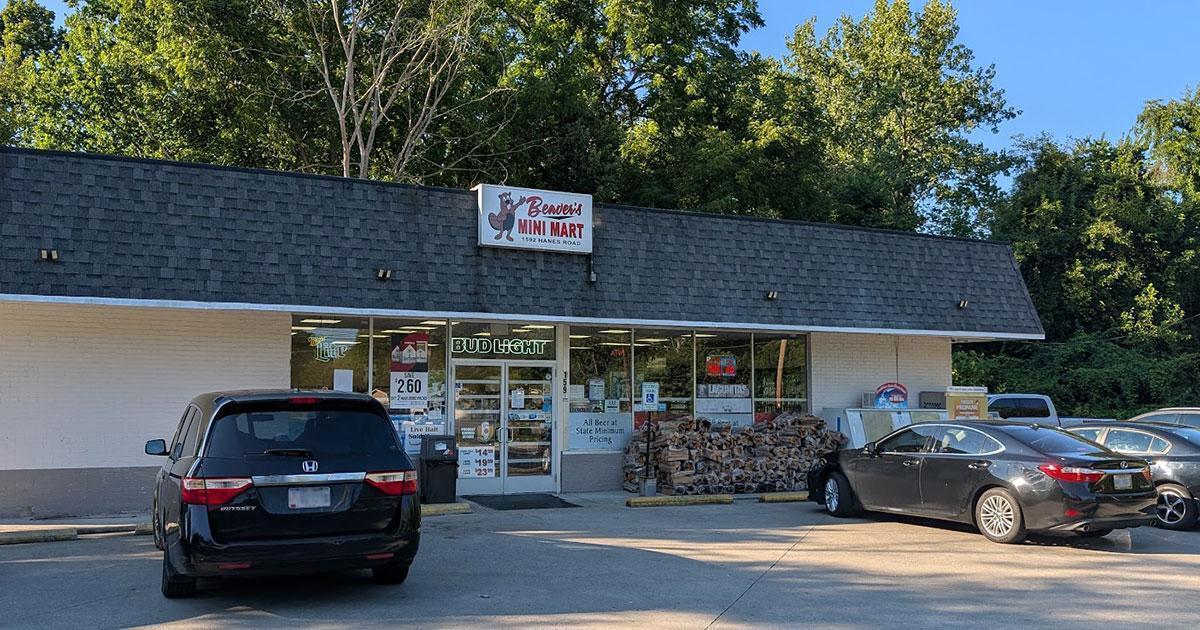
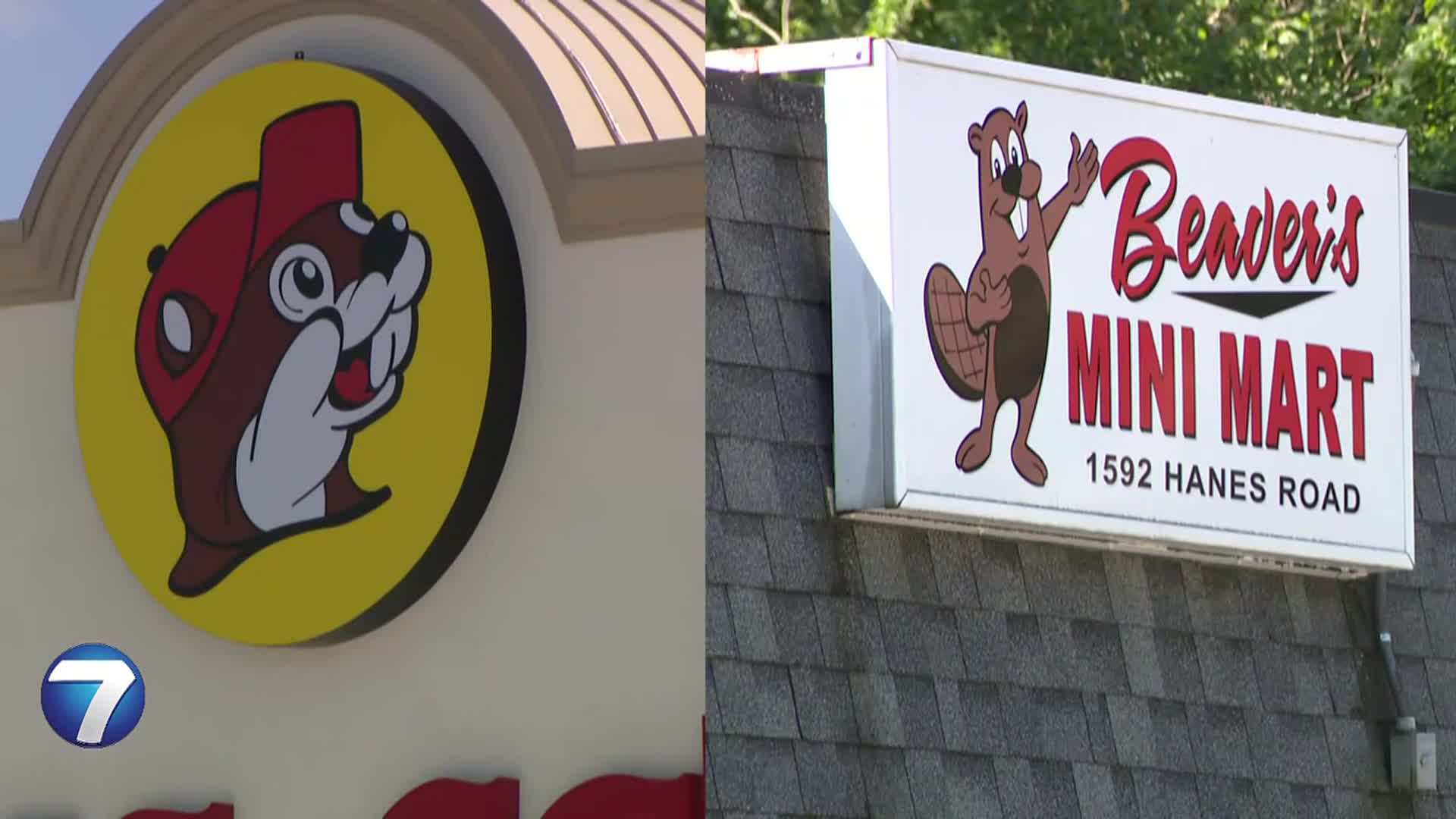
Buc-ee's aggressive trademark litigation campaign—filing 12+ lawsuits against small businesses with animal mascots since 2013, with a documented 90%+ win rate—reveals a critical compliance moat that eliminates competitors lacking legal resources. The July 28, 2026 lawsuit against Beaver's Mini Mart in Beavercreek, Ohio, exemplifies this strategy: despite the mini mart operating for 20+ years predating Buc-ee's April 2026 Ohio entry, and despite beaver being a common local symbol (high school mascot, public art installations), Buc-ee's claims trademark infringement over a smiling beaver logo with "wide eyes, smile, and red coloring."
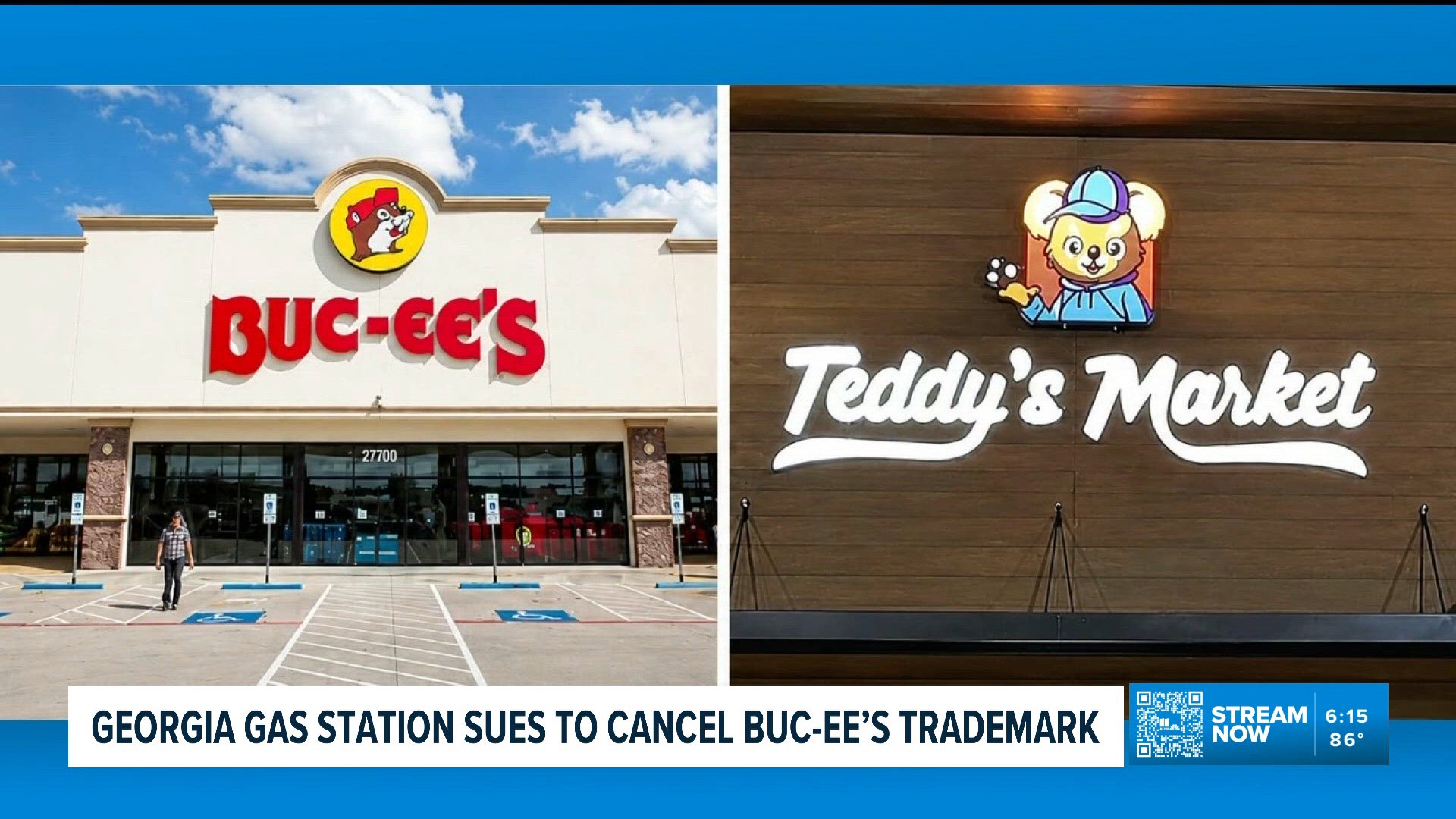
For e-commerce sellers, this case exposes three critical compliance vulnerabilities: First, trademark clearance costs are rising dramatically—sellers must now conduct exhaustive searches before adopting animal mascots, logos, or branded merchandise, adding $2,000-8,000 in legal review per product line. Second, the litigation asymmetry creates market elimination—small sellers cannot afford defense costs ($50,000-200,000+ for trademark litigation), forcing settlement or closure. News reports document that Chicks convenience store (Texas, 2013) closed entirely after Buc-ee's lawsuit; multiple defendants settled rather than fight. Third, enforcement intensity is escalating—Buc-ee's sued Barc-ee's (Missouri, March 2025), Super Fuels (Texas, January 2025), and Mickey Mart (Ohio, ongoing), demonstrating systematic IP enforcement as a competitive weapon.
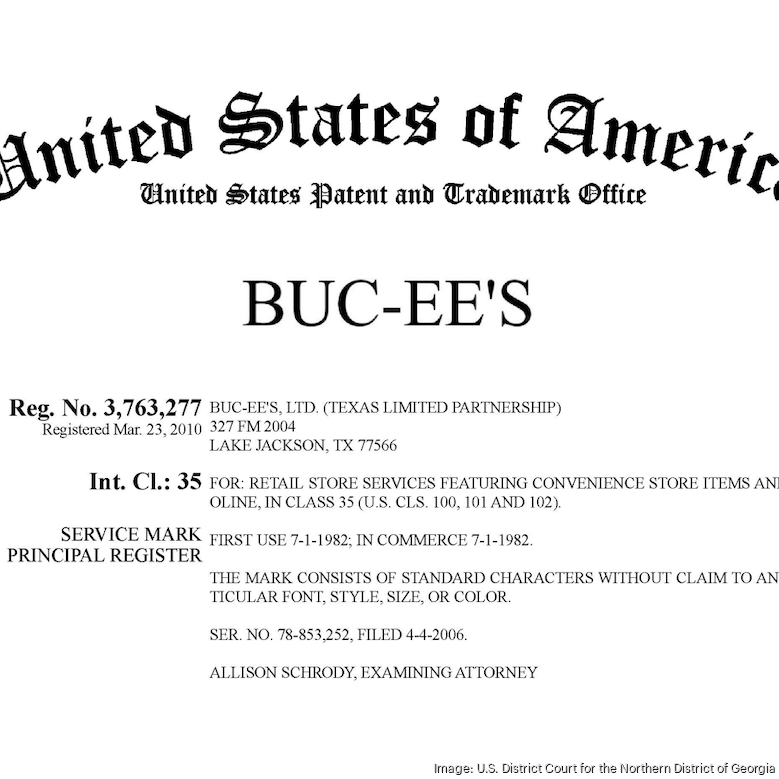
The compliance opportunity emerges from this enforcement pattern: Sellers who invest in proper trademark registration, logo differentiation, and IP clearance gain a defensible moat against litigation. Categories most vulnerable include animal-themed merchandise (pet products, apparel with mascots), convenience store branding, and travel center merchandise. The fastest compliance path: conduct USPTO trademark searches ($300-500), hire IP counsel for clearance opinions ($1,500-3,000), and document non-confusing design elements (different color palettes, distinct visual styles). Sellers operating in convenience retail, gas station merchandise, or animal-themed e-commerce should prioritize this immediately—the cost of compliance ($3,000-5,000 upfront) is 10-40x cheaper than litigation defense.
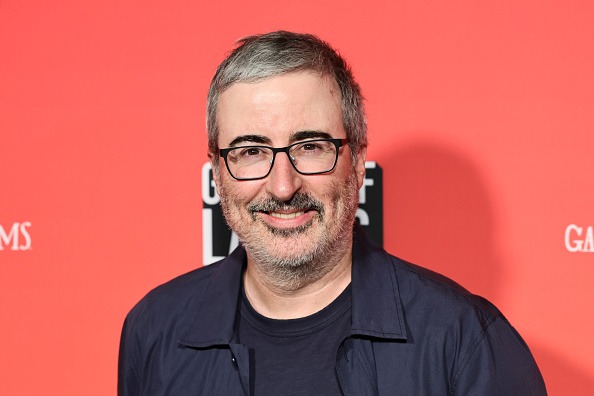
However, community backlash signals regulatory vulnerability. John Oliver's "Last Week Tonight" segment (July 26, 2026) exposed Buc-ee's litigation strategy, generating national media attention and sparking organized boycotts. Beavercreek residents launched a "cash mob" (August 7), local businesses changed logos to AI-generated beavers, and the Barrel House donated 10% of sales to Beaver's Mini Mart's GoFundMe. This reputational damage creates an opening: sellers can differentiate by adopting transparent IP practices, publishing clearance documentation, and positioning themselves as "community-first" alternatives to aggressive corporate enforcement. The litigation pattern also reveals that Buc-ee's trademark claims are increasingly vulnerable to challenge—legal experts note the company "does not own all beaver likenesses or animated animal imagery," suggesting future defendants may succeed with stronger differentiation strategies.
Questions 8
What is the fastest way to ensure my animal mascot logo won't trigger trademark litigation?
Conduct a comprehensive USPTO trademark search ($300-500) within 2-3 days, then hire an IP attorney for a clearance opinion ($1,500-3,000, 5-7 days). The news reports Buc-ee's has filed 12+ lawsuits with a 90%+ win rate, making proactive clearance essential. Document your logo's distinct visual elements—different color palettes, unique design features, and non-confusing positioning. This $2,000-3,500 investment is 20-50x cheaper than defending a lawsuit ($50,000-200,000+). Sellers should complete this before launching any animal-themed merchandise or branded retail operations.
Which product categories face the highest trademark enforcement risk right now?
Animal-themed merchandise, convenience store branding, travel center logos, and pet product lines face the highest risk based on Buc-ee's litigation targets. The news documents lawsuits against: Beaver's Mini Mart (beaver logo), Mickey Mart (moose logo), Barc-ee's (dog park mascot), Super Fuels (brown dog logo), and a South Carolina apparel company. Sellers in these categories should prioritize trademark clearance immediately. Non-animal categories (generic convenience items, apparel without mascots) face lower enforcement risk but still require basic trademark searches.