
Amazon Reaches $3 Trillion Valuation | Bezos Stock Sale Signals Platform Strength for Sellers
- Amazon hits record $287.20/share with robust Q2 cloud growth; Bezos $4.1B stock liquidation reflects founder confidence in long-term platform viability, not bearish sentiment


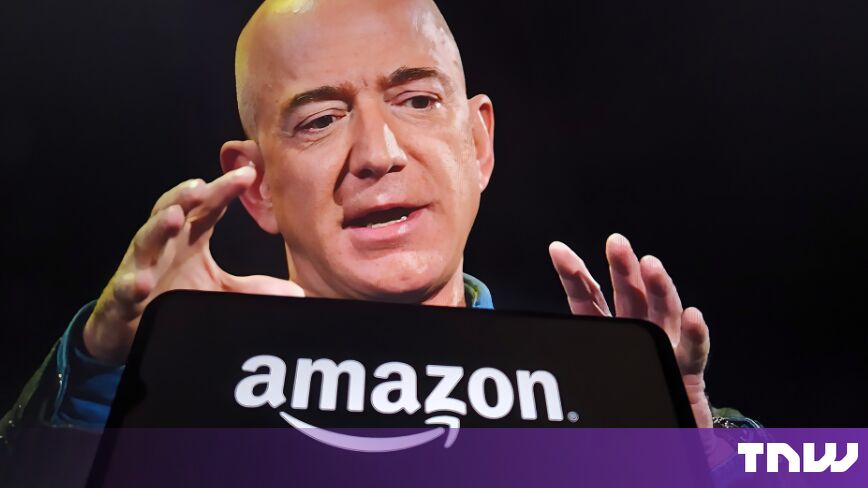


/Amazon%20-%20Image%20by%20bluestork%20via%20Shutterstock.jpg)



Overview
Amazon's achievement of a $3 trillion market capitalization on August 4, 2026, combined with Bezos's $4.1 billion stock sale, sends a critical signal to cross-border e-commerce sellers: the platform remains fundamentally strong despite short-term volatility. The news reveals two interconnected dynamics. First, Amazon's robust Q2 2026 results—particularly cloud revenue growth that exceeded Wall Street expectations—demonstrate the company's diversified revenue streams beyond retail. Second, Bezos's prescheduled stock liquidation (15 million shares via a Rule 10b5-1(c) trading plan adopted November 2025) represents predetermined wealth management, not a bearish indicator. The 2.2% stock pullback on August 4 was profit-taking after a 10.6% Friday rally and 5% Monday gain, typical market behavior following record highs.
For sellers, this context matters significantly. Amazon's $3 trillion valuation and continued cloud dominance indicate sustained investment in infrastructure, logistics, and AI capabilities that directly benefit FBA sellers. The company's ability to reach record market caps while Bezos diversifies holdings (he's unloaded nearly $20 billion in shares since 2021) demonstrates Amazon's financial resilience independent of founder involvement. Bezos's capital reallocation toward Blue Origin and other ventures doesn't signal retreat from e-commerce—rather, it reflects confidence that Amazon's operational leadership (under CEO Andy Jassy since 2021) can execute without founder micromanagement. The timing of this stock sale through February 26, 2027, is methodical and transparent, suggesting no hidden concerns about platform fundamentals.
Platform stability directly impacts seller economics. When Amazon's stock remains strong and leadership demonstrates confidence through continued investment, sellers benefit through: (1) reduced risk of sudden policy reversals or fee increases driven by financial distress; (2) continued capital allocation to fulfillment network expansion (critical for FBA sellers managing inventory); (3) sustained investment in seller tools and advertising infrastructure (Amazon Advertising revenue grew alongside cloud services); (4) competitive positioning against eBay and Shopify, which lack Amazon's diversified revenue base. The Q2 cloud growth specifically matters because AWS profits subsidize Amazon's retail operations, allowing competitive seller fee structures. Sellers on Amazon benefit from this cross-subsidy that competitors cannot match.
The broader market signal is stability, not disruption. Amazon's record valuation, Bezos's methodical stock sales, and Wall Street's enthusiasm about cloud growth all point to a platform entering a mature, profitable phase. For sellers, this translates to predictability: fewer emergency policy changes, more infrastructure investment, and continued platform dominance in cross-border e-commerce. The 2.2% pullback represents a buying opportunity for Amazon stock investors, not a warning sign for sellers.
Questions 7
What does Bezos's $301 billion net worth mean for Amazon seller ecosystem?
Bezos's wealth concentration (primarily Amazon stock) demonstrates the company's value creation over 32 years. His $301 billion net worth (per Bloomberg Billionaires Index) is largely illiquid Amazon equity, meaning he's committed to the company's long-term success. His methodical stock liquidation—$4.1 billion in this sale, $20 billion total since 2021—funds Blue Origin and other ventures while maintaining 880+ million shares (largest shareholder). This structure aligns founder incentives with platform health. For sellers, it means Amazon's largest stakeholder remains deeply invested in the platform's success. Bezos's wealth is tied to Amazon's continued dominance, creating alignment between founder interests and seller prosperity.
Should sellers be concerned about Amazon's leadership transition from Bezos to Jassy?
No. Bezos stepped down as CEO in 2021, and Andy Jassy has successfully led Amazon through 2026 with record valuations and strong Q2 results. Bezos's continued stock sales (nearly $20 billion liquidated) while Amazon's market cap doubled from $1.5 trillion to $3 trillion proves the transition is working. Jassy's operational execution—particularly AWS growth and retail profitability—demonstrates the company doesn't depend on Bezos's day-to-day involvement. For sellers, this is positive: it means Amazon has institutional depth beyond any single leader. Bezos's capital reallocation to Blue Origin reflects confidence in Jassy's ability to run the e-commerce platform independently.