



US-Japan Yen Intervention Signals Rising Interest Rates | Cross-Border Seller Financing Impact
- Treasury yields hit 17-year highs; sellers face 2-4% increase in working capital financing costs and currency hedging expenses













Overview
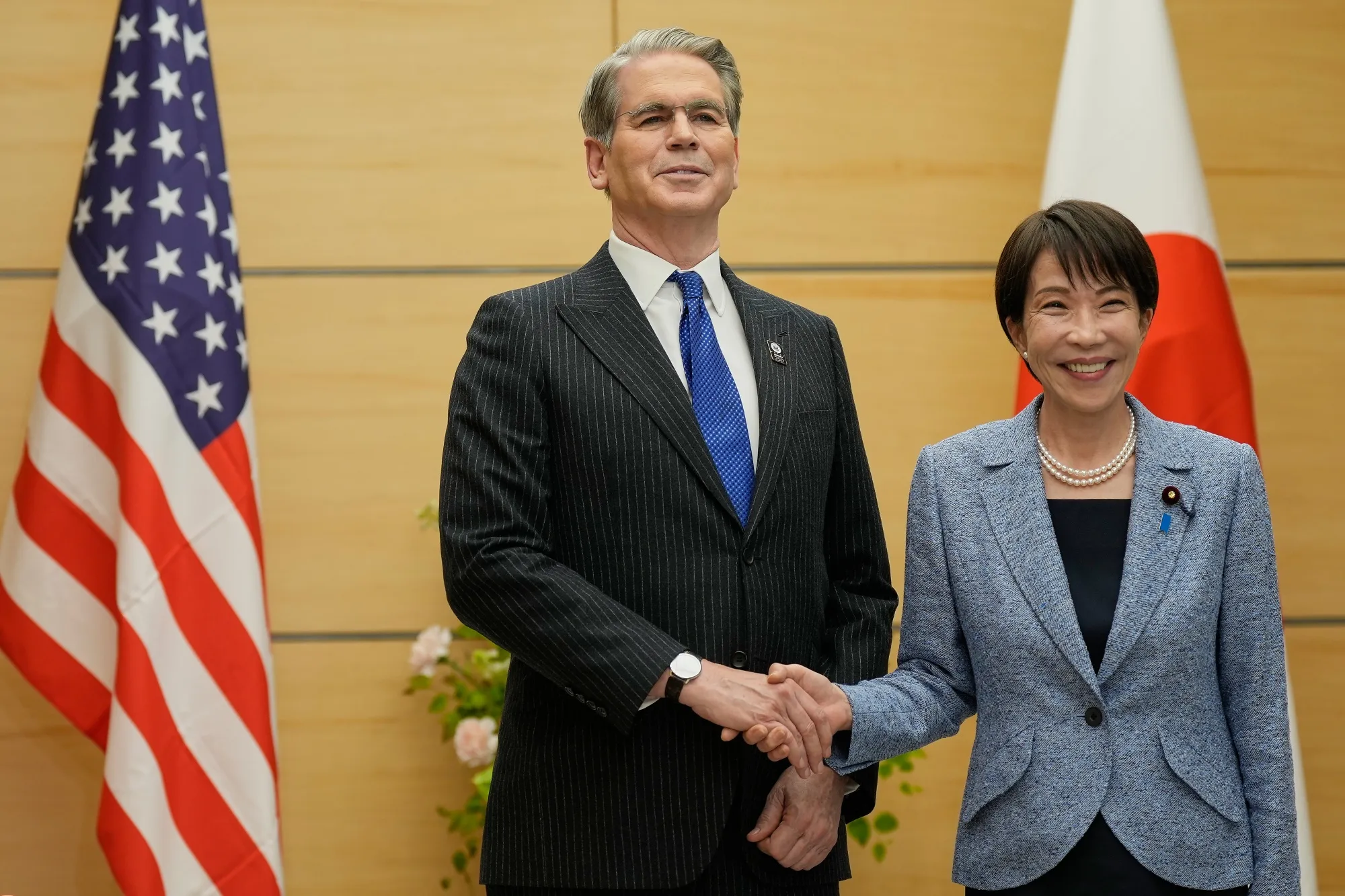
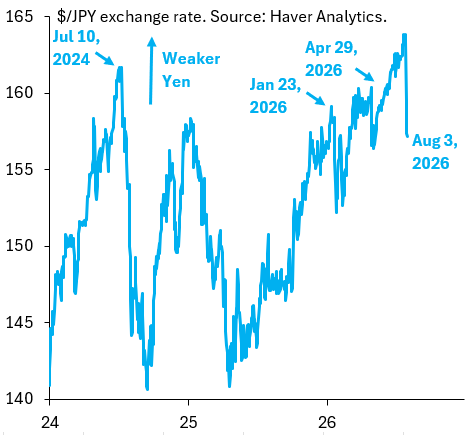
Treasury Secretary Scott Bessent's first joint US-Japan currency intervention since 2011 reveals critical financial headwinds for cross-border e-commerce sellers. By purchasing yen with euros rather than dollars, Bessent prevented Japan's forced sale of $1.1 trillion in US Treasury bonds—the largest foreign holding of American debt. This intervention directly addresses rising US interest rates: the 30-year Treasury yield recently hit its highest level since 2007 as national debt approaches $40 trillion (exceeding 100% of GDP). For sellers, this macroeconomic shift translates into immediate financing cost pressures.
Rising interest rates directly compress seller working capital efficiency. Cross-border sellers relying on inventory financing, purchase order (PO) financing, or invoice factoring face 2-4% APR increases within 6-12 months. A seller with $500K in outstanding PO financing at 8% APR now pays $40K annually; at 10-12% APR, costs rise to $50-60K—a $10-20K annual penalty. Bessent's intervention prevents a worse scenario (rates could have spiked 3-5% higher if Japan sold Treasuries), but the damage is already done: 30-year yields at 17-year highs signal sustained elevated borrowing costs.
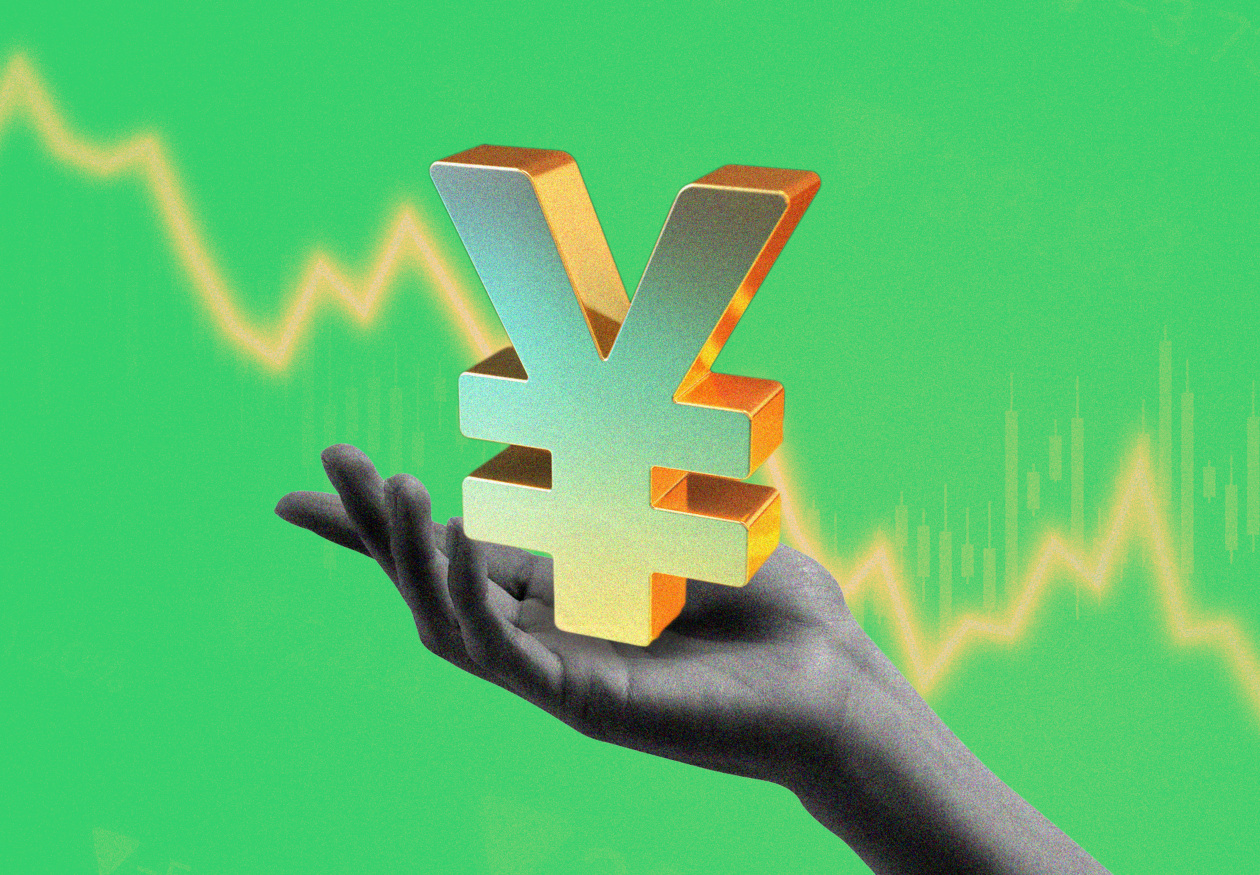
Currency volatility creates dual hedging challenges. The yen intervention stabilizes JPY/USD in the short term, but broader geopolitical tensions (Iran's Strait of Hormuz actions, yuan-denominated oil transactions) strain the petrodollar system underpinning dollar reserve status. Sellers with Japan-sourced inventory or yen-denominated supplier payments face 3-6% currency swings. Hedging costs (forward contracts, options) typically run 0.5-1.5% annually; elevated volatility pushes this to 1.5-2.5%. A seller importing $2M annually from Japan now pays $30-50K in hedging costs versus $10-20K previously.
Foreign investor capital flight accelerates financing scarcity. China's Treasury holdings collapsed from $1.32 trillion (2013) to $693 billion (current)—a $627 billion reduction. Foreign investors collectively hold $9.5 trillion in US Treasuries; if this trend continues, fewer dollars flow into US credit markets, tightening supply for seller financing. Alternative lenders (fintech platforms, supply chain finance providers) may raise rates 1-2% to compensate for reduced institutional capital availability. Sellers should lock in financing rates immediately before further tightening.
Questions 8
What immediate actions should sellers take to capitalize on this intervention?
Execute three actions within 30 days: (1) Lock in forward contracts for JPY exposure over the next 3-6 months at current rates, saving 2-4% on COGS; (2) Apply for inventory financing at current rates before Treasury yields spike further, securing 4-6% APR rather than risking 6-8%; (3) Audit payment processor fees across Wise, Remitly, PayPal, and Stripe to capture savings from reduced yen volatility. For sellers with Japan operations, contact your FX provider to discuss multi-currency settlement strategies that diversify away from pure USD exposure. Document all actions for quarterly review as geopolitical risks evolve.
What's the timeline for these financing cost increases to impact my business?
Immediate (0-30 days): Lock in financing rates before further increases. Short-term (1-3 months): Existing floating-rate financing adjusts upward as Treasury yields remain elevated. Medium-term (3-12 months): New financing rounds face 2-4% higher APRs as capital scarcity worsens. Long-term (12+ months): If geopolitical tensions escalate (petrodollar weakens), payment processing fees and FX spreads widen further. Action now: Refinance existing debt at fixed rates, secure PO financing commitments for next 6-12 months, and build 3-6 months of cash reserves to reduce financing dependency.