




Strait of Hormuz Iran Deal Signals Shipping Cost Relief for Cross-Border Sellers
- Potential 8-15% reduction in fuel surcharges affecting 2M+ global e-commerce sellers relying on maritime logistics


















Overview
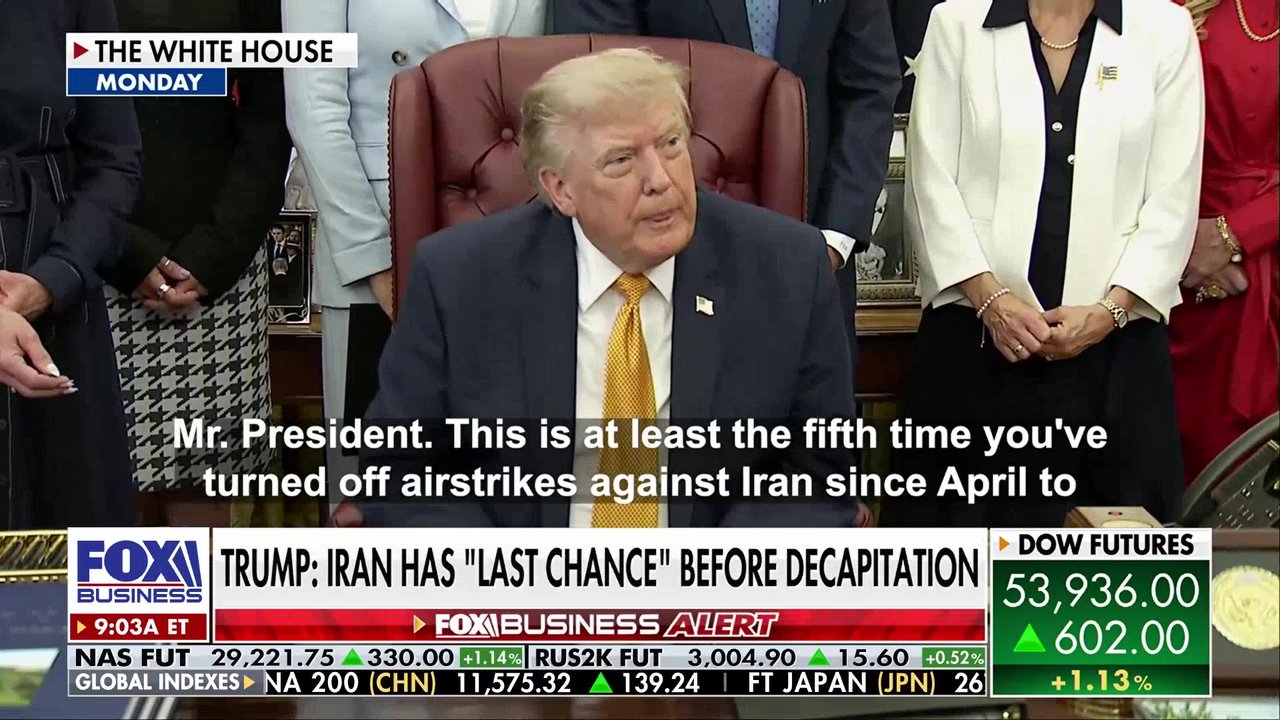
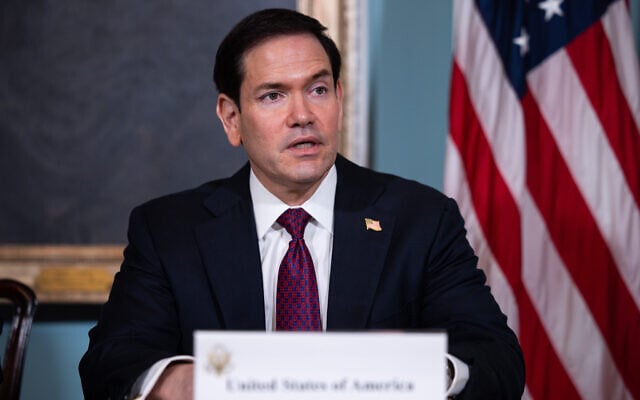
U.S. Treasury Secretary Janet Yellen's successor has signaled that negotiations regarding the Strait of Hormuz could yield diplomatic results in the near term, with profound implications for cross-border e-commerce logistics. The Strait of Hormuz represents one of the world's most critical maritime chokepoints, with approximately 21% of global petroleum passing through its waters daily—a critical metric for sellers managing shipping costs. For the estimated 2+ million cross-border e-commerce sellers relying on just-in-time inventory systems and global supply chains, developments in this geopolitical region directly impact operational expenses through fuel surcharges, maritime insurance premiums, and final-mile delivery costs.
Current Impact on Seller Economics: Geopolitical tensions in the Persian Gulf have historically caused 10-25% fluctuations in fuel prices and shipping rates, which cascade through logistics networks affecting fulfillment costs. Sellers currently factor fuel surcharges of $0.50-$2.00 per unit into operational budgets depending on product weight and shipping distance. A successful Iran deal would stabilize energy markets and reduce uncertainty in maritime insurance premiums, potentially lowering shipping costs by 8-15% for sellers using ocean freight—the primary logistics method for bulk inventory from Asia to North America and Europe.
Seller Segment Impact: Small-to-medium sellers (SMBs) shipping 500-5,000 units monthly from China, Vietnam, and India to US/EU markets face the highest exposure to fuel surcharge volatility. These sellers typically operate on 15-25% margins where shipping costs represent 8-12% of COGS. A diplomatic agreement stabilizing fuel prices could improve margins by 1-2 percentage points, translating to $500-$2,000 monthly savings for mid-sized sellers. Large enterprise sellers with established 3PL contracts and hedged fuel costs face lower immediate impact but benefit from reduced inventory carrying costs as supply chain uncertainty decreases.
Strategic Timing Window: The negotiation timeline remains undefined, but historical precedent suggests 3-6 months for policy implementation if an agreement is reached. Sellers should monitor Treasury Department announcements and shipping rate indices (Baltic Dry Index, Platts Brent Crude) for early signals. Those currently holding excess inventory due to supply chain caution may accelerate restocking decisions if diplomatic progress becomes apparent, creating a 2-4 week window to lock in current shipping rates before potential cost reductions trigger market repricing.
Questions 7
When might shipping cost improvements actually appear in my logistics bills?
Historical precedent suggests 3-6 months for policy implementation and market repricing after a diplomatic agreement is reached. Ocean freight contracts typically renew quarterly, so cost reductions would appear in Q2-Q3 2025 if negotiations conclude in Q4 2024 or Q1 2025. Spot rates (used by smaller sellers) adjust within 2-4 weeks of oil price changes, while contract rates (used by larger sellers) adjust on renewal dates. Set calendar reminders to review shipping quotes 30 days before contract renewals.
How does geopolitical risk in the Persian Gulf impact my inventory strategy?
Geopolitical tensions cause 10-25% fluctuations in fuel prices and shipping rates, forcing sellers to maintain safety stock buffers that increase carrying costs. A diplomatic agreement would reduce this uncertainty, allowing sellers to shift from safety stock to just-in-time inventory models. This transition could free up 15-20% of working capital currently tied up in excess inventory. Calculate your current carrying cost per unit and multiply by average inventory levels to quantify potential savings from supply chain stabilization.