


US Optical Module Ban Reshapes AI Infrastructure Supply Chains | Seller Sourcing Opportunities
- Proposed ban on Chinese optical transceivers threatens $100B+ AI infrastructure investments; creates tariff arbitrage opportunities for sellers sourcing from Vietnam, India, Taiwan alternatives






Overview
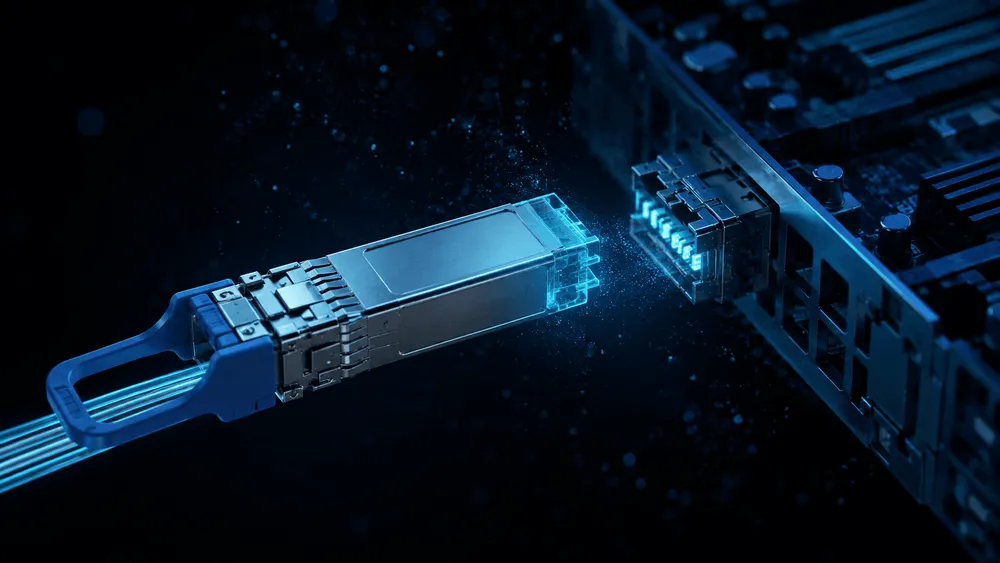
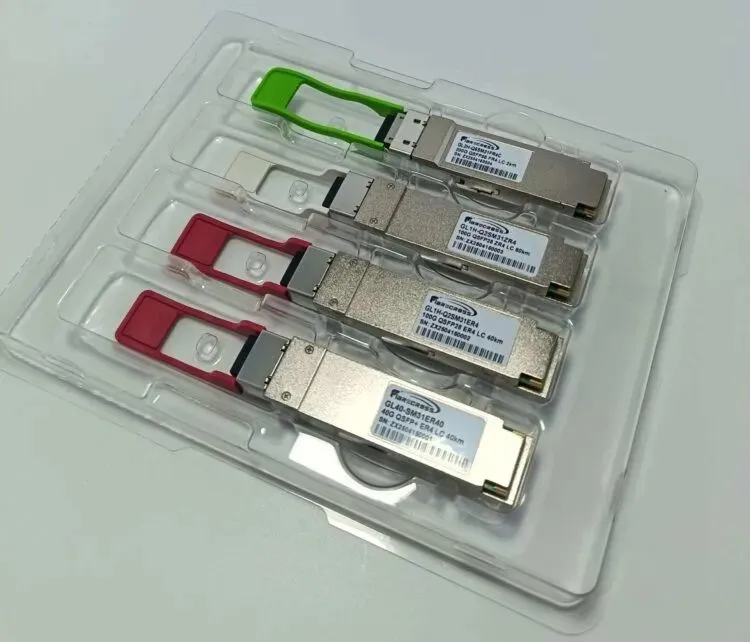
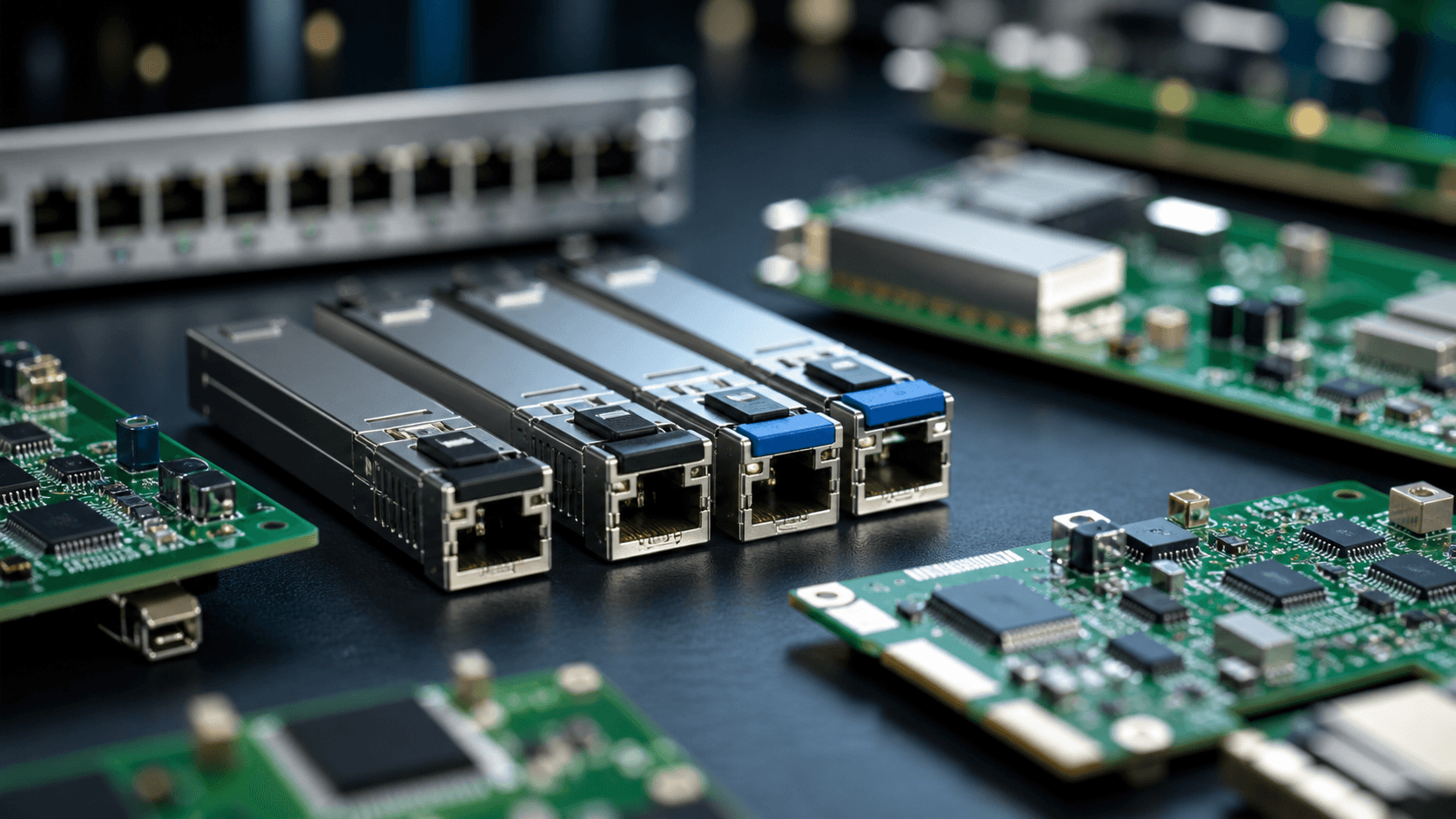
The Trump administration's August 2026 proposal to ban U.S. imports of new Chinese optical transceivers represents a critical inflection point in US-China technology competition and creates immediate supply chain restructuring opportunities for cross-border sellers. The ban targets optical modules from Zhongji Innolight (62% US revenue exposure), Eoptolink Technology (96% overseas sales), and Suzhou TFC Optical Communications—companies whose stock prices fell 6-10% following the Reuters announcement. While Jefferies analysts assess the ban's implementation probability as low (characterizing it as a negotiation tactic ahead of Xi's September 2026 US visit), the policy signals an escalation from blocking technology transfers to blocking Chinese market access entirely.
For cross-border sellers, this creates three distinct opportunities: First, tariff arbitrage through supply chain diversification—sellers currently sourcing AI-enabled products (smart home devices, surveillance systems, networking equipment) from China-based suppliers face 15-25% cost increases if the ban materializes. Shifting sourcing to Vietnam, India, or Taiwan optical component manufacturers could reduce tariff exposure by 8-12% while maintaining quality parity. Second, market access shifts—Chinese optical module manufacturers are under pressure to diversify client bases beyond the US, creating opportunities for sellers to negotiate better pricing from suppliers desperate to maintain revenue. Third, competitive advantage for non-US sellers—the news explicitly notes that "non-US competitors with alternative supply chains" benefit, suggesting sellers based in EU, Southeast Asia, or India gain competitive advantages in accessing Chinese optical components at lower costs than US-based competitors.
The operational impact cascades through AI infrastructure supply chains. Counterpoint Research warns that hyperscalers (Amazon, Microsoft) face "substantial collateral damage" to AI infrastructure investments worth hundreds of billions of dollars, with higher optical component costs reducing ROI on expensive AI accelerators. This translates directly to seller opportunities: as hyperscalers reduce capital expenditure on infrastructure, they'll demand lower-cost components from third-party sellers, creating margin compression of 8-15% for sellers offering AI-enabled products on Amazon, eBay, and Shopify. However, sellers who proactively shift sourcing to non-Chinese suppliers can maintain margins while competitors face supply bottlenecks. The ban also affects payment processing and logistics networks dependent on cross-border data flows—sellers should monitor platform policy changes affecting China-based suppliers and prepare alternative fulfillment strategies through 3PL providers in Vietnam, India, or Taiwan.
Questions 7
How does the proposed US optical module ban affect sellers sourcing AI-enabled products from China?
The August 2026 ban proposal on Chinese optical transceivers creates immediate supply chain risk for sellers sourcing AI-enabled products (smart home devices, surveillance systems, networking equipment) from China. Zhongji Innolight generated 62% of Q1 2026 revenue from US markets, indicating widespread Chinese supplier dependence on US demand. If the ban materializes, sellers face 15-25% cost increases as alternative suppliers (Vietnam, India, Taiwan) command premium pricing during transition periods. Sellers should audit their supply chain within 30 days to identify optical component dependencies and begin sourcing negotiations with non-Chinese suppliers to maintain margins.
How will the optical module ban impact Amazon and eBay seller margins for AI-enabled products?
Hyperscalers like Amazon and Microsoft face 'substantial collateral damage' to AI infrastructure investments, which will cascade to third-party sellers through margin compression of 8-15% on AI-enabled products. As hyperscalers reduce capital expenditure on infrastructure due to higher optical component costs, they'll demand lower-cost components from sellers, creating downward pricing pressure. Sellers offering smart home devices, surveillance systems, or networking equipment on Amazon and eBay should expect 6-12 month margin pressure starting Q4 2026. Proactive sellers who shift sourcing to non-Chinese suppliers can maintain margins while competitors face supply bottlenecks and margin erosion.