


South Korea Marketing Compliance Crisis | Sellers Face Regulatory Risk Over Cultural Sensitivity
- Starbucks Korea police raid over insensitive campaign reveals critical compliance gaps; sellers operating in South Korea must implement cultural sensitivity review processes to avoid criminal investigations and severe sales declines











Overview
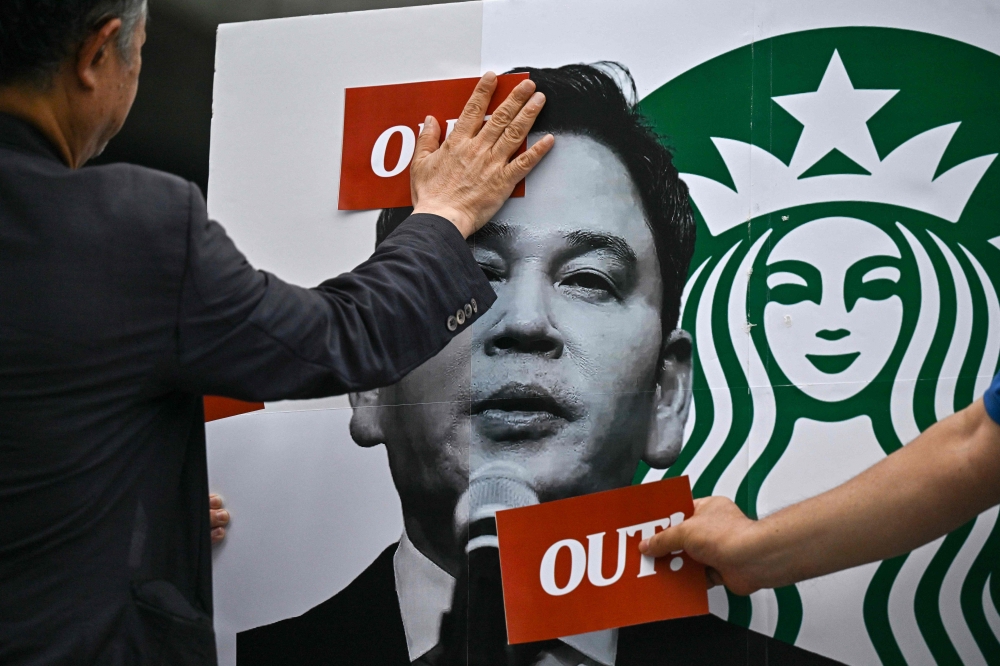
The Starbucks Korea "Tank Day" scandal represents a watershed moment for e-commerce and retail sellers operating in culturally sensitive markets. In May 2024, Starbucks Korea launched a coffee tumbler promotion coinciding with the May 18 Gwangju Uprising anniversary—a pivotal pro-democracy event where military forces killed hundreds of protesters. The campaign name "Tank Day" and promotional phrase "Tak on the table" were perceived as insensitive references to military tanks and a 1987 student activist's death in police custody, triggering immediate public outrage, organized boycotts, and government-level intervention. By August 2026, South Korean police raided Shinsegae Group (Starbucks Korea's parent company) headquarters investigating allegations of insult and defamation, with civic groups filing criminal complaints against Chairman Chung Yong-jin.
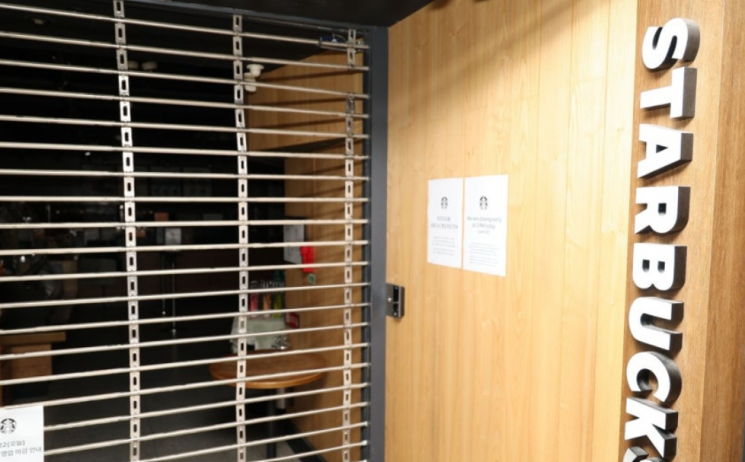
The operational and financial impact was severe: Starbucks Korea experienced significant sales declines in one of its largest global markets. The company dismissed its CEO, closed stores nationwide for half-day history education sessions, and issued formal apologies. The scandal escalated into a national political issue, with President Lee Jae-myung publicly criticizing the campaign while opposition leaders weaponized Starbucks cups as political symbols in rallies and livestreams. Police investigations identified critical shortcomings in Starbucks Korea's internal compliance procedures—specifically inadequate cultural sensitivity review processes before campaign launches.
For e-commerce and retail sellers, this case establishes three critical compliance imperatives: First, cultural sensitivity audits are now regulatory requirements in South Korea, not optional marketing best practices. Sellers must implement multi-layer review processes examining historical context, linguistic nuances, and regional sensitivities before launching promotional campaigns. Second, marketing missteps trigger criminal investigations, not just reputational damage. The police raid and defamation complaints demonstrate that South Korean regulators treat culturally insensitive campaigns as potential criminal matters affecting national historical narratives. Third, supply chain partners face liability exposure. E-Mart (Shinsegae affiliate) holds controlling stakes in Starbucks Korea, illustrating how parent company compliance failures cascade through retail networks. For sellers sourcing from or selling into South Korea, inadequate cultural compliance can trigger regulatory scrutiny, criminal investigations, and severe sales disruptions affecting entire market operations.
Questions 8
What specific marketing compliance failures led to the Starbucks Korea police investigation?
Starbucks Korea's marketing team failed to recognize the historical significance of launching a 'Tank Day' tumbler promotion coinciding with the May 18 Gwangju Uprising anniversary, when military tanks were used to suppress pro-democracy protesters. The promotional phrase 'Tak on the table' also referenced a 1987 student activist's death in police custody. Police investigations identified critical shortcomings in Starbucks Korea's internal inspection procedures—specifically the absence of cultural sensitivity review processes before campaign launches. The company's upper management oversight was inadequate, and no compliance mechanism existed to flag historically sensitive content. For sellers operating in South Korea, this demonstrates that marketing campaigns now require multi-layer cultural sensitivity audits examining historical context, linguistic nuances, and regional sensitivities before public launch.
What are the long-term market implications for sellers after the Starbucks Korea scandal?
The scandal signals that South Korean regulators will aggressively enforce cultural sensitivity standards in marketing campaigns, particularly around historically significant dates and events. The government's official boycott announcement and police raid demonstrate regulatory willingness to intervene in corporate marketing decisions. For sellers, this means South Korea is now a higher-compliance-risk market requiring dedicated cultural sensitivity expertise. Sellers should expect increased scrutiny of promotional campaigns, particularly those launched near May 18 (Gwangju Uprising anniversary) or other historically sensitive dates. The scandal also creates market opportunities for sellers offering cultural sensitivity consulting, compliance review services, and historical research support to brands operating in South Korea. Long-term, sellers must view cultural compliance as a core operational requirement, not a marketing afterthought.