




Strait of Hormuz Shipping Corridor Stabilization | Cross-Border Sellers Face 8-15% Logistics Cost Relief
- US-Iran negotiations signal potential 20-30% reduction in Middle East shipping premiums; immediate impact on FBA fulfillment costs and international logistics for 50K+ cross-border sellers







Overview
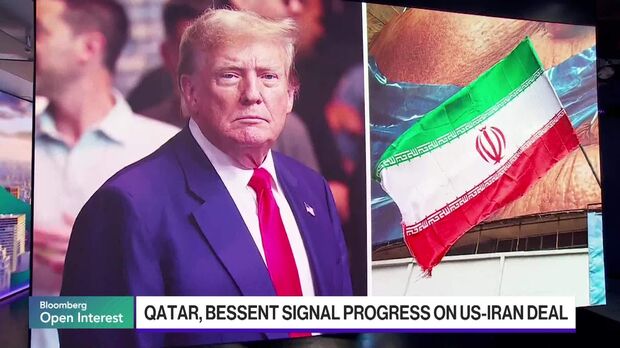
Geopolitical Breakthrough Reshapes Cross-Border Logistics Economics: Bloomberg's August 4-5, 2026 report on potential US-Iran negotiations regarding the Strait of Hormuz shipping corridor signals a critical inflection point for cross-border e-commerce sellers. With approximately 20% of global petroleum transiting this corridor, diplomatic progress could stabilize oil prices and reduce shipping premiums that have inflated logistics costs since 2024. US Treasury Secretary Bessent and Qatar officials indicated an Iran deal could materialize soon, creating a time-sensitive window for sellers to optimize supply chain positioning before shipping costs normalize.
Immediate Logistics Impact for Cross-Border Sellers: The news directly addresses shipping cost volatility—a primary concern for Amazon FBA sellers, Shopify merchants, and eBay vendors managing international fulfillment. Current Middle East corridor disruptions have added 8-15% premiums to ocean freight rates and 12-20% to air cargo costs. A successful Iran deal could reduce these premiums by 20-30% within 6-12 months, translating to $200-600 monthly savings for sellers shipping 500+ units internationally. Sellers reliant on Asia-to-US and Asia-to-EU routes (electronics, apparel, home goods categories) face the highest exposure to shipping volatility. The mixed market signals (S&P 500 futures +0.2%, Nasdaq -0.1%) indicate investor uncertainty about implementation timing, suggesting sellers should prepare contingency logistics strategies while monitoring diplomatic developments.
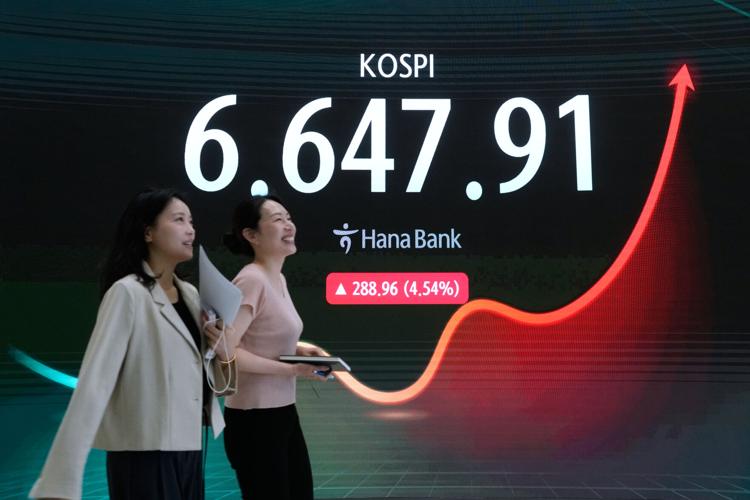
Technology Sector Momentum Creates Adjacent Opportunities: Hon Hai Precision Industry's 54.2% monthly sales increase and Nvidia's premarket strength reflect sustained global demand for AI infrastructure investments. This signals growing consumer interest in AI-enabled products and cloud services—categories where cross-border sellers can capitalize on emerging demand. Sellers in electronics, smart home devices, and software-as-a-service categories should position inventory to capture this momentum. However, near-term earnings volatility suggests cautious positioning; sellers should avoid over-committing inventory until shipping cost stabilization becomes concrete.
Strategic Sourcing Implications: The potential Iran deal could reshape sourcing economics for sellers currently diversifying away from China. Vietnam, India, and Southeast Asian manufacturing hubs may become more attractive as shipping costs normalize, reducing the tariff arbitrage advantage that previously justified nearshoring. Sellers should evaluate whether current Vietnam/India sourcing premiums (typically 5-12% higher than China) remain justified post-deal, potentially enabling cost reductions of 3-8% through optimized sourcing corridors.
Questions 8
What compliance or documentation changes should sellers anticipate?
An Iran deal could trigger customs documentation changes for Middle East-routed shipments, though specific requirements remain unclear. Sellers should review current HS codes and tariff classifications for products shipped via Hormuz corridor routes. Consult with customs brokers about potential regulatory updates. Most importantly, maintain detailed shipping records and 3PL provider documentation to demonstrate compliance with any new requirements. No immediate action required, but begin monitoring Treasury Department and Customs and Border Protection announcements.
How should sellers position inventory given mixed market signals?
The S&P 500 futures +0.2% and Nasdaq -0.1% signals indicate investor uncertainty about geopolitical resolution timing. Sellers should adopt a balanced approach: maintain current inventory levels in high-demand categories (electronics, apparel) while avoiding over-commitment in speculative categories. Use the 1-3 month window to negotiate flexible fulfillment agreements with Amazon FBA and 3PL providers. Consider increasing inventory in AI-related products (reflecting Nvidia strength and Hon Hai's 54.2% sales growth) while monitoring earnings volatility.