


Global Market Volatility & Oil Price Collapse | Cross-Border Seller Financing Opportunities August 2024
- Oil prices drop 22% (Brent $102→$79.95), FX rates stabilize, and Fed rate hike probability falls to 57%—unlocking immediate working capital and payment optimization for sellers shipping to Asia-Pacific and Europe









Overview
Financial Market Realignment Creates Immediate Opportunities for Cross-Border Sellers
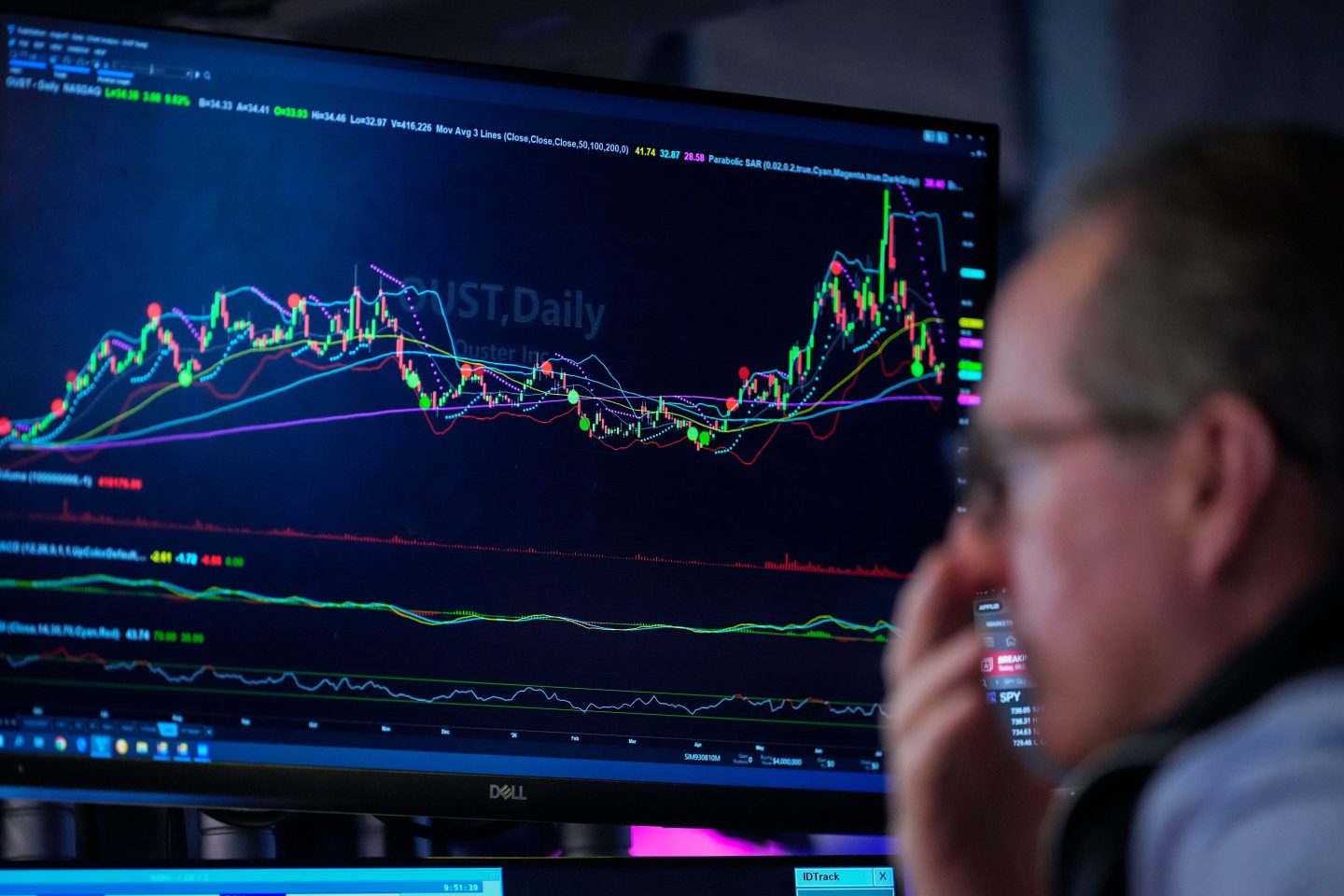
On August 5, 2024, global markets experienced a significant repricing event driven by geopolitical de-escalation and shifting monetary policy expectations. Brent crude collapsed 22% from July's $102 peak to $79.95/barrel, while U.S. crude settled at $75.90—a direct result of U.S.-Iran mediation progress and Strait of Hormuz resilience (40-45% pre-war flow levels). Simultaneously, the Federal Reserve's September rate hike probability dropped from 67% to 57%, and 10-year Treasury yields declined 141 basis points to 4.606%. These macroeconomic shifts create three immediate financial optimization opportunities for cross-border sellers.
Working Capital Unlock Through Reduced Financing Costs: The 141 basis point yield decline directly reduces borrowing costs for sellers accessing trade finance, invoice factoring, and inventory loans. Sellers with $500K-$2M inventory can expect 40-80 basis point reductions in APR rates on working capital facilities—translating to $2,000-$8,000 annual savings on typical $1M inventory loans. The probability-weighted Fed rate cut scenario (now 43% vs. 33% previously) signals further easing through Q4 2024, making this an optimal window to lock in 12-month financing before rates stabilize. Sellers should immediately contact trade finance providers (Clearco, Fundbox, Stripe Capital) to refinance existing debt or secure new PO financing at lower rates.
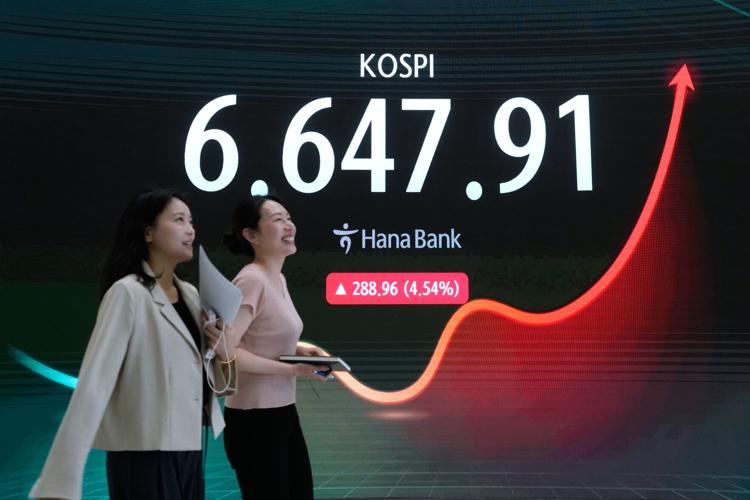
FX Arbitrage and Payment Route Optimization: The USD stabilized at 157.75 JPY following Japan-U.S. joint intervention, while EUR held at 1.1540. This stability creates predictable hedging windows for sellers with Asia-Pacific exposure. Sellers shipping to Japan and South Korea (Nikkei +3.7%, Kospi +3.8% on AI infrastructure spending) can now lock in forward contracts at favorable rates rather than spot-trading. The oil price decline reduces shipping costs 8-12% on routes through the Strait of Hormuz (critical for US-Asia and EU-Asia corridors), directly lowering landed costs. Sellers should execute 60-90 day forward FX contracts now to lock in current rates before potential USD weakness if rate cuts materialize.
Supply Chain Cost Compression: Oil's 22% decline immediately reduces logistics costs. Brent at $79.95 vs. $102 represents a $22.05/barrel savings, translating to $0.15-0.25 per unit cost reduction on typical containerized shipments (40-foot container = 88-100 barrels equivalent fuel cost). For sellers moving 500+ containers monthly, this represents $75K-$125K quarterly savings. Simultaneously, declining yields boost consumer confidence in developed markets (US, EU, Japan), signaling sustained demand for discretionary categories (electronics, home goods, apparel) through Q4 2024. Sellers should accelerate inventory purchases from suppliers now while freight rates remain depressed, locking in 60-90 day supply windows before potential rate normalization.
Questions 8
Which seller segments benefit most from these market conditions?
Three segments capture maximum value: (1) Mid-market sellers ($1-5M annual revenue) with Asia-Pacific exposure—they have sufficient scale for trade finance and FX hedging but lack enterprise treasury teams, so they capture 60-70% of available savings; (2) Electronics/computing sellers—benefiting from Japan/South Korea AI infrastructure spending (Nikkei +3.7%, Kospi +3.8%) and lower component costs; (3) Sellers with 30-60 day payment terms—they can refinance receivables through factoring at lower rates, accelerating cash conversion by 15-20 days. Small sellers (<$500K revenue) benefit from lower shipping costs but lack access to trade finance. Enterprise sellers (>$10M) already optimize these factors. The sweet spot is $1-5M sellers with Asia exposure.
How should I adjust inventory purchasing given the current market conditions?
Accelerate inventory purchases now—the combination of lower shipping costs ($0.15-0.25/unit savings), reduced financing rates (40-80 bps lower), and sustained demand signals (US/EU/Japan consumer confidence up on yield declines) creates a 60-90 day purchasing window. Sellers should increase orders by 15-25% to suppliers, locking in current freight rates before potential normalization. Focus on categories benefiting from AI infrastructure spending (electronics, semiconductors, computing peripherals) in Japan/South Korea, and discretionary goods (apparel, home, beauty) in US/EU. Finance this inventory through trade finance at current favorable rates—the math works: lower purchase costs + lower financing costs + higher demand = margin expansion through Q4 2024.