


Trademark Bullying Backlash | Retail Brand Protection Risks for Sellers in 2025
- Buc-ee's faces public scrutiny after 6+ lawsuits against small competitors; reveals trademark enforcement risks for all retail sellers and O2O operators
Overview
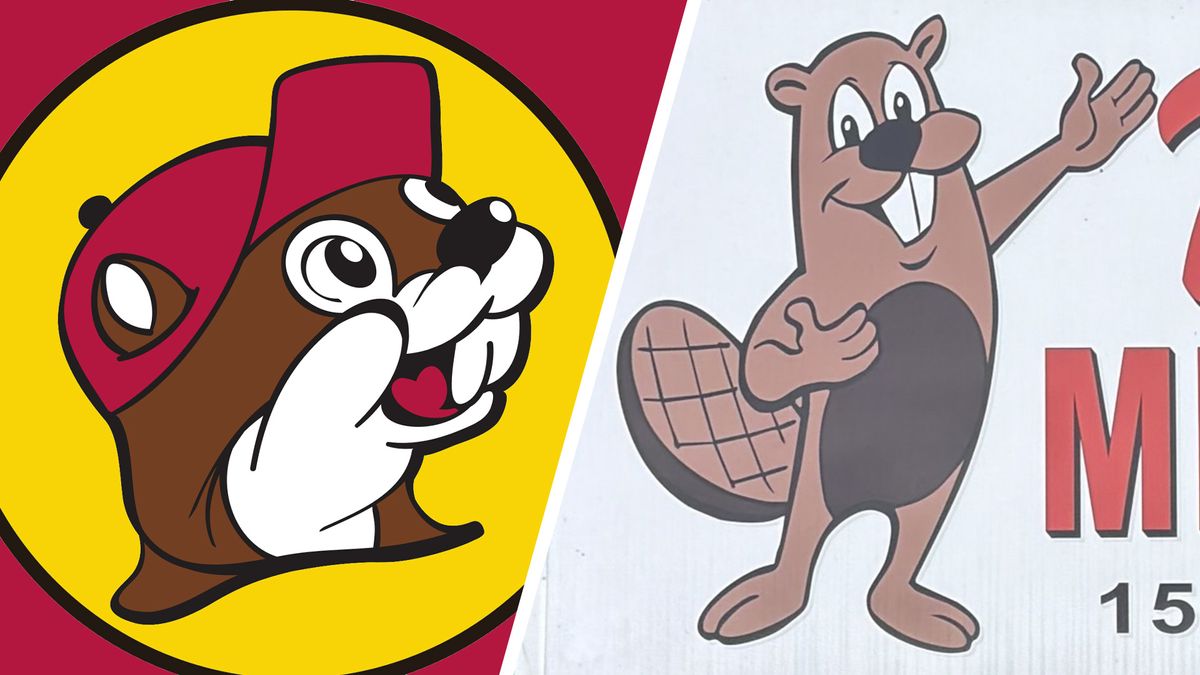
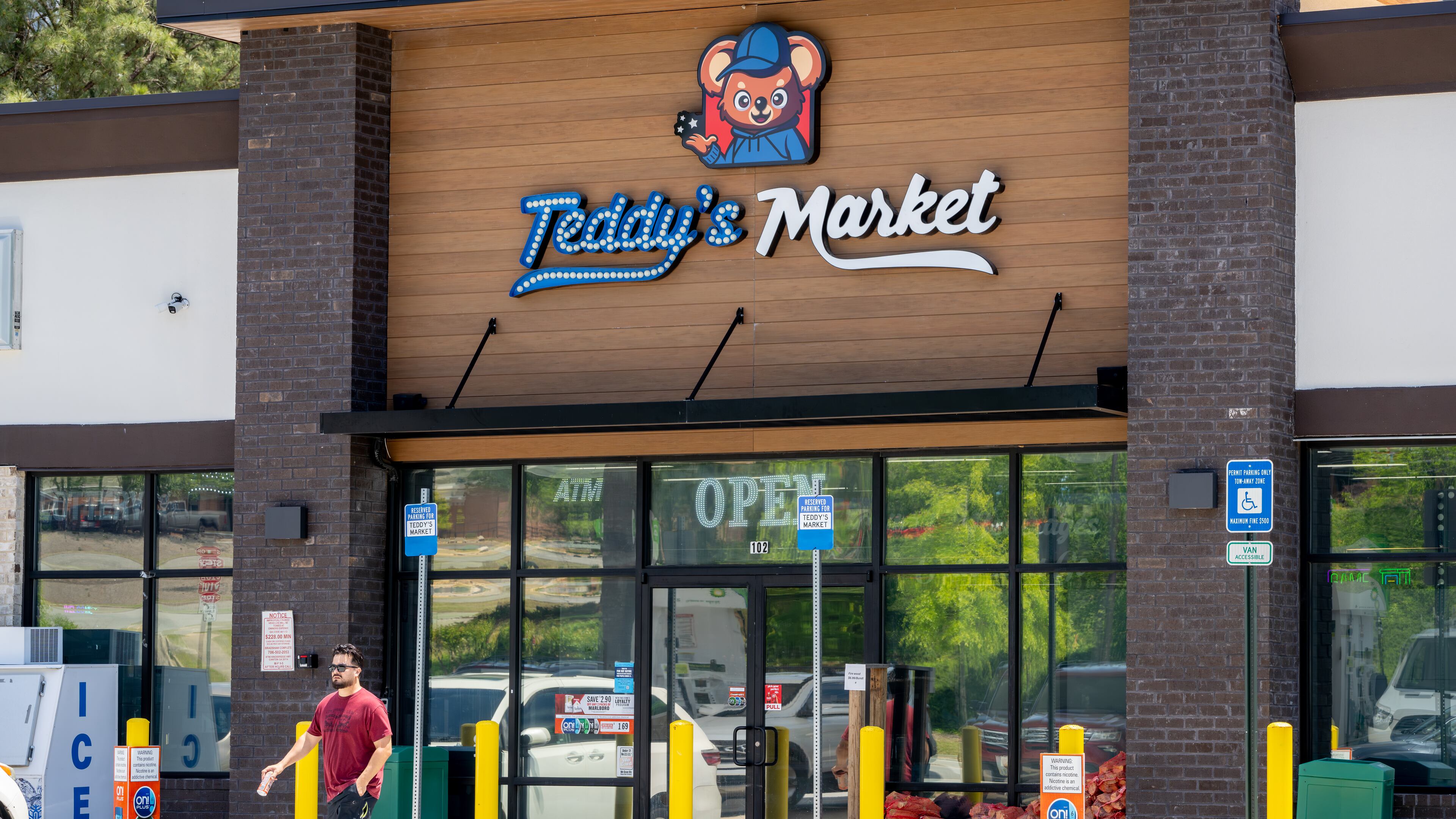
The Buc-ee's trademark enforcement controversy, highlighted by John Oliver's July 26 HBO segment, exposes critical legal and reputational risks for retail brands pursuing aggressive IP protection strategies. Buc-ee's, a Texas-based convenience chain with 50+ locations, has filed at least six lawsuits against smaller competitors—including Georgia-based Teddy's Market—claiming trademark infringement over cartoon animal mascots. This case reveals a fundamental tension in retail law: the balance between protecting established brands and preventing anti-competitive litigation that disadvantages smaller operators.
For retail sellers and O2O operators, this controversy creates three immediate strategic implications:
First, trademark risk exposure is escalating. Legal experts quoted in coverage suggest Buc-ee's may be overextending trademark protections beyond reasonable scope. Teddy's Market owner Karan Ahuja highlighted how larger companies use legal intimidation to suppress smaller competitors. For sellers launching convenience store concepts, pet supply brands, or any retail format with animal mascots, the precedent is chilling: cartoon animal branding—once considered standard retail practice (Aesop's Beaver, Chester Cheetah, Simply's Cheetah)—now triggers litigation risk. Sellers must conduct thorough trademark clearance before launching branded retail concepts, particularly in convenience, food, and pet categories where animal mascots are common.
Second, public perception of brand enforcement is shifting. The Last Week Tonight segment brought mainstream attention to "trademark bullying," where established companies leverage superior resources regardless of actual consumer confusion risk. This reputational damage extends beyond Buc-ee's: any retail brand pursuing aggressive IP enforcement now faces potential public backlash and media scrutiny. For sellers planning retail expansion or pop-up strategies, aggressive trademark enforcement against competitors can damage brand trust and invite negative coverage. The Georgia expansion case—Buc-ee's is building its fourth location while simultaneously pursuing litigation—demonstrates how growth and legal aggression can appear contradictory to consumers.
Third, offline retail expansion strategies require IP-clean positioning. Buc-ee's expansion into Georgia (fourth location) while defending multiple trademark cases illustrates the operational friction between growth and litigation. For sellers pursuing O2O strategies—pop-ups, showrooms, retail partnerships—trademark clearance must precede location selection. Retail partners (convenience chains, truck stops, travel centers) increasingly scrutinize IP compliance before partnerships, as they face secondary liability exposure. The case highlights that retail partnerships now require IP due diligence as a standard requirement, not an afterthought.
Questions 8
How are retail partners responding to trademark enforcement risks?
Retail chains and distributors increasingly require IP due diligence before partnerships, viewing trademark compliance as a standard requirement rather than an afterthought. The Buc-ee's litigation against Teddy's Market—a small two-location Georgia chain—demonstrates that even regional competitors face enforcement risk. For sellers pursuing retail partnerships, expect partners to request: (1) trademark registration certificates; (2) IP clearance letters from counsel; (3) indemnification clauses protecting partners from secondary liability. This due diligence requirement extends partnership timelines by 2-4 weeks and increases legal costs by $2,000-5,000 per partnership negotiation.
What product categories face highest trademark enforcement risk?
Convenience stores, food retail, pet supplies, and travel center concepts face elevated trademark enforcement risk due to widespread use of animal mascots. The Buc-ee's case involved cartoon animal mascots (beaver vs. bear), which legal experts noted are standard in retail branding (Aesop's Beaver, Chester Cheetah, Simply's Cheetah). However, Buc-ee's aggressive enforcement suggests that even standard practices now carry litigation risk. Sellers in these categories should: (1) avoid animal mascots if possible; (2) conduct comprehensive trademark clearance if animal branding is essential; (3) budget $5,000-15,000 for trademark counsel review before retail launch; (4) obtain IP insurance for retail partnerships.