




Red Sea Shipping Crisis Drives 20-30% Cost Surge for Cross-Border E-Commerce Sellers
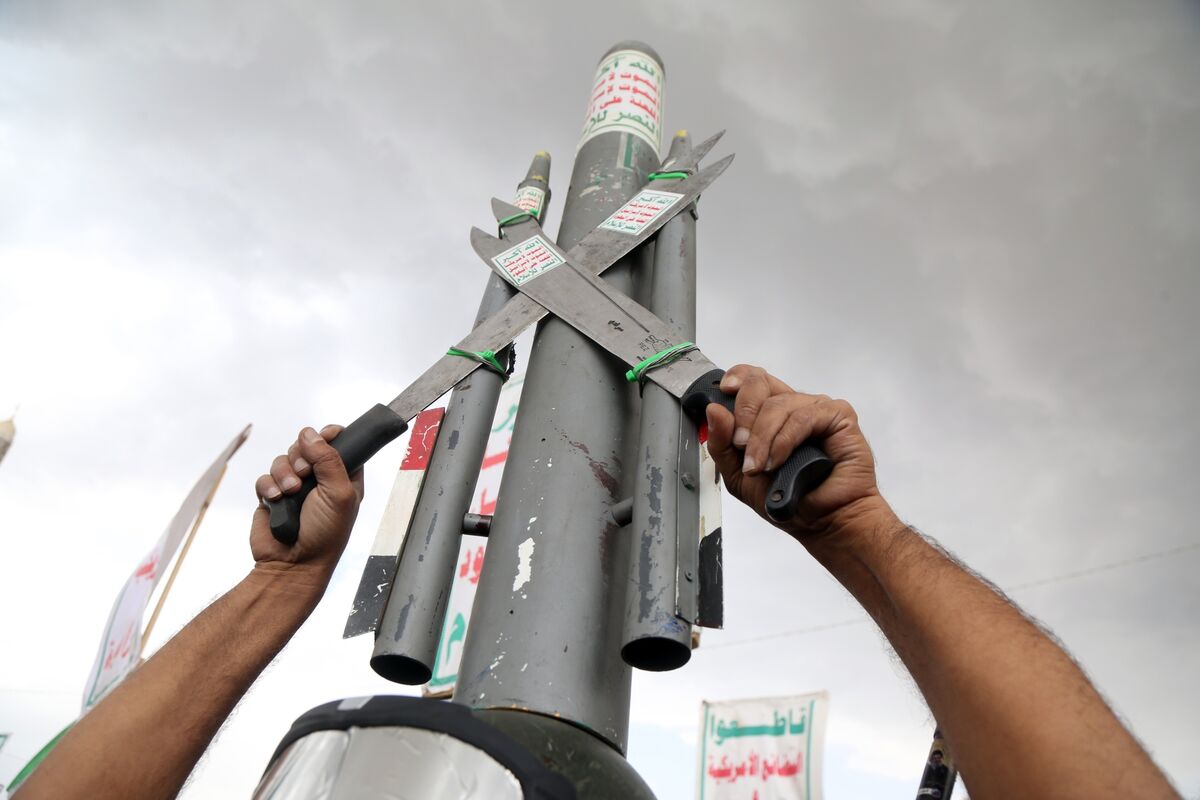
- Houthi missile attacks force 10-14 day reroutes around Africa, escalating freight costs and delivery delays for Asia-Europe-Americas trade corridors

















)
.jpg?width=1280&auto=webp&quality=80&format=jpg&disable=upscale)


Overview
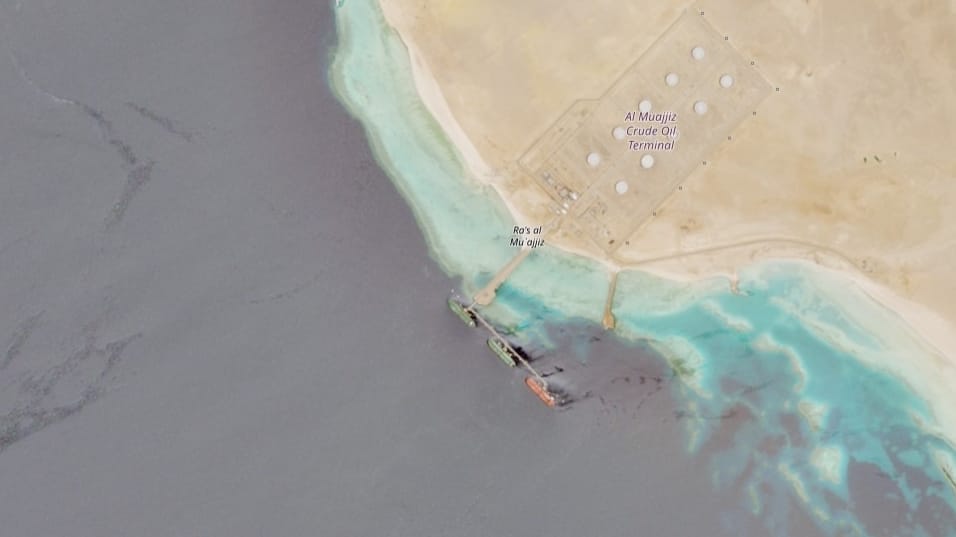
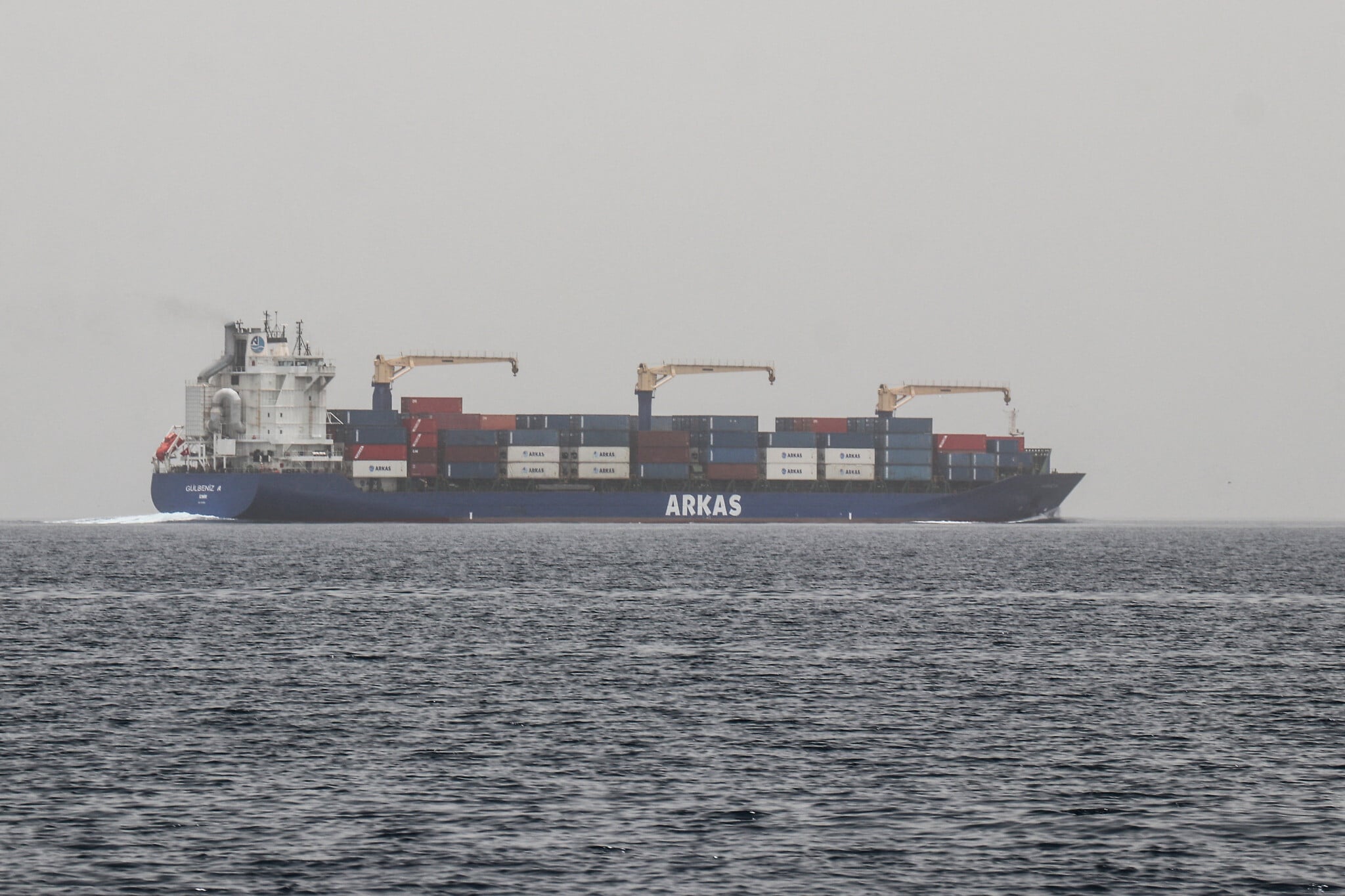
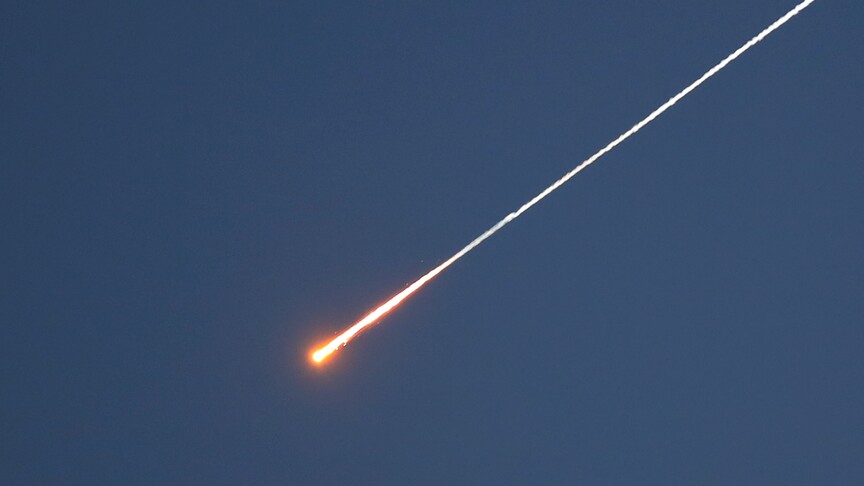
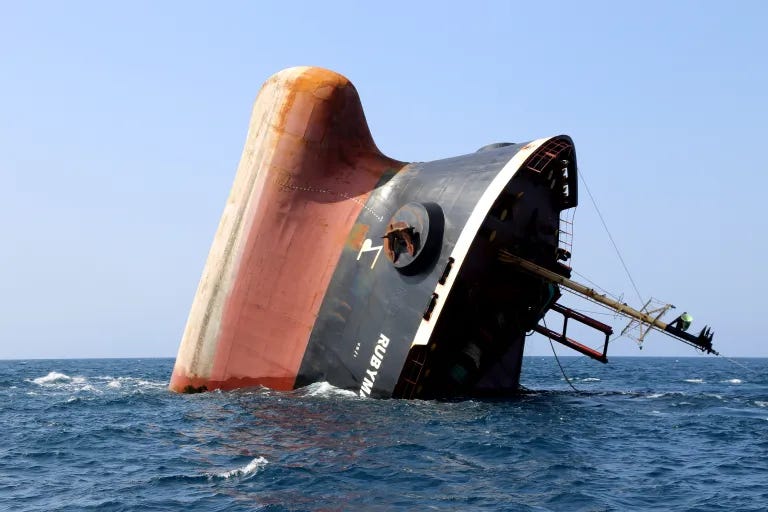
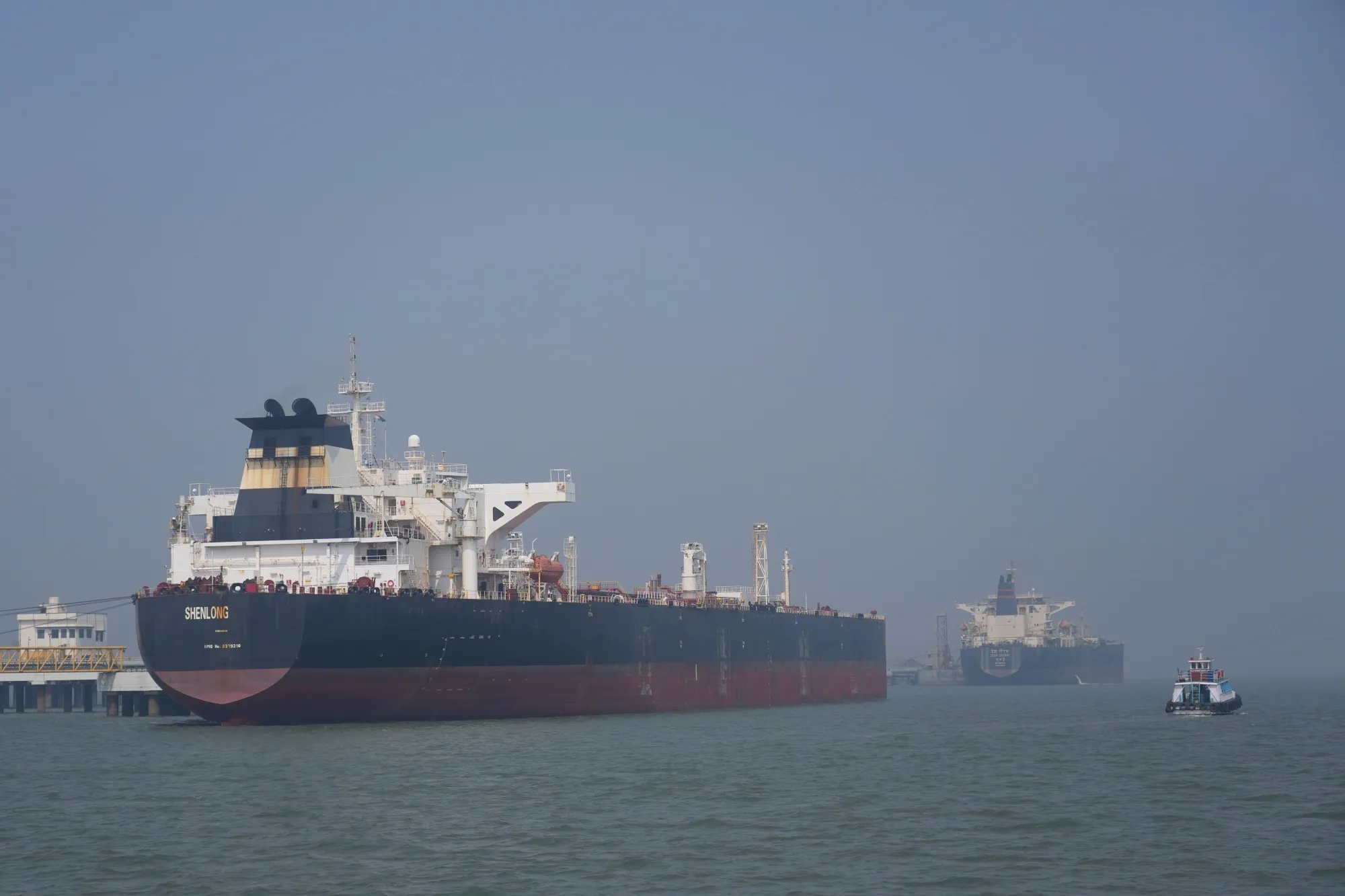
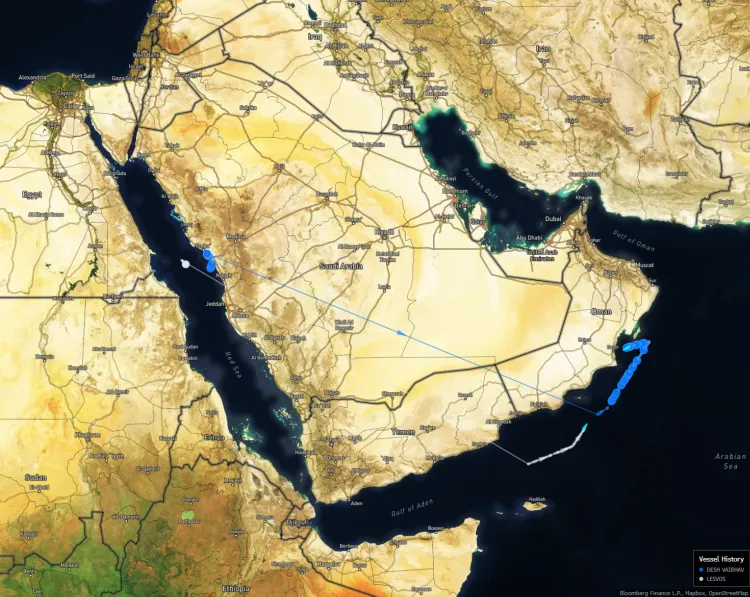
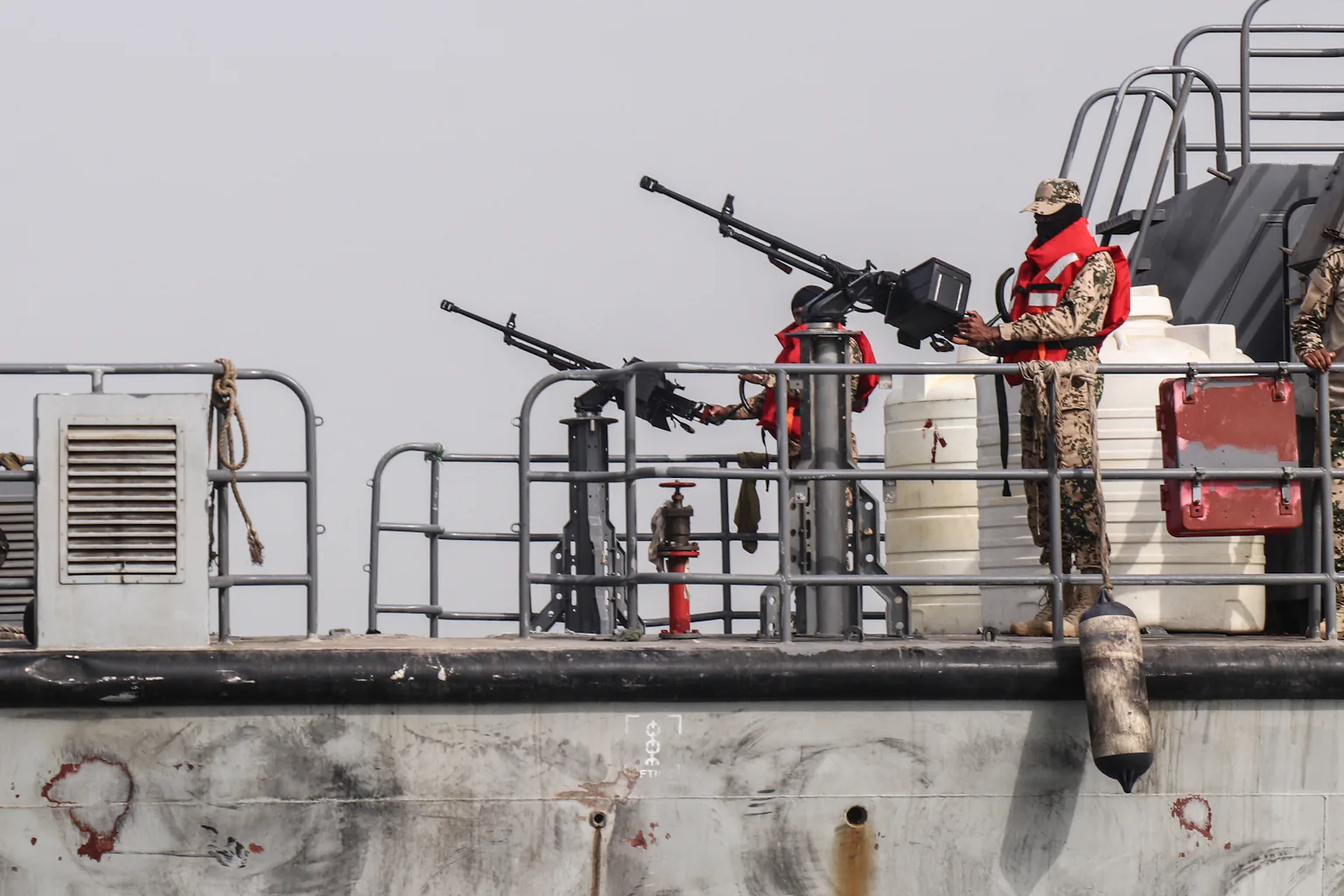
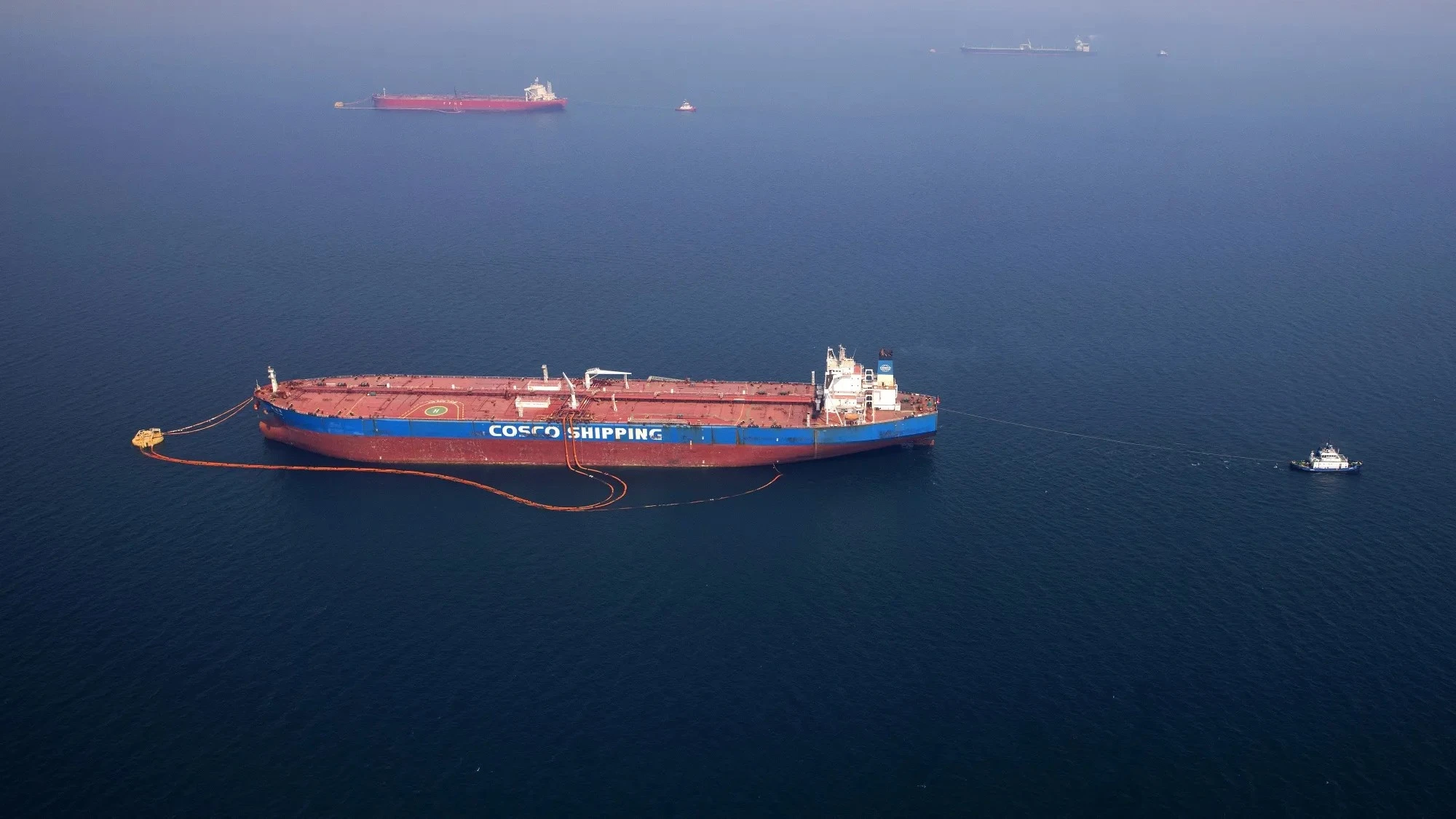
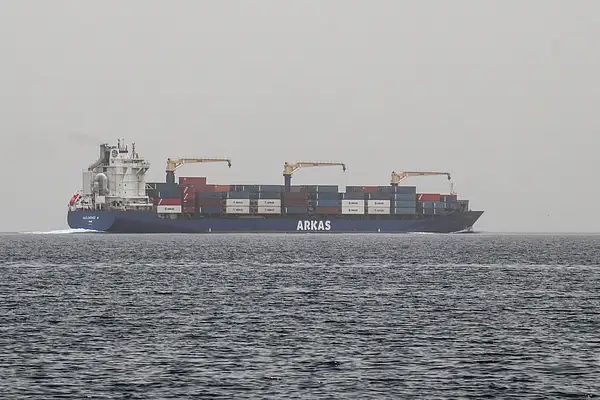
The Red Sea maritime crisis represents an immediate supply chain emergency for cross-border e-commerce sellers. On August 5, 2026, Yemen's Houthi rebels claimed a missile strike on a Saudi oil tanker off Yanbu, triggering Brent crude to surge $1.35 to $80.43/barrel and West Texas Intermediate to gain 45 cents to $76.22/barrel. This geopolitical escalation directly impacts the 12% of global trade flowing through the Red Sea annually—a critical corridor connecting Asia, Europe, and the Middle East. For e-commerce sellers, the consequences are quantifiable and severe: shipping companies are rerouting vessels around Africa's Cape of Good Hope, adding 10-14 days to transit times and increasing operational costs by 20-30%. Major logistics providers have implemented additional security measures and insurance requirements, further compressing seller margins.
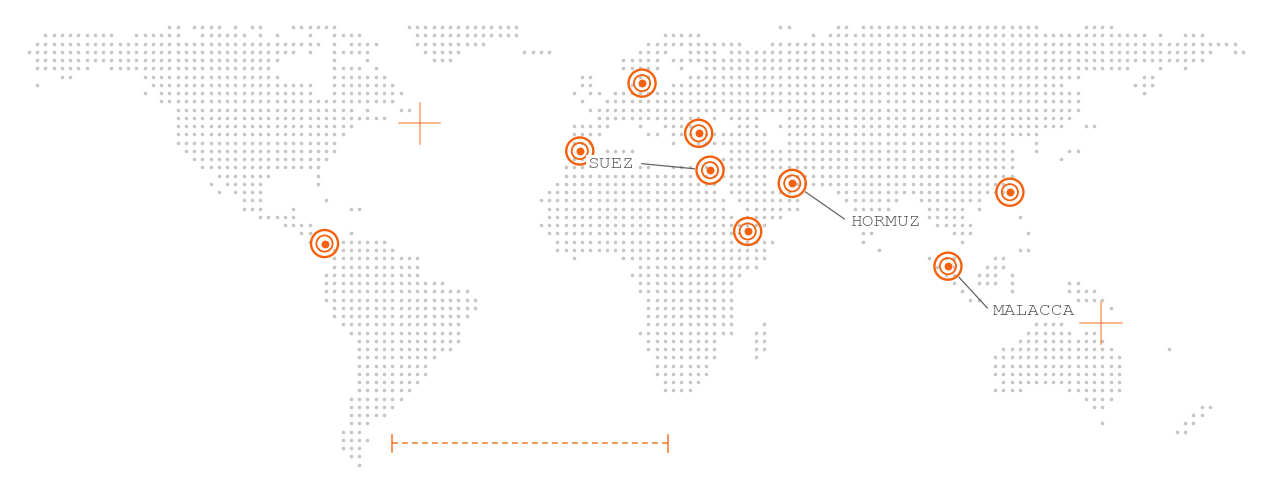
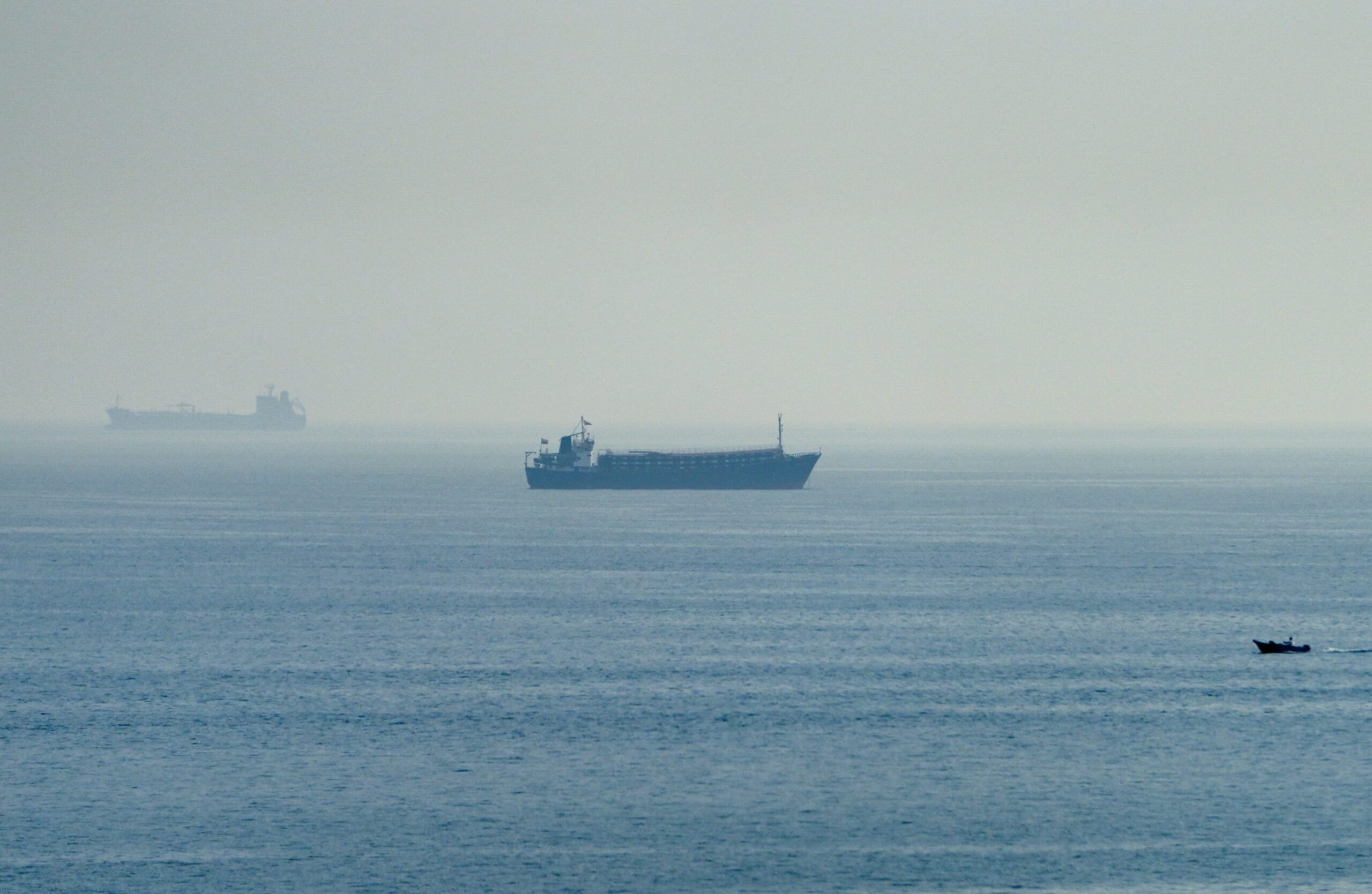
The operational impact stratifies across seller segments with distinct vulnerability profiles. Sellers importing goods from Asia to Europe/North America face the highest exposure, as do those shipping from Middle Eastern suppliers and businesses relying on just-in-time inventory models. Air freight alternatives carry premium pricing that erodes profitability, while ocean freight users experience unpredictable delays that disrupt customer delivery commitments and trigger negative feedback. The Strait of Hormuz—controlling 20% of global oil and liquefied natural gas—remains a secondary chokepoint where Iran and Oman are negotiating a new shipping corridor, adding regulatory uncertainty to long-term logistics planning. Simultaneously, Dubai's Jebel Ali port (a critical transshipment hub for Middle Eastern e-commerce operations) experienced explosions and fires near fuel storage facilities, creating additional port congestion and potential delays for sellers relying on UAE distribution networks.
Strategic response windows are narrowing as shipping costs stabilize at elevated levels. Sellers must immediately audit their supply chain exposure: identify which suppliers and routes depend on Red Sea passage, calculate the cost differential between rerouted ocean freight (20-30% premium) versus air freight alternatives, and assess inventory buffer requirements. The situation may persist given Houthi announcements to expand targeting to the northern Red Sea and ongoing US-Iran tensions. Industry experts recommend sellers diversify sourcing geographies (shifting 20-30% of inventory to non-Red Sea suppliers), negotiate fixed-rate freight contracts before further escalation, and build 2-4 week buffer inventory for just-in-time categories. China's August relaxation of fuel export controls adds complexity to global supply dynamics, potentially affecting energy-intensive manufacturing costs for sellers sourcing from Asia. The window to implement these changes before further geopolitical escalation is estimated at 4-8 weeks.
Questions 8
How do Houthi attacks affect my Amazon FBA or Shopify operations?
Red Sea disruptions directly impact FBA inventory velocity and Shopify fulfillment timelines. Delayed shipments increase FBA storage fees (currently $0.87/unit/month for standard-size items), trigger IPI score penalties if inventory velocity drops below 6 turns/year, and risk losing Buy Box eligibility if delivery times exceed customer expectations. Sellers should audit their FBA inventory composition, prioritize fast-moving SKUs for air freight, and consider shifting slow-moving inventory to Fulfillment by Merchant (FBM) to reduce storage costs during the disruption period.
What supply chain changes should I implement immediately?
Execute these actions within 30 days: (1) Audit supplier locations—identify which depend on Red Sea passage and calculate rerouting costs; (2) Negotiate fixed-rate freight contracts with 3PL providers before further escalation; (3) Build 2-4 week buffer inventory for just-in-time categories; (4) Diversify sourcing to non-Red Sea suppliers (Vietnam, India, Mexico) for 20-30% of SKUs; (5) Monitor Iran-Oman Hormuz corridor negotiations for potential long-term route restructuring. Sellers who implement these changes by September 15, 2026 can lock in freight rates before further geopolitical escalation.