

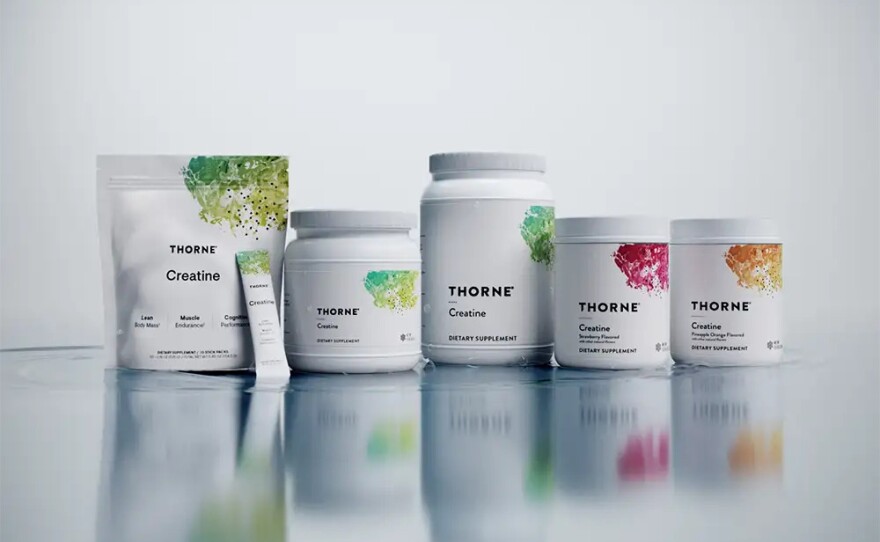


P&G Thorne Acquisition $3.8B | Supplement Market Consolidation Reshapes E-Commerce Competition
- Wellness sector consolidation accelerates with major CPG players acquiring premium supplement brands; sellers face intensified competition but niche opportunities emerge in personalized health solutions targeting younger demographics













Overview
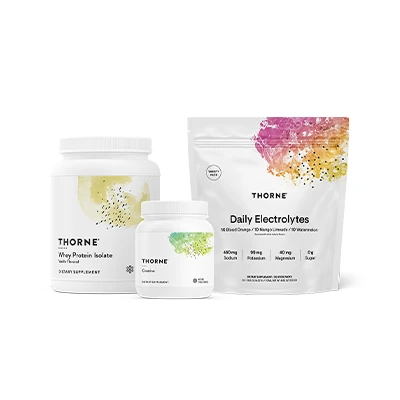
P&G's $3.8 billion acquisition of Thorne (announced August 4, 2026) signals a critical inflection point in supplement e-commerce, marking the third major consolidation move by multinational CPG giants in 2026. The deal—which generated a $3+ billion return for L Catterton since its 2023 acquisition at $680 million—reflects explosive growth in the vitamins, minerals, and supplements (VMS) sector, which has expanded at double-digit rates for five consecutive years. Thorne's projected 2026 sales of $650 million (up 124% from $290 million in 2023) demonstrate the category's momentum, while Unilever's simultaneous acquisition of Gruns and Nestlé's VMS strategic review confirm that traditional CPG manufacturers are aggressively consolidating premium supplement brands to access younger, health-conscious consumers.
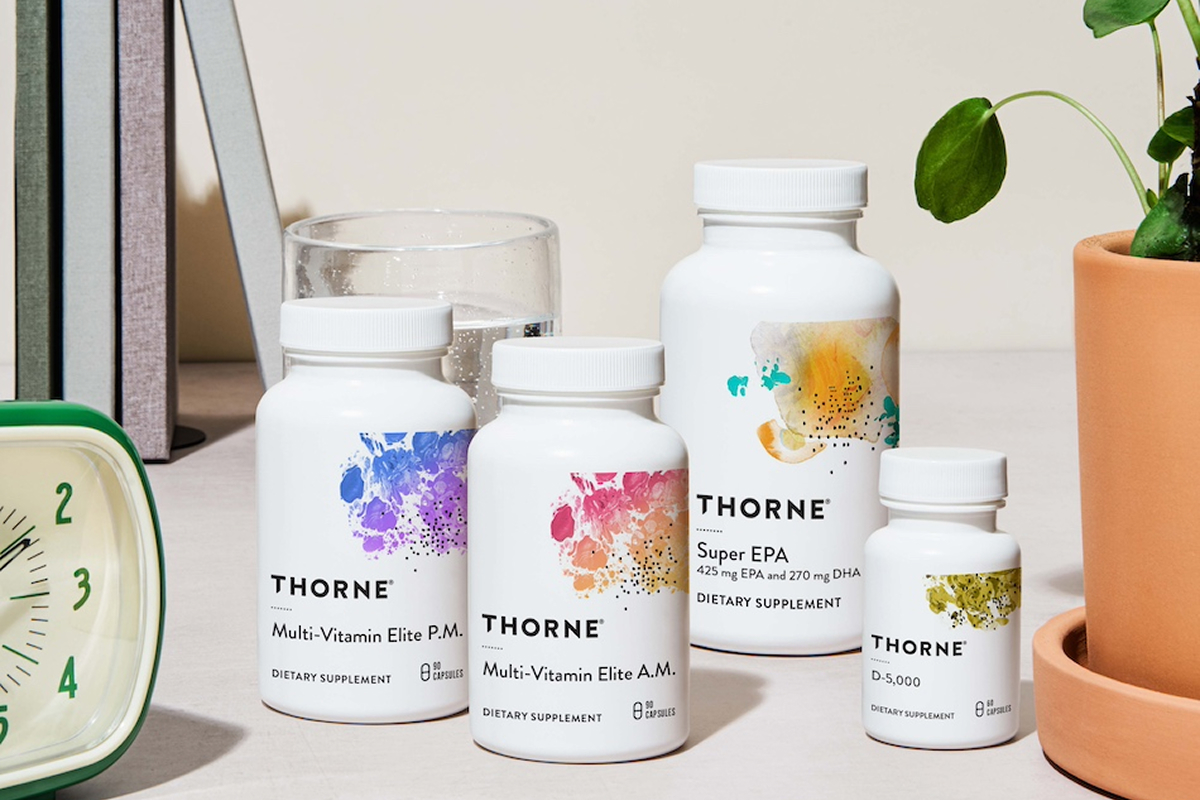
For cross-border e-commerce sellers, this consolidation creates a bifurcated market dynamic: Large CPG players (P&G, Unilever, Nestlé) are leveraging their global distribution networks, manufacturing scale, and brand portfolios to dominate premium supplement segments, particularly in practitioner-endorsed and science-backed categories where Thorne excels. P&G's existing portfolio (New Chapter, Metamucil, Align Probiotic) combined with Thorne's credibility in personalized health solutions positions the company to capture significant market share across Amazon, Shopify, and direct-to-consumer channels. This consolidation increases competitive pressure on independent sellers in mainstream supplement categories (multivitamins, probiotics, minerals) where CPG players can undercut pricing through manufacturing efficiency and distribution leverage.
However, the acquisition simultaneously creates three distinct seller opportunities: (1) Niche specialization: Sellers focusing on ultra-premium, hyper-targeted supplements (sports nutrition, biohacking, gender-specific formulations) can differentiate from CPG mass-market offerings; (2) Practitioner partnerships: The news emphasizes Thorne's healthcare practitioner relationships—sellers can build similar B2B2C channels through chiropractors, naturopaths, and functional medicine practitioners; (3) Personalized health solutions: P&G's acquisition targets "personalized wellness" and "evidence-based products," signaling demand for customized supplement stacks, genetic-based nutrition, and subscription models. The expected late-2026 closing timeline provides a 6-month window for independent sellers to establish market positions before P&G integrates Thorne's distribution and marketing capabilities. Sellers should monitor P&G's pricing strategies post-acquisition—historical CPG consolidations typically result in 8-15% price increases on acquired brands within 12 months as companies optimize margins and leverage their distribution advantages.
Questions 8
What are the key differences between Thorne's practitioner-partnership model and typical Amazon supplement selling?
Thorne's competitive advantage centers on 'practitioner-trusted' positioning and healthcare provider relationships—a B2B2C model fundamentally different from Amazon's direct-to-consumer approach. Practitioners (chiropractors, naturopaths, functional medicine doctors) recommend Thorne to patients, creating high-trust, high-margin sales channels. This model typically generates 40-60% higher margins and 3-5x higher customer lifetime value than Amazon sales because: (1) practitioner endorsement reduces customer acquisition costs, (2) patients follow practitioner recommendations with higher conversion rates, (3) subscription/ongoing relationships replace one-time purchases. Independent sellers can replicate this by: building relationships with 50-100 practitioners in their niche, offering wholesale pricing (30-40% discount), and providing marketing support. This channel is underutilized by most Amazon sellers but represents the highest-margin opportunity in supplement e-commerce.
Should sellers expect supply chain disruptions or inventory availability changes post-acquisition?
P&G's integration of Thorne's supply chain (expected completion late 2026) will likely create 2-3 month disruptions in Thorne product availability as P&G consolidates manufacturing and distribution. For independent sellers, this creates a temporary opportunity: if Thorne products become unavailable on Amazon during integration, sellers can source inventory from alternative suppliers and capture market share. However, post-integration (Q1 2027), expect: (1) improved product availability as P&G's scale optimizes supply chains, (2) potential SKU rationalization (P&G may discontinue lower-volume Thorne products), (3) price increases on remaining SKUs. Sellers should: monitor Thorne product availability during Q4 2026-Q1 2027, source alternative suppliers for high-demand SKUs, and prepare for 8-12% price increases on P&G-integrated products by mid-2027.