


Disney Toy Story 5 Merchandise Boom | Sellers Capitalize on $25.2B Revenue Surge
- Franchise-driven merchandise sales spike as Disney reports 7% YoY revenue growth; licensed product sellers see peak demand window through Q4 2024
















Overview
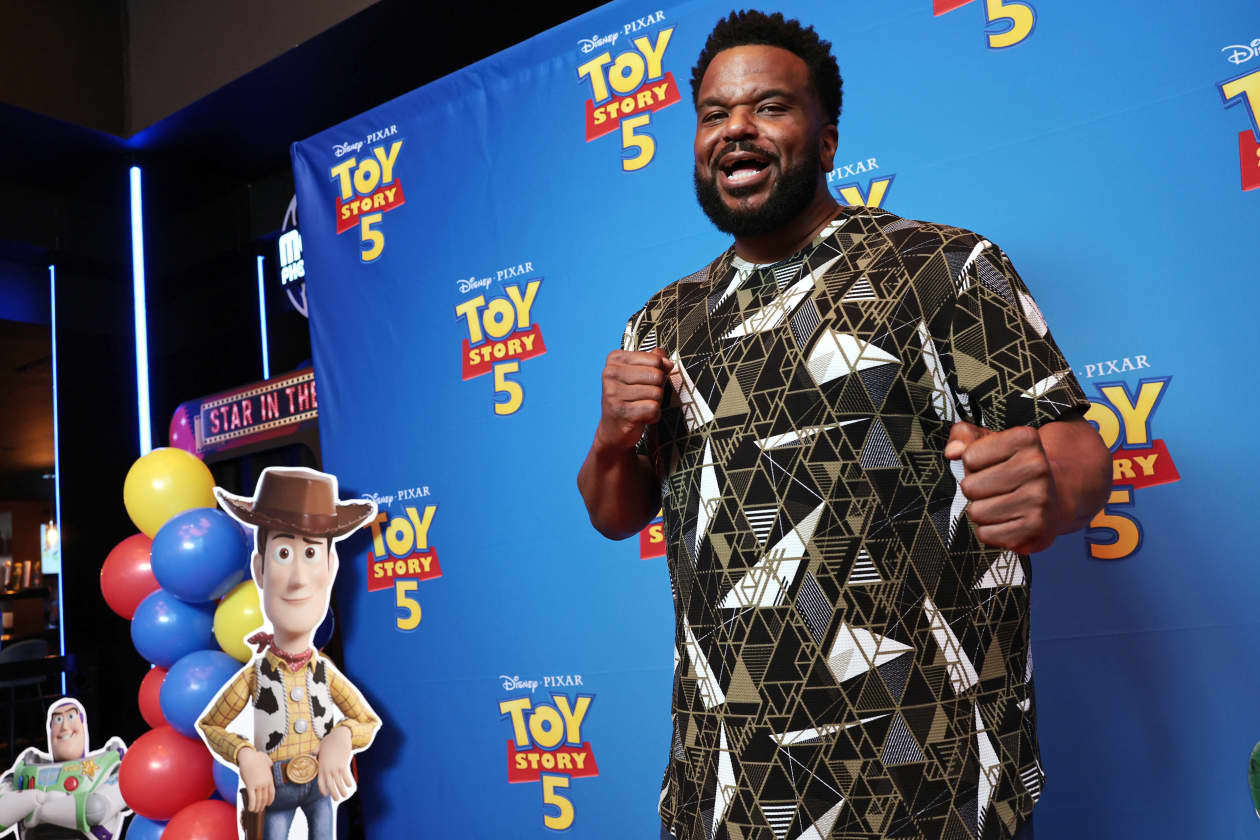
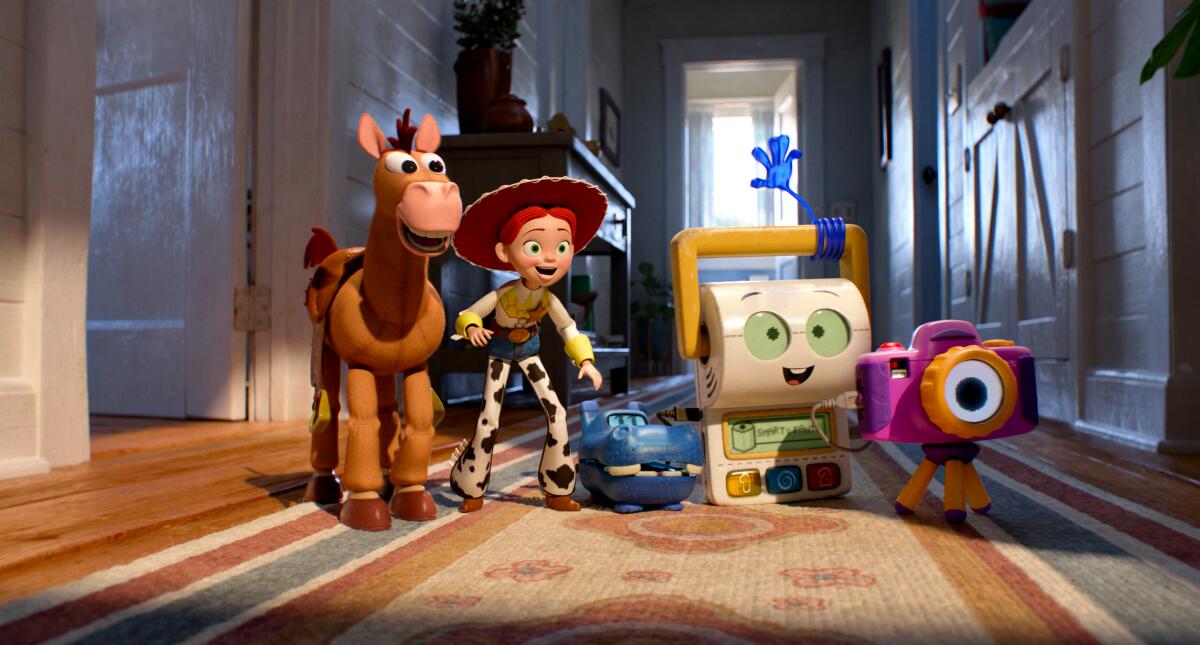
Disney's blockbuster Toy Story 5 performance is creating a significant merchandise opportunity for cross-border sellers, with the company reporting $25.2 billion in total revenue (up 7% YoY) and $11.3 billion in Entertainment segment revenue (up 6% YoY). The film's success extends far beyond box office receipts—it's driving merchandise sales, streaming subscriptions (Disney+ and Hulu up 15%), and theme park attendance (up 4% globally). This represents a critical window for sellers in the toys, collectibles, apparel, and home décor categories to capitalize on franchise-driven consumer demand.
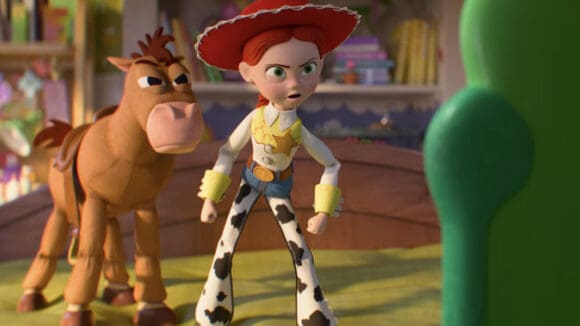
Merchandise Category Opportunity: The news explicitly highlights merchandise expansion as a strategic priority for Disney management. Sellers offering Toy Story 5-licensed products (action figures, plushies, apparel, home goods, collectibles) are positioned to capture peak demand through Q4 2024. Industry data shows franchise film merchandise typically generates 30-50% of theatrical revenue in ancillary markets. With Toy Story 5's strong box office performance, licensed product sellers on Amazon, eBay, Shopify, and TikTok Shop should expect elevated search volume for keywords like "Toy Story 5 toys," "Woody action figure," "Buzz Lightyear merchandise," and "Toy Story collectibles."
Platform & Content Strategy: Disney's strategic partnership with TikTok—allowing creators to use Disney characters in short-form videos—signals a major shift in how licensed merchandise is marketed. This creates arbitrage opportunities for sellers: TikTok's CPM rates for entertainment/toy content average $2-4 per 1,000 impressions (vs. Meta's $5-8), making it ideal for driving traffic to Amazon/Shopify listings. Sellers should create TikTok content featuring Toy Story 5 products (unboxing, styling, collectible showcases) to capitalize on creator partnerships and organic viral potential. The Disney-TikTok deal removes previous licensing friction, making it easier for sellers to feature official characters in promotional content.
Tariff Relief & Cost Advantage: A critical detail often overlooked: Disney benefited from a $100 million tariff refund following the U.S. Supreme Court's decision striking down Trump's global tariffs. This signals potential tariff relief for sellers importing toy/merchandise products from China and Asia Pacific regions. Sellers should monitor tariff code updates (HS codes 9503 for toys, 6204 for apparel) for potential duty reductions on Toy Story merchandise imports, which could improve margins by 5-12% depending on product category and origin.
Streaming-Driven Demand Cycle: The 15% increase in Disney+ and Hulu subscription fees indicates Disney is monetizing content across multiple channels. For sellers, this means sustained merchandise demand extends beyond theatrical release—streaming viewers (estimated 150M+ Disney+ subscribers globally) continue engaging with franchises months after release. Sellers should plan inventory for a 6-9 month merchandise sales window, with peak demand in months 1-3 post-release and secondary spikes during holiday seasons and streaming promotional periods.
Questions 8
Should sellers focus on Amazon FBA or Shopify for Toy Story merchandise?
**Amazon FBA is optimal for toy/collectible sellers** due to higher search volume, Prime eligibility, and established toy category infrastructure. Amazon's toy category generates **$8-10B in annual cross-border sales**, with Toy Story products historically ranking in top 100 BSR. FBA provides 2-day shipping, which is critical for gift-buyers and holiday season demand. However, **Shopify + TikTok Shop integration** offers lower fees (2.9% + $0.30 per transaction vs. Amazon's 15% referral fee) and direct access to TikTok's creator ecosystem. Optimal strategy: Use **Amazon FBA as primary channel** (60-70% of inventory) for volume and discoverability; allocate **20-30% to Shopify** with TikTok Shop integration for margin optimization and creator partnerships; reserve **5-10% for eBay** to capture collector audiences. Monitor Amazon's toy category performance metrics (conversion rates, return rates) weekly during peak season to optimize inventory allocation.
What keywords should sellers target for Toy Story 5 product listings?
**Primary keywords** (high volume, moderate competition): 'Toy Story 5 toys,' 'Toy Story 5 merchandise,' 'Woody action figure,' 'Buzz Lightyear toy,' 'Toy Story collectibles.' **Secondary keywords** (medium volume, lower competition): 'Toy Story 5 plushie,' 'Toy Story 5 apparel,' 'Toy Story 5 collectible,' 'Toy Story 5 gift,' 'Toy Story 5 limited edition.' **Long-tail keywords** (low volume, high intent): 'Toy Story 5 Woody deluxe action figure,' 'Toy Story 5 Buzz Lightyear premium collectible,' 'Toy Story 5 merchandise gift set.' Search volume for 'Toy Story 5' keywords is estimated at **50K-200K monthly searches** (peak July-December 2024). CPC rates on Google Ads average **$0.80-1.50** for head terms, **$0.40-0.80** for body terms. Use **Amazon Keyword Tool** and **Helium 10** to identify long-tail variants with lower competition. Optimize listings with 3-5 primary keywords in title, 5-8 in backend search terms, and 2-3 in bullet points for maximum visibility.