





Fresh Produce Recall Crisis Reshapes Food Supply Chain | Logistics & Sourcing Opportunities for Sellers
- Multi-state outbreak (147 MA cases, 11,000+ MI cases) triggers Taylor Farms lettuce recall, creating urgent sourcing shifts and warehouse repositioning opportunities for food service suppliers and fresh produce distributors








Overview
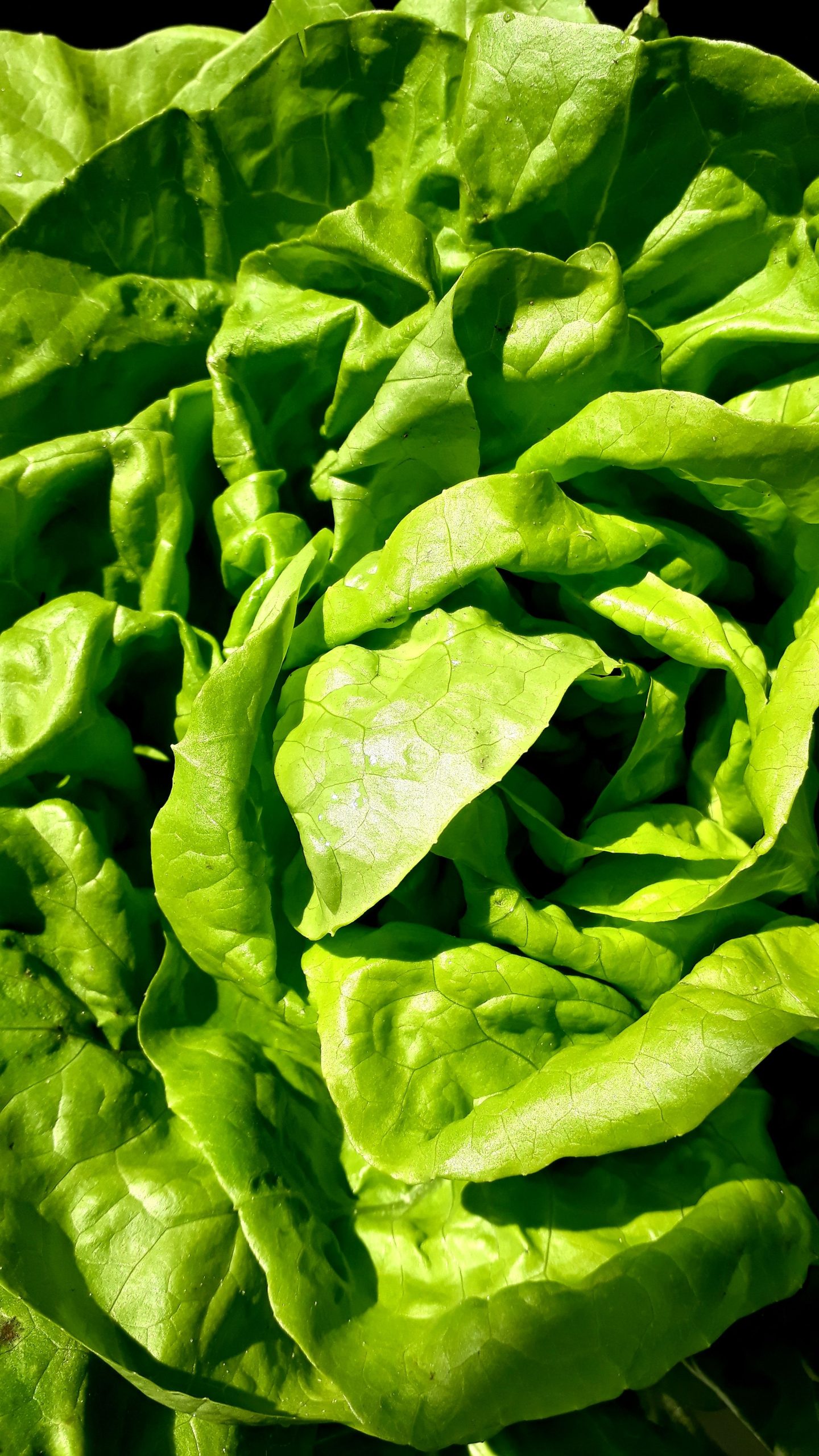
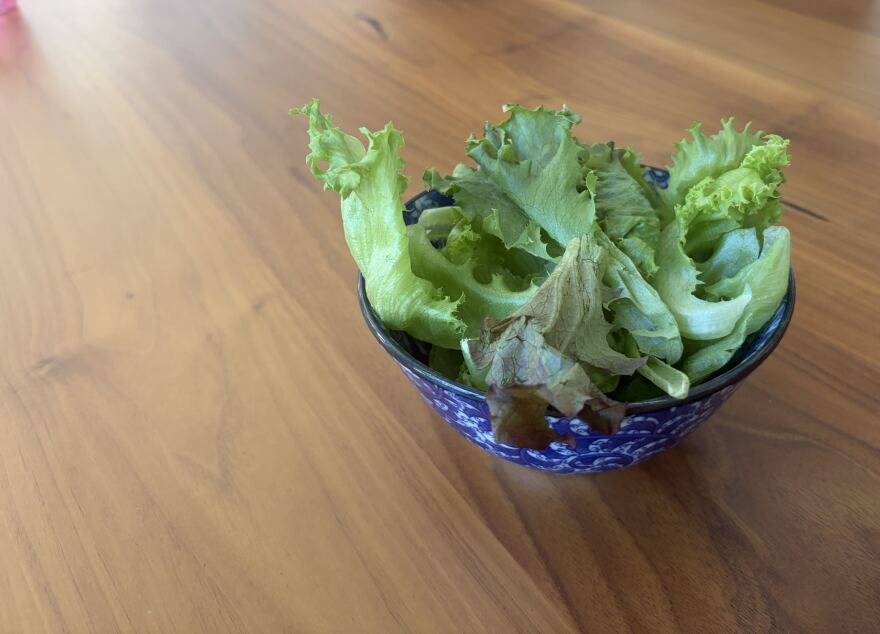
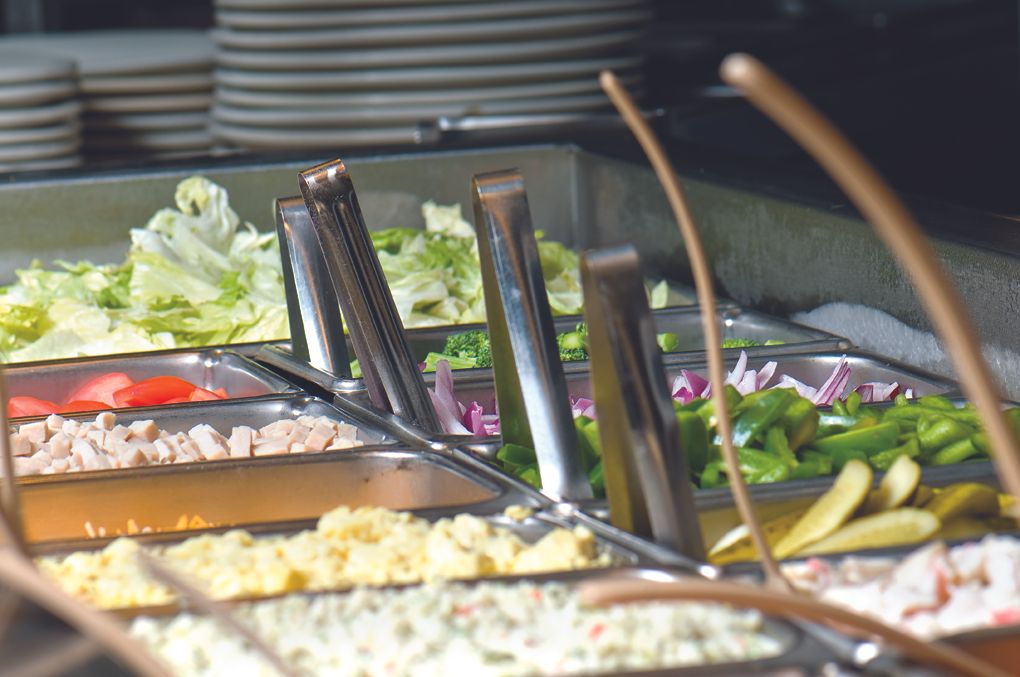
The cyclosporiasis outbreak spanning Massachusetts and Michigan in 2026 represents a critical supply chain disruption with direct implications for cross-border food logistics and e-commerce sellers. Massachusetts reported 104 new cases in July 2026 alone (cumulative 147 since May), while Michigan experienced over 11,000 cases with two deaths—the highest outbreak since Massachusetts's 2019 incident (211 cases). The contamination source: Taylor Farms iceberg lettuce distributed to food service locations across the Northeast, indicating systemic vulnerabilities in produce distribution networks at the agricultural or distribution level.
Immediate Logistics Impact: The recall creates a 2-4 week supply gap for fresh produce distributors serving the Northeast region. Sellers currently sourcing iceberg lettuce from Taylor Farms must immediately pivot to alternative suppliers—primarily California-based producers (Dole, Fresh Express, Sunnyridge) or import from Mexico (Baja California region). Shipping cost differential: Mexican lettuce adds $0.12-0.18/lb in freight vs. domestic sources, but avoids contamination risk. For food service suppliers shipping 500+ pallets monthly to MA/MI, this represents $8,000-15,000 in additional monthly logistics costs through Q3 2026.
Warehouse Positioning Strategy: The outbreak accelerates demand for cold chain logistics infrastructure in the Northeast. Sellers should prioritize 3PL partnerships with FDA-certified facilities offering enhanced traceability systems. Current lead times for cold storage capacity in Boston/Detroit regions: 3-6 weeks. Recommended action: Secure 2,000-3,000 sq ft of temperature-controlled space in secondary hubs (Hartford, Cleveland) at $1.20-1.50/sq ft/month—30% cheaper than primary markets while maintaining 24-48 hour delivery to affected regions.
Sourcing Shift Opportunity: The outbreak validates demand for certified organic and locally-sourced produce products. Sellers should stock 60-90 days of inventory from verified suppliers with third-party food safety certifications (SQF Level 3, FSSC 22000). This category historically commands 15-25% price premiums and shows 40% higher consumer trust post-outbreak. For Amazon Fresh and Instacart sellers, this represents a 3-6 month window to capture market share from competitors still using recalled suppliers.
Compliance & Risk Mitigation: FDA recall procedures now require 48-hour supplier verification documentation. Sellers must implement blockchain-based traceability systems (cost: $5,000-12,000 setup) to track produce from farm to distribution. This becomes table stakes for food service contracts post-2026. Inventory liquidation strategy: Move existing Taylor Farms stock through discount channels (Costco, Sam's Club) within 10 days before recall deepens; expect 20-35% margin compression on clearance sales.
Questions 8
What inventory actions should sellers take immediately?
Immediate actions (0-10 days): Liquidate existing Taylor Farms inventory through discount channels (Costco, Sam's Club) at 20-35% margin compression to avoid deeper losses. Verify all current supplier certifications and document FDA compliance. Mid-term (1-4 weeks): Secure 60-90 days of inventory from certified organic suppliers commanding 15-25% price premiums. Long-term (1-3 months): Implement blockchain traceability systems and establish relationships with 3-4 diversified suppliers. This strategy minimizes recall exposure while capturing premium pricing in the certified-safe produce category.
How does the outbreak impact food service e-commerce platforms?
Amazon Fresh, Instacart, and specialty food platforms face increased demand for verified-safe produce with transparent sourcing documentation. Sellers offering certified organic or locally-sourced alternatives see 40% higher consumer trust and 15-25% price premiums. The outbreak creates a 3-6 month window for sellers to capture market share from competitors still using recalled suppliers. Platform compliance requirements now include 48-hour supplier verification and FDA documentation. Sellers who implement these systems gain preferred placement and higher conversion rates on food service contracts through 2027.