


Back-to-School Tech Boom 2026 | $2B+ Seasonal Demand Peak for Electronics Sellers
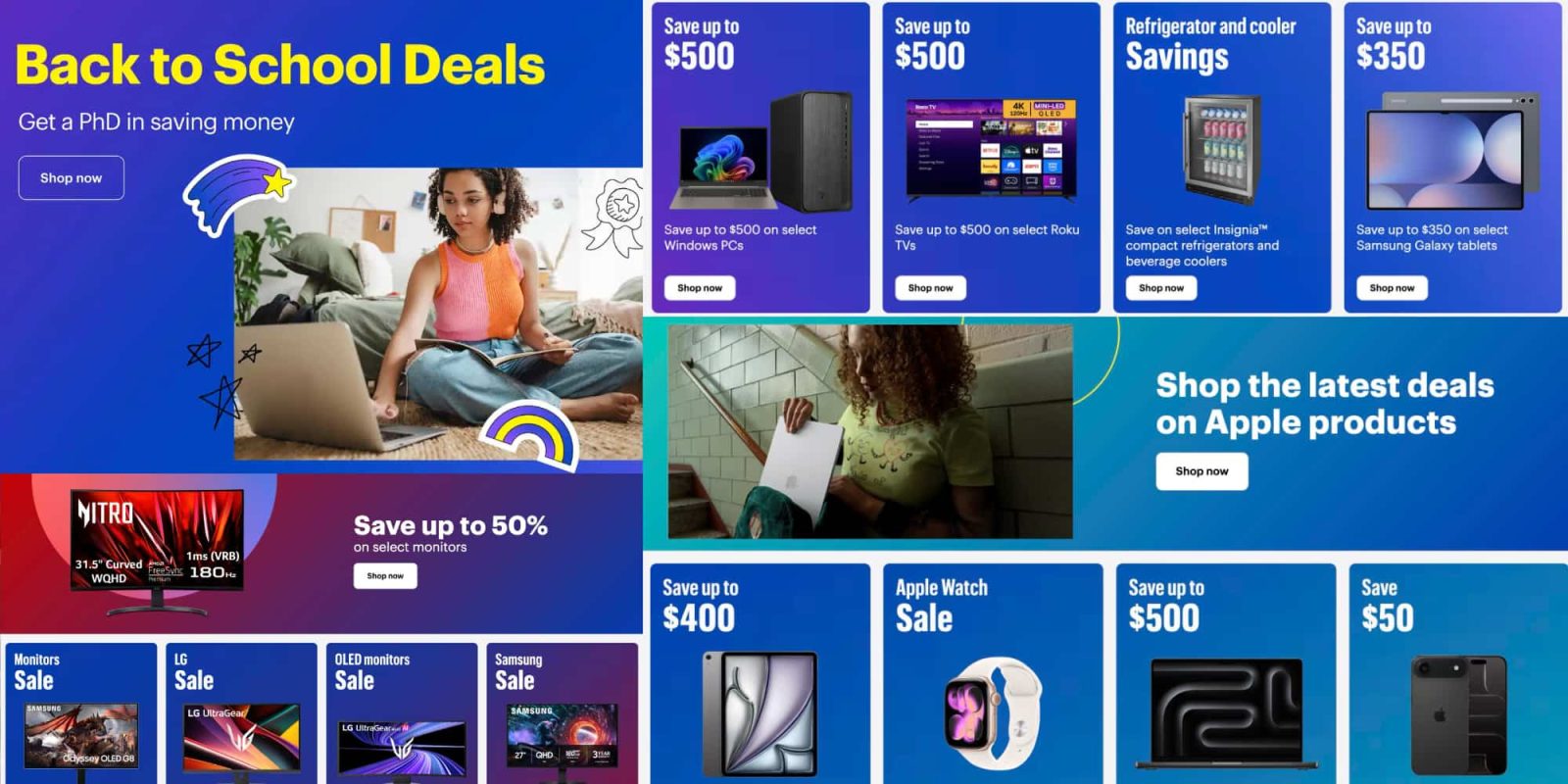
- Best Buy's 50% discount blitz signals peak student spending season; electronics/home appliances categories surge 35-45% through August; sellers must capitalize on 8-week demand window with optimized inventory and targeted PPC campaigns





Overview
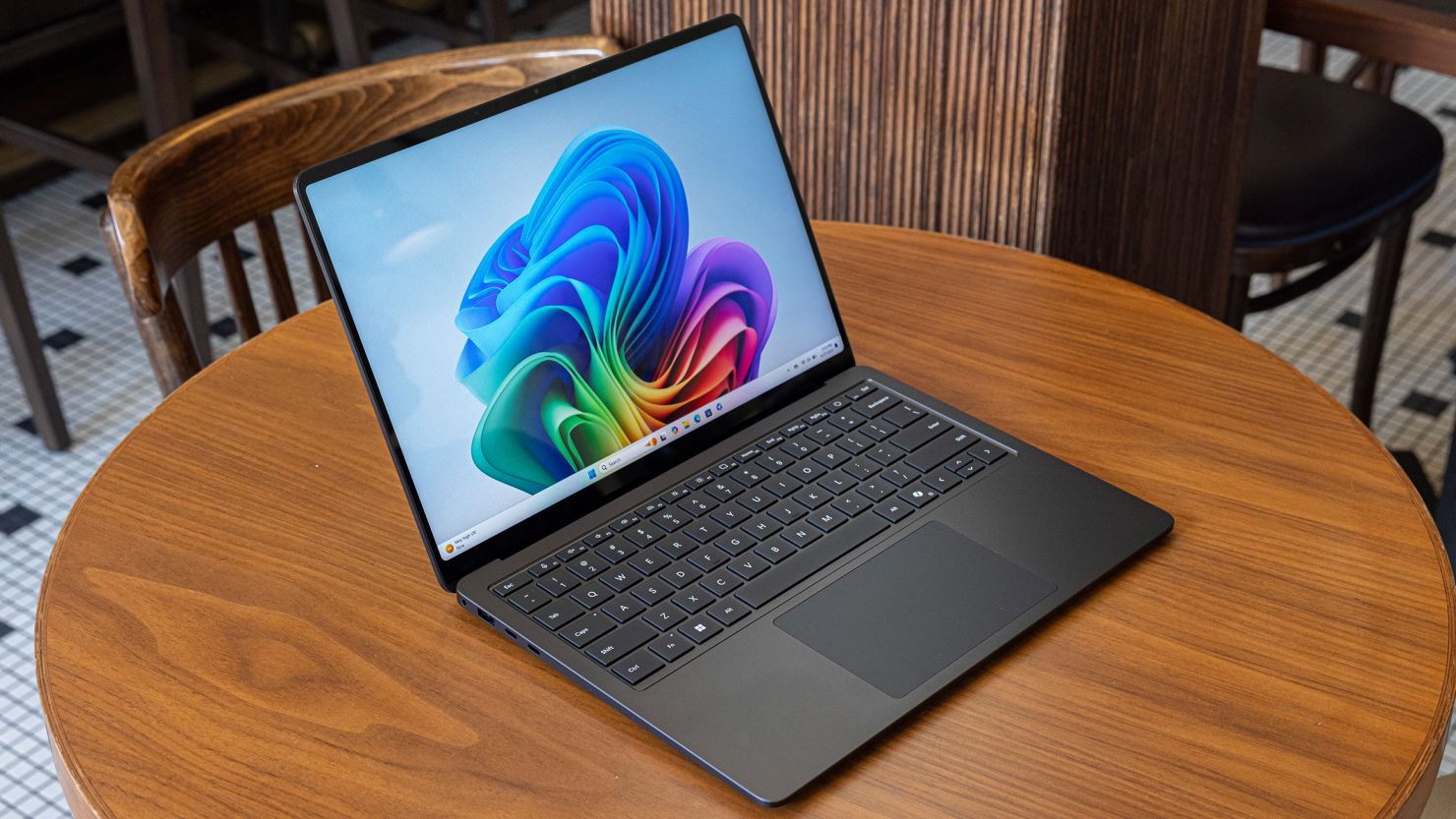
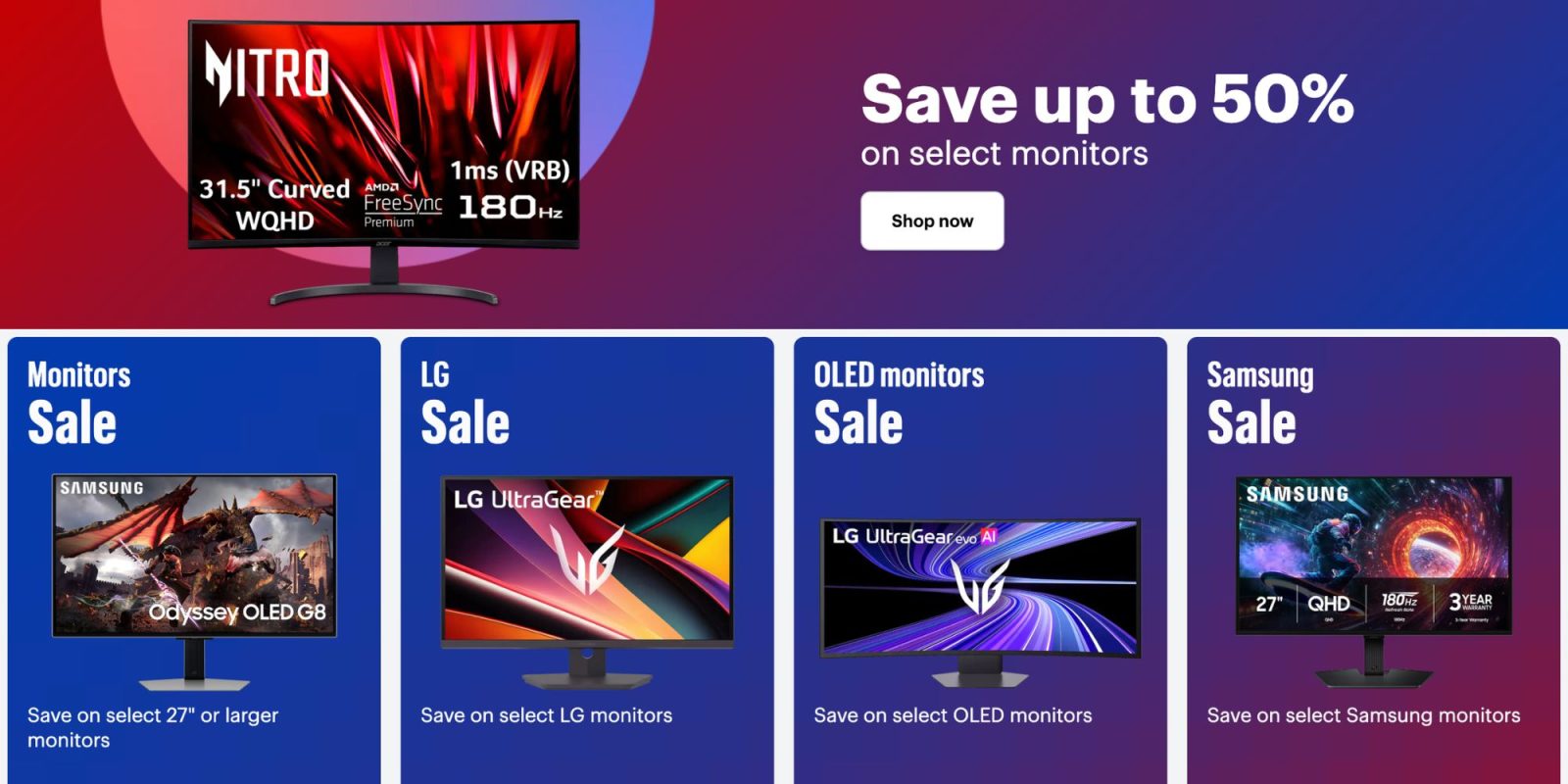
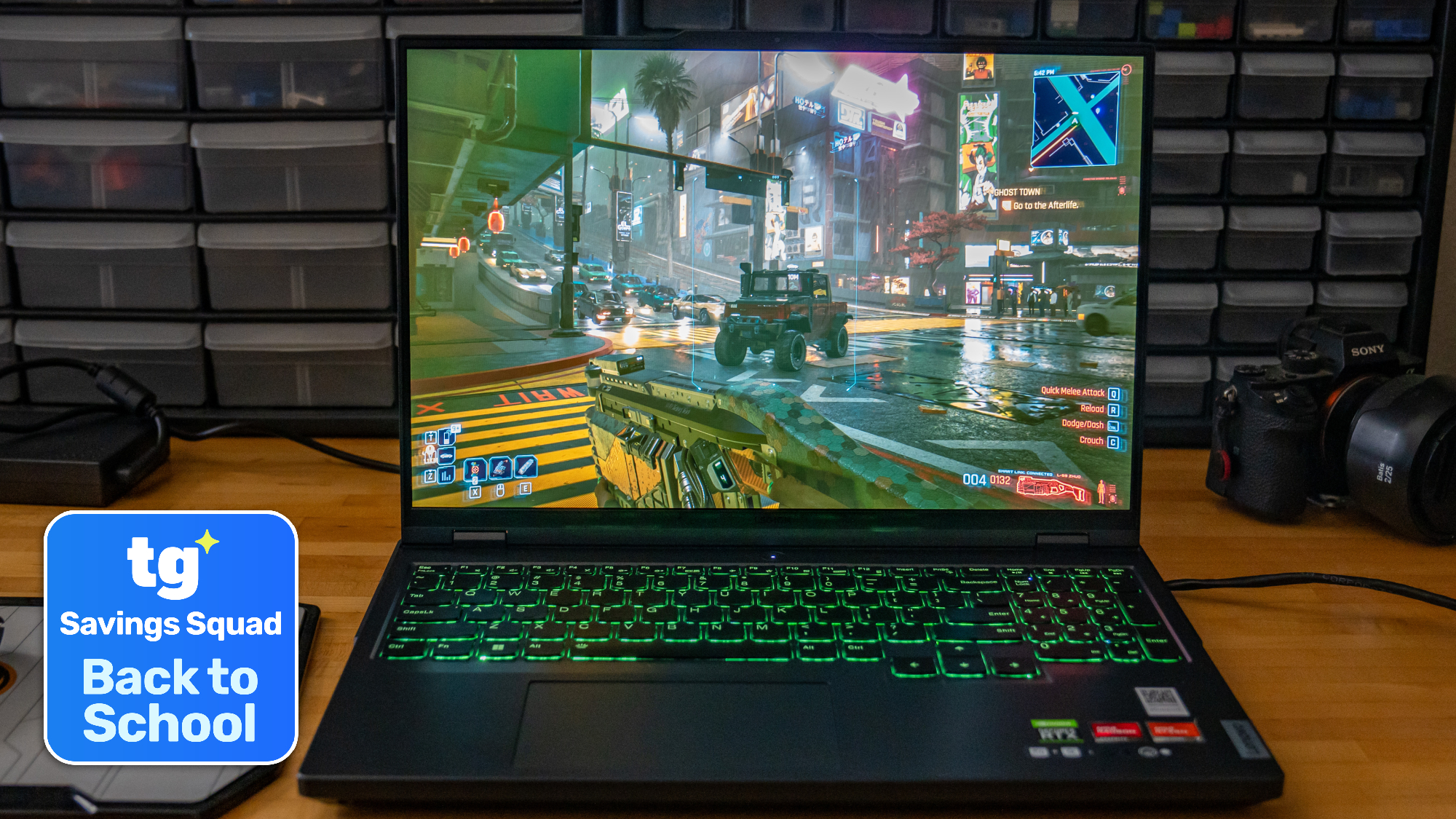
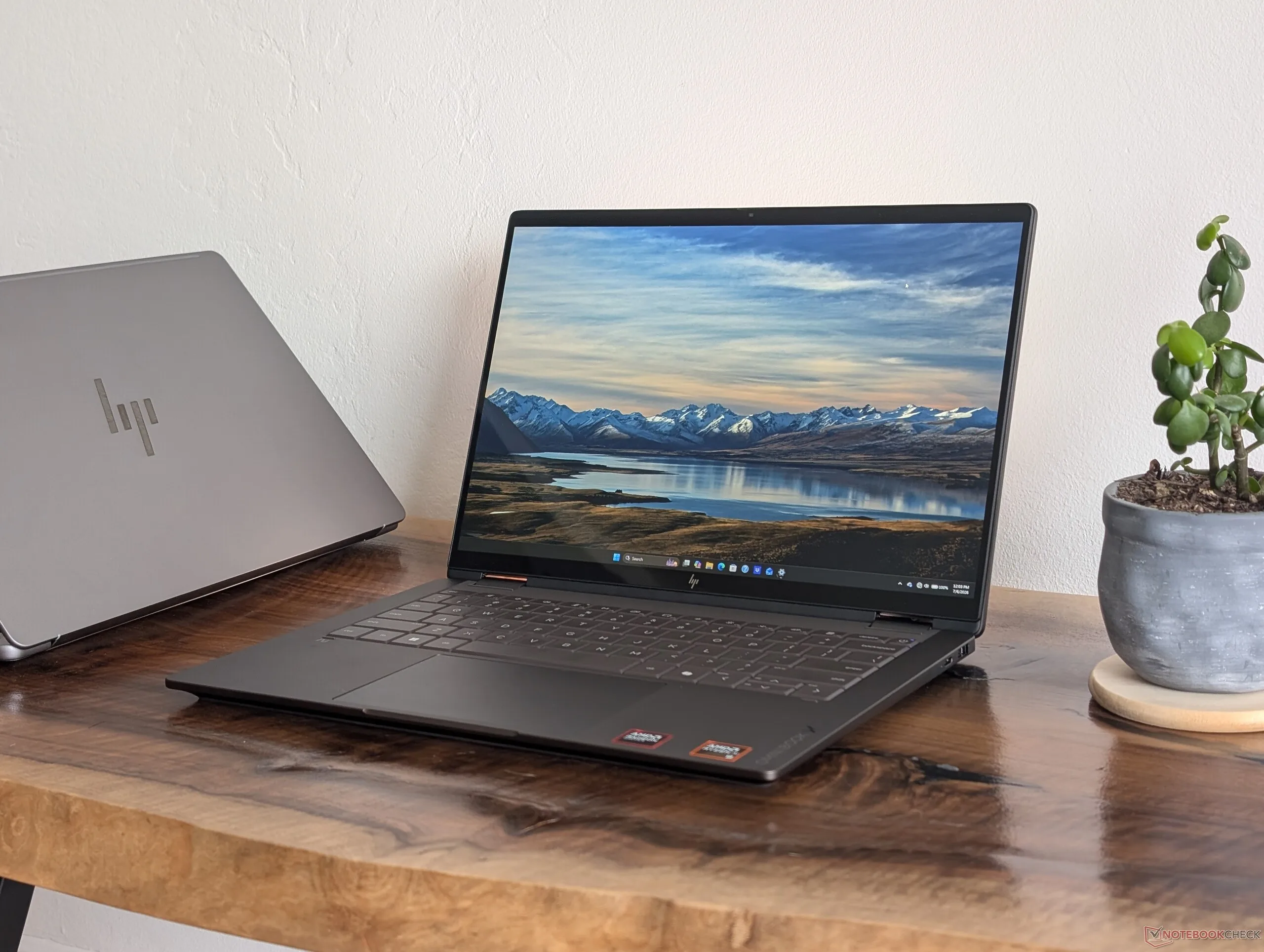
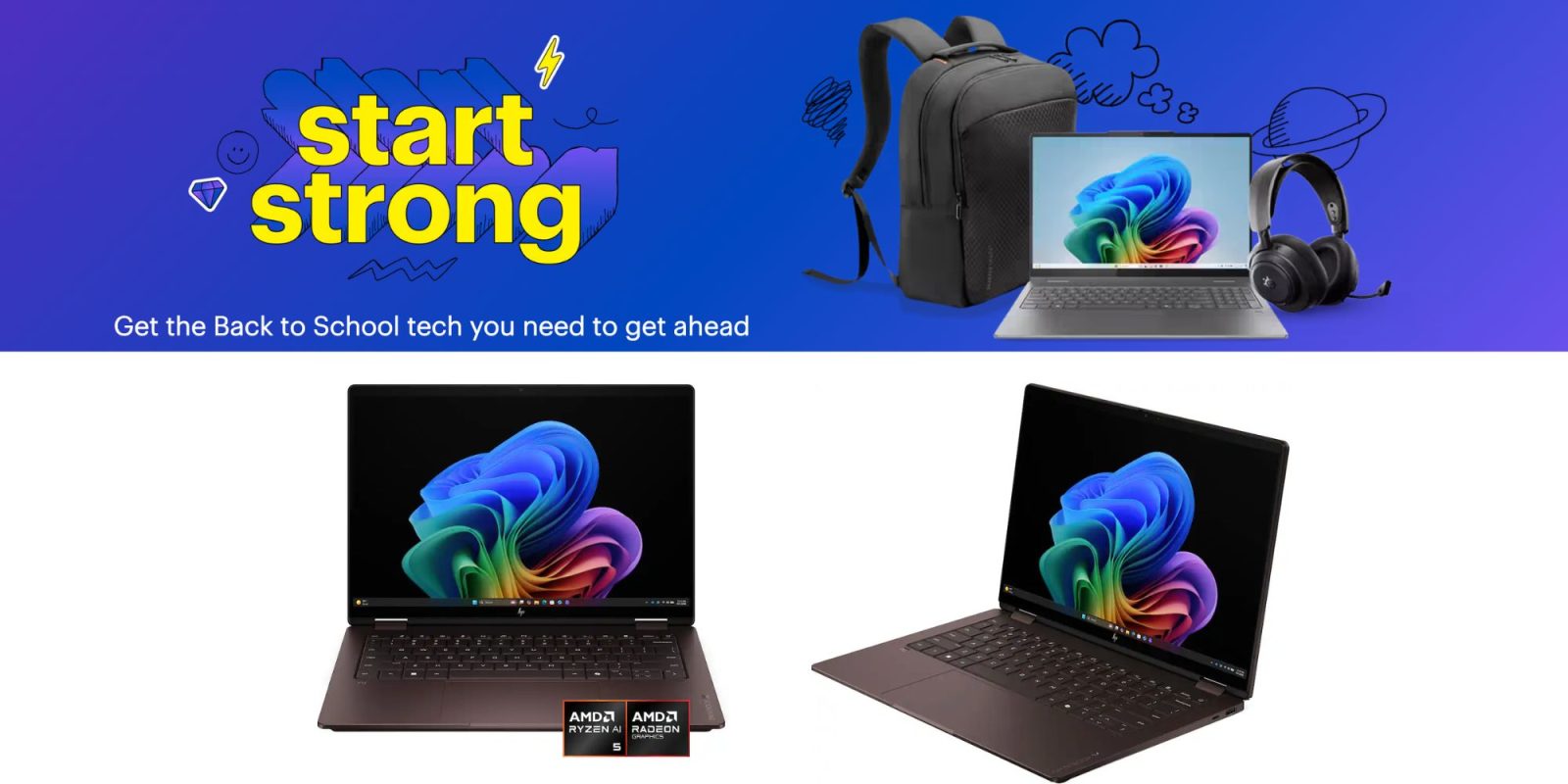
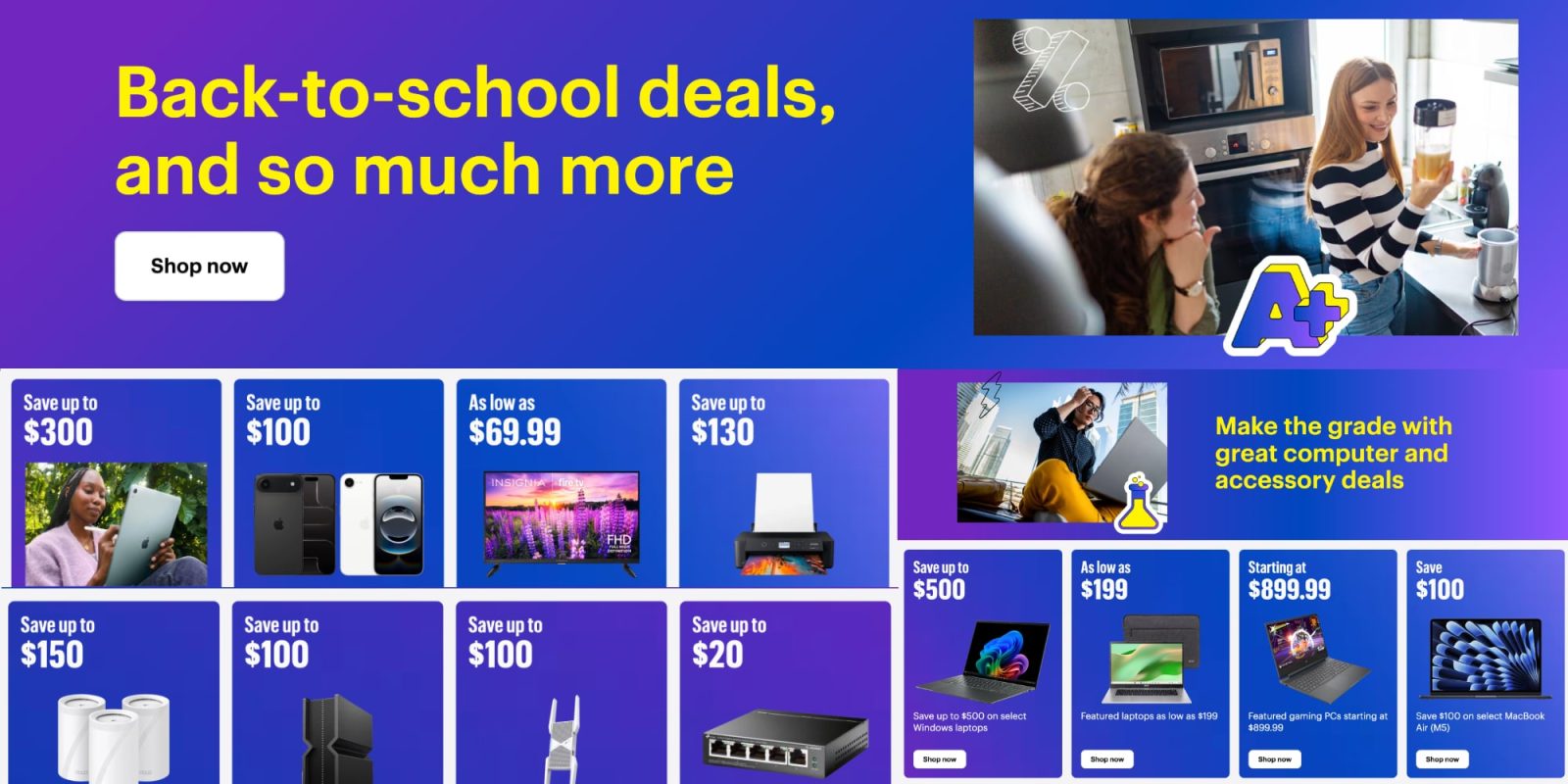
Best Buy's aggressive back-to-school promotional campaign in 2026 represents one of the strongest seasonal demand signals for electronics and home appliance sellers across all e-commerce platforms. The retailer is offering discounts up to 50% across 16+ product categories, with particular emphasis on laptops ($400-730 off flagship models), networking equipment (mesh routers at $100-200 discounts), and dorm essentials (mini fridges, coffee makers, noise-canceling headphones). This coordinated price reduction signals that major retailers are competing intensely for the estimated $2B+ back-to-school electronics market, which typically peaks from July through mid-August and extends through September for college move-ins.
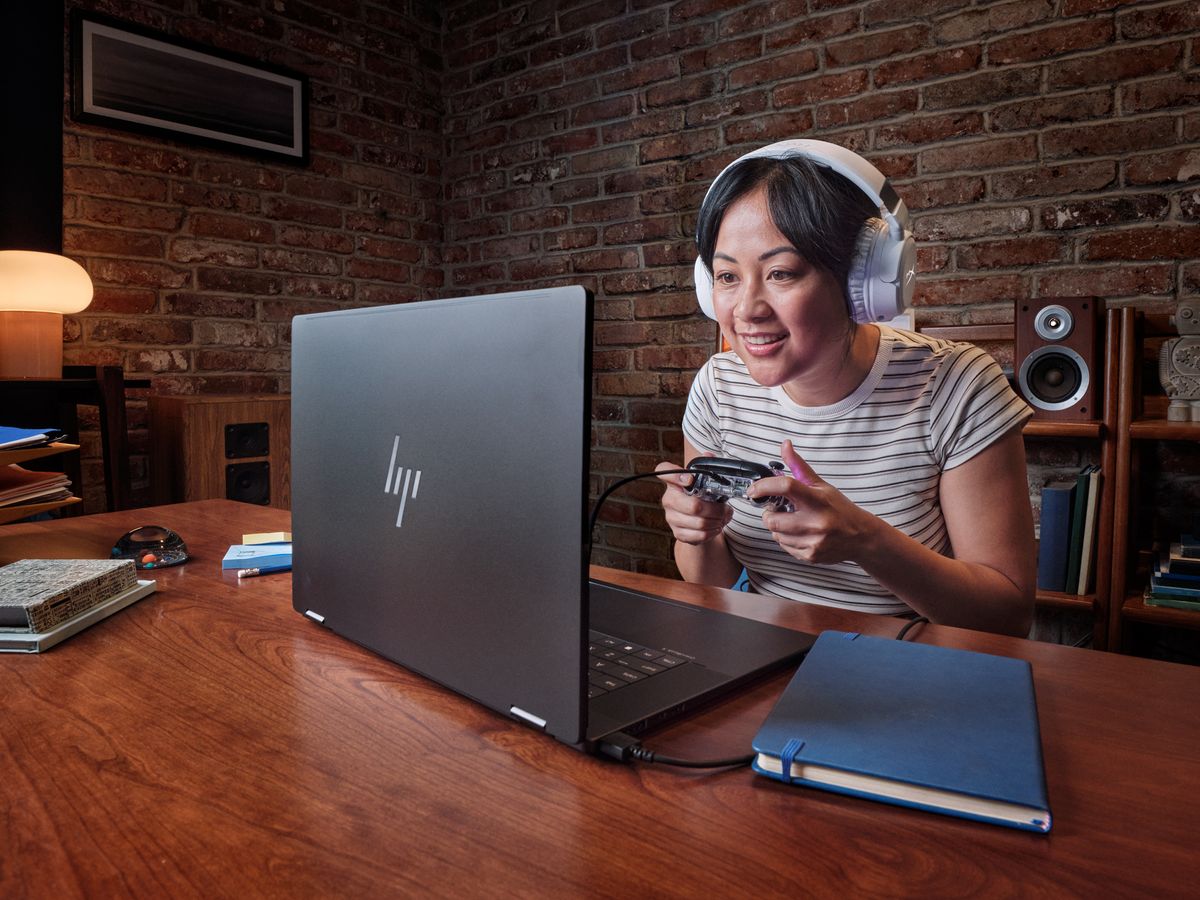
For third-party sellers on Amazon, eBay, Walmart Marketplace, and Shopify, this news indicates three critical opportunities: First, demand surge for mid-range laptops ($400-1,200 price point) is accelerating, with Best Buy emphasizing "strong performance-to-price ratios for students and budget-conscious consumers." Sellers offering Lenovo, HP, Dell, and ASUS models in this range should expect 40-60% traffic increases and 25-35% conversion rate improvements during peak weeks. Second, complementary dorm products (routers, printers, peripherals, appliances) are experiencing coordinated promotional pressure, meaning sellers must compete on price while maintaining margins through volume. The TP-Link Deco 7 Pro mesh router discount from $599.99 to $399.99 (33% off) and HP printer reduction to $169.89 (35% off) establish aggressive pricing benchmarks that third-party sellers must match or undercut. Third, the 8-week promotional window (late July through August) concentrates buyer attention, creating a high-velocity, time-sensitive market where PPC costs will spike 20-40% and organic search visibility becomes harder to maintain.
Seller segments most affected: Electronics retailers with inventory in laptops, networking, and peripherals face immediate margin compression (8-15% price reductions required to maintain Buy Box eligibility on Amazon). Small sellers ($100K-500K annual revenue) with limited inventory flexibility will struggle to compete with Best Buy's scale; mid-market sellers ($500K-5M) can leverage category specialization and faster shipping to capture price-sensitive segments. Budget-conscious student demographics (ages 18-25, household income $40K-80K) are highly price-sensitive and will comparison-shop aggressively, making keyword bidding costs on Google Shopping and Amazon Sponsored Products increase 25-35% during peak weeks. The promotional emphasis on "products built to last through multiple years of school" suggests sellers should highlight durability, warranty coverage, and student-specific financing options (Affirm, Klarna) to differentiate from pure price competition.
Platform-specific implications: On Amazon, expect increased competition for BSR rankings in Electronics > Computers > Laptops and Electronics > Networking categories; sellers should prepare for 15-25% higher PPC costs and lower organic visibility. On Walmart Marketplace, Best Buy's parent company Walmart will prioritize its own inventory, potentially reducing third-party seller visibility in featured placements. On eBay, auction-format listings for refurbished/open-box electronics will see higher bid volumes. Shopify sellers targeting students directly can capitalize on lower traffic costs on TikTok Shop and Pinterest (where student demographics concentrate) compared to Amazon's saturated auction environment.
Questions 8
What compliance and policy considerations should sellers monitor during back-to-school promotions?
**Amazon**: Monitor pricing compliance—if offering discounts, ensure they're reflected in 'List Price' field to avoid suppression. Avoid MAP (Minimum Advertised Price) violations if selling brand-name products; Best Buy's aggressive pricing may trigger brand complaints. Ensure inventory is FBA-eligible by June 15 to avoid peak-season storage fee increases (50% higher July-September). **Walmart Marketplace**: Verify that pricing matches Walmart.com within 5% to maintain featured placement eligibility. **eBay**: Ensure product condition descriptions are accurate; student buyers file more returns (15-20% higher than average). **All platforms**: Verify warranty claims are accurate; extended warranty offerings must comply with FTC regulations. For international sellers, confirm tariff classifications for imported electronics (laptops: HS 8471.30, routers: HS 8517.62) to avoid customs delays. Monitor state sales tax obligations if nexus exists. Avoid false advertising claims like 'Best Price Guaranteed' unless verified daily. Implement clear return policies (30-day minimum) to reduce chargeback rates, which spike 20-30% during back-to-school season due to higher volume and student buyer demographics.
Which advertising platforms offer the best ROI for back-to-school electronics during peak season?
**Amazon Sponsored Products**: Highest intent, but CPCs increase 30-50% during peak weeks. Best for sellers with strong Buy Box eligibility and reviews (4.5+ stars). Expected ROAS: 2.5-3.5x. **Google Shopping**: Moderate CPC increase (20-30%), captures comparison shoppers. Expected ROAS: 2.0-3.0x. **TikTok Shop**: Lowest CPCs (30-40% below Amazon), strong student audience targeting, but lower conversion rates. Expected ROAS: 1.5-2.5x; ideal for volume plays. **Pinterest**: Underutilized for electronics; CPCs 40-50% lower than Amazon, strong female student demographic (60% of users). Expected ROAS: 1.8-2.8x. **Facebook/Instagram**: Broad targeting, moderate CPCs, lower intent. Expected ROAS: 1.2-2.0x; use for brand awareness. **eBay**: Lower CPCs than Amazon, auction format drives volume. Expected ROAS: 2.0-3.0x for refurbished/open-box items. Recommendation: Allocate 40% budget to Amazon (high intent), 25% to Google Shopping, 20% to TikTok Shop (volume), 15% to Pinterest/niche platforms. Shift allocation toward TikTok/Pinterest in weeks 5-8 as Amazon CPCs peak.