


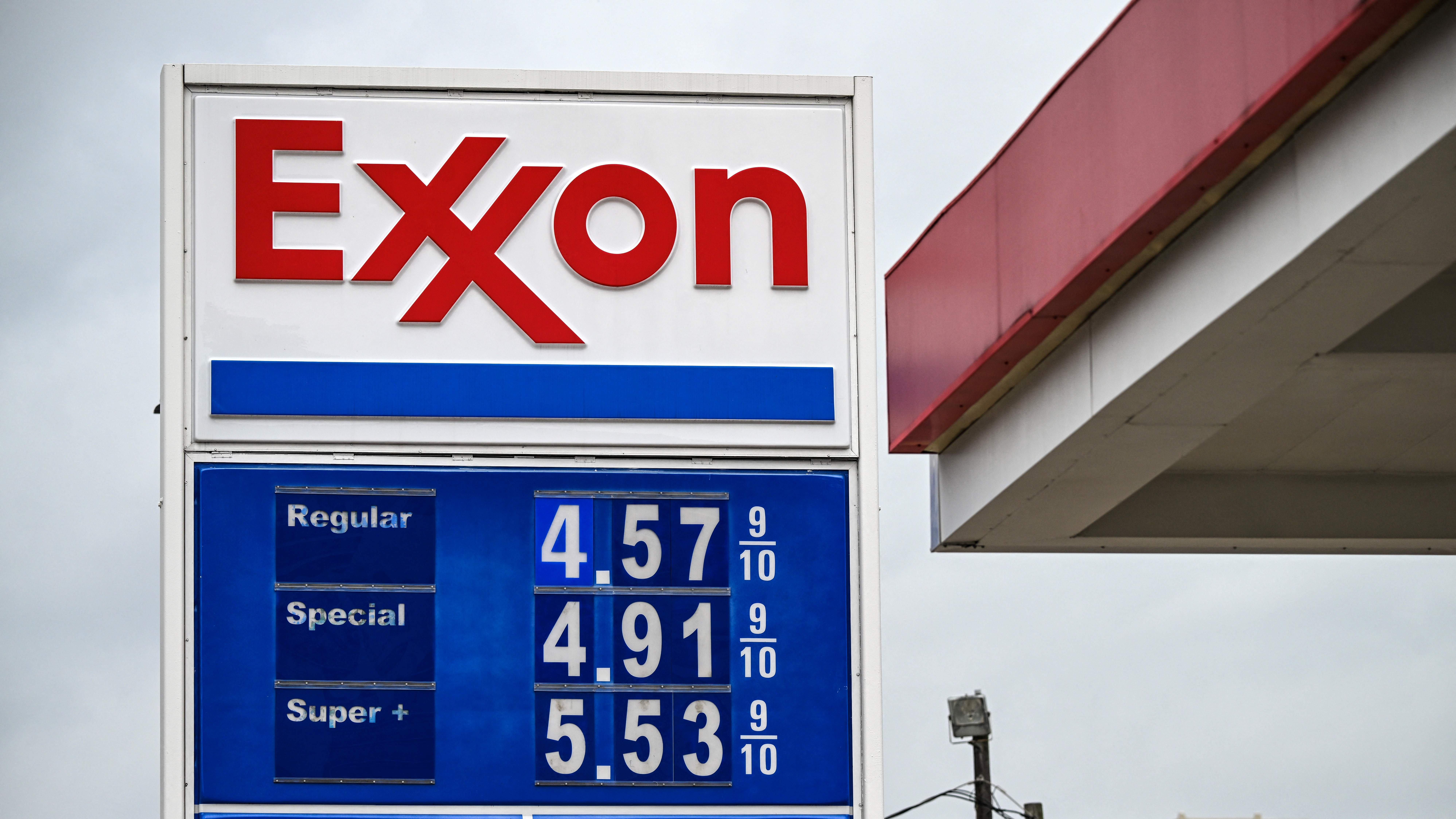


Middle East Conflict Drives Energy Cost Volatility | Shipping & Logistics Impact for Cross-Border Sellers
- Geopolitical tensions trigger refining capacity reassessment affecting fuel surcharges and logistics costs for e-commerce sellers globally; immediate impact on shipping rates and supply chain expenses


Overview
Middle East geopolitical tensions are prompting global energy companies to reassess refining infrastructure and investment strategies, creating significant indirect impacts on cross-border e-commerce operations. While the news article focuses on macro-level energy industry trends, the underlying dynamics directly affect seller operational costs through fuel surcharges, shipping rate volatility, and supply chain expenses. Energy prices influence fulfillment costs across all e-commerce segments—from Amazon FBA sellers managing storage and shipping fees to Shopify merchants optimizing 3PL logistics networks.
Shipping Cost Implications: Fuel surcharges typically represent 5-15% of total shipping costs for cross-border logistics. Refining capacity constraints and geopolitical uncertainty create upward pressure on petroleum prices, which translates to higher fuel surcharges on international shipping routes. Sellers shipping from Asia to North America or Europe face the most acute cost pressures, as these routes depend heavily on Middle East oil supply stability. FBA sellers with high-volume shipments (1,000+ units monthly) can see monthly logistics cost increases of $200-500 per shipment lane, directly compressing profit margins by 3-8% depending on product category and pricing power.
Supply Chain Resilience Considerations: Energy cost volatility incentivizes sellers to evaluate alternative sourcing strategies and logistics providers. Companies reassessing refining infrastructure may shift investment toward regions with more stable energy supplies (Southeast Asia, India, Mexico), potentially creating sourcing cost advantages for sellers who proactively shift supplier relationships. The uncertainty also accelerates adoption of nearshoring strategies—US sellers increasingly source from Mexico and Central America to reduce shipping distances and fuel exposure, while EU sellers explore North African and Eastern European suppliers. This represents a 6-18 month window for sellers to renegotiate supplier contracts and lock in pricing before broader market shifts occur.
Category-Specific Impacts: Heavy, low-margin categories (home goods, furniture, industrial supplies) face the greatest margin compression from fuel surcharge increases. Electronics and apparel sellers with higher unit values maintain better margin resilience. Sellers in time-sensitive categories (perishables, seasonal goods) face additional pressure as fuel costs directly impact cold-chain logistics expenses. The refining boom mentioned in the news suggests medium-term (12-24 month) capacity additions that could stabilize prices, but near-term volatility (3-6 months) remains elevated.
Questions 8
Which product categories face the greatest shipping cost pressure from fuel volatility?
Heavy, low-margin categories face the most acute pressure: furniture (margin compression 8-15%), home goods (5-12%), industrial supplies (6-10%), and large appliances (7-13%). These categories have high weight-to-value ratios, making fuel surcharges a significant percentage of total product cost. Electronics and apparel (higher unit values) maintain better margin resilience with 2-4% compression. Perishables and cold-chain products face additional pressure from specialized logistics costs. Sellers in heavy categories should prioritize: (1) nearshoring to reduce shipping distances, (2) consolidating shipments to improve per-unit economics, (3) raising prices 3-5% to offset surcharges, or (4) shifting to lighter product variants. Monitor category-specific shipping cost trends on Freightos Index weekly.
What logistics provider changes should I consider given energy cost volatility?
Evaluate diversifying across multiple 3PL providers and shipping carriers to reduce exposure to single-provider fuel surcharge strategies. Carriers with integrated refining operations (Shell, BP-backed logistics) may have more stable pricing than pure logistics providers. Request fixed fuel surcharge rates (rather than variable) in new contracts—expect to pay 2-4% premium for price certainty. For Shopify merchants, the Shopify Fulfillment Network offers regional distribution that reduces average shipping distances by 30-40%, lowering fuel exposure. Amazon sellers should analyze whether FBA regional warehousing (FBA in EU, FBA in US) versus consolidated shipments better optimize for current fuel costs. Negotiate 90-180 day rate locks with carriers before anticipated price increases.