

Trademark Enforcement Escalation | Multi-State Sellers Face IP Litigation Risk
- Buc-ee's aggressive brand protection strategy signals stricter IP enforcement across retail; family-owned businesses operating since 2017 now face legal challenges despite pre-existing operations



Overview
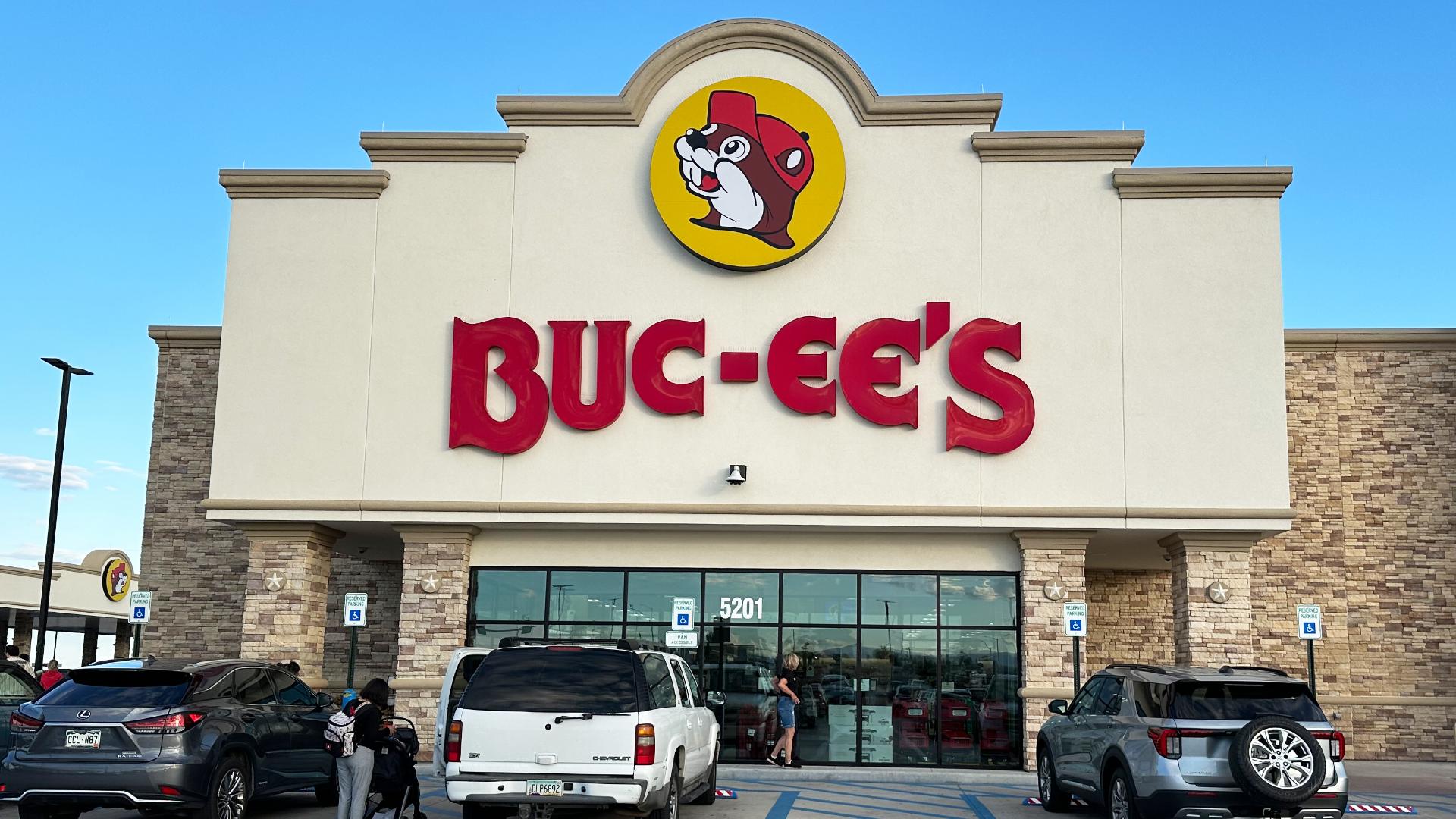
The Buc-ee's trademark lawsuit against Beavers Mini Mart in Ohio (filed August 5, 2026) represents a critical inflection point in IP enforcement strategy for multi-channel retailers. The Texas convenience chain is aggressively pursuing trademark claims against a family-owned business that has operated independently since 2017—predating Buc-ee's Ohio market entry by 9 years. This case demonstrates how established brands increasingly weaponize trademark law to eliminate regional competitors, even when prior-use defenses exist. The lawsuit seeks injunctions, damages, attorney fees, and profit surrender, with Buc-ee's requesting jury trial—signaling confidence in aggressive enforcement.
For cross-border and multi-channel sellers, this case creates three critical compliance barriers. First, trademark clearance has become mandatory before market expansion, not optional. Sellers operating across state lines or multiple platforms without federal trademark registration now face litigation risk from larger competitors claiming brand confusion. The Buc-ee's pattern of "multiple lawsuits against various businesses" using similar beaver imagery indicates systematic enforcement—not isolated disputes. Second, geographic expansion triggers IP audits: when Buc-ee's entered Ohio in 2026, it immediately identified and sued the 9-year-old Beavers Mini Mart, suggesting corporate legal teams now conduct pre-entry trademark sweeps. Third, settlement outcomes typically require rebranding or operational changes, creating forced costs for smaller entities. Industry observers note these disputes "often result in settlement agreements requiring rebranding"—meaning even defending successfully costs $50K-$200K+ in legal fees.
The compliance moat is widening for trademark-protected sellers. Buc-ee's federal registration of its beaver mascot, cartoon styling, and red coloring creates defensible IP that smaller competitors cannot legally replicate. This eliminates an entire category of "beaver-themed convenience store" competitors from the market. For sellers in convenience retail, food/beverage, or merchandise categories using animal mascots or regional branding, the risk is acute: prior operation dates no longer guarantee protection if a larger competitor with federal trademark registration enters your market. The community backlash against Buc-ee's (cash mobs supporting Beavers Mini Mart) indicates reputational costs exist, but legal costs for defendants remain substantial regardless of public sentiment.
Questions 8
What are the fastest compliance steps for sellers launching new brands?
Immediate actions (0-30 days): Conduct free trademark searches via USPTO.gov and Google Images to identify conflicts. File a trademark application ($250-$350) for core brand elements (logo, name, color scheme) in your primary product category. This establishes priority date and federal protection. Within 1-3 months: Secure trademark registration (typical timeline 4-6 months). For sellers expanding geographically, conduct state-level trademark searches in target markets before entry. The Buc-ee's case shows that even 9-year-old regional operations face litigation when larger competitors enter—federal registration is now mandatory, not optional, for multi-state sellers.
How does federal trademark registration protect sellers from litigation?
Federal trademark registration creates a legal presumption of ownership and exclusive use rights nationwide, which Buc-ee's leveraged in its lawsuit. The registration covers Buc-ee's beaver mascot, cartoon styling, and red coloring—elements the company claims Beavers Mini Mart copied. Without federal registration, sellers cannot sue for infringement in federal court or claim nationwide rights. Sellers should file trademark applications through the USPTO ($250-$350 per class) before launching brands or expanding into new markets. Registration typically takes 4-6 months and provides 10-year renewable protection, creating a compliance moat that deters competitors from using similar branding.