



BIPA Biometric Privacy Lawsuit | $32.5B Apple Case Sets E-Commerce Compliance Precedent
- Federal judge approves class action affecting 6.5M+ users; establishes strict consent requirements for facial recognition data collection across platforms and seller operations





Overview
A federal judge has approved a $32.5 billion class action lawsuit against Apple under Illinois's Biometric Information Privacy Act (BIPA), alleging the company collected facial recognition data from approximately 6.5 million Illinois residents without explicit written consent. The lawsuit, filed in March 2020 and greenlit for class certification in 2024, represents a watershed moment for biometric privacy regulation that extends far beyond Apple to impact e-commerce sellers, marketplace platforms, and any business collecting facial or biometric data. The case parallels Meta's 2021 BIPA settlement ($650 million to 6.9 million users), but with substantially higher per-user damages ($5,000 vs. $345 average), signaling courts' escalating enforcement intensity around biometric data handling.
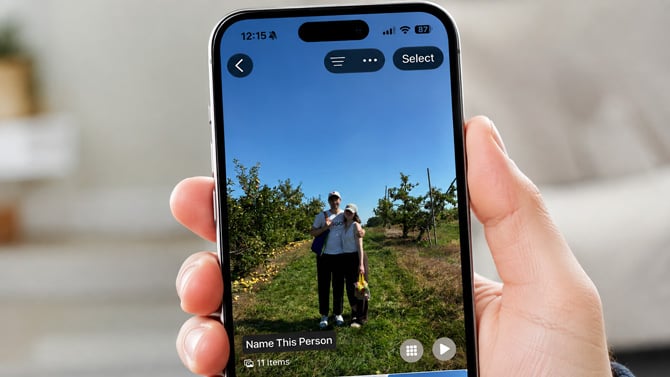
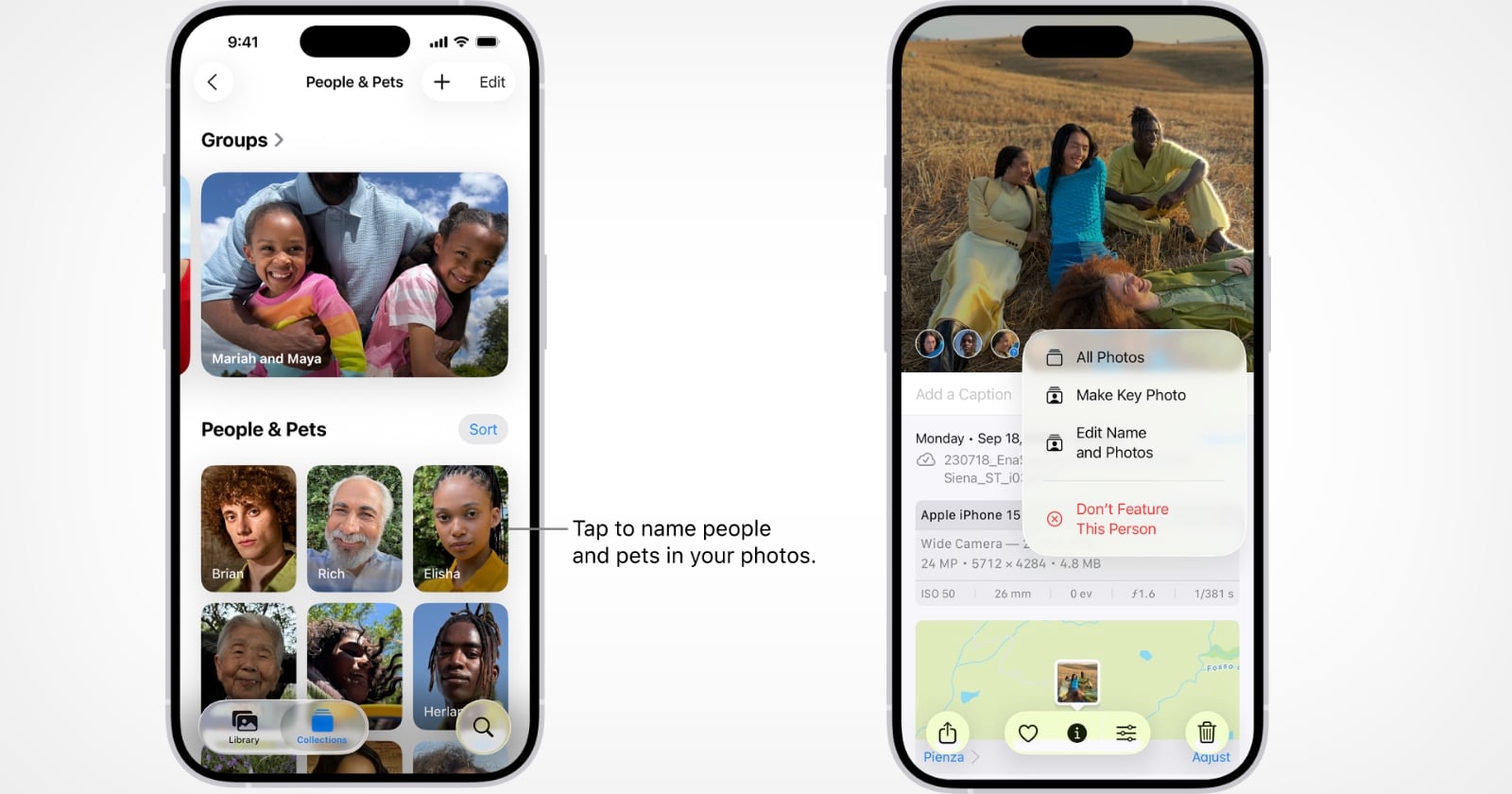
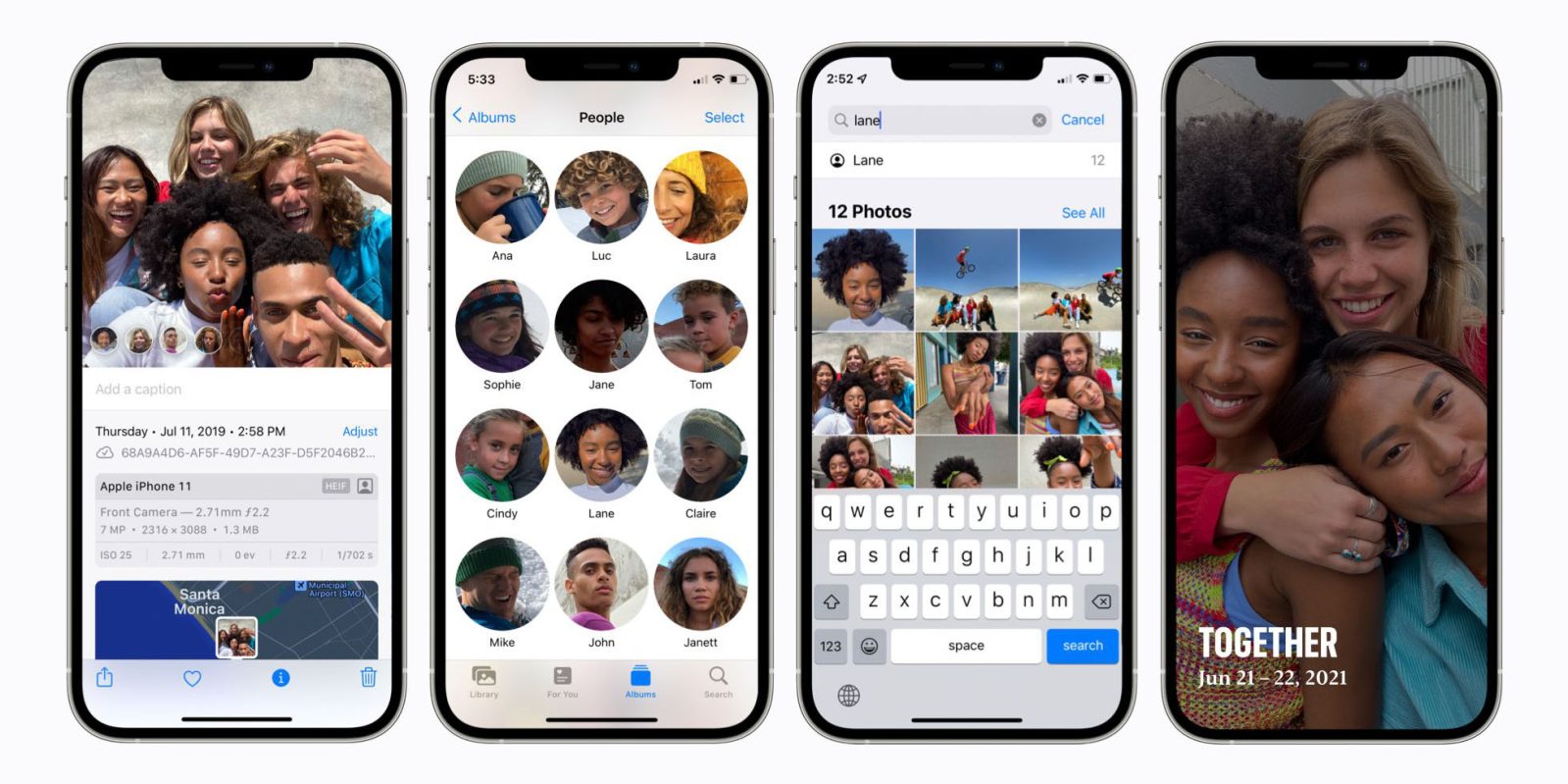
Critical Compliance Distinction: News reports emphasize that Apple's on-device facial recognition (which only identifies photo groupings, not identities) differs fundamentally from Meta's server-side processing. However, courts have ruled this technical distinction insufficient—the lawsuit advances on the basis that Apple failed to obtain explicit written consent before collecting biometric "faceprints," regardless of processing location. This establishes a consent-first compliance framework that will reshape how e-commerce platforms, seller tools, and customer data systems operate.
For E-Commerce Sellers: This precedent creates immediate compliance obligations for any seller using customer data for personalization, recommendation engines, identity verification, or product photography involving faces. The lawsuit demonstrates that Illinois BIPA's 2008 consent requirement is being aggressively enforced, and similar state-level biometric privacy laws (Texas, Washington, California) are likely to follow. Sellers operating in these jurisdictions or collecting data from residents must now implement explicit opt-in consent mechanisms before deploying facial recognition, AI-powered customer matching, or biometric authentication. The $32.5 billion damages exposure signals that non-compliance carries existential financial risk—even for companies with privacy-protective technical implementations.
Regulatory Escalation Pattern: The case reflects broader judicial skepticism toward tech companies' self-assessed privacy practices. Courts are no longer accepting technical arguments about on-device processing or data anonymization as sufficient compliance shields. This aligns with the EU's AI Act (which classifies facial recognition as high-risk) and emerging state regulations that mandate explicit consent, audit trails, and transparency disclosures. E-commerce sellers using cloud-based customer data platforms, AI recommendation systems, or identity verification tools face similar scrutiny. The precedent suggests courts will require documented consent mechanisms, not just privacy policy disclosures.
Market Impact: The lawsuit's approval signals that biometric privacy compliance is now a competitive moat—sellers and platforms with documented consent frameworks and transparent data practices will gain legal defensibility, while non-compliant competitors face class action exposure. This creates opportunities for compliance service providers (consent management platforms, biometric audit tools, privacy-by-design consulting) and disadvantages sellers relying on implicit consent or legacy data collection practices.
Questions 8
How does the Apple lawsuit differ from Meta's BIPA settlement, and what does this mean for seller liability?
Meta settled its 2021 BIPA case for $650 million after collecting facial recognition data on company servers to suggest friend tags. Apple's case involves on-device processing that doesn't identify individuals—yet courts approved the lawsuit anyway, focusing on the lack of explicit consent rather than the technical implementation. This is critical for sellers: the precedent establishes that **consent is the primary compliance requirement**, not the technical safeguards around data processing. Sellers cannot rely on privacy policies or technical arguments about data anonymization to satisfy BIPA. The Apple case shows damages can reach $5,000 per user (vs. Meta's $345 average), suggesting courts view facial recognition consent violations as increasingly serious. Sellers using customer data for AI-powered recommendations, identity verification, or personalization must implement documented consent mechanisms immediately.
What is BIPA and how does it affect e-commerce sellers collecting customer data?
The **Biometric Information Privacy Act (BIPA)**, enacted in Illinois in 2008, requires explicit written consent before collecting, storing, or using biometric data (facial recognition, fingerprints, iris scans). The Apple lawsuit demonstrates courts are enforcing this strictly—the $32.5 billion case alleges Apple violated BIPA by collecting facial recognition data without documented consent, even though Apple's technology processes data on-device. For e-commerce sellers, this means any use of facial recognition for customer matching, identity verification, or personalization requires explicit opt-in consent mechanisms documented in writing. Sellers operating in Illinois or collecting data from Illinois residents must implement consent forms before deploying facial recognition features. Similar laws now exist in Texas, Washington, and California, expanding compliance obligations nationwide.