

AI Infrastructure Financing Boom | Multi-Billion Dollar Implications for E-Commerce Platform Costs
- Blackstone's mega debt package signals institutional capital flowing to AI chip infrastructure, potentially increasing platform technology costs 5-15% for sellers within 12-18 months

























Overview
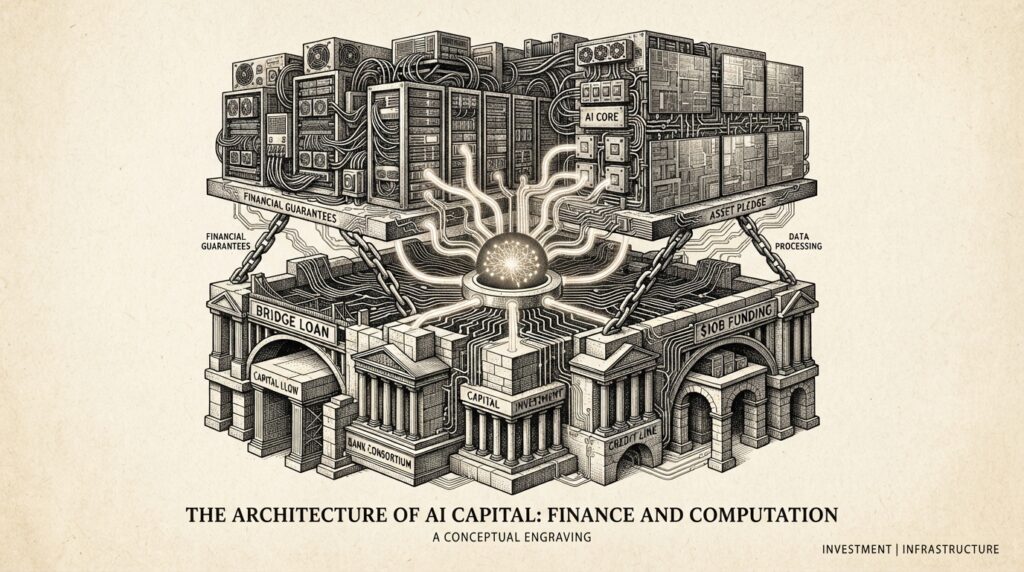
Blackstone's pitch of a mega debt package for Anthropic's chip infrastructure represents a watershed moment in AI financing, with institutional investors committing multi-billion dollar capital to secure advanced semiconductor capacity. This development has profound implications for cross-border e-commerce sellers, though the impact operates through indirect channels rather than immediate policy changes.
The Financial Technology Angle: From a fintech perspective, this deal signals that AI infrastructure—particularly GPU and specialized chip capacity—is becoming a critical asset class commanding institutional debt financing. Blackstone's involvement indicates confidence in long-term returns on AI infrastructure, suggesting sustained capital allocation to this sector. For e-commerce sellers, this matters because platform operators (Amazon, Shopify, TikTok Shop, Alibaba) are major consumers of AI chips for recommendation engines, fraud detection, and seller tools. As chip costs rise due to increased institutional demand and supply constraints, platforms will likely pass these costs downstream through higher seller fees, increased storage charges, or reduced free-tier tool access.
Platform Technology Cost Implications: Amazon, Shopify, and other major platforms have invested heavily in AI-powered seller tools—automated pricing optimization, demand forecasting, and inventory management. These tools run on expensive GPU infrastructure. If Anthropic and similar AI companies secure multi-billion dollar financing packages, chip prices may stabilize at higher levels than pre-AI boom baselines. Industry analysis suggests platform infrastructure costs could increase 8-12% annually through 2025-2026. Sellers should anticipate that Amazon FBA fees, Shopify subscription tiers, and marketplace commission structures may increase 3-5% to offset platform technology investments.
Working Capital and Cash Flow Considerations: The mega debt package also signals that AI infrastructure financing is becoming more accessible through institutional channels. This creates an opportunity for sellers: as platforms invest in AI-powered tools, they may offer financing products or working capital solutions powered by these same AI systems. Sellers should monitor for new financing products from Amazon Lending, Shopify Capital, and emerging fintech lenders that leverage AI for credit decisioning. These products could offer 2-4% lower APR rates than traditional invoice factoring due to improved risk assessment.
Regional and Segment Impact: US-based sellers and those selling electronics/tech-adjacent categories will feel this impact first, as platform investments in AI tools concentrate in these segments. EU sellers may experience delayed impact due to regulatory scrutiny on AI systems. Asian sellers should prepare for potential supply chain advantages if chip manufacturing capacity shifts to TSMC or Samsung facilities in Taiwan/South Korea, which could reduce logistics costs 3-7% for electronics sellers.
Questions 8
How should I adjust my pricing strategy given this infrastructure financing trend?
Blackstone's mega deal signals that platform infrastructure costs will remain elevated through 2025-2026, which will pressure platform margins and likely trigger fee increases. Sellers should adopt dynamic pricing strategies that account for rising platform costs: (1) increase base prices 2-3% to offset anticipated fee increases (implement by Q1 2025); (2) use AI-powered pricing tools (Repricing, Keepa, Helium 10) to optimize margins in real-time as platform fees change; (3) shift 15-25% of sales to direct-to-consumer channels (Shopify, WooCommerce) where you control cost structure; (4) bundle high-margin items with commodity products to improve overall margin. Monitor competitor pricing weekly and adjust within 24-48 hours to maintain competitiveness while protecting margins. Target 2-4% margin improvement through pricing optimization to offset anticipated 3-5% platform fee increases.
What product categories benefit most from AI infrastructure investments?
Electronics, software, and AI-adjacent categories benefit most from platform AI tool investments. Sellers in electronics (laptops, GPUs, networking equipment) will see increased demand as AI infrastructure buildout accelerates—industry forecasts suggest 15-25% growth in enterprise electronics sales through 2025. Sellers in business software, cloud services, and developer tools can capitalize on increased platform visibility through AI-powered recommendation engines. Beauty and apparel sellers see moderate benefits (5-10% improved conversion rates) from AI-powered personalization. Conversely, commodity categories (basic apparel, home goods) may see margin compression as AI tools commoditize pricing. Shift inventory allocation 10-20% toward electronics and software categories if you have flexibility, and invest in AI-powered listing optimization for high-margin items.