



Mexican Produce Import Ban Reshapes Fresh Food Supply Chain | Sellers Face Sourcing Shift
- Sysco halts all Mexican iceberg lettuce purchases after 11,234+ cyclosporiasis cases; creates immediate sourcing opportunities for US-grown produce suppliers and logistics providers managing supply chain diversification











Overview
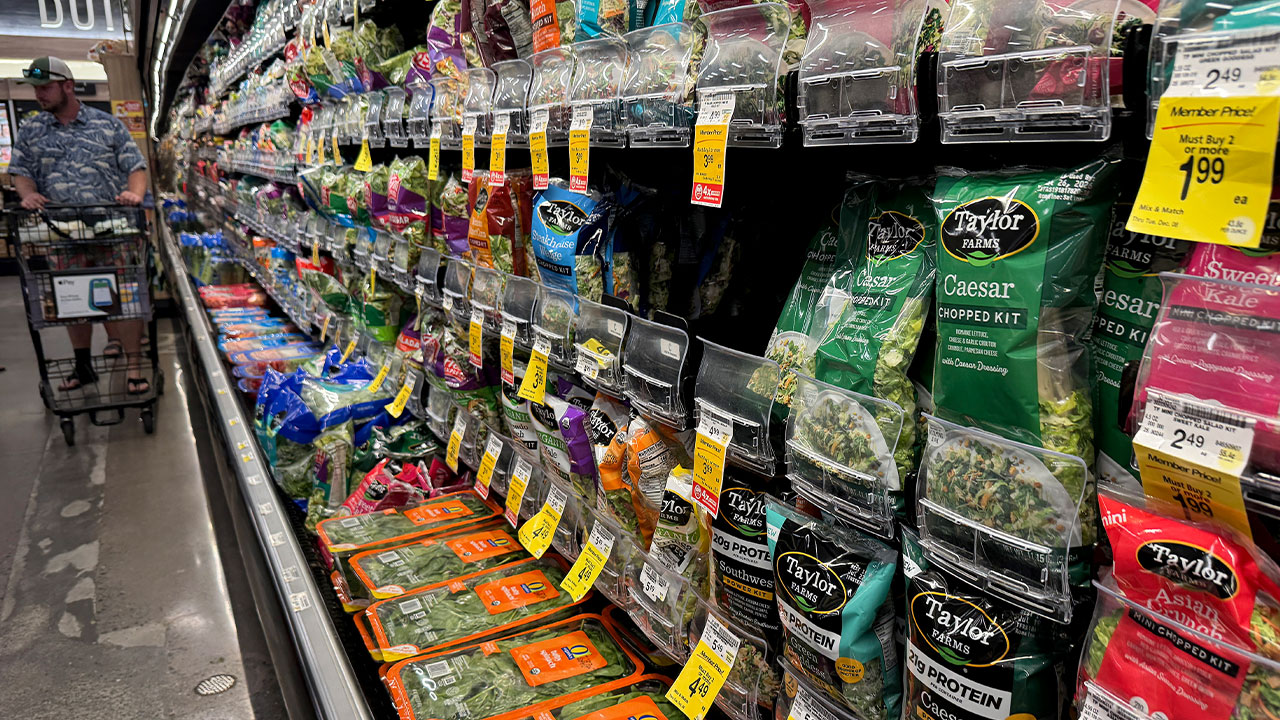
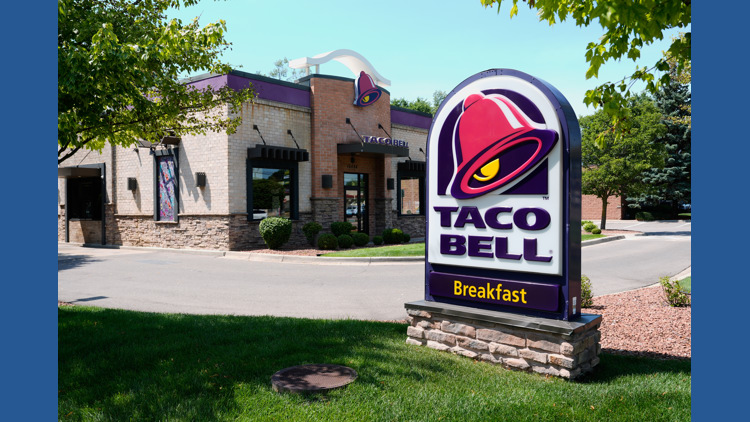
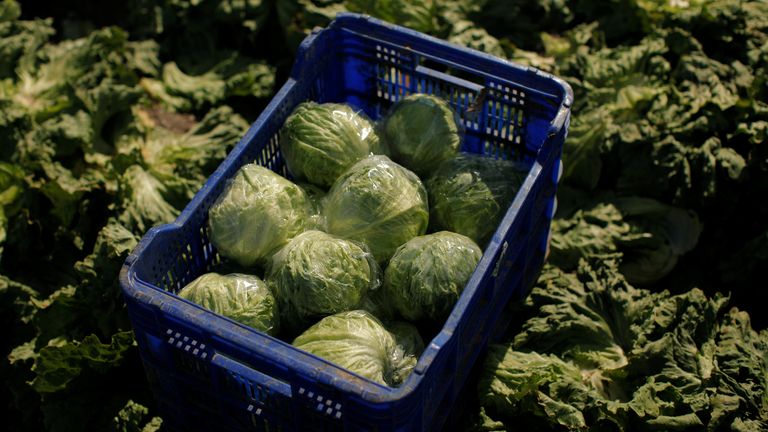
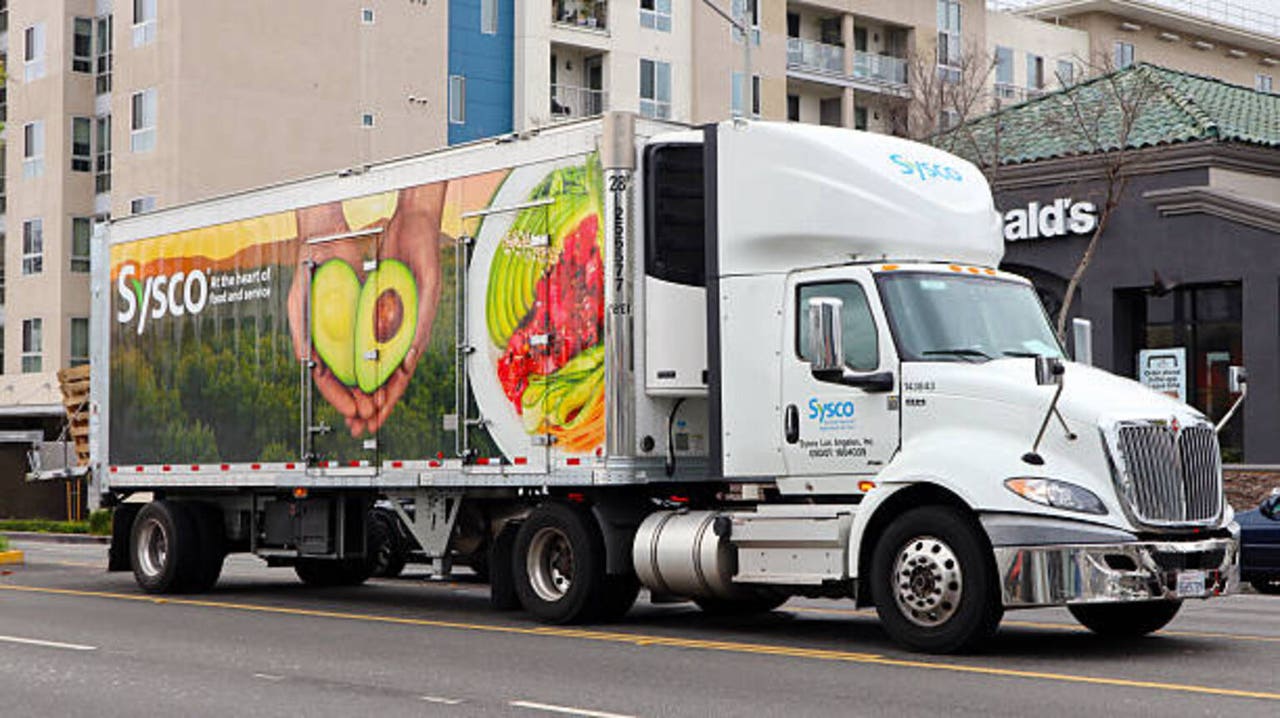
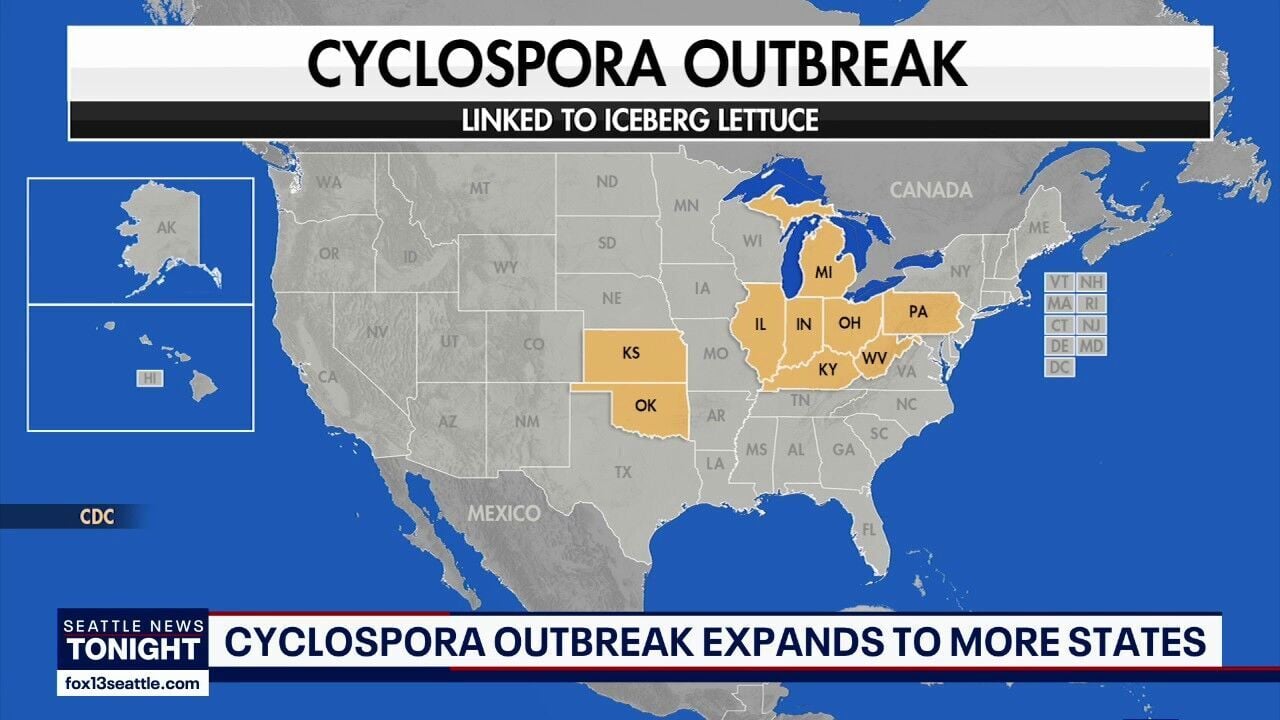
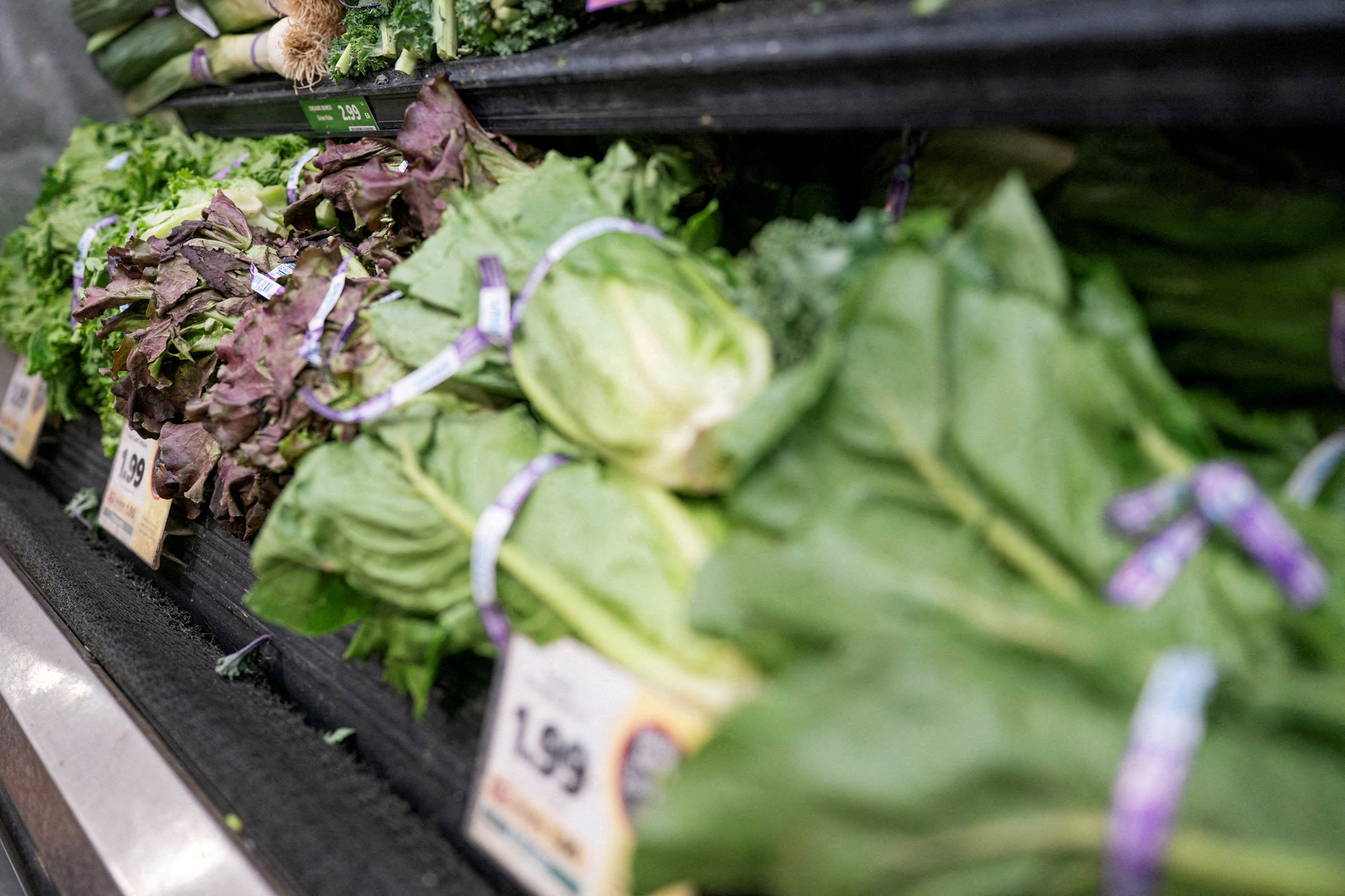
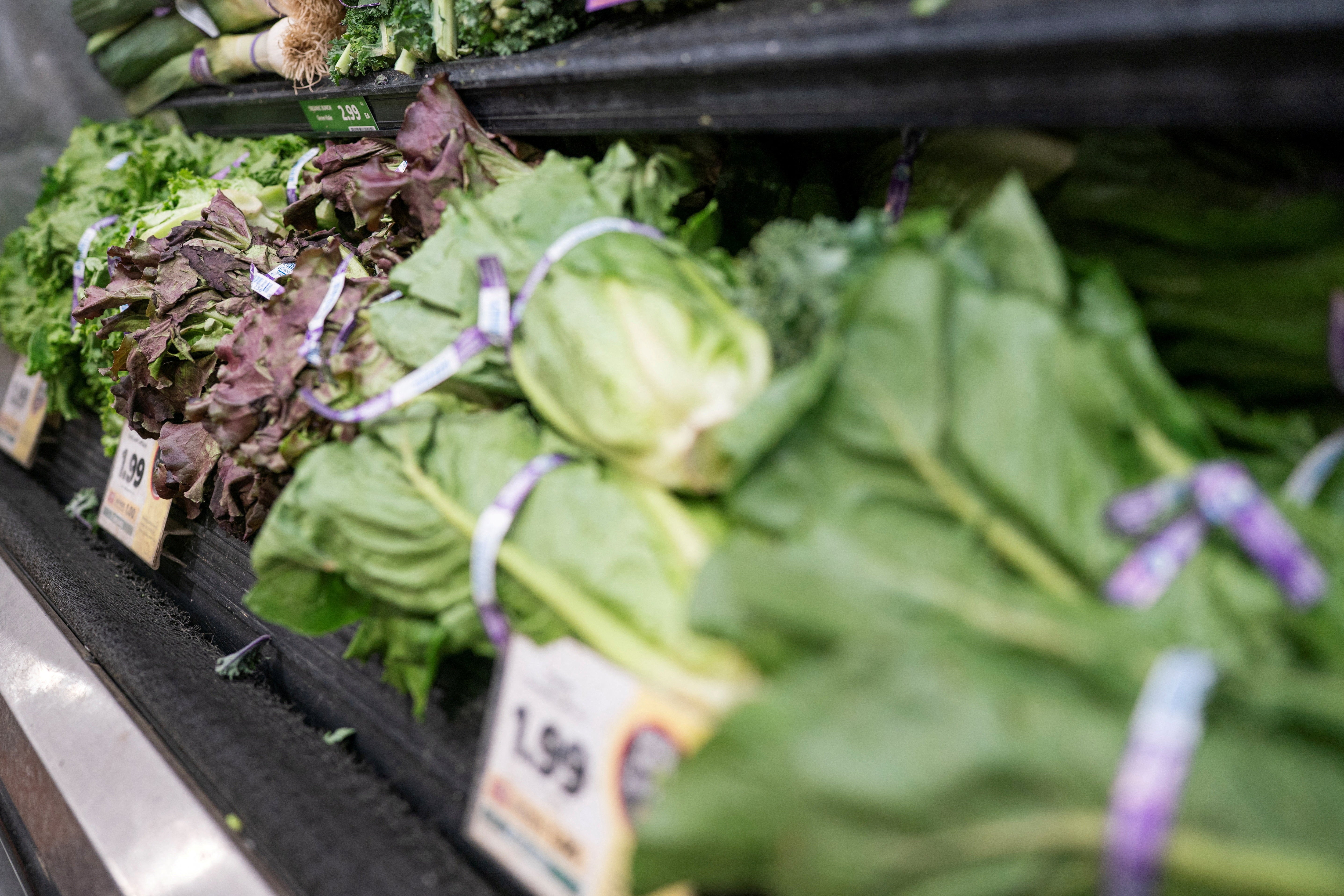
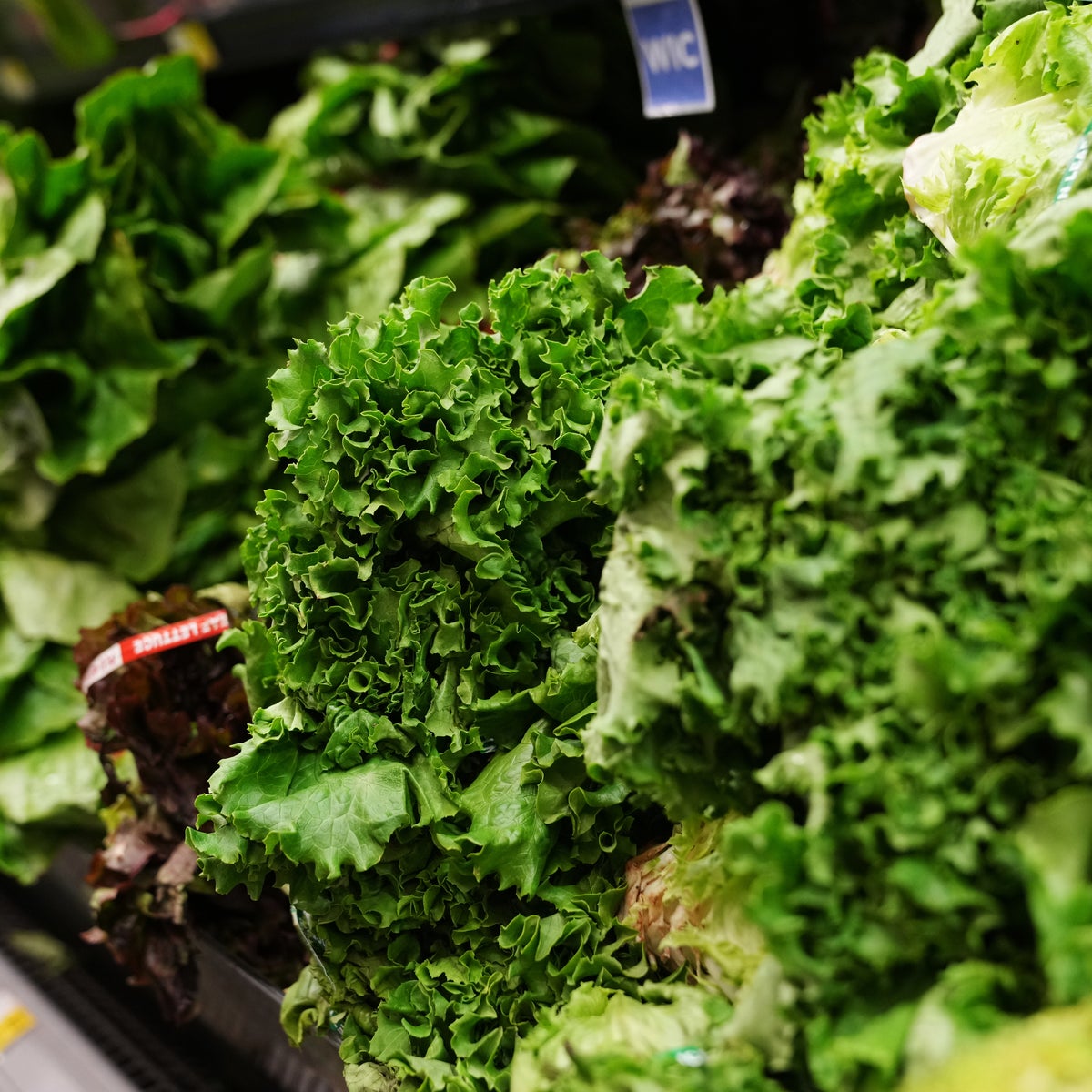
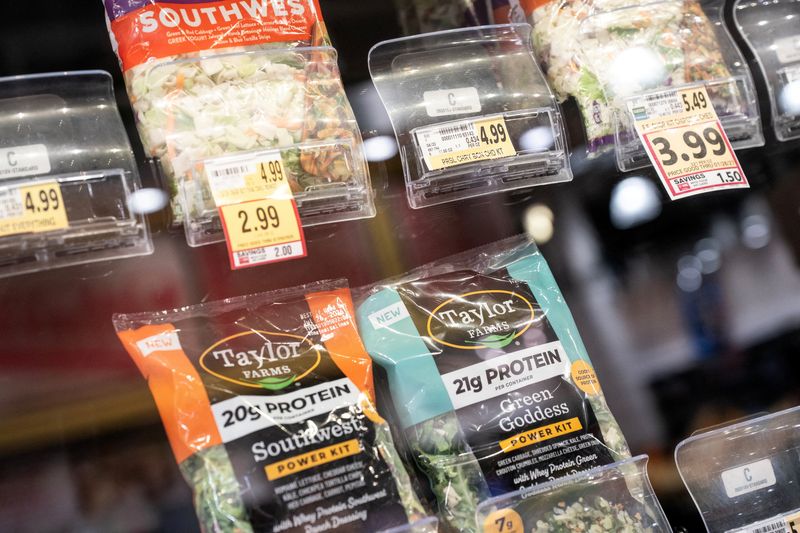
The cyclosporiasis outbreak linked to Mexican lettuce has triggered a major supply chain restructuring affecting the entire fresh produce distribution ecosystem. On August 4, 2026, Sysco—the nation's largest food distributor—announced a complete halt to iceberg lettuce purchases from Mexico, specifically from Taylor Farms de Mexico operations in central Mexico. The outbreak, caused by the parasite cyclospora cayetanensis, has sickened over 11,234 people in Michigan alone and resulted in at least two deaths, with contaminated lettuce traced to Taylor Fresh Foods and Marketside branded products served at Taco Bell restaurants. This represents a seismic shift in fresh produce logistics: Sysco has immediately pivoted to 100% U.S.-grown iceberg lettuce procurement, though CEO Kevin Hourican acknowledged that "replacing the full volume presents logistical challenges."
For cross-border e-commerce sellers and food supply chain operators, this disruption creates three critical logistics opportunities. First, U.S. domestic produce suppliers now face unprecedented demand surge—Sysco's shift away from Mexican imports creates a 15-25% capacity gap that must be filled by American growers, creating immediate opportunities for sellers sourcing from California, Arizona, and Florida lettuce producers. Second, Mexican produce suppliers face market access barriers—former FDA Commissioner Scott Gottlieb noted that "large retailers and restaurants are shunning produce from other central Mexico growers due to contamination concerns," meaning Mexican suppliers must now invest in enhanced food safety certifications (FSMA compliance, third-party audits) to regain buyer confidence. Third, logistics providers managing the sourcing transition face margin compression—the shift from long-haul Mexico-to-US routes (typically $0.08-0.12/kg via refrigerated trucking) to shorter domestic routes reduces per-unit shipping costs but increases frequency and complexity of supply chain coordination.
The broader market impact extends beyond lettuce to systemic supply chain risk management. Taylor Farms' repeated statement revisions (four revisions in sixteen days) and lack of transparency about post-2013 safety improvements have eroded buyer confidence across the entire Mexican produce sector. This creates a "guilt by geography" effect where buyers are deprioritizing all central Mexico produce sources regardless of individual supplier safety records. For sellers in the fresh produce category on Amazon Fresh, Instacart, or Walmart+ platforms, this means: (1) immediate inventory repositioning toward US-sourced salad greens and lettuce products; (2) supply chain documentation requirements increasing—buyers now demand detailed traceability, food safety certifications, and third-party audit reports; (3) pricing volatility as supply constraints drive 8-15% price increases for iceberg lettuce through Q4 2026. Sellers should expect 4-6 week lead times for new supplier onboarding as distributors implement enhanced vetting protocols.
Questions 8
How should sellers monitor and respond to future food safety outbreaks affecting their supply chains?
Implement a three-tier monitoring system: (1) Real-time alerts—subscribe to FDA/CDC outbreak notifications (FDA.gov/food/outbreaks), set Google Alerts for supplier names and product categories, monitor industry publications (Food Safety News, Marler Blog); (2) Supplier transparency requirements—mandate quarterly food safety certifications, require suppliers to disclose any regulatory actions or recalls within 24 hours, conduct annual third-party audits; (3) Inventory contingency planning—maintain 2-4 week safety stock of critical products, establish relationships with 2-3 backup suppliers per category, document alternative sourcing routes. The Taylor Farms case demonstrates that transparency failures damage credibility more than the outbreak itself—the company's four statement revisions in sixteen days eroded buyer confidence more than the contamination. Sellers should adopt a 'radical transparency' approach: proactively communicate any supply chain issues, provide detailed remediation plans, and document all corrective actions. This positions sellers as trustworthy partners versus competitors who hide problems until forced to disclose.
What is the timeline for market recovery and when should sellers expect pricing normalization?
Market recovery follows a 6-12 month timeline: (1) Immediate (0-2 months): Supply constraints drive 15-25% price premiums for US lettuce; buyer skepticism toward all Mexican produce persists; (2) Short-term (2-4 months): US suppliers ramp production to fill Sysco's 15-25% capacity gap; Mexican suppliers invest in FSMA compliance and third-party audits to regain market access; (3) Medium-term (4-8 months): Pricing stabilizes as supply-demand rebalances; Mexican suppliers with enhanced certifications begin re-entering market; (4) Long-term (8-12 months): Dual-sourcing becomes standard—buyers maintain 60-70% US sourcing, 30-40% Mexican sourcing with enhanced vetting. Sellers should expect: pricing normalization by Q1 2027 (January-March), but at 5-8% premium to pre-outbreak levels due to new food safety compliance costs. Lock in supplier contracts now for Q4 2026-Q1 2027 before pricing stabilizes—this is the window for securing favorable long-term rates.