

AI Training Data Export Loophole | Chinese Competitors Gain $500M Annual Access to U.S. Methodologies
- American data-labeling startups enable Chinese AI labs to close performance gap; sellers face accelerated competition from AI-powered Chinese e-commerce platforms within 12-18 months




Overview
The Critical AI Data Export Vulnerability Reshaping E-Commerce Competition
American data-labeling startups including Surge AI, Mercor, Turing, and AfterQuery—which serve OpenAI, Anthropic, and U.S. federal agencies—are simultaneously supplying training datasets to Chinese tech giants Tencent, ByteDance, Alibaba, and Ant Group. This creates a $500 million annual data supply chain that effectively transfers U.S. AI development methodologies to Chinese competitors, representing a critical vulnerability in U.S. AI competitiveness. While the Trump administration restricts chip exports to Chinese AI labs, training data—the second-most critical component for AI model development—remains unrestricted. AfterQuery alone generates $50+ million in recurring revenue from Chinese customers, while Mercor's Q2 revenue from Chinese AI labs represented 2% of total revenue. These datasets contain proprietary knowledge pipelines, expert-designed rubrics, and quality-control methodologies specifically developed for leading U.S. AI models, allowing Chinese labs to bypass months of development time.
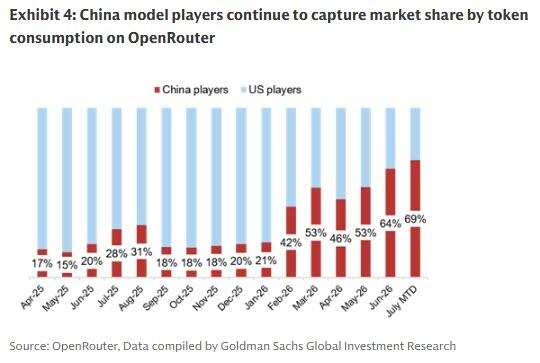
For e-commerce sellers, this data transfer has profound implications. Chinese AI companies are rapidly closing the performance gap with U.S. competitors, accelerating the deployment of AI-powered product recommendation engines, dynamic pricing algorithms, and customer service automation on platforms like Alibaba, Pinduoduo, and TikTok Shop. Within 12-18 months, Chinese sellers will have access to equivalent AI capabilities as U.S. sellers, fundamentally altering competitive dynamics. Sellers using AI tools for product research, pricing optimization, and inventory management today will face Chinese competitors with identical or superior AI methodologies—but at lower operational costs. The data-labeling entrepreneurs confirm that Chinese labs purchase both custom projects and standardized "off-the-shelf" datasets, meaning the same AI training approaches powering Amazon's recommendation algorithms and Shopify's conversion optimization are now available to Chinese e-commerce platforms.
The immediate competitive threat is automation and efficiency. Nathan Lambert, former research scientist at the Allen Institute for AI, emphasizes that high-quality training data is the highest-leverage factor for advancing AI capabilities into new domains. This means Chinese e-commerce platforms will rapidly deploy superior AI for product categorization, fraud detection, and personalized marketing—capabilities that currently give U.S. sellers on Amazon and Shopify a competitive edge. Sellers who have not yet automated their product research, pricing, and customer service workflows using AI tools will face a compressed timeline to implement these systems before Chinese competitors achieve parity. The Trump administration's recent flagging of model distillation practices signals potential future restrictions, but current policy gaps mean Chinese AI advancement continues unabated. For sellers, the strategic implication is clear: AI adoption is no longer optional—it's a survival requirement as Chinese competitors gain access to the same training methodologies that power American AI advancement.
Questions 8
Should I shift my sourcing strategy away from Chinese suppliers given this AI competitiveness threat?
Not necessarily—instead, focus on **differentiation and automation**. Chinese suppliers will remain cost-competitive, but the real threat is Chinese sellers' AI-powered operational efficiency. Rather than abandoning Chinese sourcing, implement AI tools to: (1) Identify unique product variations that Chinese sellers haven't yet discovered; (2) Automate your own supply chain using AI demand forecasting to reduce inventory costs; (3) Use AI-powered customer insights to identify underserved niches where Chinese sellers haven't deployed AI yet. The data indicates Chinese AI labs are acquiring training data for high-volume, standardized products—meaning niche, customized products remain less competitive. Sellers who combine Chinese sourcing with superior AI-powered differentiation will outcompete both traditional Chinese sellers and AI-powered Chinese competitors.
How can I use competitive intelligence and AI analysis to identify Chinese seller strategies before they scale?
Deploy AI-powered market intelligence tools to monitor **Alibaba, TikTok Shop, and Pinduoduo** for emerging Chinese seller tactics: (1) Track pricing patterns using dynamic pricing analysis to identify when Chinese sellers deploy new algorithms; (2) Monitor product launches and category expansion using AI-powered trend detection; (3) Analyze customer reviews using sentiment analysis to identify which Chinese sellers are gaining traction. Tools like **Helium 10's Cerebro** or custom AI dashboards can automate this monitoring. The competitive advantage comes from identifying Chinese AI-powered strategies 2-4 weeks before they scale, allowing you to adapt your own tactics preemptively. This creates a 30-60 day lead time to adjust pricing, product mix, or marketing before Chinese competitors achieve full market penetration.