
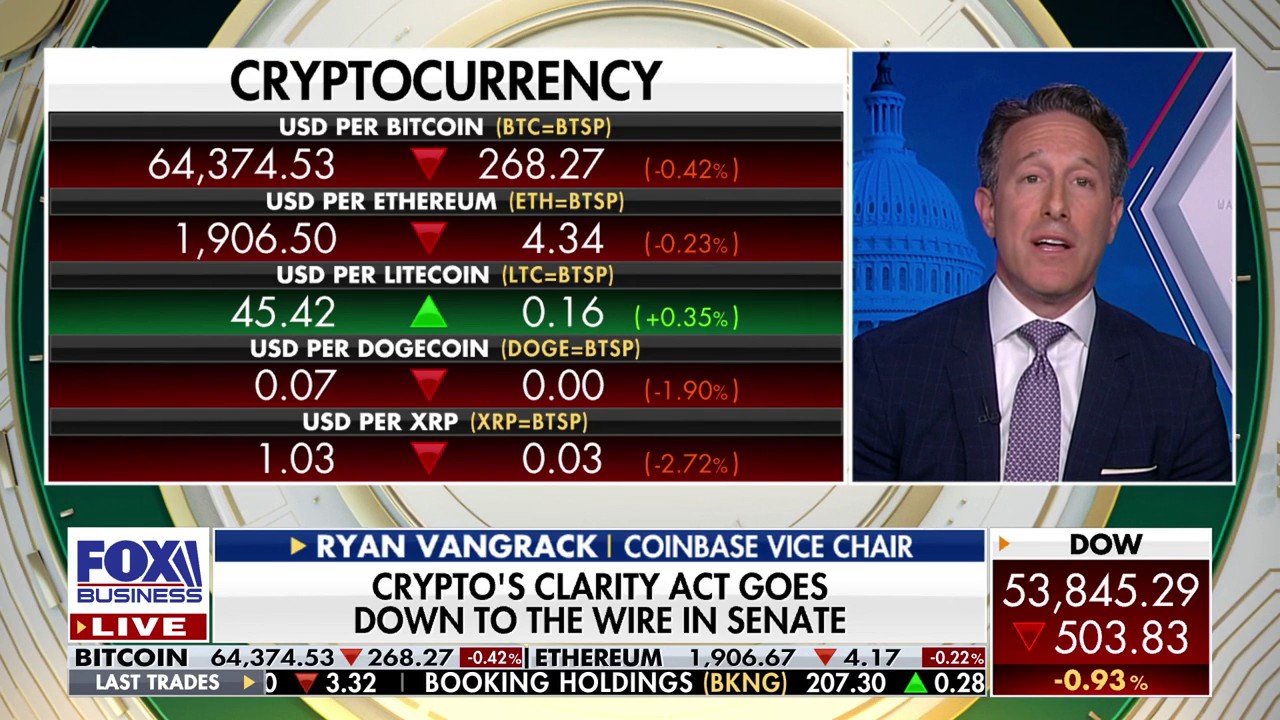



Crypto Clarity Act Delayed Until September | Payment Processing Impact for Cross-Border Sellers
- Senate postpones landmark cryptocurrency regulatory framework; delayed clarity on digital asset payments affects cross-border payment options and compliance timelines for e-commerce sellers through Q4 2024













































Overview
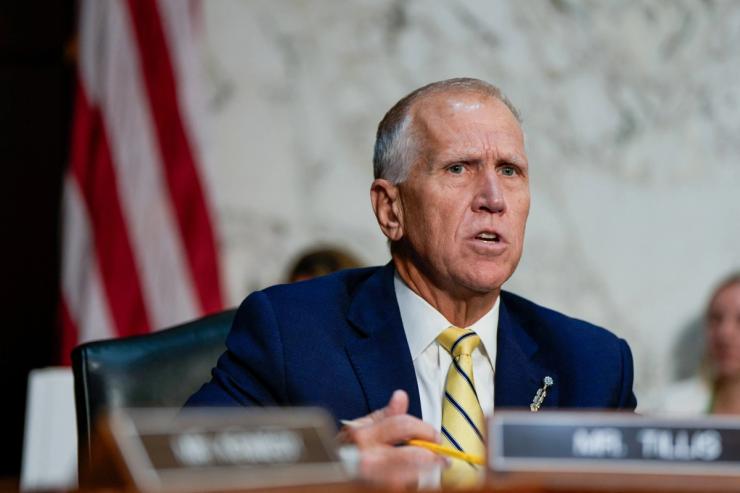
The Senate's postponement of the Clarity Act vote until September represents a critical delay in cryptocurrency regulatory clarity that directly impacts cross-border e-commerce payment infrastructure. Senate Republican leaders blocked advancement of this bipartisan legislation before the August recess, citing unresolved ethics provisions centered on Trump family crypto business interests and law enforcement concerns. The delay extends regulatory uncertainty through Q3 2024, affecting sellers' ability to adopt crypto payment options and stablecoin-based settlement methods for international transactions.
Financial Impact on Payment Processing: The extended regulatory limbo creates immediate cash flow implications for sellers relying on alternative payment corridors. Cryptocurrency payment processors like Coinbase Commerce and BitPay, which facilitate cross-border settlements with 1-2% fees (versus 2.9-3.5% for traditional payment gateways), remain in compliance uncertainty. Sellers cannot confidently integrate crypto payment rails into their checkout flows without regulatory clarity, forcing continued reliance on higher-cost payment methods. For sellers processing $100K+ monthly in cross-border transactions, this represents $1,000-2,000 in monthly fee drag compared to crypto-enabled alternatives.
FX Risk Management Implications: The delayed Clarity Act prevents establishment of clear stablecoin frameworks that would enable sellers to lock in FX rates at transaction time rather than settlement time (typically 2-5 days later). This creates 200-500 basis point FX exposure during settlement windows. Sellers shipping to EU, UK, and Asia-Pacific markets face continued currency volatility without stablecoin hedging options. The one-year implementation timeline (if passed) means sellers cannot plan FX optimization strategies until late 2025 at earliest.
Working Capital and Financing Access: Regulatory uncertainty delays emergence of crypto-collateralized financing products. Platforms like Nexo and BlockFi previously offered inventory financing against crypto holdings; regulatory clarity would unlock similar products for e-commerce sellers holding stablecoin reserves. The delayed vote prevents sellers from accessing 8-12% APR financing alternatives to traditional 15-18% merchant cash advances. For sellers with $50K+ in monthly revenue, this represents $400-800 monthly financing cost differential.
Immediate Seller Actions: Monitor September legislative calendar for Clarity Act advancement. Evaluate current payment processor fee structures across Stripe, PayPal, and Wise for cross-border corridors. Document FX exposure during settlement windows to quantify hedging value. Prepare crypto payment integration roadmap contingent on regulatory passage. Consider stablecoin reserve strategies for Q4 2024 if legislative momentum accelerates post-recess.
Questions 7
What compliance requirements should I prepare for if crypto payments become regulated?
The proposed Clarity Act includes ethics provisions requiring federal officials to divest digital asset holdings above $1 million (10%+ firm value), with one-year implementation and six-month compliance windows. This establishes precedent for regulatory oversight of crypto business relationships. Sellers integrating crypto payments should prepare for: (1) KYC/AML compliance requirements similar to traditional payment processors, (2) transaction reporting to Treasury Department, (3) state-level enforcement through attorneys general. Begin auditing current payment processor compliance frameworks now to identify gaps. The divestment timeline suggests regulatory requirements could take effect 12-18 months post-passage.
Are there financing products I should be preparing for after the Clarity Act passes?
Regulatory clarity will unlock crypto-collateralized inventory financing products currently unavailable. Platforms like Nexo and BlockFi previously offered 8-12% APR financing against crypto holdings; Clarity Act passage would enable similar products for e-commerce sellers holding stablecoin reserves. This represents significant savings versus traditional merchant cash advances (15-18% APR) and bank lines of credit (12-14% APR). For sellers with $50K+ monthly revenue, crypto-collateralized financing could reduce working capital costs by $400-800 monthly. Begin documenting stablecoin reserve strategies now to accelerate financing applications post-passage.