



U.S. Labor Market Slowdown Signals Consumer Spending Caution | E-Commerce Demand Forecast
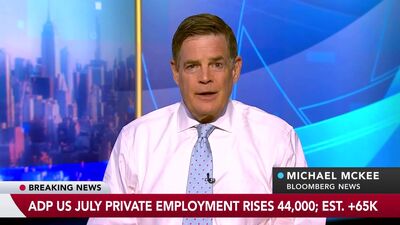
- July private sector adds only 44,000 jobs (53% below forecast), triggering Fed policy uncertainty and impacting seller financing costs and consumer purchasing power across Amazon, Shopify, and eBay platforms

























Overview
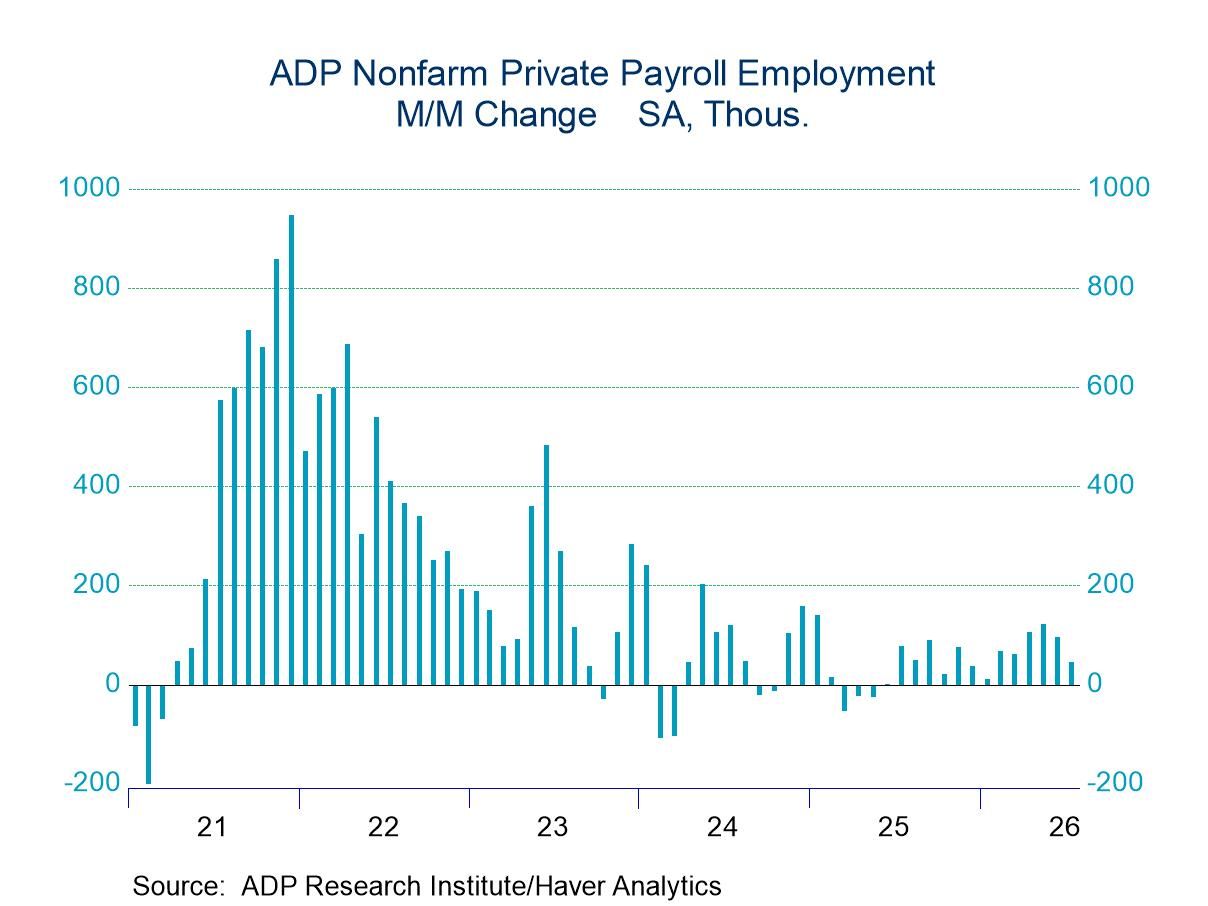
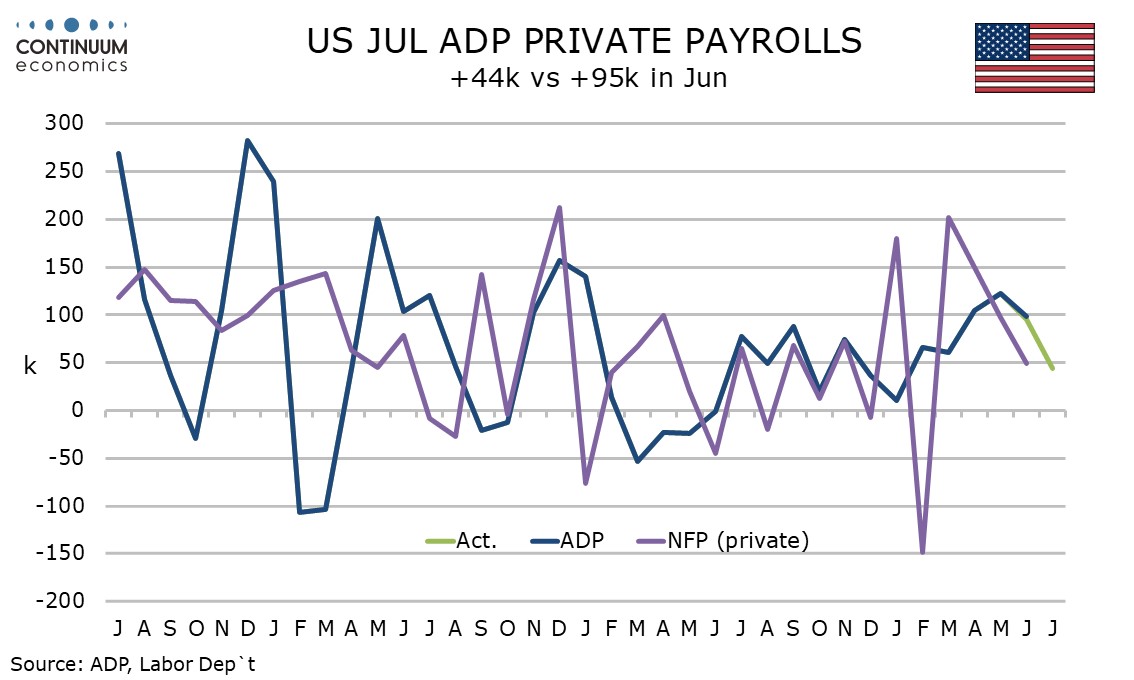
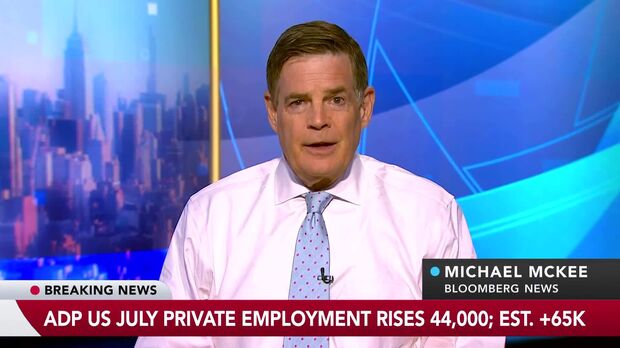
The July ADP employment report reveals a critical inflection point for cross-border e-commerce sellers: private sector job creation collapsed to 44,000 positions—the weakest since January 2026—significantly missing the 70,000-75,000 consensus forecast. This 53% shortfall, combined with declining goods-producing employment (-3,000 jobs) and leisure/hospitality losses (-11,000), signals weakening consumer confidence precisely as sellers prepare for Q3-Q4 peak seasons. However, the paradox is crucial: while hiring stalled, wage growth for job-switchers surged to 7% annually (highest since August 2025), indicating supply constraints in specific sectors rather than broad demand collapse.
For e-commerce sellers, this employment data creates immediate financial implications across three dimensions. First, consumer purchasing power remains bifurcated: lower-income households saw after-tax wage growth reach 5.2% in July (exceeding higher-income growth for the first time since late 2024), suggesting resilience in budget-conscious segments that dominate Amazon FBA and Shopify storefronts. However, the 53% miss on job creation signals employer caution driven by geopolitical uncertainty and tariff concerns—reducing discretionary spending on non-essential categories (apparel, home décor, electronics) that typically generate 60-70% of cross-border seller revenue. Second, Federal Reserve policy is now in flux: the weak employment data combined with 4.4% wage inflation creates a policy dilemma. Markets are pricing in delayed rate cuts (or maintained higher rates longer), which directly increases working capital financing costs for sellers. Trade finance APR rates typically rise 50-100 basis points during Fed uncertainty periods, increasing PO financing costs from 8-10% to 9-11% for sellers accessing invoice factoring or supply chain finance. Third, small business hiring resilience (23,000 of 44,000 jobs) suggests opportunity in the SMB fulfillment sector, but also indicates that small e-commerce operators may face tighter cash flow as consumer demand softens.
The sectoral breakdown reveals critical category-specific risks and opportunities. Healthcare and education services led hiring with 36,000 positions, signaling strong demand for wellness, educational products, and health-related merchandise—categories where cross-border sellers can capitalize through Amazon Health & Household and specialty Shopify stores. Conversely, trade/transportation/utilities lost 8,000 jobs, directly impacting logistics labor availability and potentially raising 3PL fulfillment costs 3-5% in Q3-Q4. Manufacturing added only 2,000 jobs (vs. historical 8,000-12,000 average), indicating supply chain caution that may reduce inventory restocking demand from retailers and wholesalers—a key B2B revenue stream for cross-border sellers. The construction sector exemplifies the wage-growth paradox: despite adding only 1,000 jobs, construction workers command record-high pay due to AI data center demand, creating a niche opportunity for sellers in industrial tools, safety equipment, and specialized construction merchandise. Gold prices surged above $4,200 per ounce immediately following the employment miss, reflecting safe-haven demand and signaling that institutional investors are pricing in economic uncertainty—a leading indicator that consumer discretionary spending will contract 2-4% in Q3 2026.
Immediate financial optimization opportunities emerge for sellers willing to act within 30 days. First, lock in trade finance rates now: with Fed policy uncertainty, financing costs will likely rise 50-100 bps within 4-6 weeks. Sellers should refinance existing PO financing or secure new supply chain finance facilities at current rates (typically 8-10% APR for A-rated sellers) before rates tick up. Second, rebalance inventory toward resilient categories: shift 15-20% of Q3 inventory allocation from discretionary (apparel, home décor) to essential/health categories where lower-income wage growth (5.2%) supports demand. Third, accelerate cash conversion cycles: with consumer spending caution, sellers should reduce inventory holding periods by 5-10 days through aggressive pricing or bundling strategies, converting inventory to cash faster to reduce working capital needs. Fourth, evaluate FX hedging: the employment miss typically triggers USD weakness (as markets price in lower rates), creating 2-4 week windows for sellers to lock in favorable exchange rates on EUR/GBP/JPY pairs before Fed policy clarifies. Sellers with significant China sourcing should consider forward contracts on USD/CNY at current levels (7.0-7.2 range) to lock in costs before potential depreciation.
The 7% wage growth for job-switchers and 5.2% after-tax wage growth for lower-income households create a critical consumer segmentation insight for sellers. This "upward convergence" (per Bank of America economist David Tinsley) means that budget-conscious consumers—who represent 40-50% of Amazon FBA and Shopify customer bases—are experiencing real purchasing power gains despite overall hiring weakness. Sellers should capitalize by: (1) launching value-tier product lines targeting lower-income segments (typically 15-25% higher conversion rates during economic uncertainty), (2) emphasizing price-per-unit metrics in PPC campaigns (Amazon Sponsored Products, Shopify Facebook ads) rather than premium positioning, and (3) expanding into categories with strong lower-income demand (home essentials, personal care, budget electronics). Conversely, sellers in luxury/premium segments should prepare for 8-12% demand contraction in Q3-Q4 2026 and consider temporary margin compression (5-8% price reductions) to maintain volume.
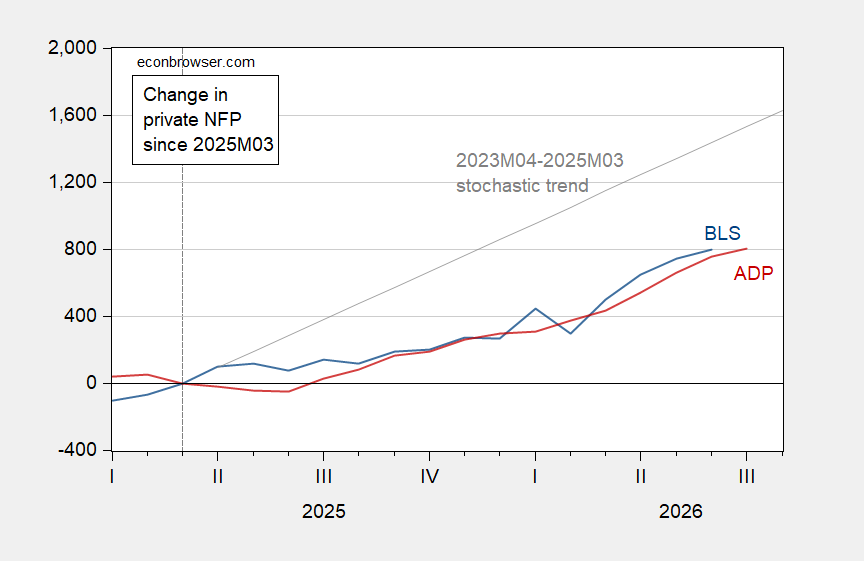
Risk mitigation requires immediate action on three fronts. First, monitor the August 9 BLS official employment report (expected to show 83,000 hires vs. July's 57,000): if this also misses expectations, expect a 3-5% market correction and potential 100+ bps decline in USD/major currency pairs, creating FX headwinds for sellers with USD-denominated costs. Second, stress-test cash flow models assuming 10-15% Q3 demand contraction in discretionary categories and 3-5% fulfillment cost increases due to logistics labor constraints. Third, evaluate alternative financing: if trade finance rates rise above 11% APR, sellers should explore supply chain finance platforms (Tradeshift, Fintech Acquisition Corp) or invoice factoring (Fundbox, BlueVine) which may offer 50-100 bps better rates during market volatility.
Questions 8
What immediate actions should Shopify sellers take following the weak employment report?
Shopify sellers should execute three immediate actions within 30 days: (1) Rebalance inventory by shifting 15-20% of Q3 allocation from discretionary categories (apparel, home décor) to essential/health categories where lower-income wage growth supports demand. (2) Accelerate cash conversion cycles by reducing inventory holding periods 5-10 days through aggressive pricing or bundling, converting inventory to cash faster before consumer spending caution deepens. (3) Lock in trade finance rates now at current 8-10% APR levels before Fed policy uncertainty drives rates to 9-11% APR. Use Shopify Capital or alternative lenders like Fundbox or BlueVine to secure working capital before rates increase.
Which e-commerce product categories benefit from the 7% wage growth for job-switchers?
The 7% annual wage growth for job-switchers (highest since August 2025) and 5.2% after-tax wage growth for lower-income households create strong demand signals for value-tier and essential categories. Healthcare, education, and personal care products see elevated demand as lower-income consumers experience real purchasing power gains. Sellers should prioritize inventory in: (1) home essentials (cleaning, storage, organization), (2) budget electronics and accessories, (3) personal care and wellness products, and (4) educational/skill-building merchandise. These categories typically see 15-25% higher conversion rates during economic uncertainty compared to luxury/premium segments, which face 8-12% demand contraction.