

$100B Tariff Refund Windfall | Cross-Border Sellers Face Compliance Complexity & Margin Recovery Opportunity
- Supreme Court invalidates IEEPA tariffs; $100B refunded to 330K+ importers via CAPE system; smaller sellers face barriers accessing refunds; new tariff regime creates ongoing uncertainty for 2026





Overview
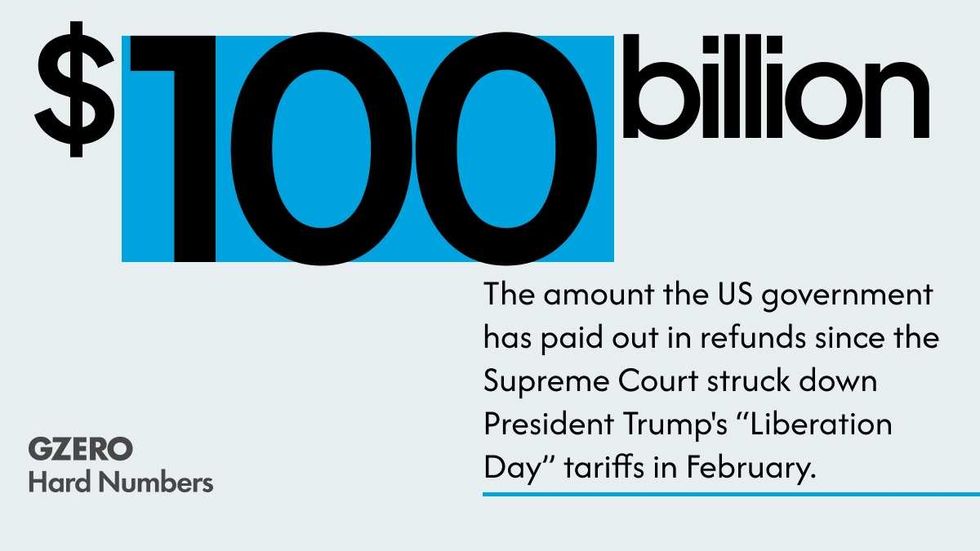
The Trump administration has distributed approximately $100 billion in tariff refunds to importers following a February 2026 Supreme Court ruling that deemed broad import tariffs imposed under the International Emergency Economic Powers Act (IEEPA) unconstitutional. This refund represents roughly 60% of the $166 billion total tariff revenue collected during 2025's "liberation day" duties. The Consolidated Administration and Processing of Entries (CAPE) system, established in late April 2026, has processed 252,496 refund declarations covering 25 million import entries as of July 31, with funds certified and sent to the Treasury Department for disbursement.
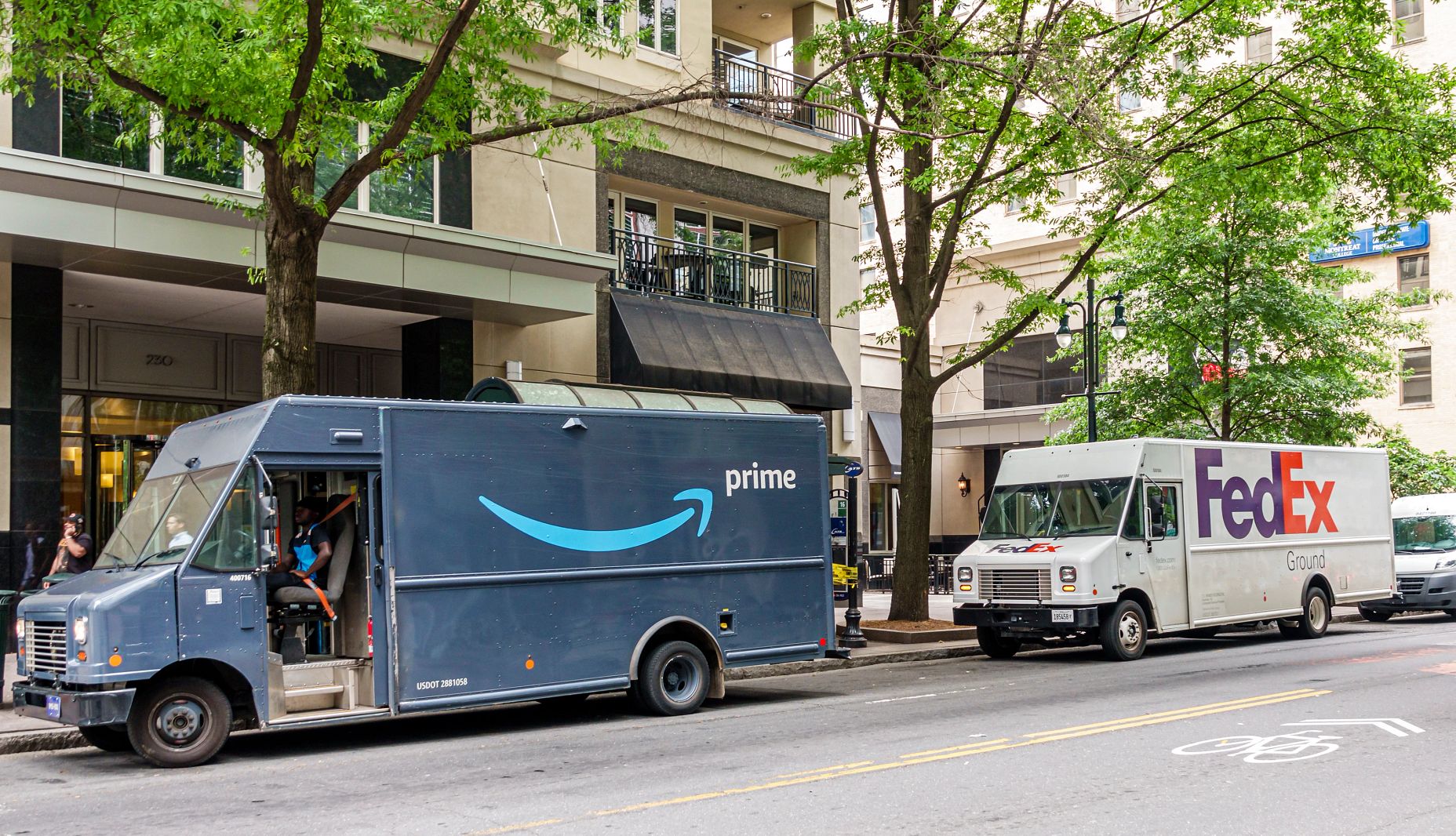
For cross-border e-commerce sellers, this creates a critical bifurcated opportunity: Large importers and corporations like Amazon—which received ~$600 million in Q2 refunds alone—can immediately recover tariff costs and reinvest in inventory expansion or price reductions. However, smaller sellers face significant barriers. Under US customs law, only importers who directly paid tariffs can claim refunds, creating a structural disadvantage for third-party sellers using fulfillment services. Additionally, a class action lawsuit filed by Freestyle World (a California importer) highlights that smaller businesses struggle accessing refunds through CAPE, with the Trump administration contesting the certification request. The refund operation faces substantial headwinds: more than 330,000 importers paid IEEPA tariffs on 53 million entries, yet nearly $29 billion remains under review by trade authorities, while another $1.6 billion is delayed due to missing banking details—indicating slow processing for smaller players.
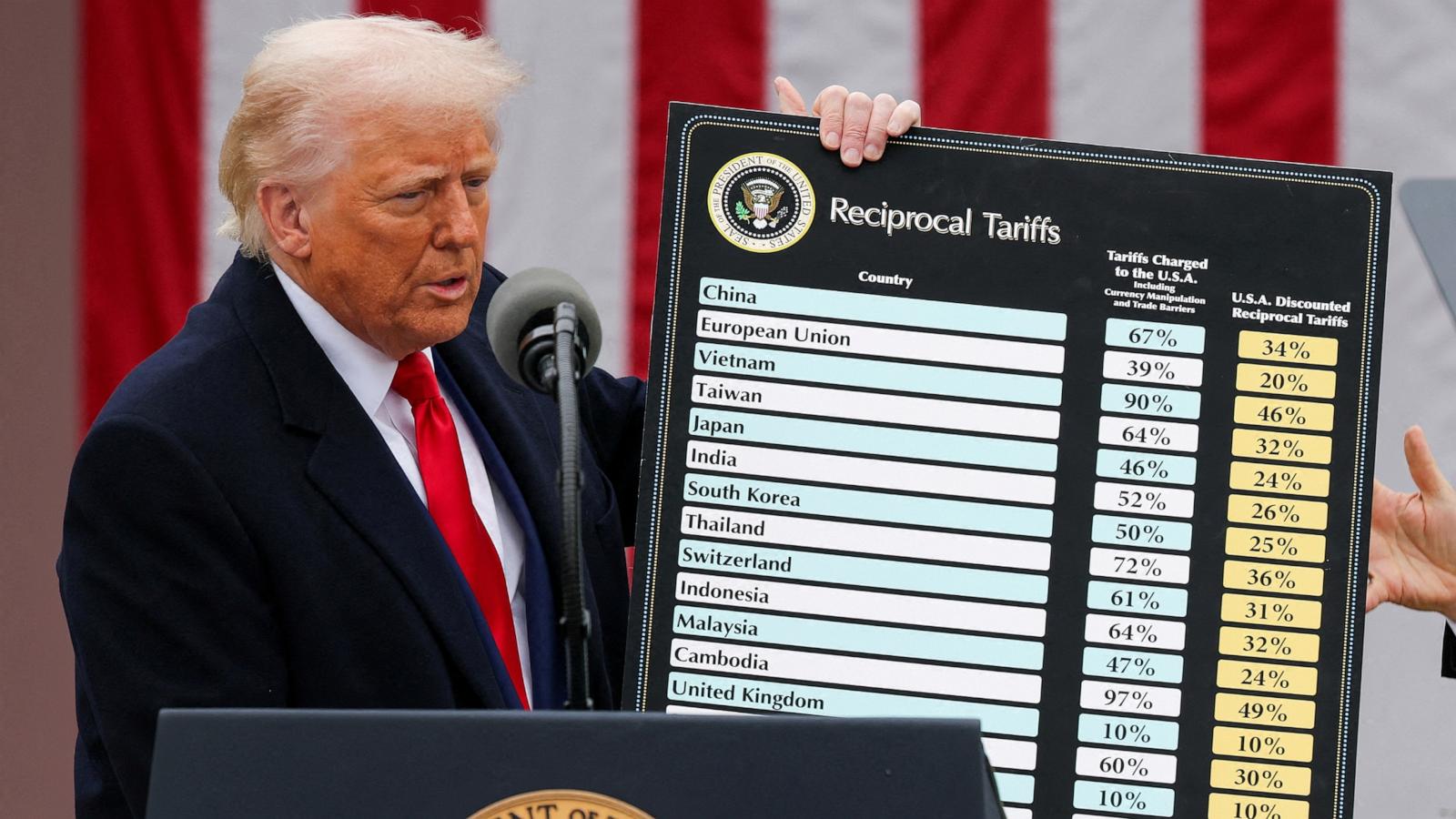
The tariff landscape remains volatile and unpredictable for sellers planning 2026 sourcing strategies. Trump's temporary 31% universal tariff expired and was replaced by new tariffs on 60 trading partners citing forced labor concerns, plus a 50% tariff on Canada. The administration is actively recreating tariff regimes using alternative legal authorities, though these face their own court challenges. This creates a "tariff uncertainty premium" where sellers cannot confidently forecast landed costs for 6-12 months ahead. Sellers importing from China, Vietnam, India, and Canada face the highest exposure to future tariff volatility. The refund window represents a temporary margin recovery opportunity—sellers who successfully claim refunds can reinvest 2-4% of annual COGS back into inventory, marketing, or price competitiveness. However, the compliance complexity of navigating CAPE, proving direct tariff payment, and managing banking documentation creates operational friction that disproportionately impacts small-to-medium sellers (SMBs) with limited customs compliance infrastructure.
Questions 8
What is the timeline for tariff refund processing and when should sellers act?
The CAPE system began accepting refund declarations in late April 2026; as of July 31, approximately $100B has been certified and sent to Treasury. However, nearly $29B remains under review, and $1.6B is delayed due to missing banking details. Processing typically takes 60-90 days after submission. Sellers should submit CAPE claims immediately (August-September 2026) to avoid processing backlogs as the system approaches capacity. The refund window may close if the Trump administration successfully implements alternative tariff regimes through court-approved legal authorities. Sellers should prioritize CAPE submissions before Q4 2026, as new tariff implementations could complicate refund eligibility. Monitor CBP announcements weekly for updates on processing timelines and new tariff policies.
How does the tariff refund impact Amazon FBA and third-party seller economics?
Amazon recovered ~$600M in Q2 refunds and is passing some funds to customers while allocating remaining amounts to lower store prices—creating competitive pressure on third-party sellers. However, third-party sellers using Amazon FBA may not qualify for direct refunds if Amazon (not the seller) paid tariffs on inventory. Sellers should verify whether they or Amazon paid tariffs on FBA inventory and file claims accordingly. The refund creates a temporary margin advantage for large importers who can reinvest recovered capital into price reductions or inventory expansion. Third-party sellers should expect Amazon to use refund proceeds to improve competitive positioning; sellers should prioritize claiming their own refunds to maintain margin parity and consider diversifying to other platforms (eBay, Shopify) where tariff refund advantages are less concentrated.