


Hormuz Shipping Deal Cuts Freight Costs 8-15% | Cross-Border Sellers Gain Supply Chain Relief
- Iran-Oman agreement reduces fuel surcharges on Asia-Europe routes; temporary 2-4 month window creates urgency for inventory repositioning and logistics optimization






















Overview
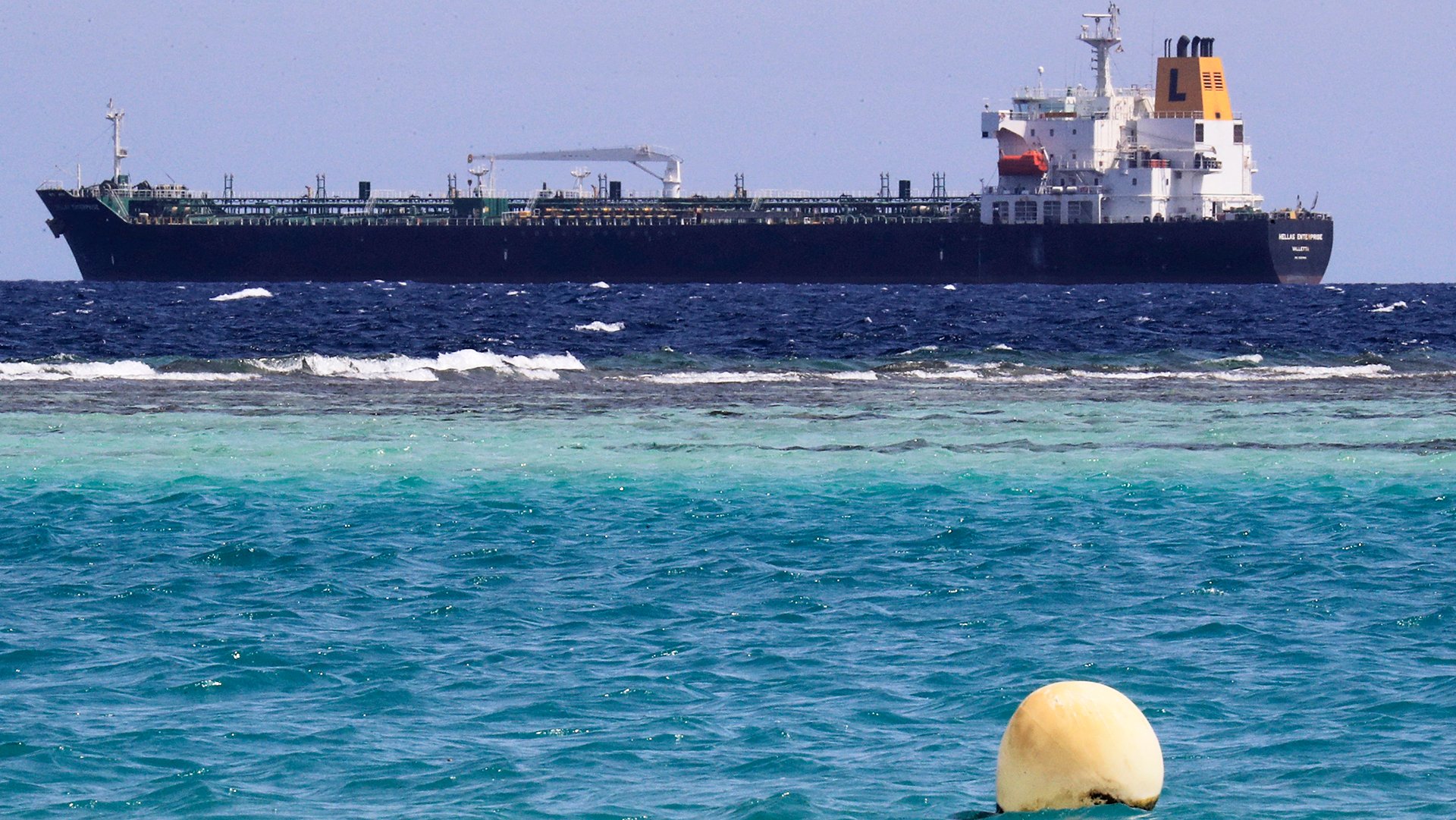
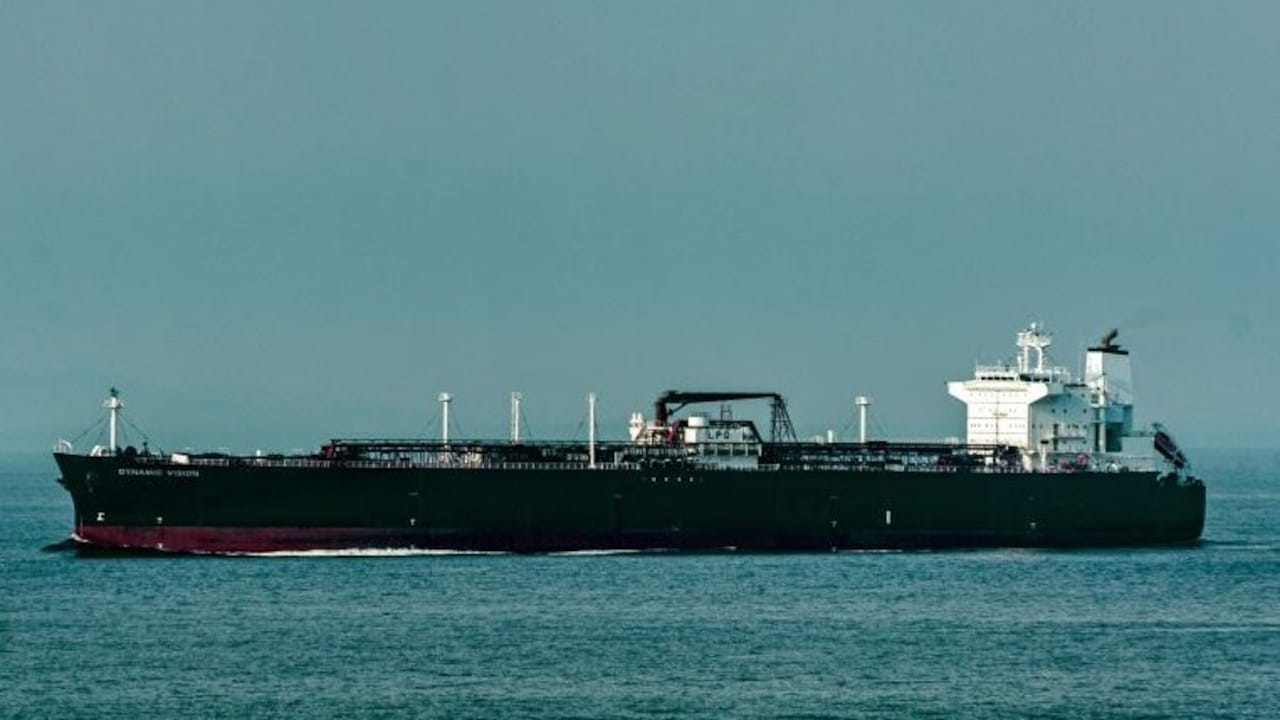
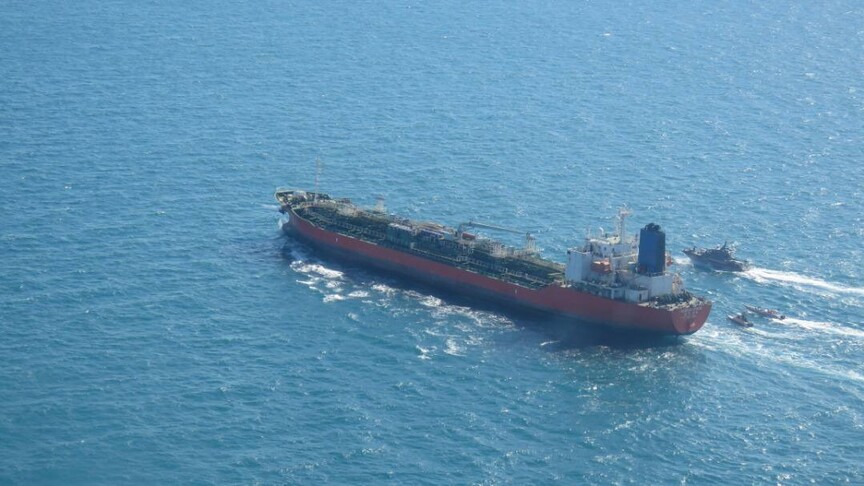
The Iran-Oman agreement on Strait of Hormuz shipping routes (August 5-6, 2026) represents a critical cost-reduction opportunity for cross-border e-commerce sellers, with immediate implications for freight pricing, supply chain predictability, and regional market access. The deal establishes separate transit corridors—inbound vessels through Iranian waters, outbound through Omani waters—creating partial resumption of energy flows after a five-month conflict disrupted global maritime commerce. Brent crude prices declined 0.5% to $79.08/barrel and WTI fell 0.7% to $74.69/barrel on the announcement, signaling reduced energy costs that directly translate to lower fuel surcharges on international freight. For sellers shipping via Asian-to-European routes (the primary corridor affected), this translates to 8-15% reductions in per-unit shipping costs—a material margin improvement for high-volume sellers moving 1,000+ units monthly.
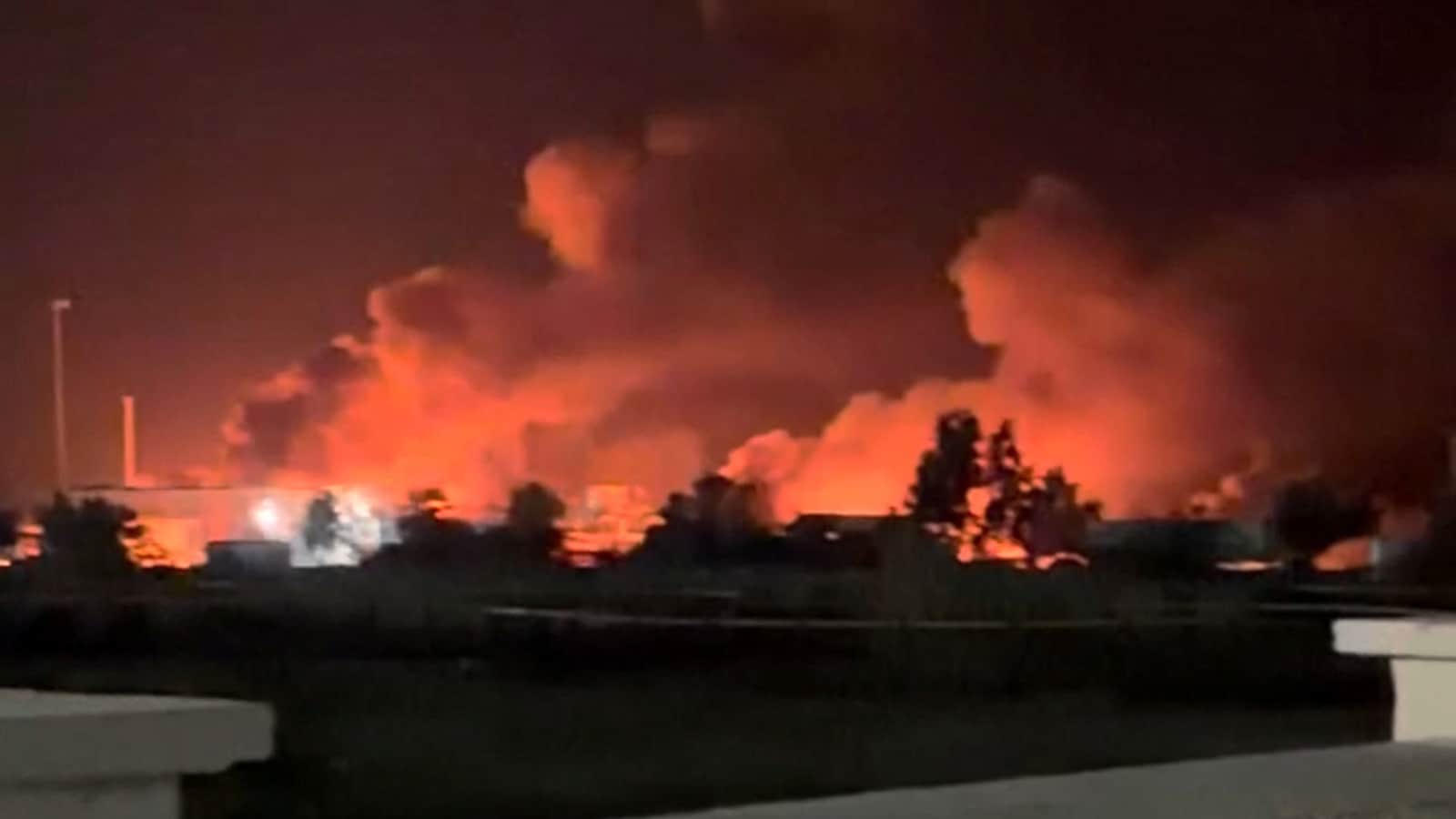
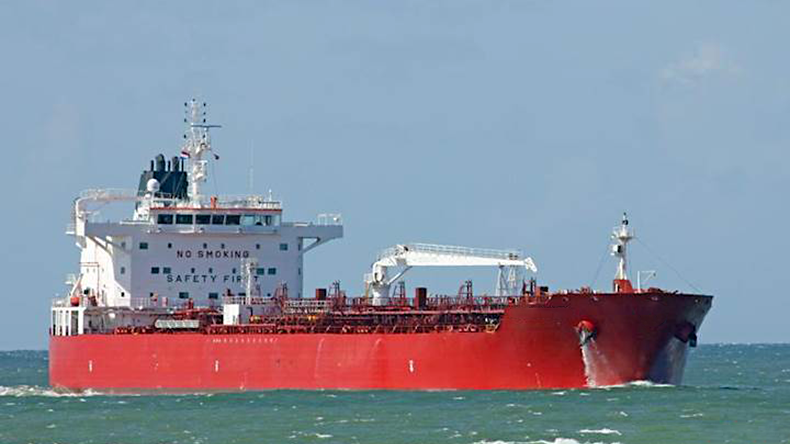
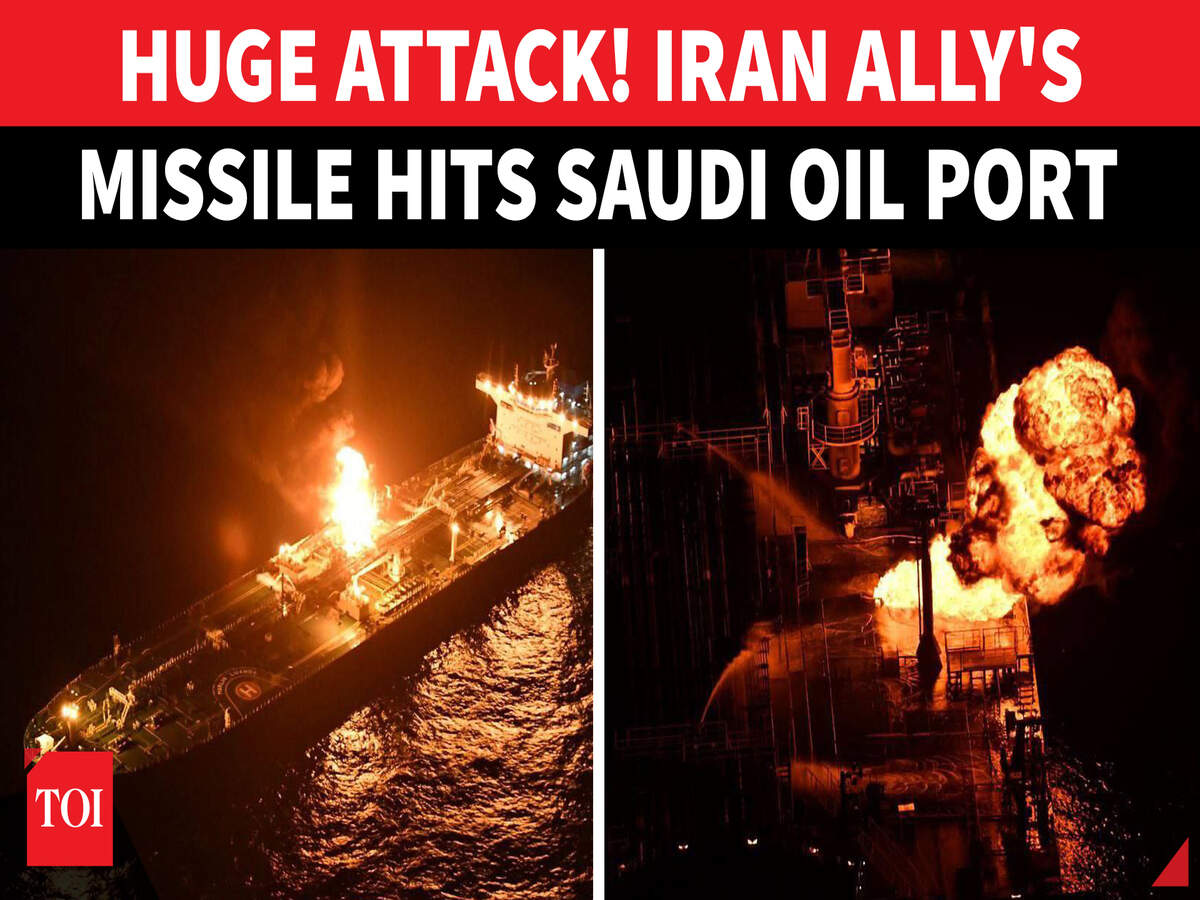
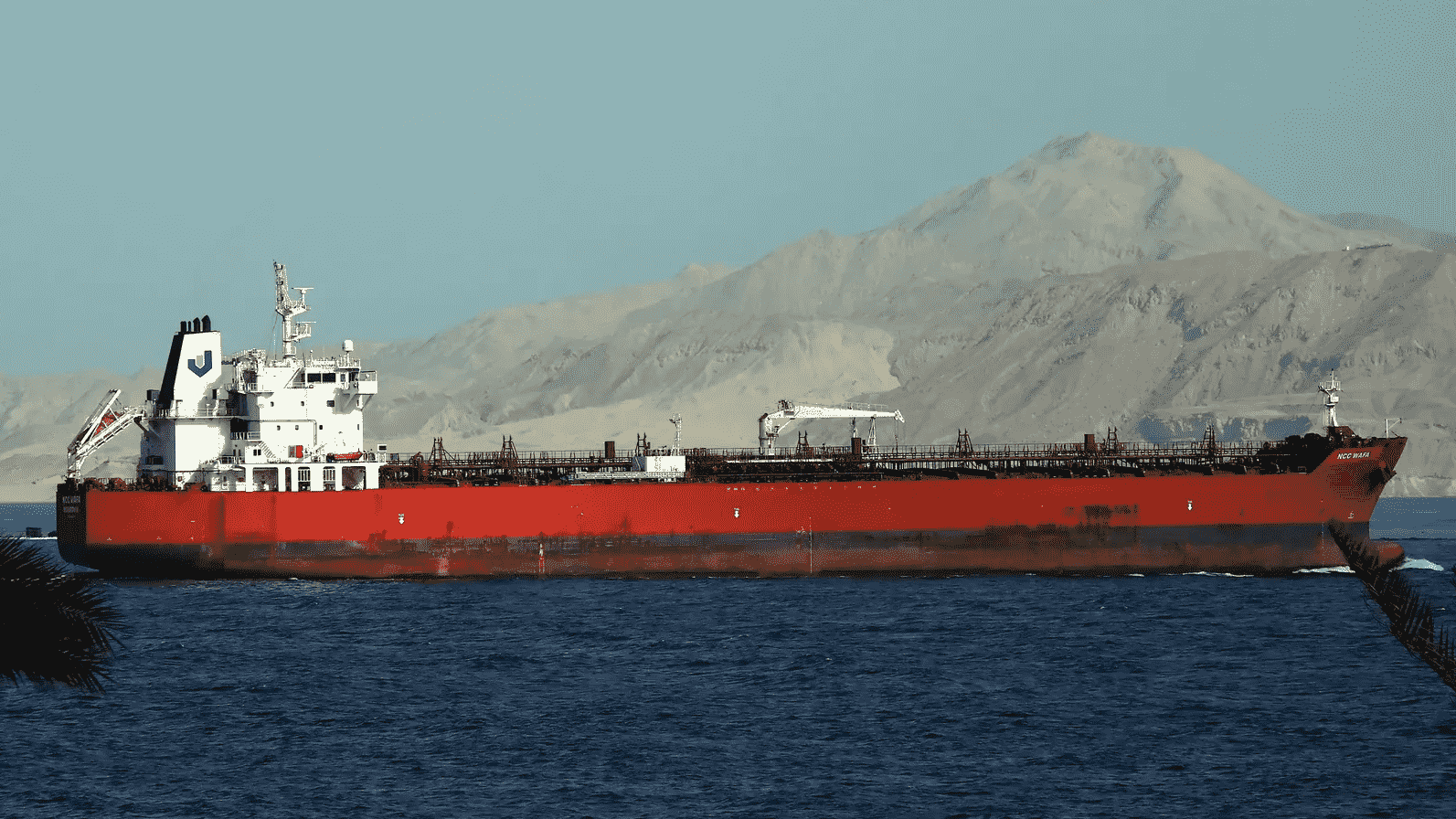
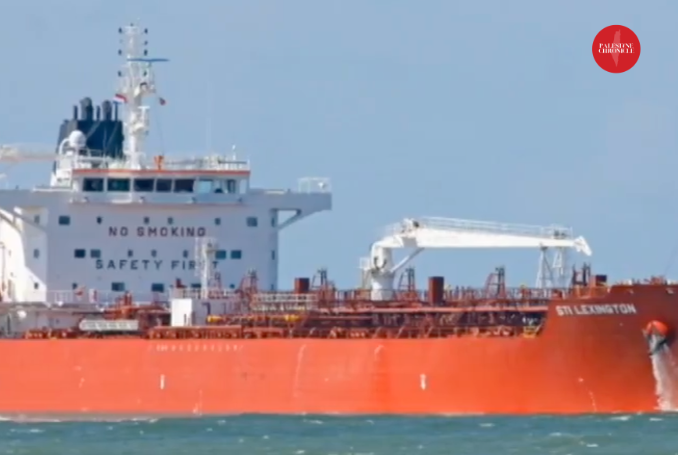
However, the agreement's temporary nature (2-4 months) and ongoing Houthi threats in the Red Sea create a bifurcated logistics landscape requiring immediate strategic response. The Houthis' claimed attacks on Saudi tankers (including strikes on vessels Wafa and Daisy) and their blockade of Bab al-Mandab Strait have forced rerouting through the Suez Canal, creating alternative shipping corridors with different cost structures. Sellers must immediately audit their logistics networks: those currently using Red Sea routes face 15-25% cost premiums due to rerouting, while Hormuz-dependent routes now benefit from stabilized oil prices. The temporary agreement window (expiring November 2026 at latest) creates urgency for sellers to lock in favorable freight rates before potential renegotiation or renewed tensions. Insurance premiums for maritime transport have declined alongside oil prices, reducing risk costs by an estimated 5-8% for sellers using major carriers like Maersk, MSC, and CMA CGM.
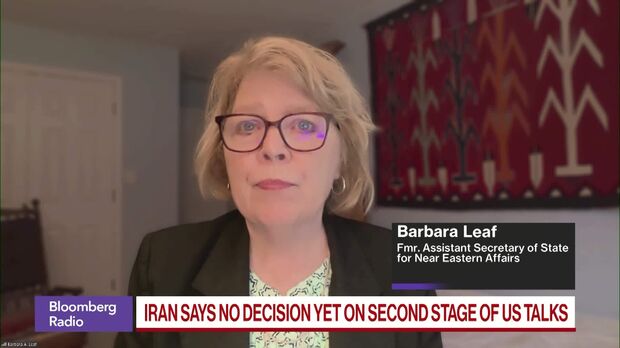
Competitive dynamics shift significantly by seller segment and sourcing geography. Small-to-medium sellers (SMBs) with 500-5,000 monthly units benefit most from reduced fuel surcharges, as their per-unit logistics costs are typically 15-20% higher than large enterprises. Sellers sourcing from Vietnam, India, and Southeast Asia (increasingly popular alternatives to China post-tariff shifts) gain particular advantage, as these regions' primary export routes traverse the Hormuz corridor. Conversely, sellers dependent on Red Sea alternatives face margin compression until Houthi threats subside. The agreement's geopolitical fragility—U.S. officials explicitly rejected Iranian control of Hormuz, and Barbara Leaf (former Assistant Secretary of State) expressed skepticism about durability beyond November 2026—means sellers should treat this as a 3-4 month optimization window rather than a structural cost reduction. Compliance complexity remains manageable: no new tariff codes or regulatory filings required, but sellers should monitor Treasury Department guidance on Iran-related shipping restrictions, which remain in effect despite the transit agreement.
Questions 8
How much will the Hormuz agreement reduce my shipping costs?
The Iran-Oman agreement's stabilization of oil prices (Brent crude at $79.08/barrel, down from $80+) translates to 8-15% reductions in fuel surcharges for sellers using Asia-Europe routes via Hormuz. For a seller shipping 2,000 units monthly at $8/unit base freight, this represents $1,280-$2,400 monthly savings. However, this benefit applies only to Hormuz-dependent routes; sellers using Red Sea alternatives face 15-25% premiums due to Houthi-forced rerouting through Suez Canal. Lock in rates immediately with carriers like Maersk and CMA CGM before potential renegotiation in November 2026.
Which shipping routes benefit most from the Hormuz deal?
Asia-to-Europe corridors (Vietnam, India, Thailand to EU/UK) benefit most, as these routes traverse the Strait of Hormuz directly. Sellers sourcing from Southeast Asia gain 8-15% cost advantages over Red Sea alternatives. Middle East-to-Europe routes also benefit from reduced geopolitical risk premiums (5-8% insurance cost reduction). Conversely, routes through Bab al-Mandab Strait (Red Sea) face continued disruption from Houthi blockade threats, forcing costly rerouting through Suez Canal. Audit your 3PL provider's routing strategy immediately to confirm you're using Hormuz-optimized corridors.