




AI Surveillance Pricing Bans Reshape E-Commerce Pricing Strategy | Sellers Face Compliance Overhaul
- Bipartisan Senate opposition to algorithmic pricing; California AB 446 deadline August 31; Maryland, Connecticut, New York bans active; 68% consumer concern drives regulatory momentum








































Overview
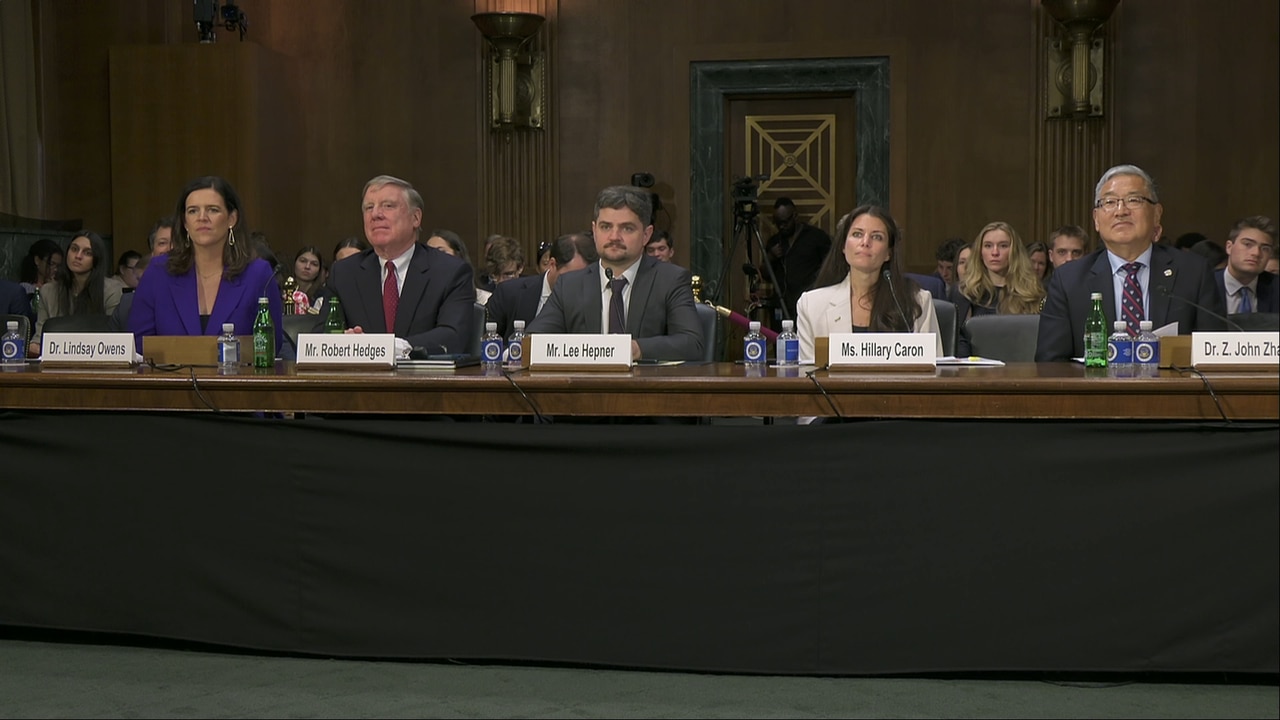
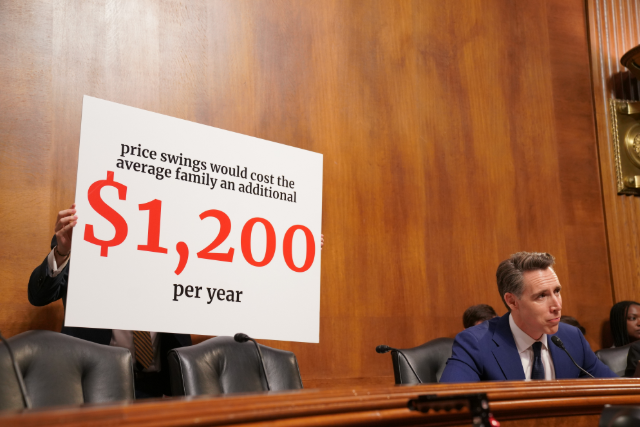
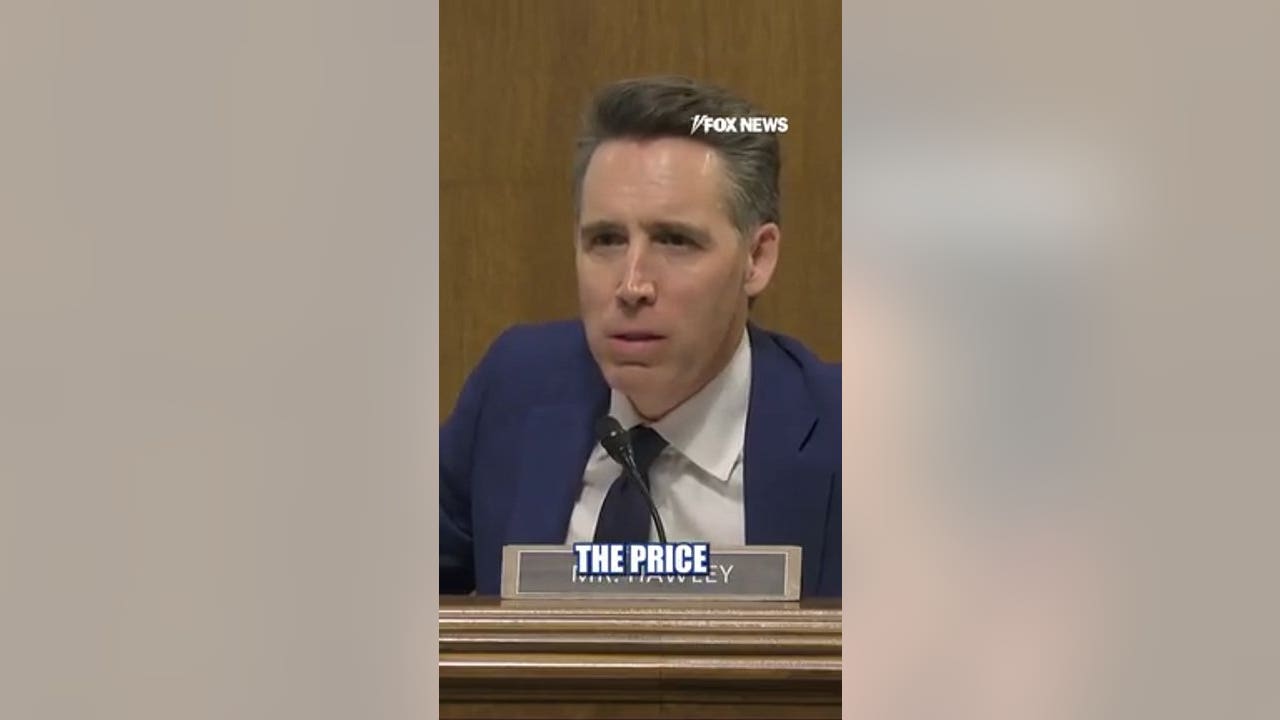
Congressional hearings reveal unprecedented bipartisan opposition to AI-driven surveillance pricing, with immediate regulatory implications for e-commerce sellers. A U.S. Senate Judiciary Committee hearing established rare consensus opposing the practice of using personal data to dynamically adjust prices. Republican Senator Josh Hawley called surveillance pricing "one of the biggest scams in American history," citing Amazon, Target, Staples, and Lyft as major practitioners. He highlighted Kroger's $500 million annual revenue from selling customer tracking data to third parties. Democrat Dick Durbin echoed this sentiment, establishing unified opposition across party lines. A May 2024 GBAO Strategies survey found 68% of Americans worry surveillance pricing increases costs, while only 5% believe it lowers prices—a critical consumer sentiment shift that's driving regulatory action.
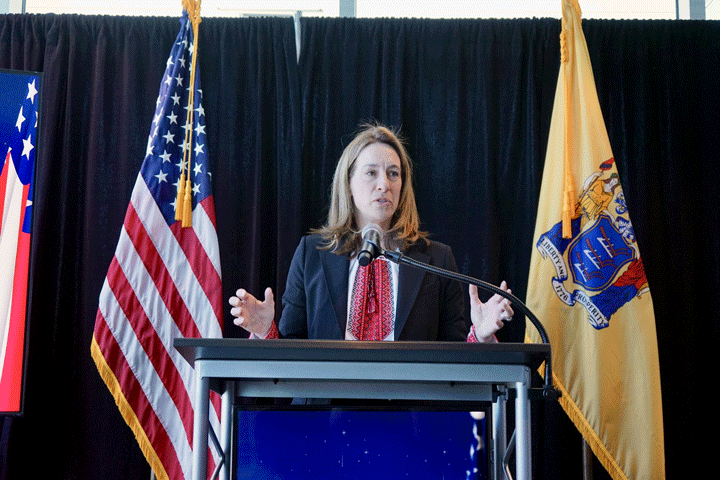
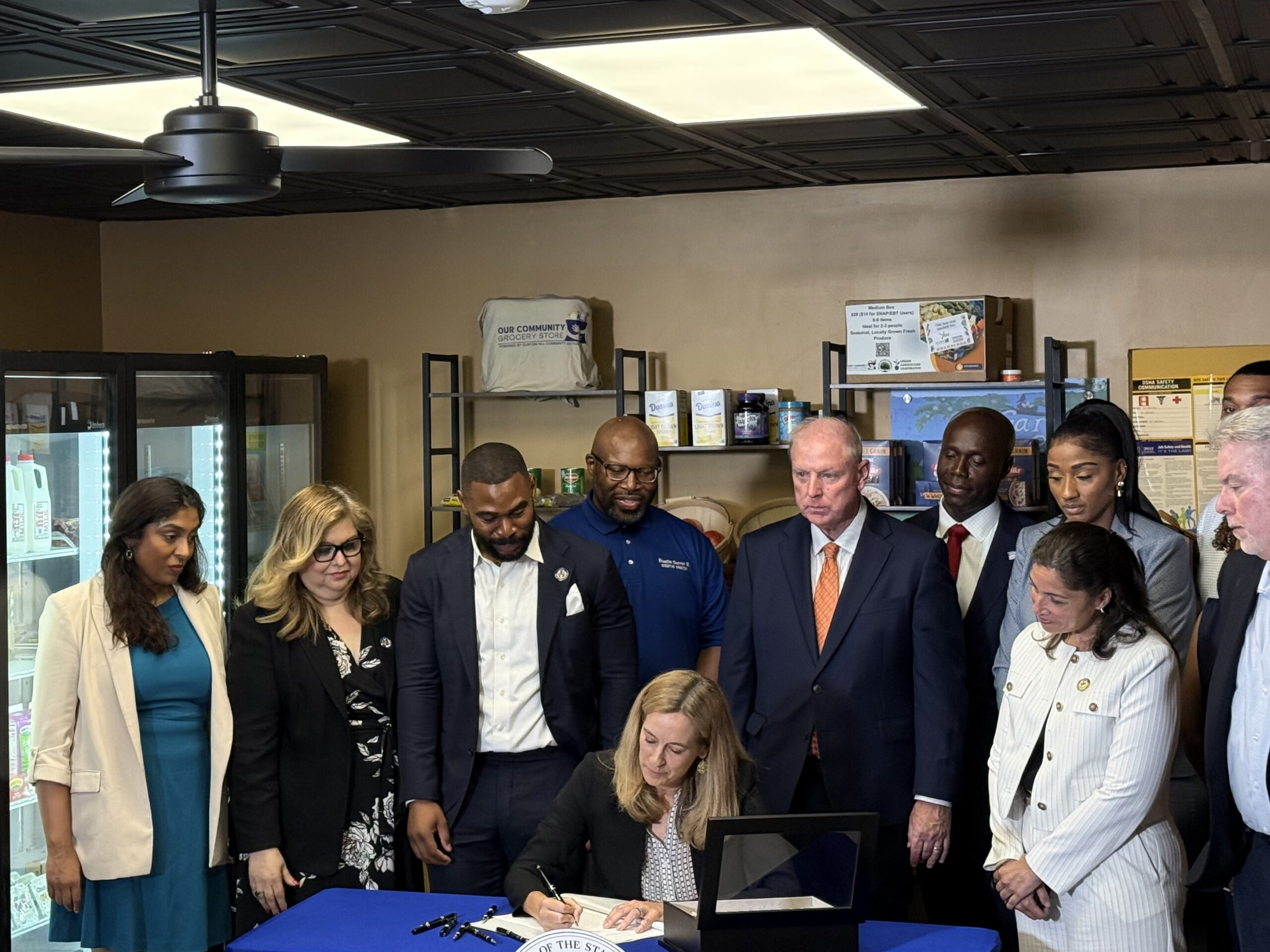
The regulatory landscape is fragmenting rapidly across U.S. jurisdictions, creating compliance complexity for multi-state sellers. Maryland enacted the first state surveillance pricing ban in grocery stores earlier this year, though activists criticize it for containing significant loopholes. Connecticut, New Jersey, and New York have passed narrower bans, with New York's governor yet to sign legislation. Colorado's legislature passed a surveillance pricing law that Governor Jared Polis vetoed. Most critically, California Assembly Bill 446 (authored by Assemblymember Chris Ward) seeks to ban AI-driven personalized pricing entirely, with an August 31 legislative deadline. AB 446 would prohibit businesses from using consumers' personal data, web browsing history, app usage, and online activity to determine individualized prices—directly targeting platforms like Instacart and Vons. The legislation addresses a gap in California's Consumer Privacy Act (2018), which grants data rights but doesn't restrict pricing use. Ward is actively negotiating amendments before requesting a Senate floor vote, with close consultation with Governor Newsom's office to maximize passage chances.
For e-commerce sellers, this regulatory wave creates immediate operational and strategic challenges. Sellers using AI-powered dynamic pricing tools—common on Amazon, Shopify, and third-party marketplaces—must prepare for compliance requirements around pricing transparency and algorithmic decision-making disclosure. The Senate hearing explored whether current consumer protection laws adequately address algorithmic pricing, with lawmakers expressing concern about potential antitrust implications and price-fixing facilitation. Industry representatives defended "personalized pricing" as enabling competitive discounting and loyalty rewards, but this defense faces headwinds: 68% consumer concern and bipartisan political opposition suggest regulatory restrictions are likely in high-population states (California, New York) within 6-12 months. Sellers in grocery, beauty, electronics, and apparel categories—where dynamic pricing is most prevalent—face the highest compliance burden. The fragmented regulatory approach means sellers must implement state-specific pricing strategies, potentially eliminating margin optimization benefits that AI pricing tools currently provide. Congressional action remains unlikely despite bipartisan rhetoric, but state-level restrictions will create de facto national standards as California and New York represent 20% of U.S. e-commerce volume.
Questions 8
What is surveillance pricing and how does it affect e-commerce sellers?
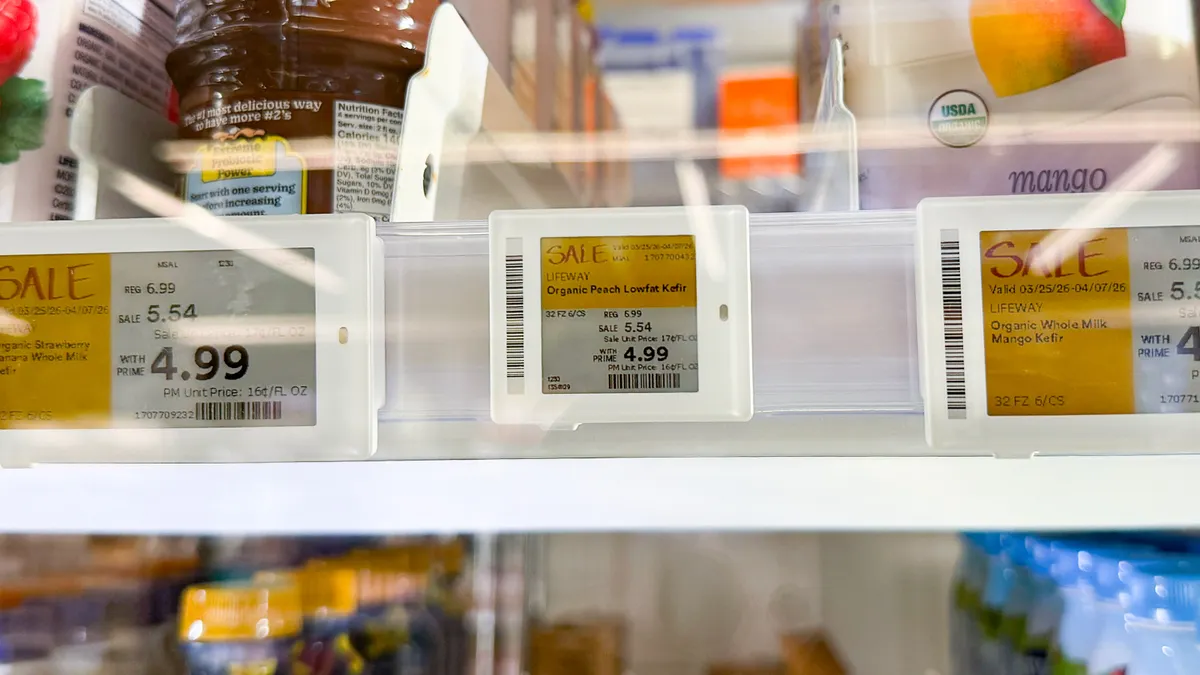
Surveillance pricing is the practice of using personal data—including browsing history, purchase history, location data, and cursor movements—to dynamically adjust prices for individual consumers. Companies like Amazon, Target, Instacart, and Vons use AI algorithms to predict maximum willingness to pay and set personalized prices accordingly. For sellers, this means AI pricing tools that currently optimize margins by charging different prices to different customers may become illegal in California, New York, Connecticut, Maryland, and New Jersey. A May 2024 GBAO Strategies survey found 68% of Americans worry surveillance pricing increases costs, driving regulatory momentum. Sellers using dynamic pricing must prepare for compliance requirements or face potential penalties in restricted states.
When does California AB 446 become law and what does it require?
California Assembly Bill 446 has an August 31 legislative deadline for passage, with Assemblymember Chris Ward actively negotiating amendments before requesting a Senate floor vote. If signed by Governor Newsom, AB 446 would make it illegal for businesses to use consumers' personal data and AI to set individualized prices, effective immediately upon signing. The bill specifically targets web browsing history, app usage, and online activity used for pricing decisions—distinguishing it from traditional discounts and coupons. Sellers operating in California (representing ~12% of U.S. e-commerce volume) would need to implement uniform pricing algorithms or face enforcement action. The legislation addresses a gap in California's Consumer Privacy Act (2018), which grants data rights but doesn't restrict pricing use.