




USD-JPY Currency Shift: 6% Yen Appreciation by 2026 | Cross-Border Seller Sourcing & Pricing Strategy
- Bank of America forecasts yen strengthening to 149 per dollar by end-2026; US-based sellers face 6-8% procurement cost increases from Japan; Japanese exporters gain pricing advantage in dollar markets






Overview
Bank of America's August 5, 2026 currency forecast signals a critical inflection point for cross-border e-commerce sellers operating in the US-Japan trade corridor. The bank projects the Japanese yen will strengthen 6% against the US dollar by year-end 2026, moving from approximately 158 yen/USD to 149 yen/USD. This appreciation, supported by coordinated US-Japan government intervention and anticipated Bank of Japan rate increases, represents a meaningful shift in procurement economics for sellers sourcing Japanese products and pricing strategies for Japanese exporters.
For US-based sellers importing from Japan, the 6% yen appreciation translates directly into higher procurement costs and margin compression. A seller importing electronics, beauty products, or apparel from Japanese suppliers will face 6-8% cost increases on landed goods, assuming stable supplier pricing. For example, a seller purchasing $100,000 in Japanese inventory at current rates (158 yen/USD) would pay approximately $632 USD per million yen. At the forecasted 149 yen/USD rate, the same inventory costs $671 USD per million yen—a $39,000 increase on that purchase. This margin pressure is particularly acute for sellers operating on 15-25% gross margins in electronics and consumer goods categories, where Japanese sourcing (cameras, gaming hardware, beauty devices) represents 20-30% of inventory. Sellers must immediately evaluate hedging strategies: forward contracts locking in current rates (typically 1-2% premium), currency options (3-6 month horizons), or diversifying sourcing to non-yen suppliers.
Conversely, Japanese sellers exporting to US dollar-denominated markets gain significant pricing competitiveness. A Japanese seller exporting at current rates receives 158 yen per dollar of revenue; at 149 yen/USD, they receive only 149 yen per dollar—a 5.7% revenue reduction in yen terms. However, this creates a strategic opportunity: Japanese sellers can maintain dollar prices while improving yen-denominated profitability through volume growth, or reduce dollar prices 3-4% to capture market share from US competitors. Japanese sellers of electronics, home goods, and specialty products on Amazon US, eBay, and Shopify should prepare pricing adjustments and inventory builds before the yen strengthens, locking in current cost structures.
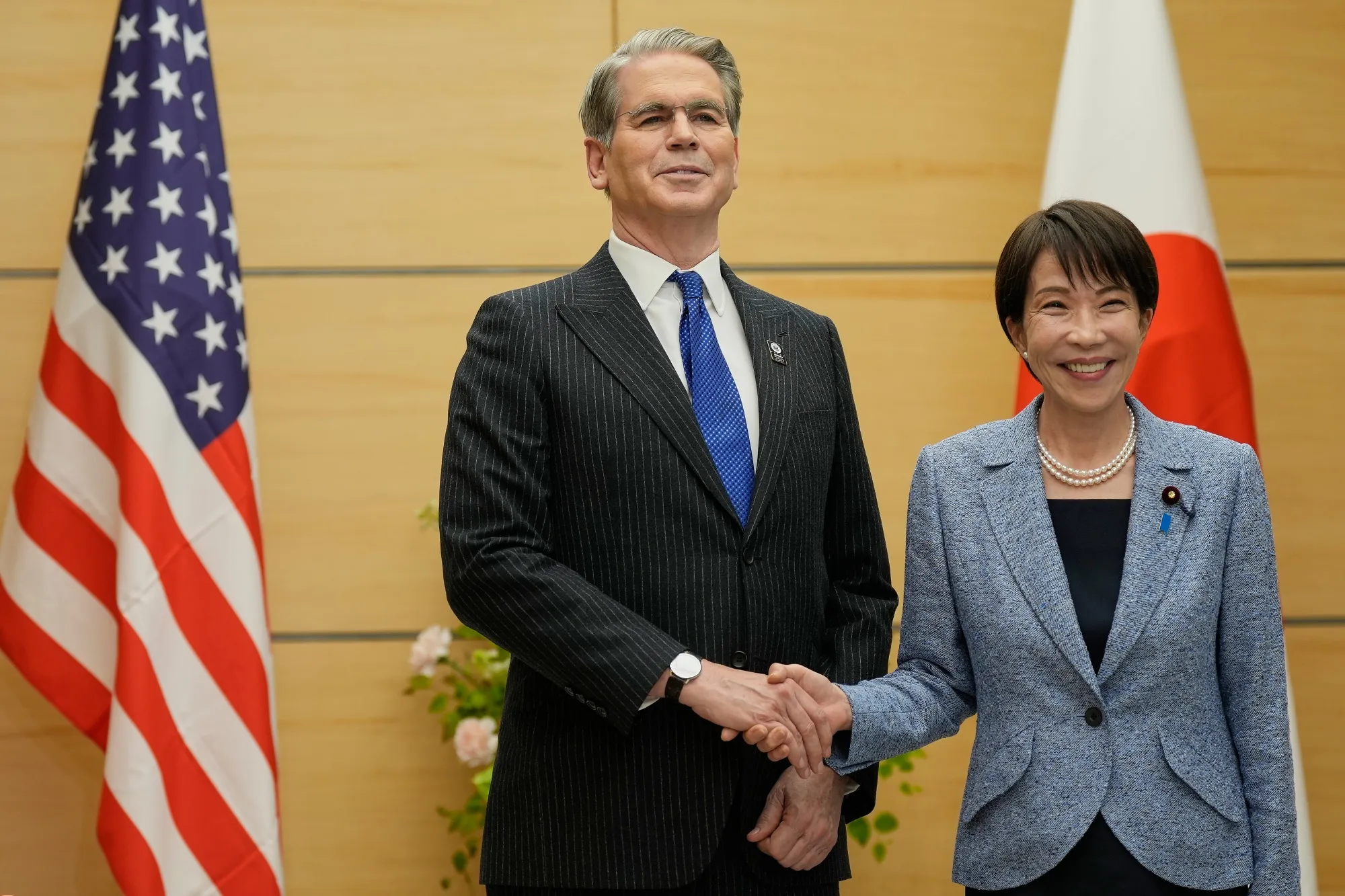
The bilateral US-Japan intervention (announced August 6, 2024, per News 2) signals policy commitment but introduces volatility risk. Unlike historical G7 coordinated interventions (Plaza Accord 1985, Louvre Accord 1987), this bilateral action excluded other G7 members and the ECB, reflecting the Trump administration's transactional approach. This narrower coordination may result in less sustained yen support, creating currency volatility windows. Sellers should monitor Bank of Japan rate decision announcements (typically quarterly) and US Treasury statements for intervention signals. The half-trillion-dollar US investment commitment from Japan suggests sustained policy support, but currency markets remain uncertain on follow-up interventions, creating 2-4 week trading windows where rates may spike or reverse.
Questions 7
How much will yen appreciation increase my procurement costs if I source from Japan?
Bank of America forecasts the yen will strengthen 6% by end-2026, moving from 158 to 149 yen per dollar. For US-based sellers, this translates to 6-8% higher costs on Japanese imports. A seller purchasing $100,000 in inventory at current rates would face approximately $6,000-8,000 in additional costs at the forecasted rate. The impact is most severe for electronics (cameras, gaming hardware), beauty devices, and specialty goods where Japanese sourcing represents 20-30% of inventory. Sellers should lock in current rates using forward contracts (1-2% premium) or evaluate alternative suppliers in Southeast Asia or South Korea to mitigate margin compression.
What FX hedging strategies should I use to protect against yen appreciation?
Three primary strategies are available: (1) Forward contracts—lock in current rates (158 yen/USD) for 3-12 month delivery periods at 1-2% premium, ideal for planned inventory purchases; (2) Currency options—purchase call options on USD/put options on JPY for 3-6 month horizons, providing downside protection with upside flexibility (3-6% cost); (3) Natural hedging—diversify sourcing to non-yen suppliers (South Korea, Vietnam, Taiwan) to reduce yen exposure. For sellers with $500K+ annual Japan sourcing, forward contracts offer the best cost-benefit. Smaller sellers should consider options or diversification. Monitor Bank of Japan rate announcements (quarterly) as rate increases accelerate yen appreciation.